



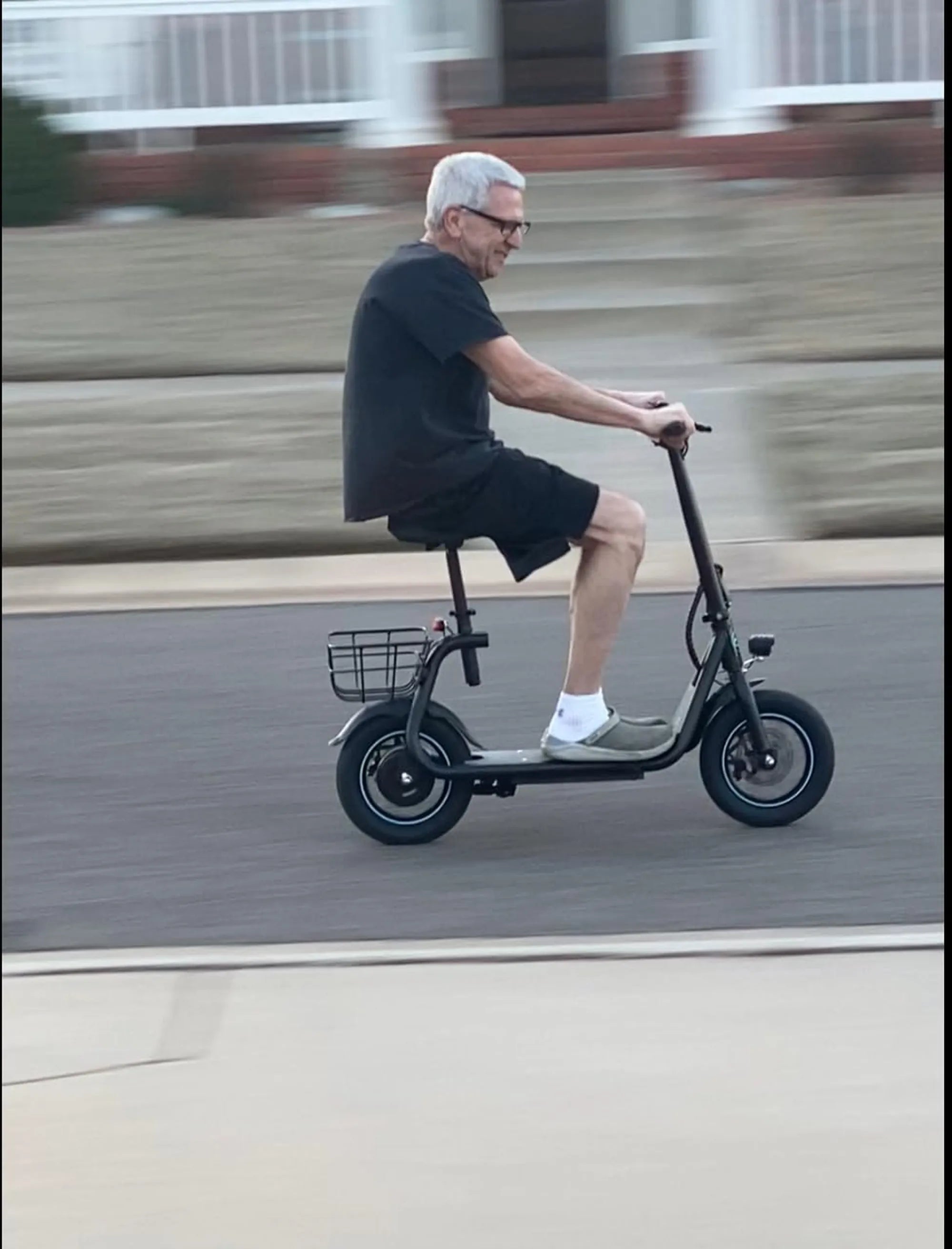
Introduction: Kerala's Mobility Revolution
Kerala is witnessing a quiet revolution on its streets, where the familiar hum of petrol engines is increasingly being replaced by the near-silent whirr of electric motors. Electric scooters in Kerala are not just a trend; they are emerging as a pragmatic solution to the state's unique mobility challenges. This shift represents a fundamental rethinking of urban and semi-urban transport, perfectly aligned with Kerala's environmental consciousness and economic realities.
For residents navigating the dense, winding lanes of Kochi, the bustling corridors of Thiruvananthapuram, or the scenic byways of its towns, the traditional two-wheeler is a lifeline. However, soaring fuel costs, chronic traffic congestion, and pressing air quality concerns have exposed the limitations of conventional vehicles. Electric scooters present a viable alternative, offering a blend of affordability, efficiency, and sustainability.
This article will dissect the factors fueling this transition, from state policy to personal finance. You will learn what features are critical for Kerala's humid climate and varied terrain, how to calculate true cost savings, and why certain safety certifications are non-negotiable. The future of urban mobility in Kerala is electric, silent, and smart.
Why Kerala is Embracing Electric Scooters
The adoption of electric scooters in Kerala is driven by a powerful convergence of policy, economics, and geography. The state government has positioned itself as a national leader in electric vehicle (EV) promotion, creating a fertile ecosystem for adoption. This top-down push is met with strong bottom-up demand from citizens seeking relief from volatile petrol prices and a desire to reduce their environmental footprint.
Kerala's urban morphology, characterized by narrow roads and high population density, makes large vehicles impractical for last-mile connectivity. Electric scooters, with their compact size and agility, are ideally suited for weaving through traffic and finding parking in cramped spaces. Furthermore, the average daily commute for most Keralites falls well within the range of modern e-scooters, making them a practical primary vehicle.
The cultural shift towards sustainability is palpable. As a state with high literacy and environmental awareness, Keralites are increasingly making consumption choices that reflect a stewardship mindset. An electric scooter is a visible commitment to cleaner air and reduced noise pollution, values that resonate deeply within communities across the state.
The Kerala Government's EV Push
The Government of Kerala's ambitious EV policy, notably the "EV Kerala 2022" mission, provides a structured framework and financial incentives to accelerate adoption. The policy aims to convert 100% of its two-wheeler fleet to electric and have one million electric vehicles on the road. For individual buyers, this translates into substantial direct benefits that lower the upfront cost barrier.
A key incentive is the state subsidy offered over and above the central FAME-II scheme. This direct financial support can significantly reduce the on-road price. Additionally, the state provides a 100% exemption on road tax and registration fees for electric two-wheelers, a saving that can amount to several thousand rupees. These measures are designed to make the total cost of ownership immediately competitive with petrol scooters.
The government is also actively working on building charging infrastructure, with plans for public charging stations in municipal areas, bus stations, and government offices. This holistic approach—combining purchase incentives, tax benefits, and infrastructure development—creates a supportive environment for anyone considering electric scooters in Kerala: the future of urban mobility.
Perfect for Kerala's Terrain and Climate
Kerala's geography, from the coastal plains to the gentle slopes of the Western Ghats, demands a vehicle with reliable torque and stability. Modern electric scooters equipped with robust hub motors provide instant torque, which is excellent for navigating gradual inclines common in regions like Idukki or Wayanad. This eliminates the gear-shifting and engine strain associated with climbing hills on a petrol scooter.
The tropical climate, with its high humidity and intense monsoon rains, is a critical consideration. Electric scooters designed for such conditions feature enhanced water and dust resistance. A high Ingress Protection (IP) rating is not a luxury but a necessity. It ensures that sudden downpours, splash-throughs on wet roads, or even routine washing do not compromise the scooter's electrical systems.
Furthermore, the absence of a complex internal combustion engine with components like a carburettor or exhaust system reduces maintenance headaches in humid conditions. There is no engine oil to change, no spark plugs to foul, and fewer moving parts susceptible to rust. This inherent simplicity translates to greater reliability throughout the year, making electric scooters in Kerala a dependable daily companion.
Key Features to Look for in a Kerala-Ready E-Scooter
Selecting the right electric scooter for Kerala's specific conditions requires moving beyond generic specifications. A checklist focused on real-world performance, durability, and safety will ensure your investment is sound. The ideal model balances adequate range, sufficient power for local terrain, resilience against the elements, and accessible after-sales support.
Prioritize verifiable claims over marketing jargon. Look for certified battery standards, clearly stated IP ratings for water resistance, and a transparent warranty policy. The scooter's build quality should feel substantial, with a sturdy frame and reliable braking system capable of handling Kerala's often chaotic traffic conditions. The goal is to find a vehicle that is not just a gadget, but durable transport.
Finally, consider the manufacturer's or distributor's service network within the state. The availability of service centers or trained technicians in major districts like Ernakulam, Thiruvananthapuram, Kozhikode, and Thrissur is crucial for long-term peace of mind. A great product is only as good as the support behind it.
Battery and Range: Beating Range Anxiety
Range anxiety is a common concern, but it can be mitigated with informed choices. Manufacturers often advertise a maximum range under ideal conditions. For Kerala's stop-and-go urban traffic, a practical rule is to expect 20-25% less than the claimed figure. Therefore, if your daily commute is 30 km, look for a scooter with a certified range of at least 40-45 km.
The heart of the scooter is its battery pack. In a humid climate, battery safety and longevity are paramount. Insist on batteries that are UL (Underwriters Laboratories) certified or meet equivalent international safety standards. These batteries undergo rigorous testing for thermal stability, overcharge protection, and short-circuit prevention, drastically reducing safety risks, especially during home charging.
Battery lifespan is measured in charge cycles. A quality battery from a reputable brand should retain a significant portion of its capacity for 500-800 full charge cycles. Given an average daily use, this translates to several years of reliable service. Investing in a scooter with a certified, high-cycle-life battery is more economical than replacing a degraded, non-certified battery every couple of years.
Build Quality and Warranty for Long-Term Value
The initial purchase price is just one part of the total cost of ownership. A scooter with superior build quality—featuring a robust chassis, quality suspension, and corrosion-resistant components—will incur far lower maintenance and repair costs over its lifetime. It will better withstand the wear and tear of daily use on Kerala's diverse road surfaces.
A comprehensive warranty is a direct reflection of the manufacturer's confidence in their product. Look for a warranty that covers the battery, motor, and controller for at least one year. Some leading brands offer longer warranties on the battery, which is the most expensive component. A strong warranty acts as your financial shield against premature component failures.
When comparing models, calculate the five-year cost: purchase price minus subsidies, plus estimated electricity costs, and potential maintenance. Often, a slightly higher upfront investment in a well-built, properly warranted scooter like those from Gyroor results in lower long-term costs and far greater reliability compared to unproven, low-specification alternatives. This makes it a smarter economic choice for electric scooters in Kerala: the future of urban mobility.
Gyroor: Engineered for Kerala's Roads and Rains
As a global brand trusted by over 100,000 riders in North America and Europe, Gyroor designs its electric scooters with a focus on safety, durability, and performance—principles that align perfectly with the demands of the Kerala market. The brand's approach is to engineer vehicles that are not just functional but are built to last in challenging environments, offering Keralites a reliable partner in their transition to electric mobility.
Gyroor's lineup, developed with insights from diverse international markets, incorporates features that are directly relevant to local conditions. From battery safety certifications that meet stringent global standards to water-resistant designs tested for resilience, the brand prioritizes aspects that matter most for daily commuting in a tropical state. This focus on core engineering makes Gyroor scooters a compelling choice for the discerning buyer.
Understanding that an electric scooter is a significant investment, Gyroor backs its products with a clear and reliable 1-year comprehensive warranty, ensuring support throughout the critical first year of ownership. This commitment to post-purchase support is essential for building consumer confidence in a growing market like Kerala.
Safety First: UL-Certified Batteries for Peace of Mind
The most critical safety component in any electric scooter is its battery. Gyroor equips all its models with UL-certified battery packs. This certification means the battery has passed exhaustive tests for electrical, mechanical, and environmental safety, including exposure to extreme temperatures and humidity—conditions very relevant to Kerala.
UL-certified batteries incorporate advanced Battery Management Systems (BMS) that prevent overcharging, over-discharging, and short circuits. This is especially crucial for the varied home charging setups in Kerala, from apartment complexes to standalone houses. It provides an essential layer of protection for both the rider and their property, allowing for safe overnight charging when needed.
This focus on certified safety is a key differentiator. It moves the conversation from mere performance to responsible ownership. For a family looking to adopt an electric scooter in Kerala, knowing the vehicle meets internationally recognized safety standards offers invaluable peace of mind, making the technology accessible and secure for all riders.
IPX5 Water Resistance: Ride Confidently Through the Rains
Kerala's monsoon is legendary, and a commuter vehicle must be prepared for it. Gyroor designs its scooters with an IPX5 water resistance rating. The "IP" code classifies ingress protection: the first digit (X here, meaning not formally rated for dust) and the second digit (5) for water protection.
An IPX5 rating means the scooter's critical electrical components can withstand water jets from a nozzle (6.3mm) from any direction without harmful effects. In practical terms, this translates to robust protection against heavy rain, spray from wet roads, and the inevitable puddles during the monsoon season. It allows riders to commute confidently without worrying about a sudden downpour damaging their vehicle.
This level of protection ensures the scooter's longevity and reduces weather-related downtime. It transforms the e-scooter from a fair-weather vehicle into a true all-season, reliable mode of transport, perfectly attuned to the local climate and solidifying its role in the future of urban mobility in the state.
The Practical Rider's Guide: Costs, Charging, and Commuting
Transitioning to an electric scooter involves practical adjustments. Understanding the true cost savings, the simplicity of charging, and developing efficient commuting habits will maximize your benefit. The operational economics are overwhelmingly in favor of electric, but realizing those savings requires a slight shift in routine compared to refueling at a petrol pump.
Plan your routes with the scooter's range in mind, though for most intra-city travel in Kerala, this is rarely an issue. Use the scooter's agility to explore shorter, less congested routes that might be impractical for cars. Be mindful of parking; the compact size is an advantage, but always use designated areas and a robust lock for security.
Regular maintenance is simple but important: keep the tires properly inflated, check the brakes periodically, and clean the scooter with a damp cloth, avoiding direct water jets on the display or charging port. These small habits will ensure your scooter remains in optimal condition for years.
Charging Infrastructure and Home Setup
While the Kerala government is expanding public charging networks, the primary and most convenient charging location will be your home. Charging an electric scooter is remarkably straightforward. The vehicle comes with a standard charger that plugs into a regular 220V household socket, similar to charging a laptop or mobile phone.
No special wiring or installation is typically required. You can charge the scooter in a car porch, a dedicated parking area, or even inside your home if space and safety permit. A full charge for a depleted battery usually takes between 4 to 8 hours, making overnight charging the most logical and efficient method. This means you start every day with a "full tank."
For longer trips or as a backup, it's useful to be aware of public charging points. Apps and online maps are beginning to list these stations in major cities. However, for 95% of daily use, home charging is perfectly sufficient, eliminating the need for detours to a fuel station and integrating seamlessly into your daily life.
Cost Comparison: Electric vs. Petrol Scooters in Kerala
The financial argument for electric scooters is compelling. This table breaks down a realistic five-year ownership cost comparison for a typical commuter in Kerala, factoring in state incentives.
| Cost Factor | Electric Scooter (e.g., Gyroor Model) | Standard 110cc Petrol Scooter |
|---|---|---|
| On-Road Price (Approx.) | ₹ 95,000 (After State Subsidy & Tax Exemption) | ₹ 90,000 |
| Fuel/Electricity Cost (5 yrs, 30 km/day) | ₹ 7,500 (₹0.5/km for electricity) | ₹ 67,500 (₹3/km for petrol) |
| Service & Maintenance (5 yrs) | ₹ 5,000 (Brake pads, tires) | ₹ 15,000 (Oil changes, filters, engine service) |
| Road Tax & Insurance (5 yrs) | ₹ 10,000 (Insurance only, tax exempt) | ₹ 20,000 |
| Total 5-Year Cost | ₹ 117,500 | ₹ 192,500 |
| Total Savings with Electric | ₹ 75,000 | |
This analysis clearly shows that while the initial purchase prices are comparable post-subsidy, the electric scooter saves nearly ₹1,250 per month on operational costs. Over five years, the savings are substantial, effectively paying for a significant portion of the scooter's initial cost.
FAQ: Electric Scooters in Kerala
Q1: What is the actual on-road price after the Kerala state subsidy?
A1: The final price varies by model and ex-showroom cost. However, with the combined benefit of the state subsidy (which can be several thousand rupees) and the 100% exemption on road tax and registration fees, the on-road price of an electric scooter is often within 5-10% of a comparable petrol model, making it highly competitive from day one.
Q2: How well do e-scooters perform on Kerala's hills?
A2> Modern e-scooters with motors rated 250W and above perform very well on gradual to moderate inclines thanks to instant torque delivery. For steep hill stations like Munnar, it is advisable to opt for models with higher power (350W-500W) and check the manufacturer's gradeability specification (ability to climb a slope). They often outperform petrol scooters on hills due to no gear-shifting lag.
Q3: Is the battery safe during heavy monsoon rains and flooding?
A3> Scooters with a high IP rating (IPX5 or above) are designed to be water-resistant against rain and road spray. However, they are not submarines. It is not advisable to ride through flooded streets where water level submerges the chassis or battery compartment. Always follow manufacturer guidelines. UL-certified batteries also have additional safety protections against short circuits.
Q4: Where can I get service or repairs in major districts?
A4> Reputable brands are rapidly expanding their service networks. Many have authorized service centers or tie-ups in district capitals like Thiruvananthapuram, Kochi, Thrissur, Kozhikode, and Kannur. Before purchasing, confirm the service location nearest to you and inquire about spare parts availability. Brands like Gyroor are establishing these support channels to ensure customer convenience.
Q5: What is the typical lifespan of an e-scooter battery in a tropical climate?
A5> A quality, UL-certified battery can last between 500 to 800 full charge cycles while maintaining over 80% of its original capacity. In a tropical climate, proper care—avoiding leaving the battery fully depleted for long periods, and not exposing it to direct sunlight while charging—can help achieve the higher end of this range. This typically translates to 3-5 years of daily use before a noticeable reduction in range.
Your Next Smart Commute Awaits
The evidence is clear: electric scooters in Kerala: the future of urban mobility is not a distant promise but a present reality. They offer a direct solution to the state's traffic, economic, and environmental challenges. The combination of forward-thinking government policy, compelling long-term economics, and technological suitability for local conditions creates an unprecedented opportunity for individual commuters.
Making the switch is an investment in personal convenience, financial savings, and environmental stewardship. The key is to make an informed choice. Prioritize verified safety standards like UL-certified batteries, ensure the scooter is built for Kerala's climate with proper water resistance, and choose a brand that offers reliable after-sales support. This due diligence guarantees that your investment delivers value for years to come.
Embrace the quiet revolution. Step away from the fuel pump and into a cleaner, more efficient, and cost-effective mode of transport. The road to a smarter Kerala starts with a single, silent ride. Explore a range of scooters engineered for these very conditions and discover how you can be part of this mobility transformation.
Ready to experience the future? Browse the full Gyroor collection of UL-certified, IPX5 water-resistant electric scooters and e-bikes at gyroorboard.com.
Electric Scooters for Adults Commuting: Urban Transport Revolution
Low Cost Electric Scooters: Affordable and Eco-Friendly Commuting Solutions