



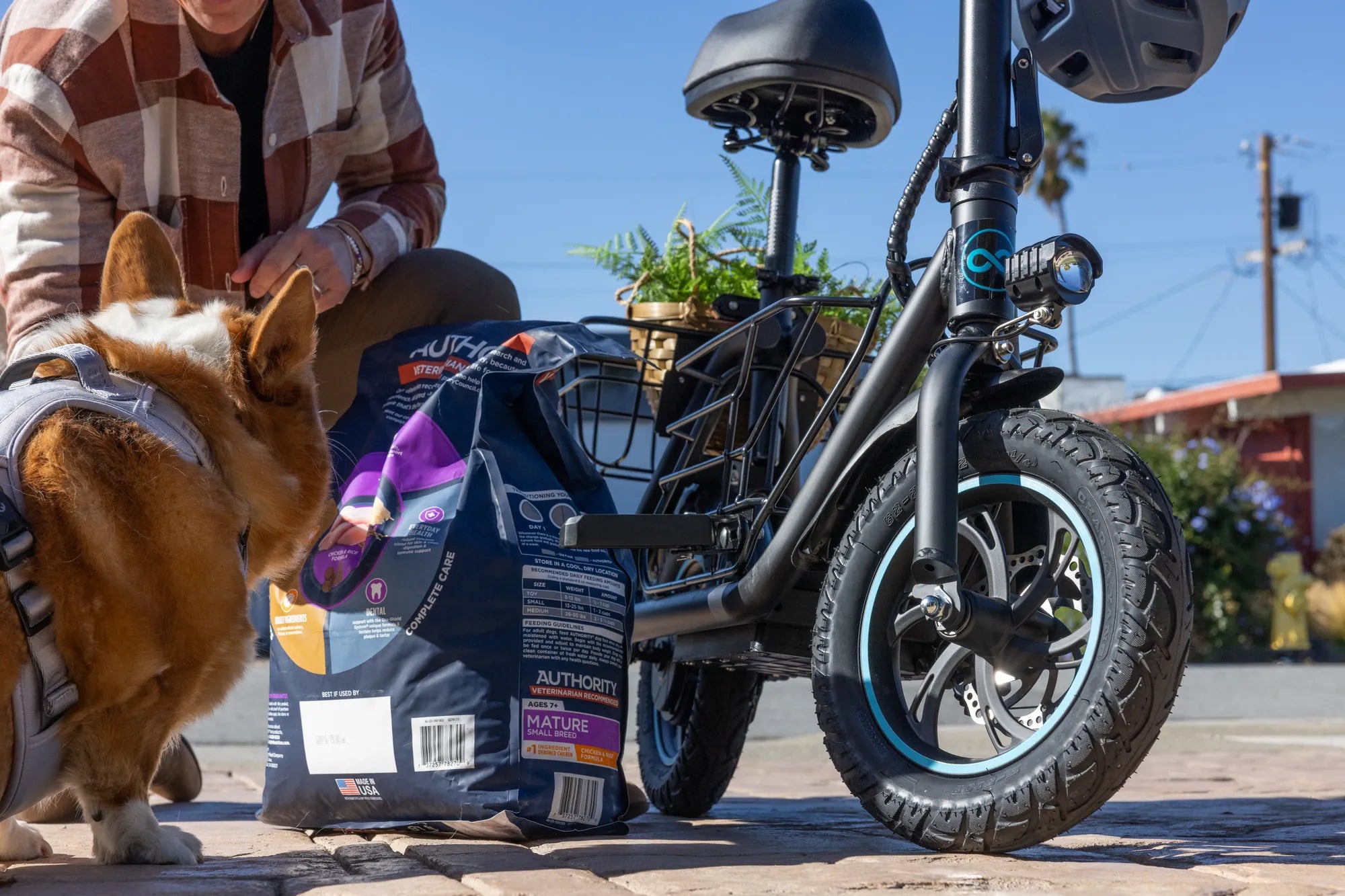
Navigating the Garden State on Two Wheels
Electric scooters have surged in popularity across New Jersey, transforming how residents and visitors commute, explore, and enjoy the outdoors. From the bustling streets of Jersey City and Hoboken to the scenic boardwalks and suburban paths, these compact vehicles offer a convenient, eco-friendly alternative to car travel. This comprehensive guide to Electric Scooters in New Jersey: The Ultimate Guide to Riding Smart and Safe provides the critical knowledge you need. We'll navigate the legal framework, prioritize safety, and help you select the right equipment for a confident ride on NJ roads.
Understanding the rules is not optional; it's essential for your safety and legal compliance. New Jersey has specific regulations that differ from neighboring states, and local ordinances can add another layer of complexity. This guide demystifies those laws. Beyond legality, riding smart involves choosing a scooter built for durability, maintaining it properly, and practicing respectful etiquette to share spaces safely with pedestrians, cyclists, and drivers.
Whether your goal is a faster commute to Newark Penn Station, a leisurely ride along the Hudson River Waterfront Walkway, or an efficient way to navigate a college campus, this guide is your roadmap. We'll cover the practical aspects of battery care for our climate, storage solutions for apartment living, and how to handle NJ's notorious potholes and variable weather. The goal is to equip you with the confidence to embrace this sustainable mode of transportation fully and responsibly.
The Legal Landscape: Understanding New Jersey's E-Scooter Laws
New Jersey law defines an "low-speed electric scooter" as a vehicle with handlebars, a floorboard, and an electric motor, capable of speeds up to 19 mph. Under state statute (NJSA 39:4-14.16 et seq.), these scooters are legally recognized and regulated. Riders must be at least 16 years old. Helmets are required for all riders under 17, but wearing one is a critical safety practice for everyone, regardless of age.
Where you can ride is clearly defined. Electric scooters are permitted on streets with speed limits of 35 mph or lower. They are also allowed in bicycle lanes and on bicycle paths. Riding on sidewalks is generally prohibited to protect pedestrians. This rule is strictly enforced in dense urban areas. Scooters must be equipped with a front white headlight and a rear red taillight if ridden between dusk and dawn.
Speed limits are enforced. While scooters can be capable of higher speeds, they must adhere to posted limits and should not exceed 19 mph on public roadways. Importantly, operating an e-scooter while under the influence of alcohol or drugs carries the same severe penalties as driving a car while intoxicated (DUI). Local municipalities have the authority to create additional rules, so always check local ordinances.
For instance, Jersey City and Hoboken have established specific shared scooter programs with geofenced slow zones and no-ride areas. Newark may have different parking regulations. Atlantic City restricts scooter use on the iconic boardwalk. Always verify the rules in your specific city or town before riding. Ignorance of local law is not a valid defense and can result in fines or confiscation of your scooter.
Safety First: Essential Gear and Riding Practices for NJ Roads
New Jersey's roads demand a defensive riding approach. Essential safety gear is your first line of defense. A certified bicycle or multi-impact helmet is non-negotiable. Consider gloves to protect your hands in a fall and durable, closed-toe shoes. For visibility, wear reflective clothing or a vest, especially at night or in low-light conditions like rain or fog.
Your scooter must be equipped with proper lights—a white front light and a red rear light—as required by law. Adding additional reflectors or LED wheel lights significantly increases your visibility to drivers. A loud bell or horn is also crucial for alerting pedestrians and cyclists of your presence, particularly on shared-use paths.
Adopt smart riding techniques for NJ traffic. Always ride in the direction of traffic, never against it. Use hand signals to indicate turns and stops. Assume that drivers do not see you; make eye contact when possible at intersections. Be hyper-aware of car doors opening from parked vehicles, a major hazard in cities like Hoboken and Jersey City. Maintain a safe distance from moving traffic and the curb to avoid debris and drainage grates.
Road conditions require constant vigilance. Scan several feet ahead for potholes, cracks, railroad tracks, and uneven pavement. Slow down and cross obstacles at as close to a 90-degree angle as possible. In wet weather, reduce your speed dramatically, avoid painted road markings and metal surfaces (like manhole covers), and allow extra braking distance. Braking on wet leaves or frost can be treacherous, so exercise extreme caution in autumn and winter.
Choosing the Right E-Scooter for New Jersey Terrain and Commutes
Selecting a scooter suited to New Jersey's diverse landscape is key to a reliable ride. Key criteria include motor power, range, tire type, portability, and durability. For NJ's hills in places like the Palisades or parts of Newark, a motor with at least 350W of continuous power is recommended. A 500W motor provides more confident climbing ability.
Range anxiety is real. Assess your typical round-trip commute or ride distance and add a 30-40% buffer. A scooter with a manufacturer-stated range of 15-20 miles is a good starting point for most urban commutes. For longer recreational rides, look for models with 25+ miles of real-world range. Remember, factors like hills, rider weight, temperature, and frequent acceleration will reduce the advertised range.
Tire choice impacts comfort and safety. Air-filled (pneumatic) tires offer the best shock absorption for NJ's rough roads, providing a smoother ride over bumps and cracks. Solid or foam-filled tires eliminate the risk of flats but result in a harsher ride and less traction, especially on wet surfaces. Consider a scooter with a dual suspension system (spring or hydraulic) for maximum comfort on uneven terrain.
Portability is vital for multi-modal commuters. If you plan to take your scooter on NJ Transit buses or trains, weight and folding mechanism are critical. Look for models under 35 pounds with a secure, one-step folding system. Durability against the elements is also crucial. A water-resistance rating of at least IPX4 is advisable for occasional rain, but higher ratings (IPX5 or IPX6) offer better protection against spray from wet roads.
| Feature | Urban Commute (e.g., Jersey City to PATH) | Subidential/ Campus Use | Recreational/ Long-Distance |
|---|---|---|---|
| Recommended Motor | 350W - 500W | 250W - 350W | 500W+ |
| Ideal Range | 15-20 miles | 10-15 miles | 25+ miles |
| Tire Type | Pneumatic or Hybrid | Solid or Air-Filled | Large Pneumatic |
| Portability (Weight) | Under 35 lbs | Under 30 lbs | Less Critical |
| Key Consideration | Folding, Water Resistance | Compact Size, Ease of Use | Suspension, Battery Capacity |
Spotlight on Reliability: Why Gyroor is a Top Choice for NJ Riders
For New Jersey riders, reliability and safety are paramount. Gyroor electric scooters are engineered to meet the specific challenges of riding in the Garden State. A core concern for apartment dwellers in high-rises from Fort Lee to Weehawken is battery safety. Every Gyroor scooter uses a UL-certified battery pack, rigorously tested for over 500 charge cycles. This certification is a critical safeguard against thermal runaway, providing peace of mind when charging at home or in a building's storage area.
New Jersey's unpredictable weather, from summer downpours to slushy spring streets, demands robust construction. Gyroor models feature IPX5 water-resistant designs. This rating means the scooter can withstand low-pressure water jets from any direction, protecting the electrical components from rain and road spray. This durability is essential for riders who commute daily, regardless of the forecast.
With over 100,000 riders trusting the brand across North America and Europe, Gyroor has built a reputation for quality and customer support. The reliable 1-year warranty on the scooter and a 6-month warranty on the battery ensure that riders have access to support and service. For NJ residents, this means a direct line to U.S.-based customer service and readily available parts, avoiding the frustration and long wait times associated with overseas brands.
Gyroor's lineup offers models that align perfectly with NJ use cases. From compact, lightweight scooters ideal for the final mile to a train station, to more powerful models with suspension for tackling varied urban terrain, the focus is on real-world performance. The combination of safety certifications, weather resistance, and strong warranty support makes Gyroor a prudent and high-value choice for the savvy New Jersey rider.
Maximizing Your Ride: Maintenance, Battery Care, and Storage Tips
Regular maintenance ensures your scooter remains safe and extends its lifespan. Perform a quick pre-ride check: inspect tire pressure (for pneumatic tires), test the brakes, ensure lights are functional, and check that the folding mechanism (if present) is secure and locked. Monthly, tighten all bolts and screws, as vibrations from riding can loosen them. Clean the deck and frame with a damp cloth, avoiding direct water spray on electronic parts.
Brake maintenance is critical. For disc brakes, listen for grinding noises and check pad wear. For electronic or drum brakes, ensure they engage smoothly and bring the scooter to a complete stop without delay. If your scooter has a suspension, periodically check for smooth operation and any signs of oil leakage.
Battery care is the most important aspect of long-term ownership. Avoid completely draining the battery. Try to recharge when it reaches 20-30% capacity. Similarly, avoid leaving it plugged in at 100% for extended periods (days on end). For long-term storage (e.g., over the winter), store the battery at a 50-80% charge in a cool, dry place, and give it a partial recharge every 2-3 months.
New Jersey's climate presents specific challenges. In summer heat, avoid leaving your scooter in direct sunlight for hours, as extreme heat can degrade the battery. In cold winter weather, battery performance will temporarily decrease, reducing your range by 20-40%. Store and charge the scooter indoors at room temperature when possible. After riding in rain or on wet roads, wipe down the scooter and allow it to dry completely before folding or storing it.
Responsible Riding: Etiquette and Sharing the Path in NJ
Being a responsible rider fosters positive relationships with all road and path users and helps ensure the long-term acceptance of e-scooters. On shared-use paths and bike lanes, always yield to pedestrians. Announce your presence politely with a bell or a verbal "on your left" before passing, and pass at a safe, reduced speed. Keep your speed in check; high speeds are for the road, not crowded multi-use trails.
When riding on the street, obey all traffic signals and signs as if you were driving a car. Do not weave between stopped traffic. Use designated bicycle lanes where available. If you must take the lane because a bike lane is blocked or absent, ride predictably in a straight line, signaling your intentions clearly. This predictable behavior helps drivers understand your movements.
Parking responsibly is a major issue in dense areas. Never park a scooter in a manner that blocks sidewalks, ADA ramps, building entrances, or bus stops. Look for designated scooter parking or "furniture zones" near street furniture like bike racks or benches. The goal is to leave the pedestrian right-of-way completely clear. In residential neighborhoods, be mindful of noise; avoid late-night riding that could disturb residents.
Embrace the principles of shared micromobility: your ride should not inconvenience others. By parking properly, riding courteously, and following the rules, you become an ambassador for the entire e-scooter community. This positive conduct helps build a case for expanding access and infrastructure, benefiting all riders in the long run.
Frequently Asked Questions (FAQ) for New Jersey E-Scooter Riders
Q: Do I need insurance or registration for my personal electric scooter in NJ?
A: No. New Jersey state law does not currently require insurance or vehicle registration for personally owned low-speed electric scooters. However, using a scooter from a shared rental company may involve insurance through the provider's app. It is always wise to check with your own insurance agent regarding potential coverage under a homeowner's or renter's policy for liability.
Q: Can I ride my e-scooter on New Jersey boardwalks or in state/county parks?
A: This is almost universally prohibited. Most boardwalks, including Atlantic City's, explicitly ban motorized vehicles to protect pedestrians. Rules for state and county parks vary, but they typically restrict motorized vehicles to roadways. For example, Liberty State Park prohibits them on walkways. Always check posted signage and park regulations before riding.
Q: What should I do if my town's local rules conflict with or add to state law?
A: Local ordinances take precedence on municipal property like sidewalks and local parks. You must follow the stricter rule. For example, if state law allows riding in bike lanes but your town bans e-scooters entirely on certain streets, you must obey the local ban. Contact your local police department's non-emergency line or clerk's office to clarify ordinances.
Q: Where are some of the best places to ride for fun or scenic commuting in NJ?
A> For commuting, protected bike lanes in Jersey City, Hoboken, and Newark offer relatively safe routes. For recreation, consider the Hudson River Waterfront Walkway (where local rules permit), the D&R Canal Towpath (check motorized vehicle rules by section), and some quieter suburban greenways. Always verify access rules before you go.
Q: Are there any specific rules about carrying items or passengers?
A> Yes. New Jersey law prohibits carrying passengers on an e-scooter designed for a single rider. You may carry items in a backpack or a securely attached cargo bag, but you must always keep both hands on the handlebars for control. Towing anything behind your scooter is illegal and dangerous.
Embracing Smart, Sustainable Mobility in New Jersey
Riding an electric scooter in New Jersey offers unparalleled freedom and a practical solution to traffic congestion and parking challenges. By mastering the legal landscape, prioritizing safety with the right gear and defensive techniques, and selecting a reliable scooter built for local conditions, you set yourself up for countless enjoyable miles. This guide to Electric Scooters in New Jersey: The Ultimate Guide to Riding Smart and Safe has provided the foundational knowledge for responsible ownership.
Your conduct on the road directly impacts the perception of micromobility. Regular maintenance, proper battery care, and courteous riding etiquette are not just personal responsibilities—they are contributions to a safer, more integrated transportation network. As infrastructure continues to evolve, informed and responsible riders will help shape a positive future for e-scooters in the Garden State.
The journey towards smarter, greener urban mobility is well underway. By choosing quality equipment from trusted brands that prioritize safety certifications, water resistance, and reliable customer support, you invest in your safety and the longevity of your ride. Now, with knowledge as your guide, you're ready to explore New Jersey on two wheels confidently and responsibly.
Ready to start your journey? Explore a range of durable, high-performance scooters designed for real-world conditions. Browse the full Gyroor collection at gyroorboard.com to find the perfect model for your New Jersey commute or adventure.
How Fast Do Electric Scooters Go? A Complete Guide to Speed and Performance
Electric Scooters for Adults Fast Under $350: Your Guide to Affordable Speed