



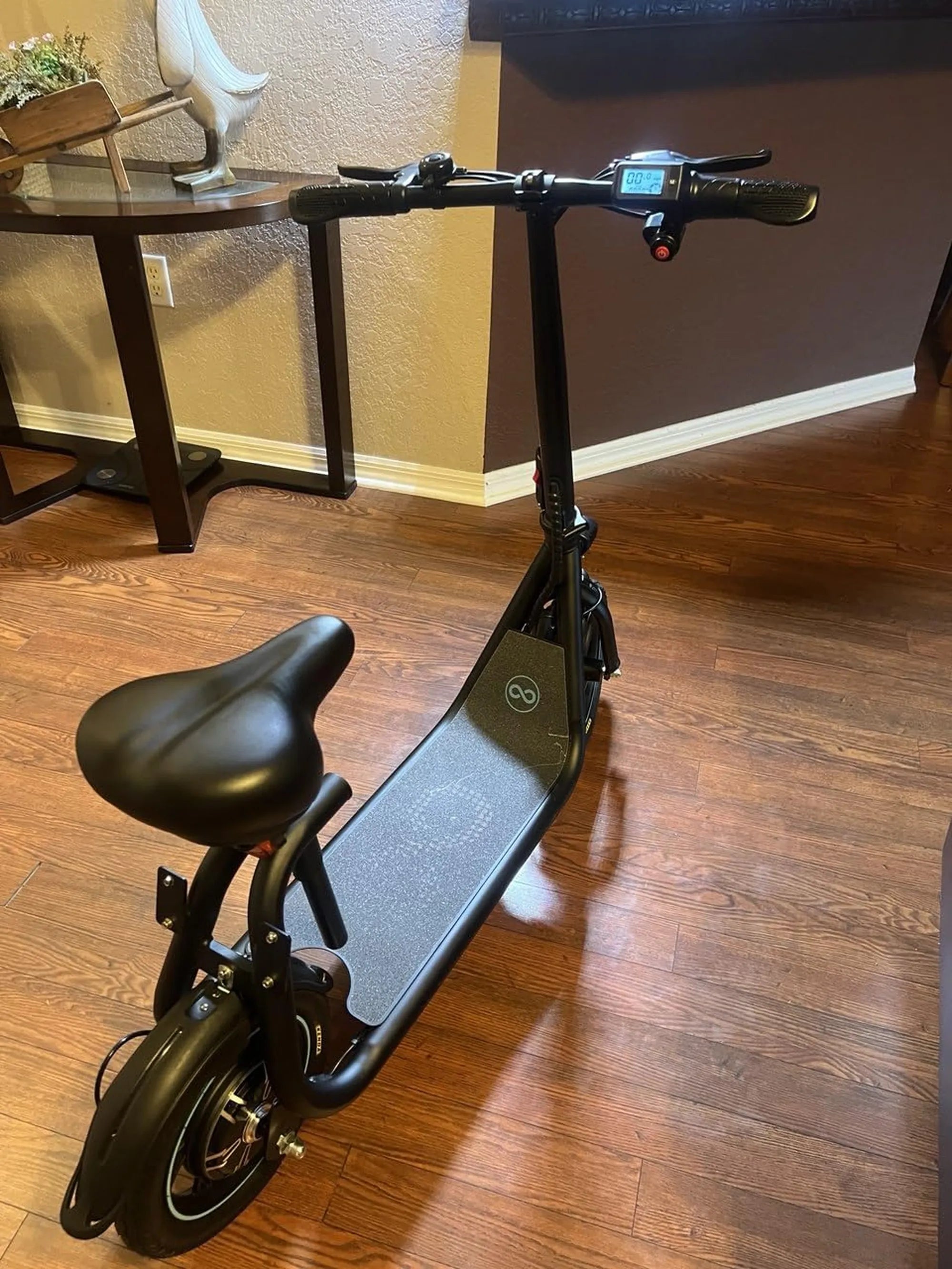
Introduction: The Rise of Electric Scooters in Pakistan's Urban Landscape
Pakistan's major cities are at a mobility crossroads. Karachi, Lahore, and Islamabad are choked by traffic congestion that wastes hours daily, while air pollution levels frequently breach hazardous limits. Simultaneously, the relentless rise in fuel prices makes traditional commuting a significant financial burden.
Electric scooters in Pakistan are emerging not as a novelty, but as a necessary, pragmatic solution to these intertwined crises. They represent a shift towards personal electric mobility that is affordable, efficient, and clean. The global move towards e-mobility has found a ripe market in Pakistan, where practicality and cost-saving are paramount.
This transition is being supported by international brands that prioritize safety and durability, bringing globally tested technology to local roads. The discussion around electric scooters in Pakistan: the future of urban mobility is now centered on implementation and adoption, moving beyond mere concept.
This article provides a comprehensive analysis of how electric scooters are poised to redefine daily commutes, the critical features to consider, and what this means for the future of Pakistan's urban centers.
The Current State of Urban Commuting in Pakistan
Commuting in Pakistani metropolises is characterized by systemic inefficiency. Average travel speeds in central Karachi and Lahore can drop below 15 km/h during peak hours, turning short distances into lengthy ordeals. The economic and time cost of this gridlock is immense for both individuals and the national economy.
The financial burden is twofold: the direct cost of petrol or diesel, and the indirect cost of vehicle maintenance in stop-and-go traffic. For many, a significant portion of their income is consumed simply by the act of getting to work. Public transport, while improving in some cities, often remains overcrowded, unreliable, or inaccessible for last-mile connectivity.
Environmental impact is the silent, pervasive cost. The World Bank and other agencies have consistently flagged Pakistani cities for dangerously high levels of particulate matter (PM2.5), much of which originates from vehicle exhaust. The noise pollution from endless traffic further degrades urban living standards.
This combination of time loss, financial strain, and health hazard creates a clear demand for an alternative. The market is seeking a mode of transport that bypasses traffic, slashes operational costs, and eliminates tailpipe emissions. This is the precise gap that electric scooters are designed to fill.
Why Electric Scooters are the Ideal Solution for Pakistani Cities
Economic Advantages: Saving Money on Every Ride
The economic case for electric scooters in Pakistan is compelling. A direct cost comparison reveals stark differences. A typical 125cc petrol scooter achieves roughly 40 km per liter. With petrol prices frequently above PKR 250 per liter, the fuel cost is approximately PKR 6.25 per kilometer.
In contrast, an electric scooter with a 500Wh battery and a 40 km range consumes about 0.5 kWh per full charge. At a domestic electricity rate of PKR 25 per kWh, the cost per full charge is PKR 12.5, translating to about PKR 0.31 per kilometer. This represents a 95% reduction in fuel cost per km.
Maintenance costs diverge even more. Petrol scooters require regular oil changes, air filter replacements, spark plug servicing, and exhaust system maintenance. Electric scooters have far fewer moving parts: no engine oil, no fuel injectors, no complex transmission. Primary maintenance involves tire care, brake checks, and ensuring battery health.
Over a year, an owner can save tens of thousands of rupees, making the initial investment in a quality e-scooter recoverable in a surprisingly short timeframe. This financial logic is driving adoption among students, office commuters, and delivery personnel.
Practicality and Maneuverability in Congested Traffic
The physical design of electric scooters is tailor-made for dense urban environments. Their compact footprint and narrow profile allow riders to filter through stationary or slow-moving traffic, a practice common with motorcycles but now accessible with a silent, electric option.
Parking, a perpetual headache in commercial districts, becomes trivial. An e-scooter can be parked in a fraction of the space required for a car, often on sidewalks or in designated bike areas without causing obstruction. This agility translates directly into time saved.
For last-mile connectivity, the e-scooter is unparalleled. It solves the common problem of reaching a final destination from a bus stop or metro station quickly and without additional fare. This integration with public transport can create a seamless, multi-modal commute.
The ease of use is a significant factor. With no gear shifting and simple acceleration/braking controls, electric scooters are accessible to a wide demographic, reducing the barrier to entry for new riders compared to manual motorcycles.
Environmental Impact: Contributing to Cleaner Air
The environmental argument is straightforward: zero tailpipe emissions. Every electric scooter on the road replaces a petrol-powered vehicle, directly reducing the output of carbon monoxide (CO), nitrogen oxides (NOx), and hydrocarbons (HC) at street level.
While the overall carbon footprint depends on Pakistan's energy generation mix, the shift towards renewable energy (solar, hydro) is steadily greening the grid. Even on the current grid, centralized power generation is more efficient and easier to regulate for emissions than millions of small internal combustion engines.
Noise pollution reduction is an underrated benefit. Electric scooters operate almost silently, contributing to quieter, less stressful neighborhoods and markets. This aligns with global trends towards creating more livable, pedestrian-friendly urban spaces.
The collective impact of widespread adoption could be transformative for city air quality indices. It represents a actionable step citizens can take towards personal environmental responsibility, aligning individual convenience with communal benefit.
Key Features to Look for in an Electric Scooter for Pakistan
Battery Safety and Reliability: The Non-Negotiable
The battery is the heart of the electric scooter, and its safety cannot be compromised. In Pakistan's climate, with high temperatures in summer, battery management systems (BMS) are critical. They prevent overcharging, over-discharging, and manage thermal conditions.
Look for scooters equipped with batteries certified to international safety standards like UL 2271. These certifications ensure the battery pack has passed rigorous tests for electrical, mechanical, and environmental safety, reducing fire risk—a paramount concern for any lithium-ion product.
Real-world range is more important than theoretical maximums. A scooter advertised for 40 km might achieve 25-30 km in real Pakistani city conditions with start-stop traffic, rider weight, and occasional inclines. Choose a model with a range that comfortably exceeds your daily commute distance to avoid daily range anxiety.
Battery longevity is defined by charge cycles. A quality lithium-ion battery should retain at least 80% of its original capacity after 500 full charge cycles, equating to several years of daily use. The warranty should explicitly cover the battery for this performance period.
Build Quality for Diverse Road Conditions
Pakistani urban roads present a unique challenge with potholes, uneven surfaces, and speed breakers. A scooter's frame must be constructed from high-grade aluminum or steel to withstand regular shocks without developing fatigue cracks.
Suspension is not a luxury; it is a necessity for comfort and control. A combination of front and rear spring or hydraulic suspension absorbs impacts, keeps the wheels in contact with the road for better braking, and prevents jolts from reaching the rider and the scooter's electronics.
Tire choice is crucial. Pneumatic (air-filled) tires provide the best shock absorption and traction compared to solid tires. They require maintenance but offer a significantly smoother and safer ride on poor roads. Look for tubeless tires that are more resistant to punctures.
The deck should provide ample, non-slip foot space. The overall weight rating of the scooter should accommodate a range of rider sizes with a margin of safety, ensuring the motor and brakes perform effectively under load.
Weather Resistance for Year-Round Use
The Ingress Protection (IP) rating is a vital specification for Pakistan's monsoon rains and dusty conditions. The IP code indicates protection against solid particles (first digit) and liquids (second digit).
For electric scooters, a focus on water resistance is key. An IPX5 rating means the scooter can withstand water jets from any direction, making it safe to ride in heavy rain and through puddles. This is essential for reliability and preventing electrical shorts or motor damage.
Dust resistance (the first digit of the IP rating) is equally important in arid and construction-heavy areas. Dust ingress can damage bearings, motors, and electronic contacts. A fully sealed deck and motor assembly prolong the scooter's life.
This durability ensures the scooter is a true all-weather vehicle, not fair-weather transportation. It protects your investment and guarantees mobility regardless of sudden weather changes.
Warranty and After-Sales Support
A robust warranty is a sign of manufacturer confidence. It should clearly cover the frame, motor, controller, and battery for a substantial period, such as one year. The warranty terms should be accessible and understandable, clarifying what is and isn't covered.
After-sales support is critical in a developing market for e-mobility. Check if the brand or its local distributor has trained technicians, a supply of common spare parts (tires, brake pads, fenders), and a clear process for warranty claims.
Local serviceability matters. Designs that allow for easy access to key components for repair or replacement reduce downtime and cost. A brand with an established service network, even if nascent, is preferable to one with no local support.
This infrastructure builds consumer trust. Knowing that help is available if something goes wrong is a major factor in overcoming hesitation about adopting new technology.
Gyroor Electric Scooters: Engineered for Pakistani Roads and Riders
Gyroor brings a global perspective to the challenges of Pakistani urban mobility. As a brand trusted by over 100,000 riders in North America and Europe, its engineering principles are based on durability, safety, and performance in varied conditions.
Core to this promise is the use of UL-certified battery packs across their lineup. These batteries undergo testing for over 500 charge cycles, ensuring long-term reliability and, most importantly, safety for the rider and their home environment. This directly addresses the primary concern for new adopters of electric scooters in Pakistan.
Recognizing the climate, Gyroor models feature IPX5 water-resistant construction. This rating guarantees protection against heavy rain and water splashes, making them practical for use throughout the year, from Lahore's summer downpours to Karachi's humidity.
The build quality is tailored for demanding use. With reinforced frames, robust suspension systems, and high-torque motors capable of handling inclines, Gyroor scooters are designed to manage the specific topography and road conditions found in Pakistani cities.
This is backed by a clear, comprehensive 1-year warranty, providing the peace of mind that comes with a reputable international brand. For Pakistani riders, this means accessing technology proven in mature markets, adapted for local resilience.
Comparison: Electric Scooter vs. Traditional Petrol Scooter in Pakistan
| Factor | Electric Scooter | 125cc Petrol Scooter |
|---|---|---|
| Fuel/Running Cost per Km | ~PKR 0.31 (at PKR 25/kWh) | ~PKR 6.25 (at PKR 250/L) |
| Annual Maintenance Cost | Low (Brake pads, tires) | High (Oil, filters, spark plugs, engine service) |
| Top Speed | 25-45 km/h (varies by model) | 90-100 km/h |
| Daily Range | 25-40 km (city conditions) | 200+ km (with tank refill) |
| Refueling/Recharge Time | 4-8 hours (standard charge) | 5 minutes (at station) |
| Emissions | Zero tailpipe emissions | CO2, CO, NOx, HC, Particulates |
| Noise Level | Very Low | Moderate to High |
| Typical Initial Cost | Higher upfront investment | Lower upfront investment |
| 2-Year Total Cost of Ownership | Often lower due to massive fuel savings | Consistently high due to fuel costs |
This table illustrates the fundamental trade-offs. The petrol scooter wins on long-distance touring and immediate refueling. The electric scooter dominates in urban economics, environmental impact, and low maintenance. For the typical city dweller with a sub-30 km daily commute, the electric scooter's advantages are decisive.
The Future Outlook: E-Scooters and Pakistan's Mobility Evolution
The trajectory for electric scooters in Pakistan is one of accelerated growth. Market forces—high fuel costs and traffic—are powerful drivers. The next phase will involve infrastructure and policy catching up with adoption.
We can expect to see the development of more dedicated bicycle and personal mobility device lanes in urban planning projects, as seen in Lahore's initiatives. These dedicated paths make e-scooter commuting safer and more efficient, separating them from both fast-moving cars and pedestrians.
Charging infrastructure will evolve from purely home-based to include public points. Shopping malls, university campuses, and office complexes may install charging stations as an amenity, much like parking facilities. Solar-powered charging stations could emerge as a sustainable, off-grid solution.
Government policy will play a defining role. Incentives such as reduced import duties on CKD/SKD kits for local assembly, sales tax exemptions, or subsidies could dramatically lower purchase prices and spur local manufacturing, creating jobs.
The integration of e-scooters into a broader smart mobility ecosystem is the long-term vision. This includes connectivity features, shared mobility platforms for short-term rental, and data collection to inform urban planning. The electric scooter is the first step in a comprehensive reimagining of how Pakistanis move.
Frequently Asked Questions (FAQs) About Electric Scooters in Pakistan
Q: What is the real-world range on a single charge in city traffic?
A> Real-world range depends on rider weight, terrain, speed, and temperature. A scooter with a 500Wh battery typically achieves 25-35 km in mixed city traffic with some inclines. It's advisable to choose a model whose rated range is 1.5 times your longest daily commute to account for battery degradation over time and variable conditions.
Q: How long does it take to fully charge the battery?
A> Charging time is determined by battery capacity and charger output. A standard charger for a 500Wh battery takes 5-8 hours for a full charge from empty. Many riders charge overnight. Some models offer fast-charging options that can reduce this time to 3-4 hours, though frequent fast charging may slightly accelerate long-term battery wear.
Q: Are electric scooters legal to ride on main roads in Pakistan?
A> The legal status is evolving. Currently, they are widely used and tolerated. However, specific regulations regarding registration, licensing, helmet use, and approved roadways are under development by provincial authorities. It is crucial to check with local traffic police for the latest rules. Generally, riding on streets with a speed limit under 50 km/h is accepted, while highways are prohibited.
Q: Can it handle the weight of two riders?
A> Most adult electric scooters have a maximum weight capacity between 100 kg and 120 kg. While some can physically carry two average-weight adults, it is strongly discouraged. The braking distance increases significantly, handling becomes unstable, and the motor and battery are overstressed, leading to premature failure and voiding the warranty. Electric scooters are designed as single-rider vehicles for optimal safety and performance.
Q: What is the maintenance routine and cost like compared to a petrol scooter?
A> Maintenance is minimal and far less costly. Routine tasks include checking tire pressure monthly, inspecting brake pads for wear (replacement cost: ~PKR 1500-2000), ensuring all bolts are tight, and keeping the scooter clean, especially the charging port. There are no oil changes, air filter replacements, or spark plug services. Annual maintenance costs are typically 75-90% lower than for a comparable petrol scooter.
Conclusion: Embracing a Smarter, Greener Commute
The evidence for adopting electric scooters in Pakistan is overwhelming. They solve the immediate, painful problems of commuting cost and time while contributing to the long-term goals of cleaner air and quieter cities. The narrative of electric scooters in Pakistan: the future of urban mobility is transitioning from prediction to present reality.
Choosing the right scooter—one with certified battery safety, weather-resistant construction, and reliable after-sales support—is an investment in personal efficiency and environmental stewardship. Brands like Gyroor have demonstrated that durability and advanced engineering are not mutually exclusive with accessibility.
As infrastructure and regulations mature, the electric scooter will cement its place as a cornerstone of Pakistan's urban transport mix. It empowers the individual rider with choice, control, and significant savings, making the daily commute not a burden, but a simple, efficient part of the day.
The shift to electric mobility is inevitable. Starting that journey today positions you at the forefront of a cleaner, more economical, and smarter way to navigate the city. Explore how a purpose-built electric scooter can transform your daily travel. Browse the full Gyroor collection, designed for resilience and performance, at gyroorboard.com.
How Do Electric Scooters Work in Cities: The Complete Urban Mobility Guide
Electric Scooters for Adults Under $600: Affordable and Efficient Commuting Solutions