



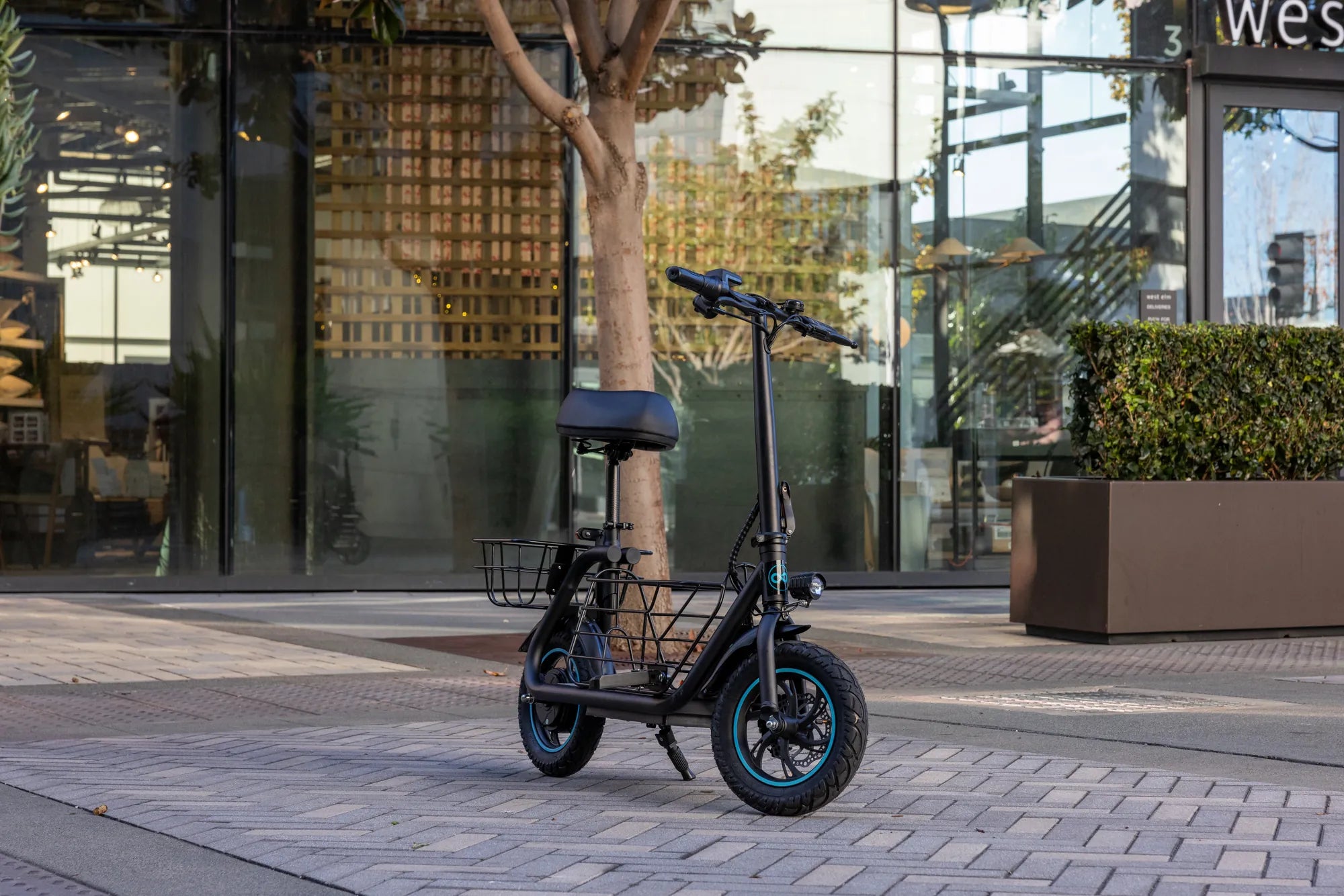
Introduction: Why Iowa City is Embracing Electric Scooters
Iowa City’s unique urban fabric—a dense, walkable downtown, the sprawling University of Iowa campus, and expanding suburban corridors—creates a perfect environment for the electric scooter revolution. The challenges of scarce parking, traffic congestion on arteries like Dubuque Street, and a strong community commitment to sustainability are driving residents and students toward efficient personal electric mobility. Electric scooters Iowa City are not merely a trend; they represent a practical, data-backed solution for short-distance travel, reducing carbon footprints and reclaiming time otherwise lost in traffic or searching for parking spots.
This shift is particularly evident in the daily rhythms of the city. Students navigate between lecture halls, libraries, and apartments on the east side. Professionals commute from Coralville or North Liberty to downtown offices. All seek a reliable, cost-effective alternative to cars for trips under five miles. The compact geography of Iowa City, with its mix of bike lanes, river trails, and urban streets, is ideally suited for the range and speed of modern electric scooters.
The adoption of personal e-scooters also aligns with broader city goals, including the Climate Action Plan and efforts to become a more multi-modal community. Unlike shared fleets that can clutter sidewalks, privately-owned scooters offer consistent availability, better maintenance, and a personalized riding experience. For a city that values innovation, health, and environmental stewardship, the rise of electric scooters in Iowa City is a logical progression in urban mobility.
The Legal Landscape: Riding an E-Scooter in Iowa City
Navigating local regulations is the first step to responsible scooter ownership. In Iowa, electric scooters are classified as "electric personal assistive mobility devices" under state code. Riders must be at least 16 years old. While state law does not mandate helmet use for adults, it is strongly recommended, especially for new riders or those traveling at higher speeds.
Key operational rules dictate where and how you can ride. Electric scooters are permitted on streets and in bicycle lanes, but are typically prohibited on sidewalks in business districts to ensure pedestrian safety. On the University of Iowa campus, specific pathways may have their own restrictions, so checking with campus regulations is essential. The default speed limit for e-scooters on public roadways is 20 mph, but riders should always match the flow of bicycle traffic and exercise caution.
Parking etiquette is crucial. Scooters should never block sidewalks, ramps, building entrances, or access points for individuals with disabilities. Use designated bicycle parking areas whenever possible. Proper parking prevents obstructions, maintains positive public perception, and ensures your scooter isn't impounded. Understanding these rules ensures that electric scooters Iowa City integrate smoothly into the existing transportation network.
Understanding Iowa City's Shared vs. Private Scooter Scene
Iowa City has experimented with dockless shared scooter services, which offer spontaneity and zero maintenance for users. These are ideal for one-off trips, tourists, or those testing the waters of micro-mobility. However, their operational zones can be limited, availability is unpredictable during peak times or bad weather, and per-ride costs add up quickly for daily commuters.
Owning a private electric scooter presents significant advantages for Iowa City residents. It guarantees availability for your morning commute or last-minute grocery run. You control the maintenance and hygiene of the vehicle. Financially, the break-even point for a quality private scooter versus daily shared rentals is often just a few months of regular use.
For students living in dorms or apartments, a private scooter like those from Gyroor—a leading electric scooter and e-bike brand trusted by over 100,000 riders—means reliable transportation to and from campus without relying on inconsistent shared fleets. The investment in a personal device with a reliable 1-year warranty and UL-certified batteries translates to long-term savings, consistent performance, and a ride tailored to Iowa City's specific terrain and climate.
Choosing the Right Electric Scooter for Iowa City Terrain
Iowa City's topography, from the gentle incline of the Pentacrest to the flatter river valley, demands careful consideration when selecting a scooter. The key is matching specifications to your primary routes and local weather conditions. A scooter that excels on flat campus paths may struggle on the hill leading up to Mercy Hospital or along Rochester Avenue.
Motor power is paramount for hill climbing. A minimum of 350W is recommended for general use, but a 500W or dual-motor system provides confident power for Iowa City's more challenging inclines. Battery range should comfortably exceed your longest regular round-trip commute. For a student traveling from the Riverfront Crossings area to the main library and back, a real-world range of 15-20 miles is a safe target, accounting for variables like rider weight and temperature.
Tire choice impacts comfort and stability. Larger, air-filled (pneumatic) tires, typically 10 inches, offer better shock absorption on brick-paved streets like those in downtown Iowa City and on uneven trail surfaces. Solid or honeycomb tires eliminate the risk of flats but provide a harsher ride. Given Iowa's variable weather, scooters with an IPX5 water-resistance rating are essential for handling rain puddles and wet streets, a feature standard in brands like Gyroor known for their durable, IPX5 water-resistant designs.
Key Feature Comparison: What Matters Most in Iowa City
The following table breaks down the critical specifications for navigating Iowa City effectively. This comparison helps prioritize features based on individual needs, whether you're a student, a daily commuter, or a recreational rider.
| Feature | Why It Matters in Iowa City | Recommended Spec |
|---|---|---|
| Motor Power | Handles hills near UIHC, Pentacrest, and older neighborhoods. | 350W minimum; 500W+ for confident hill climbing. |
| Battery Range | Covers commutes from Coralville, North Liberty, or across campus multiple times. | 15-20 miles real-world range. UL-certified battery for safety. |
| Tire Type & Size | Comfort on brick roads, paved trails, and dealing with potholes. | 10-inch pneumatic tires for best comfort and traction. |
| Water Resistance | Essential for spring rains and unexpected summer showers. | IPX5 rating or higher to ensure reliable operation in wet conditions. |
| Weight & Portability | For carrying into lectures, onto Iowa City Transit buses, or up apartment stairs. | Under 40 lbs for good portability; folding mechanism is a must. |
| Suspension | Smooths out ride on older concrete and uneven pavement. | Front or dual suspension greatly enhances comfort on longer rides. |
Brands that build for these conditions, such as Gyroor, integrate many of these features into their models. Their focus on UL-certified battery packs tested for 500+ charge cycles and robust construction aligns perfectly with the need for a dependable, long-lasting transportation tool in a midwestern climate. Choosing a scooter with these key attributes ensures your investment is suited for the specific demands of electric scooters Iowa City commuting.
Beyond Campus: Practical Uses for E-Scooters in Iowa City Life
While student mobility is a major driver, the utility of electric scooters extends far beyond the university borders. They are a powerful tool for solving the "last-mile" problem, seamlessly connecting homes to public transit hubs. A rider can scoot to a Coralville Transit or Iowa City Transit stop in minutes, fold their scooter, board the bus, and unfold it for the final leg of their journey downtown, effectively creating a personalized, efficient multi-modal commute.
For daily errands, scooters eliminate the parking headache. A quick trip to Hy-Vee on Dodge Street or the New Pioneer Co-op becomes fast and fun. During major downtown events like the Iowa City Arts Festival or Friday Night Concert Series, where parking is notoriously difficult and expensive, arriving by e-scooter is a strategic advantage. It also supports local businesses by making them more accessible without the barrier of parking scarcity.
Recreationally, the extensive trail network along the Iowa River and through Terry Trueblood Recreation Area is accessible via scooter, offering a scenic and enjoyable way to explore the city's natural beauty. For commuters living in nearby towns, keeping a scooter in the trunk allows for efficient lunchtime errands or avoids the need to repark after driving into work. This versatility cements the role of electric scooters in Iowa City as a comprehensive urban mobility solution.
Safety, Etiquette, and Maintenance for Iowa City Riders
Safe riding is non-negotiable. Always wear a helmet—it's the single most effective safety device. Use front and rear lights, especially during Iowa's early winter sunsets. Wear reflective clothing or accessories. Practice defensive riding: assume cars may not see you, signal your intentions clearly, and never weave unpredictably through traffic. Obey all traffic signals as if you were driving a car.
Rider etiquette fosters community acceptance. Keep to the right in bike lanes. Announce yourself politely with a bell or voice when passing pedestrians on multi-use paths like the Iowa River Trail. Maintain a safe speed in crowded areas. When parking, never block sidewalks, ADA ramps, or building entrances. Being a courteous rider ensures that electric scooters remain a welcome part of Iowa City's streetscape.
Regular maintenance ensures longevity and safety. Before each ride, perform a quick check: inspect tire pressure (for pneumatic tires), test brakes, and ensure lights are functional. Keep the scooter clean, especially after riding on wet or salty roads in winter. Battery care is critical; avoid exposing the scooter to extreme temperatures for prolonged periods and follow charging best practices. The reliability of a warranty-backed brand like Gyroor, with its 1-year comprehensive coverage, provides peace of mind, but proactive care keeps your scooter in peak condition through all four Iowa seasons.
Frequently Asked Questions (FAQ): Electric Scooters in Iowa City
Q: Are electric scooters legal on UIowa campus paths?
A: University policy generally permits electric scooters on pathways designated for bicycles and similar devices. However, they may be prohibited in certain high-pedestrian traffic areas or inside buildings. Riders should always yield to pedestrians, operate at safe speeds (often under 10 mph in crowded zones), and check specific campus transportation websites for the latest regulations.
Q: Can I ride my scooter in the winter?
A: Yes, but with extreme caution. Reduced battery performance in cold temperatures will shorten your range. Icy patches, snow, and road salt are significant hazards. Use a scooter with good water resistance (IPX5 or higher), clean it after riding on salted roads, and allow the battery to acclimate to room temperature before charging. Consider it a fair-weather tool during the deepest winter months.
Q: Where can I charge my scooter if I live in an apartment?
A> Most modern electric scooters have removable batteries. You can secure the scooter frame in a bike storage area and take the battery to your apartment to charge. Alternatively, seek permission to use a standard outlet in a designated storage or laundry room. Always use the manufacturer-provided charger and never leave a charging battery unattended for extended periods.
Q: What’s the best model for a hilly route like Dubuque Street?
A> For consistent hill climbing, prioritize motor power and torque. Look for a model with a sustained 500W or higher motor output, and preferably with a dual-motor setup. Scooters with robust battery systems (like those with UL-certified packs) maintain power delivery better on inclines. A Gyroor model with a high-wattage motor and large, pneumatic tires would be well-suited for such routes.
Q: How do I secure my electric scooter from theft?
A> Use a high-quality U-lock or heavy-duty chain lock, securing the frame (not just the wheel) to a fixed, immovable object in a well-lit area. If possible, take advantage of the folding design to bring it inside your destination. Some models have electronic alarm systems or companion apps with locking features. Registering your scooter with local police can also aid recovery.
Your Ticket to a Smoother, Greener Iowa City Commute
The evidence is clear: personal electric scooters are a transformative force in urban mobility for Iowa City. They address specific local pain points—parking scarcity, traffic congestion, and the desire for sustainable transport—with elegant efficiency. By choosing a scooter matched to the city's terrain and climate, and committing to safe, courteous riding practices, residents and students can unlock a new level of freedom and flexibility in their daily lives.
This isn't just about avoiding parking tickets; it's about actively participating in a cleaner, less congested, and more livable city. The future of urban mobility in Iowa City is multi-modal, connected, and personal. A reliable, well-built electric scooter is a key component of that future, offering a practical and enjoyable way to navigate the unique rhythm of this community.
Ready to transform your Iowa City commute? Explore a range of durable, high-performance models designed for real-world urban conditions. Browse the full Gyroor collection at gyroorboard.com to find the electric scooter that fits your Iowa City lifestyle, backed by UL-certified safety and a trusted 1-year warranty. Join over 100,000 riders who have chosen a smarter way to move.
Electric Drift Scooters: The Future of Urban Mobility and Fun
Who Makes the Best Electric Scooters: A Comprehensive Guide