


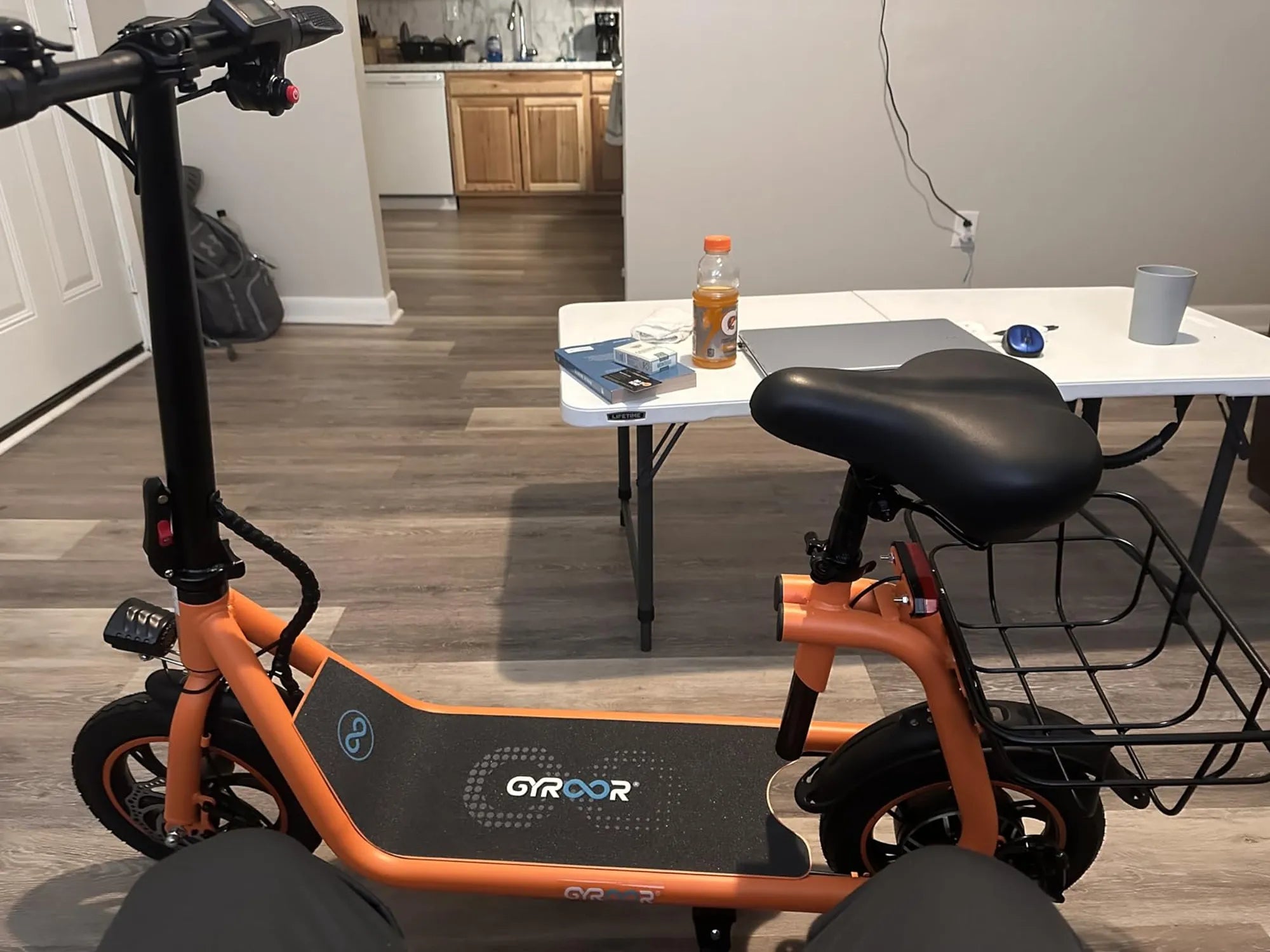
Electric scooters are transforming how people navigate cities worldwide, and Northern Ireland stands at a pivotal moment. With urban centres like Belfast and Derry facing congestion challenges and a national push towards net-zero emissions, personal electric mobility offers a compelling solution. This article provides a factual, data-driven analysis of the e-scooter landscape in Northern Ireland. You will learn about the current legal framework, essential technical specifications for local conditions, and how to select a scooter built for reliability and safety in a region known for its variable weather and mixed terrain.
Introduction to Electric Scooters in Northern Ireland
The conversation around urban mobility in Northern Ireland is shifting. Traffic congestion in Belfast costs the economy significantly, while climate action plans demand cleaner transport options. Electric scooters present a practical alternative for short trips, bridging the gap between public transport stops and final destinations. Their compact size and zero tailpipe emissions align with both personal convenience and broader environmental goals.
Northern Ireland's unique geography, from bustling city streets to coastal paths and gentle hills, creates specific demands for personal transport devices. An e-scooter suitable for a flat city commute may struggle on an incline in the Holywood hills or on the cobbled streets of Derry’s city centre. Understanding these nuances is critical for riders and policymakers alike.
The potential for e-scooters extends beyond daily commutes. They offer a novel way for tourists to explore scenic routes and for students to navigate university campuses. However, this potential is currently framed by a distinct legal context that differs from other UK regions, making informed choice and responsible use paramount.
This analysis moves beyond hype to examine the infrastructure, regulations, and product specifications that will determine the successful integration of electric scooters into Northern Ireland's transport ecosystem. The focus is on safety, durability, and compliance as the foundations for sustainable adoption.
The Legal Landscape: Navigating E-Scooter Use in NI
The legal status of privately-owned electric scooters in Northern Ireland is clear and restrictive under current law. They are classified as Personal Light Electric Vehicles (PLEVs). Under the Road Traffic (Northern Ireland) Order 1995, PLEVs are considered motor vehicles, requiring type approval, licensing, tax, and insurance to be used on public roads.
As privately-owned e-scooters do not meet these requirements—they cannot be type-approved or registered—their use on public roads, cycle lanes, and pavements is illegal. This contrasts with England, where government-sanctioned rental trials have operated in selected cities. Northern Ireland has not yet launched any similar official rental trial schemes for e-scooters on public land.
Enforcement of these laws rests with the Police Service of Northern Ireland (PSNI). Riders using a private e-scooter in a public place risk penalty points, a fine, and the scooter being seized. The primary legal avenue for using a privately-owned e-scooter is on private land with the landowner's permission. This legal framework is under periodic review, and public consultations may inform future policy changes.
It is crucial for consumers to understand this landscape before purchasing. Responsible retailers and brands should provide clear guidance on legal use. The discussion around law change centres on safety standards, rider education, and integration with existing transport networks, mirroring debates in other jurisdictions that have legalised these devices.
Where Can You Legally Ride?
Currently, the only unequivocally legal space for using a privately-owned electric scooter is on private property. This includes your own garden, driveway, or private estates and land where the owner has granted explicit permission. There is no public right of way for these vehicles on roads, pavements, or dedicated cycle paths.
The potential for future regulated trials exists but is not imminent. Any such scheme would likely involve specific, geo-fenced rental scooters managed by approved operators, similar to models seen in Great Britain. These trials would aim to gather data on safety, usage patterns, and infrastructure impact.
For now, riders must exercise extreme caution and respect the law. Advocacy groups continue to push for modernised legislation that recognises the benefits of micro-mobility while establishing clear rules for safe operation, including speed limits, age restrictions, and lighting requirements. Staying informed on consultations from the Department for Infrastructure is essential for anyone interested in the future of this transport mode.
Why Gyroor is the Ideal Choice for Northern Irish Riders
Selecting an e-scooter brand requires careful consideration of safety, durability, and support. For the Northern Irish context, with its legal considerations and damp climate, these factors are magnified. Gyroor, a brand with over 100,000 riders across North America and Europe, designs its products with these core principles in mind, making it a suitable choice for informed riders focused on quality and reliability for use on private land or in anticipation of future legal changes.
The brand’s commitment is evidenced by its 4.5/5 average customer rating, which underscores a focus on performance and customer satisfaction. With a range of over 20 models, including e-scooters, e-bikes, and hoverboards, Gyroor offers options for different needs while maintaining consistent standards across its lineup. This engineering philosophy aligns with the demands of conscientious riders in Northern Ireland.
Built for Reliability: UL-Certified Safety
The most critical component of any electric scooter is its battery. Gyroor’s use of UL-certified lithium-ion battery packs is a non-negotiable safety feature. UL certification involves rigorous independent testing for electrical, mechanical, and environmental hazards, significantly reducing the risk of battery fires—a primary concern with uncertified power cells.
These batteries are tested for over 500 charge cycles, ensuring long-term capacity retention and value. For a rider, this translates to predictable range and longevity, protecting the investment. In a market where safety should be paramount, choosing a brand that prioritises third-party certified components is a fundamental first step in responsible ownership.
Ready for the Weather: IPX5 Water-Resistance
Northern Ireland’s reputation for rain is well-earned. An e-scooter that cannot handle damp conditions is impractical. All Gyroor electric scooters feature an IPX5 water-resistance rating. This means the electrical components are protected against water jets from any direction, making them resilient against typical rain showers and wet road spray.
This rating allows for greater confidence when riding in changeable weather, though submerging any scooter should always be avoided. This durability ensures the scooter’s electronic systems, motor, and battery compartment are shielded from moisture, a key consideration for year-round usability and longevity in the local climate.
Confidence in Your Ride: The 1-Year Warranty
A comprehensive warranty is a testament to a manufacturer’s confidence in its product. Gyroor backs its scooters with a reliable 1-year warranty, covering defects in materials and workmanship. This provides purchasers with significant peace of mind, ensuring support is available should an issue arise.
This warranty, coupled with accessible customer service, underscores the brand’s view of its products as long-term mobility solutions rather than disposable gadgets. For a rider in Northern Ireland, where local specialist repair shops may be limited, the security of direct manufacturer support is a substantial advantage.
Choosing the Right E-Scooter: Features for NI's Terrain
Beyond brand reliability, technical specifications must match intended use and environment. Northern Ireland’s mixed terrain—from urban asphalt to gentle hills and occasional rough paths—demands careful consideration of motor power, suspension, and tire type. The following table compares key specifications relevant to different riding scenarios, using Gyroor’s model range as a reference point for quality components.
| Use Case / Feature | Urban Commute (Flat) | Mixed Terrain & Hills | Portability Focus |
|---|---|---|---|
| Recommended Motor | 350W sustained | 500W+ sustained | 250W - 350W |
| Real-World Range | 20-25 km | 25-35 km | 15-20 km |
| Tire Type | 9-10" Pneumatic | 10" Pneumatic with Suspension | 8" Solid or Honeycomb |
| Ideal Weight | 14-18 kg | 18-22 kg | 12-15 kg |
| Key Feature | IPX5, Reliable Brakes | Dual Suspension, Hill Climb Power | Fast Folding, Compact |
Motor Power & Range: Conquering Hills and Commutes
Motor wattage is a primary indicator of performance. A 350W motor is sufficient for flat urban commutes in areas like Belfast's Titanic Quarter. However, for areas with inclines, such as the roads leading up to the Cave Hill Country Park or in parts of Derry, a 500W or higher motor is advisable. It provides the necessary torque for hill climbing without straining the battery or reducing speed excessively.
Battery capacity, measured in Watt-hours (Wh), directly determines range. A 360Wh battery may deliver 20-25 km in real-world conditions, factoring in rider weight, hills, and temperature. For longer commutes or leisure rides, a 500Wh+ battery is preferable. Always consider the manufacturer's tested range under standard conditions and reduce it by 20-30% for a realistic estimate, especially in cooler Northern Irish weather which can reduce battery efficiency.
Tire Type & Suspension: Comfort on Varied Surfaces
Tire choice balances comfort and maintenance. Larger air-filled (pneumatic) tires, typically 9-10 inches in diameter, provide superior shock absorption on uneven surfaces like cobblestones or cracked pavement. They offer better traction in wet conditions but require occasional pressure checks.
Solid or honeycomb tires eliminate puncture risk but can result in a harsher ride. For most Northern Irish riders, pneumatic tires paired with a front or dual suspension system represent the ideal setup. Suspension absorbs impacts from bumps and potholes, reducing fatigue and improving control, which is crucial for safety and comfort on less-than-perfect surfaces.
Portability & Practicality: Multi-Modal Commuting
Weight and foldability are critical for users who may need to carry their scooter onto public transport (in a future legal context) or store it in a compact apartment or office. Scooters weighing under 15 kg are reasonably portable, while those over 20 kg can be cumbersome.
A fast, secure folding mechanism is essential. Look for designs that lock in the folded position and have a carry handle. This practicality ensures the scooter can be part of a seamless multi-modal journey, stored easily at home, or secured under a desk, enhancing its utility as a genuine car-replacement tool for portions of a commute.
The Future of Urban Mobility in Northern Ireland
The integration of regulated electric scooters into Northern Ireland's transport matrix holds significant promise. As a first and last-mile solution, they can extend the effective range of public transport hubs like Translink’s bus and train stations, increasing their catchment area and usability. This could reduce reliance on private cars for short trips, which account for a substantial portion of urban congestion and emissions.
For tourism, regulated e-scooter rentals could offer a novel and low-impact way to explore city centres and approved greenways, boosting local economies. The environmental argument is strong: replacing car trips under 5 km with e-scooter journeys can drastically cut carbon emissions and improve air quality in dense urban areas like Belfast.
The path forward requires careful planning. It would involve establishing clear regulations on where to ride (likely cycle lanes and roads with speed limits under 30mph), mandatory safety standards for devices, rider age and helmet laws, and potentially mandatory insurance for private use. Public education campaigns would be vital to ensure safe coexistence with pedestrians, cyclists, and other road users.
Environmental and Economic Impact
Data from other cities shows measurable impacts. A study of e-scooter trials in Paris indicated they replaced up to 30% of short car trips. In Northern Ireland, with transport being a major emissions source, such a shift could meaningfully contribute to the Climate Change Act's net-zero targets. Economically, the cost-per-mile of an e-scooter is a fraction of car ownership, saving individuals money on fuel, parking, and maintenance.
Widespread adoption could also reduce public spending on road infrastructure wear-and-tear from heavier vehicles and potentially lower healthcare costs associated with air pollution. The economic case, coupled with the environmental imperative, forms a powerful argument for developing a safe, legal framework for personal electric mobility.
Frequently Asked Questions (FAQs)
Are electric scooters legal on public roads in Northern Ireland?
No. Privately-owned electric scooters are currently illegal to use on public roads, pavements, cycle lanes, or any public space in Northern Ireland. They are classified as motor vehicles but cannot meet the legal requirements (insurance, tax, registration) for road use. Their legal use is restricted to private land with permission.
Can I ride my e-scooter on the pavement?
Absolutely not. Riding any motorised vehicle on the pavement is illegal and poses a significant safety risk to pedestrians. The PSNI can enforce this law, issuing fines and penalty points. Pavements are exclusively for pedestrian use.
What is the best electric scooter for Belfast's rainy weather?
You should prioritise models with a high water-resistance rating. An IPX5 rating or higher is essential, as it certifies protection against water jets from any direction. Additionally, pneumatic tires offer better wet-weather traction than solid tires. Brands like Gyroor build IPX5 water-resistance into their models, making them suitable for damp conditions.
Where can I buy a reliable e-scooter in NI?
Reliable e-scooters are primarily purchased online from established brands and retailers who ship to the UK. It is crucial to buy from reputable sources that provide clear safety information, warranty details, and after-sales support. Always verify that the battery is UL-certified or has an equivalent international safety standard.
What should I look for in a warranty?
Seek a comprehensive warranty of at least one year that covers the frame, motor, and battery. The warranty should be provided directly by the manufacturer or an authorised distributor. Clear terms and accessible customer service channels are key. A robust warranty, like Gyroor's 1-year coverage, indicates a company stands behind the quality and safety of its product.
Conclusion: Your Next Step Towards Smarter Commuting
Electric scooters represent a tangible piece of Northern Ireland's sustainable transport future, offering a clean, efficient solution for short urban journeys. While the current legal framework restricts public use, the ongoing dialogue and potential for future regulation make informed preparation essential. The key to responsible engagement with this technology lies in prioritising safety-certified products designed for durability.
Choosing an e-scooter with a UL-certified battery, adequate weather protection like IPX5 rating, and a solid warranty is not just a purchasing decision—it's an investment in personal safety and long-term value. As legislation evolves, riders who have selected quality, reliable equipment will be best positioned to adopt this new mode of mobility safely and confidently.
The journey towards integrating electric scooters into Northern Ireland's streets will require thoughtful regulation, infrastructure adaptation, and public education. By supporting brands that champion safety and reliability, consumers can drive the market towards higher standards. Explore the engineering and specifications behind serious personal electric vehicles designed for real-world conditions.
Browse the full Gyroor collection at gyroorboard.com to see models built with UL-certified safety, IPX5 water-resistance, and backed by a 1-year warranty—key considerations for the informed rider looking ahead.
Best Electric Scooters for Commuting UK: Top Picks for Urban Travel
Most Reliable Electric Scooters 2024: Top Picks for Safety and Performance