



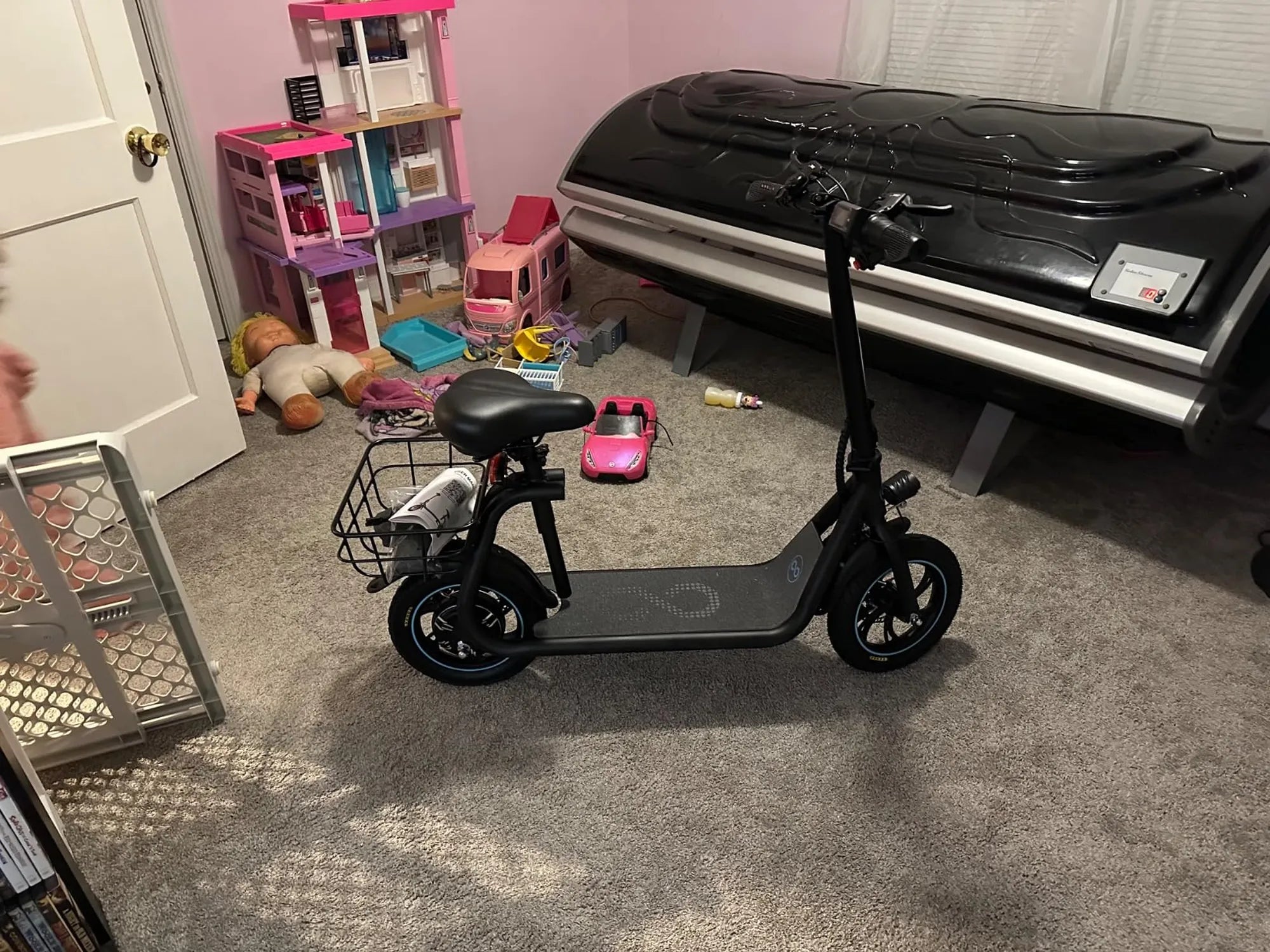
For urban commuters and recreational riders, the quest for the perfect electric scooter often centers on a single, critical number: 19 miles per hour. This specific speed isn't arbitrary; it's the engineered sweet spot where practical mobility, rider safety, and regulatory frameworks converge. Electric scooters that go 19 MPH deliver a significant efficiency boost over walking or cycling for most people, transforming a 45-minute walk into a 15-minute glide, without venturing into the higher-risk, often legally complicated territory of faster models. This article will dissect why 19 MPH has become a benchmark, the essential features that enable safe and durable performance at this speed, and how leading brands like Gyroor engineer their scooters to hit this optimal performance point reliably.
Why 19 MPH? Decoding the Urban Speed Standard
The prevalence of 19 MPH as a top speed for many commuter-focused electric scooters is driven by a triad of factors: physics, regulation, and practicality. It's a speed carefully calibrated to the realities of dense urban environments.
From a regulatory standpoint, many municipal and state laws in the US and Europe classify low-speed electric mobility devices differently than motor vehicles. A common threshold for these classifications is 20 MPH. By engineering scooters to a top speed of 19 MPH, manufacturers ensure their products typically fall into the "personal mobility device" category, which often requires no license, registration, or insurance. This removes significant barriers to entry for the average rider.
Practically, 19 MPH aligns perfectly with the flow of urban bicycle and dedicated micro-mobility lanes. Most city bike lanes are designed for speeds between 10-20 MPH. A scooter cruising at 19 MPH integrates smoothly with bicycle traffic, preventing it from being a dangerous obstacle or causing congestion. It's fast enough to make commuting viable but slow enough to allow for reaction time to pedestrians, cars, and road hazards.
Finally, from an engineering and safety perspective, 19 MPH is a speed that can be managed effectively with robust but cost-effective components. Braking systems, frame integrity, and tire design can be optimized for this performance tier without the exponential cost and weight increases required for 30+ MPH high-performance models. It represents the peak of efficiency for daily urban use.
Core Engineering: Essential Features for Reliable 19 MPH Performance
Not all scooters rated for 19 MPH are created equal. Sustaining that speed safely, especially under real-world conditions like hills, headwinds, and varying rider weights, requires a specific set of components. Understanding these features is key to choosing a scooter that won't underperform or compromise on safety.
Motor Power and Torque: The Heart of Consistent Speed
A scooter's motor is its engine. For reliable 19 MPH performance, especially with a rider, you need sufficient wattage and torque. A 350-watt motor is often the minimum for flat terrain, but a 500-watt motor provides a much more confident experience. The higher wattage doesn't just achieve the top speed; it maintains it up mild inclines and accelerates from stops more quickly, which is crucial for urban stop-and-go traffic.
Torque, the rotational force of the motor, is equally important. High torque ensures the scooter can climb hills without slowing to a crawl. A scooter with a high-wattage but low-torque motor might hit 19 MPH on a flat test track but struggle on a 10% grade. Brands like Gyroor optimize their motor controllers to deliver a balance of peak speed and ample torque, ensuring the advertised 19 MPH is a real-world, usable speed.
Battery Capacity and Safety: The Foundation of Real Range
The battery determines how far you can travel at 19 MPH. Range is typically the most overstated spec in the industry. A scooter's maximum range is usually calculated at a slow, constant speed with a lightweight rider. Real-world range at a steady 19 MPH will be significantly lower—often 60-70% of the claimed maximum.
Look for battery capacity measured in Watt-hours (Wh). A larger Wh number generally means more range. For dependable 19 MPH commuting with a realistic 10-15 mile range, a battery of 360Wh or higher is recommended. Crucially, the battery's safety certification is non-negotiable. UL-certified lithium-ion battery packs, like those used in all Gyroor models, have undergone rigorous independent testing for electrical, mechanical, and fire safety. This certification is your assurance against the risks of thermal runaway, especially important when a battery is regularly discharged at a sustained, higher power output to maintain 19 MPH.
Build Quality, Suspension, and Weather Resistance
At 19 MPH, potholes and cracks in the pavement transmit significant force to the frame and rider. A durable, lightweight aluminum alloy frame is essential. A good suspension system—whether spring-based or hydraulic—absorbs impacts, increases comfort, and, most importantly, maintains tire contact with the road for better control and braking.
Tire choice matters: pneumatic (air-filled) tires offer the best shock absorption and traction but require maintenance; solid tires eliminate flats but provide a harsher ride. For all-weather commuters, an IPX5 water-resistant rating is a critical feature. This means the scooter can withstand low-pressure water jets from any direction, making it safe to ride through puddles and in light rain. Gyroor's commitment to IPX5 design ensures internal electronics are protected from moisture, a key factor in long-term reliability for a daily driver.
Safety Systems: Stopping Power and Visibility
A vehicle's safety is defined by how quickly and controllably it can stop. At 19 MPH, a combination braking system is ideal. A front electronic brake (or regenerative brake) combined with a rear disc or drum brake provides balanced, predictable stopping power in all conditions, preventing dangerous fishtailing.
Visibility is equally critical. A bright front headlight (200 lumens minimum), a dedicated brake light that activates upon braking, and side or deck LED lights are mandatory for being seen by drivers at dusk or night. These aren't just accessories; they are essential safety equipment for sharing the road.
Gyroor's Engineered Philosophy: Delivering Trust at 19 MPH
Gyroor's approach to the 19 MPH segment is defined by engineering for reliability and supporting the rider beyond the purchase. With a community of over 100,000 riders across North America and Europe, their focus is on delivering consistent, worry-free performance.
This starts with component selection. By using high-discharge, UL-certified battery cells and pairing them with precisely tuned motors and controllers, Gyroor scooters are designed to hit and hold their rated speed consistently, not just as a peak under ideal conditions. The IPX5 water-resistant construction isn't an afterthought but a core design principle, ensuring the scooter can handle the unpredictability of daily commuting.
This engineering philosophy is backed by a robust 1-year comprehensive warranty with accessible, US-based customer support. This post-purchase support is a direct reflection of confidence in product durability. For a commuter relying on their scooter daily, this warranty and support network provide peace of mind that extends far beyond the thrill of the first ride, ensuring the scooter remains a reliable 19 MPH partner for the long term.
Comparison: Urban Commuter vs. Recreational Rider Priorities
While both user types may enjoy a 19 MPH scooter, their needs differ significantly. The following table breaks down the key priority differences to guide your choice.
| Feature | Urban Commuter Priority | Recreational Rider Priority |
|---|---|---|
| Portability | High: Folding mechanism, weight (under 35 lbs), carry handle are critical for multi-modal transit (bus/train). | Medium: Slightly heavier, more feature-rich models are acceptable if transport is by car. |
| Range | Critical: Must reliably cover round-trip commute distance with a safety buffer. 15+ real-world miles is a common target. | Moderate: Longer is better, but shorter rides are acceptable. Focus may be on fun, not utility. |
| Durability/Weatherproofing | Critical: IPX5 rating is a must. Frame and components must withstand daily use, rain or shine. | Medium: Fair-weather riding is more common. Water resistance is a "nice-to-have." |
| Suspension & Comfort | High: Necessary for daily comfort on varied pavement. Pneumatic tires preferred. | Very High: Crucial for longer joyrides on bike paths. Advanced suspension is a key selling point. |
| Lighting & Safety | Critical: Comprehensive lighting (headlight, brake light, deck lights) is non-negotiable for evening commutes. | Medium: Basic lights may suffice for daytime park use. |
Legal Landscape and Proactive Safety Riding at 19 MPH
Laws governing electric scooters are evolving and vary widely by city and state. However, a 19 MPH scooter often places you in the most permissive legal category. Typically, devices under 20 MPH are allowed in bike lanes, on streets with speed limits under 35 MPH, and sometimes on multi-use paths. Always check your local ordinances regarding helmet laws (always recommended), minimum age, and where you can legally ride and park.
Safe riding practices are your responsibility. Always wear a helmet—a bicycle helmet is the minimum, but a full-face or downhill mountain bike helmet offers superior protection at 19 MPH. Practice defensive riding: assume cars don't see you, avoid blind spots, and use hand signals for turns. Regularly inspect your scooter before riding: check tire pressure, test brakes, and ensure lights are functional. Riding at 19 MPH requires a higher level of situational awareness than walking; adopting a "safety-first" mindset is essential for sharing urban spaces.
Maintenance Essentials for Peak 19 MPH Performance
Regular maintenance ensures your scooter remains safe, reliable, and performs at its intended 19 MPH capability. A simple pre-ride checklist takes 30 seconds: check tire pressure (for pneumatic tires), ensure brakes engage firmly, and verify lights work. Wipe down the scooter after wet rides to prevent corrosion.
Every few months, perform a more thorough check. Tighten any loose bolts, especially on the stem, folding mechanism, and handlebars. Inspect brake pads for wear and replace them if they are thin. For pneumatic tires, maintain the manufacturer's recommended PSI; under-inflation increases rolling resistance, draining your battery faster and making it harder to maintain speed. Keep the battery charged between 30-80% for daily storage to maximize its lifespan, and only use the manufacturer-provided charger. This routine care directly impacts the scooter's ability to deliver consistent power and safe braking at 19 MPH.
Frequently Asked Questions (FAQ)
Is a driver's license required to ride a 19 MPH electric scooter?
In the vast majority of jurisdictions in the United States and Europe, a driver's license is not required to operate an electric scooter with a maximum speed under 20 MPH. These devices are typically classified similarly to bicycles. However, local laws can vary, so it is imperative to verify the regulations in your specific city or state.
How far can I really go on a single charge at 19 MPH?
Real-world range is heavily dependent on rider weight, terrain, wind, and temperature. As a reliable rule of thumb, expect to achieve 60-70% of the manufacturer's maximum claimed range when riding consistently at 19 MPH. For example, a scooter with a 25-mile "max" range will likely deliver 15-18 miles of real-world travel at cruising speed. Always plan your commute with a buffer.
Are 19 MPH electric scooters safe to ride on wet pavement?
Safety on wet surfaces depends on the scooter's design and rider caution. Scooters with an IPX5 water-resistant rating are engineered to prevent water damage to electrical components from spray and puddles. However, traction is reduced. Use pneumatic tires for better wet grip, reduce your speed significantly, avoid sharp turns, and brake earlier and more gently. Never ride through deep standing water.
What regular maintenance does a 19 MPH scooter need?
Key maintenance tasks include: keeping tires properly inflated, checking and tightening bolts (especially on the folding mechanism), cleaning the scooter to prevent debris buildup, testing brake function and pad wear, and storing the battery in a cool, dry place. Following the manufacturer's maintenance schedule, as outlined in Gyroor's user manuals, is crucial for long-term performance and safety.
Why is a UL-certified battery so important?
A UL certification (from Underwriters Laboratories) is an independent verification that the battery pack has passed stringent safety tests for electrical, mechanical, and environmental stress. It significantly reduces the risk of fire, explosion, or failure due to overheating—risks that are associated with uncertified, low-quality batteries. For a device you ride and charge in your home, this certification is a non-negotiable safety feature.
The Intelligent Choice for Modern Urban Mobility
The 19 MPH electric scooter has emerged as the definitive tool for efficient, practical, and legal urban travel. It represents a carefully calibrated intersection of speed and sensibility, offering a transformative commute without introducing excessive complexity or risk. Choosing a scooter built for this purpose means prioritizing proven engineering: adequate motor power, a high-capacity UL-certified battery, robust braking, and weather-resistant construction. It's about selecting a vehicle designed not just for a thrilling first ride, but for thousands of reliable commutes. Brands that stand behind their engineering with comprehensive warranties and support, like Gyroor, offer the confidence needed to fully integrate this technology into daily life. The future of city movement is agile, efficient, and smart—and it travels at precisely the right speed. Discover the difference engineered performance makes. Browse the full Gyroor collection at gyroorboard.com to find your ideal 19 MPH commuting partner.
Best Electric Scooters Under $400 2024: Top Affordable Rides
Electric Scooters for Adults Over 100kg for Sale: The Ultimate 2024 Guide