



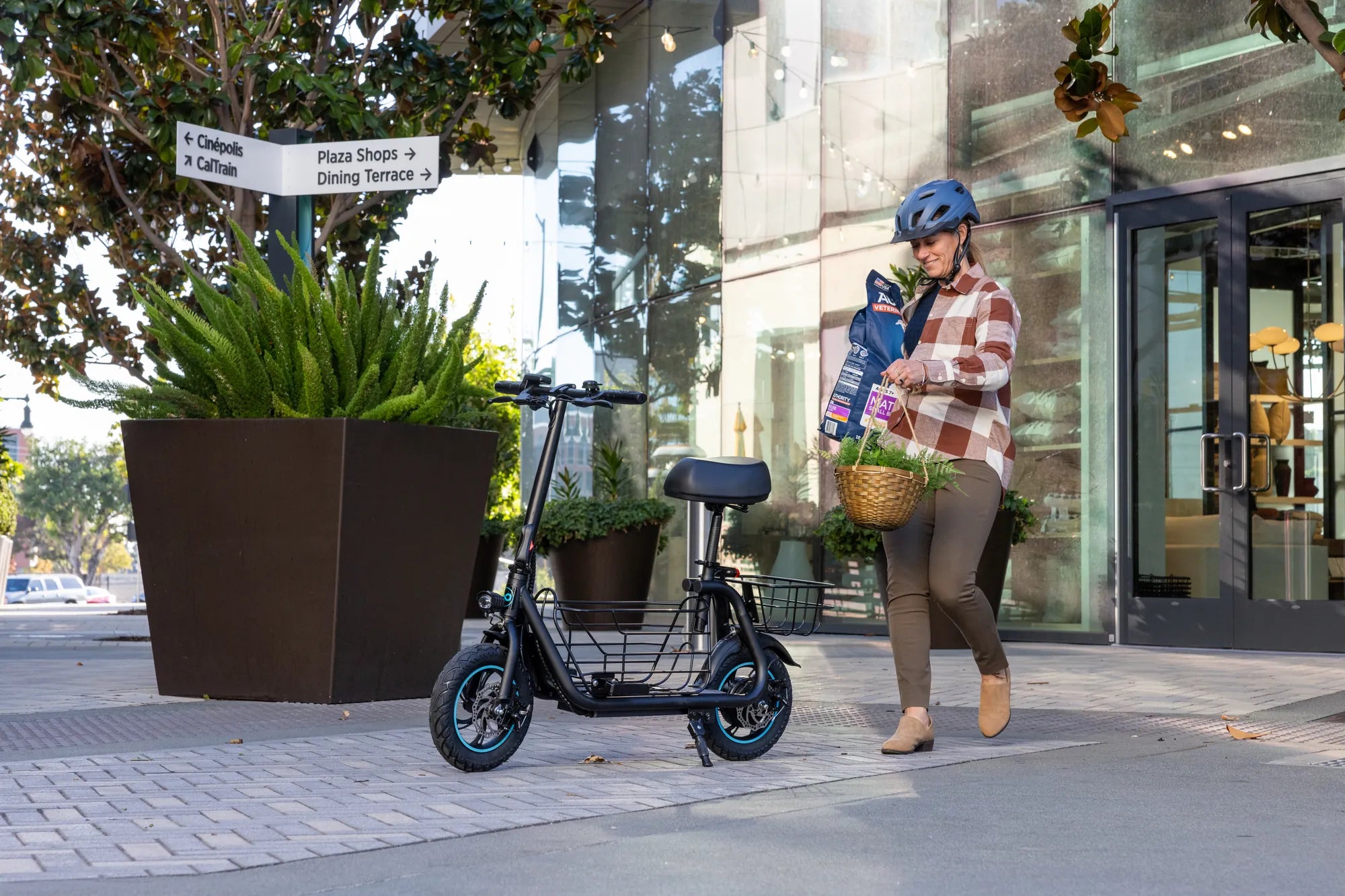
Introduction: Conquering the Climb with Electric Scooters
Navigating an incline on an electric scooter transforms a leisurely ride into a test of engineering and strategy. The common challenge of riding electric scooters uphill isn't just about speed—it's about understanding the intricate balance of power, torque, and battery management. For commuters and recreational riders alike, a hill can be a significant obstacle or a conquered challenge, depending on your scooter's capabilities and your knowledge.
This article provides a comprehensive analysis of electric scooters uphill performance, the inherent challenges, and actionable tips for riding on slopes. We'll dissect the key technical factors, from motor specifications to rider weight, that determine success on an incline. Positioning is key; brands like Gyroor design their models with real-world terrain in mind, focusing on UL-certified safety and robust performance to meet these demands head-on.
You will learn how to evaluate a scooter's hill-climbing potential, optimize your riding technique for efficiency and safety, and extend the lifespan of your vehicle. Whether your daily route includes gentle slopes or steep grades, mastering the climb ensures a reliable and enjoyable riding experience. Let's delve into the mechanics and methods that make conquering hills not just possible, but routine.
The Science of the Slope: Key Factors Affecting Uphill Performance
Successfully riding electric scooters uphill hinges on more than a powerful motor. It's a complex interplay of physics and engineering where several key components must work in harmony. Understanding these factors moves you from guessing to knowing exactly what your scooter can handle.
The primary challenge is overcoming gravity. As the slope angle increases, the force required to move the combined weight of the scooter and rider upward grows exponentially. This demand directly stresses the motor, battery, and controller, making their specifications and synergy critically important.
Motor Power and Torque: The Heart of the Climb
While wattage (e.g., 350W, 500W) is a common marketing metric, torque is the true hero for hill climbing. Motor power (watts) indicates the rate of work, but torque (Newton-meters) is the rotational force that gets the wheel moving from a standstill and pushes against gravity.
Think of torque as the strength to start pedaling a heavy bike uphill, while power is the ability to maintain speed. A high-torque motor provides the necessary thrust to initiate and sustain a climb, especially from a dead stop on an incline. Many commuter scooters feature nominal power ratings but can deliver significantly higher peak power and torque for short bursts, which is essential for tackling slopes.
Dual-motor scooters essentially double this torque output by engaging two motors simultaneously, offering unparalleled hill-climbing ability. However, this comes at the cost of significantly higher battery consumption. For most urban hills, a robust single motor with high torque output is often sufficient and more energy-efficient.
Battery Voltage and Controller Efficiency
The battery is the power reservoir, and its voltage is like water pressure in a hose. A higher voltage system (e.g., 48V or 52V) compared to a standard 36V system can deliver power more efficiently to the motor. This efficiency translates to less voltage sag under the high-current demand of a climb, helping the motor maintain its torque and power output.
The controller acts as the brain, regulating the flow of electricity from the battery to the motor. A high-quality, programmable controller manages amperage (current) intelligently. During a steep climb, it ensures the motor receives maximum safe current without overheating the components. Inefficient controllers can throttle power prematurely or cause dangerous heat buildup, leading to performance loss or shutdowns.
Weight and Terrain: The Variables You Control
The total system weight—rider weight plus any cargo—is a massive variable. Every extra pound increases the gravitational pull the motor must fight. A 200 lb rider will experience markedly different performance on the same scooter and hill than a 130 lb rider.
Terrain gradient, measured as a percentage, quantifies the steepness. A 10% grade means a 10-foot vertical rise over a 100-foot horizontal distance. Surface conditions also matter; rough pavement or loose gravel increases rolling resistance, further sapping power. Understanding these variables allows for realistic expectations and better route planning, which is crucial for managing electric scooters uphill challenges.
Gyroor's Engineering Edge: Built for Inclines
Applying the principles of hill-climbing science, Gyroor engineers its electric scooters to deliver reliable performance on slopes. The brand's focus on core components and safety certifications translates directly to capable and confident riding in varied urban topographies, addressing the specific demands of riding electric scooters uphill.
With over 100,000 riders trusting the brand across North America and Europe, Gyroor's design philosophy prioritizes real-world durability. This is achieved not through a single feature, but through a systems-approach where the battery, motor, and controller are matched for harmonious performance under load.
UL-Certified Battery Packs: Sustained Power Delivery
Gyroor's use of UL-certified lithium-ion battery packs is a cornerstone of its uphill performance. UL certification involves rigorous testing for safety and performance, including stability under high discharge rates. When climbing a hill, the motor draws a high, sustained current.
Cheap, uncertified batteries often experience significant voltage sag under this load, causing a rapid drop in available power and speed. Gyroor's batteries are engineered to maintain a more stable voltage curve, providing consistent power delivery throughout the climb. This not only improves performance but also protects the battery cells from stress that can shorten their lifespan, which is typically tested for over 500 charge cycles.
Robust Motor Systems and Thermal Management
Gyroor matches its motors with robust controllers capable of handling sustained high-torque output. This synergy ensures that when you demand power on a slope, the system responds without hesitation or dangerous power cut-offs. The motors are built with quality materials and windings that resist heat buildup.
Furthermore, the scooters' design incorporates thermal management principles. Features like aluminum alloy frames act as heat sinks, and well-ventilated deck designs help dissipate the excess heat generated during extended climbs. This proactive approach to thermal management prevents overheating, a common cause of motor failure and reduced performance on challenging inclines.
IPX5 Water-Resistant Design: Reliability in All Conditions
Hill climbing often occurs in real-world conditions, which can include wet roads or light rain. Gyroor's IPX5 water-resistant rating ensures that critical electrical components—the motor hub, controller casing, and battery compartment—are protected from water jets from any direction.
This protection is vital for reliability. Moisture ingress is a leading cause of electrical shorts and controller failure. By safeguarding the system, Gyroor ensures that the scooter's hill-climbing prowess isn't compromised by damp conditions, offering riders peace of mind and year-round usability on diverse terrains.
Practical Rider's Guide: Maximizing Performance and Safety on Hills
Knowledge of your scooter's specs must be paired with skilled riding technique. This guide provides actionable steps to tackle slopes efficiently, extend your scooter's range, and ensure your safety while managing the challenges of electric scooters uphill.
Proper preparation and technique can mean the difference between a smooth ascent and walking your scooter up the hill. These practices also reduce strain on the motor and battery, contributing to the long-term health of your vehicle.
Pre-Ride Preparation and Route Planning
Before heading out, use mapping applications like Google Maps or specialized cycling apps that display elevation profiles. Identify the gradients on your planned route. As a rule of thumb, most commuter-focused electric scooters comfortably handle slopes between 10-15%.
Check your tire pressure. Properly inflated tires (to the PSI listed on the tire wall) minimize rolling resistance, conserving battery power. Ensure your battery is adequately charged, understanding that a hilly route will consume 30-50% more energy than a flat one. Knowing the limits of your specific model, such as its published gradeability rating, is essential for planning.
Riding Techniques for Optimal Climbing
- Gain Momentum: Approach the hill with as much safe speed as possible on the flat section before it. This kinetic energy helps carry you up the initial part of the slope, reducing the initial torque demand on the motor.
- Steady Throttle Application: Once climbing, apply the throttle smoothly and maintain steady pressure. Avoid "pulsing" the throttle, as this causes inefficient power surges and can confuse the controller.
- Body Positioning: Shift your weight forward over the front of the deck. This improves traction on the front wheel and helps keep the scooter stable. Crouching slightly reduces wind resistance.
- Manage Speed Expectations: Accept that you will climb slower than your top speed. Maintaining a moderate, consistent pace is more efficient and safer than trying to force maximum speed, which can overheat the motor.
Battery Management and Post-Climb Care
Monitor your battery indicator during the climb. It's normal for it to drop faster. If you have a long ride home, conserve power on subsequent downhill sections by using regenerative braking if your scooter has it. Avoid draining the battery to absolute zero on a hill, as this can be stressful for the cells.
After a demanding climb, especially on a hot day, give your scooter a few minutes to rest. This allows the motor and controller to dissipate residual heat. While Gyroor's thermal management handles this well, the practice extends component life. If you need a partial recharge mid-journey, use the manufacturer's recommended charger.
Data-Driven Comparison: What to Realistically Expect
Setting realistic expectations is key to satisfaction and safety. The following data provides a general framework for what different rider profiles can anticipate when tackling slopes on a typical commuter scooter with a 500W+ motor, like many in Gyroor's lineup.
Remember, these are estimates. Actual performance depends on specific motor torque, battery condition, temperature, and riding style. This table helps visualize the trade-offs inherent in riding electric scooters uphill.
| Rider & Scenario Profile | Slope Gradient | Expected Climb Speed* | Impact on Total Range | Key Consideration |
|---|---|---|---|---|
| Light Rider (under 160 lbs / 73 kg) | 10% (Moderate Hill) | 8-12 mph | 25-35% reduction | Comfortable climb for most scooters; good speed retention. |
| Light Rider (under 160 lbs / 73 kg) | 15% (Steep Hill) | 5-8 mph | 35-50% reduction | Noticeable strain; steady pace required. |
| Heavy Rider (over 200 lbs / 91 kg) or with Cargo | 10% (Moderate Hill) | 6-10 mph | 35-45% reduction | Motor will be working near capacity; significant range loss. |
| Heavy Rider (over 200 lbs / 91 kg) or with Cargo | 15% (Steep Hill) | 3-6 mph (or may stall) | 50%+ reduction | Challenging; may require dismounting. Dual-motor or high-torque models recommended. |
*Speed assumes a scooter with a 15-20 mph top speed on flat ground.
The Trade-Off: Hill Power vs. Range
The data above highlights the most critical trade-off: power consumption. Climbing a hill requires significantly more energy from the battery than riding on flat ground. The constant high-current draw depletes the battery's capacity much faster.
As a practical planning rule, if your commute is consistently hilly, you should expect your scooter's maximum advertised range to be reduced by 30-50%. For example, a scooter rated for 20 miles on flat terrain may only achieve 10-14 miles on a hilly route. Always plan your trips with a substantial range buffer to avoid being stranded with a depleted battery.
Safety Protocols for Hill Descents
While much focus is on climbing, descending safely is equally important and presents its own risks, primarily related to speed control and braking. Mastering downhill technique is a non-negotiable aspect of riding electric scooters uphill and back down.
Gravity will accelerate your scooter rapidly on a descent. The primary goals are to maintain control, prevent brake overheating (fade), and avoid speed wobble. A controlled descent protects both you and your scooter's mechanical systems.
Braking Technique and System Use
Use both brakes simultaneously, with emphasis on the rear (electronic or drum) brake. The front brake (often disc) is more powerful but can cause a loss of traction and a forward pitch if applied too aggressively. Apply brakes intermittently rather than constantly dragging them.
For scooters with regenerative braking, engage it on descents. This feature converts kinetic energy back into electrical energy to slightly recharge the battery, while also providing progressive braking force that doesn't overheat physical brake pads. It's an efficient way to manage speed on long hills.
Body Positioning and Speed Management
Shift your weight slightly back and lower your center of gravity by bending your knees. This stabilizes the scooter and prevents a nose-heavy feeling. Keep a firm but relaxed grip on the handlebars to dampen vibrations and maintain steering control.
Never descend a hill at a speed faster than you are comfortable stopping from. If you feel the scooter beginning to wobble, gradually reduce speed by applying light brake pressure—do not jerk the brakes. Scan the path ahead for obstacles, as stopping distances increase dramatically on a slope.
Long-Term Maintenance for Hilly Commutes
Regular use on hills constitutes strenuous activity for an electric scooter. Proactive maintenance is crucial to ensure longevity and consistent performance. Riders who frequently tackle inclines should adhere to a more vigilant care schedule.
Focus on components that experience increased wear: brakes, tires, and the motor/battery thermal management system. A little preventative care goes a long way in preserving the investment and safety of your vehicle, especially when regularly facing the challenge of electric scooters uphill travel.
Brake and Tire Inspection
Brake pads wear down faster with frequent use on hills due to the greater demand for speed control. Check pad thickness monthly if you ride hills daily. Listen for grinding sounds and note increased stopping distances, which indicate needed replacement.
Inspect tires weekly for wear, cuts, and proper inflation. Under-inflated tires increase rolling resistance, making climbs harder and descents less stable. Worn tread reduces traction, which is critical for safety on both wet and dry inclines. Rotate tires if possible to ensure even wear.
Battery and Motor Care
Although Gyroor's batteries are durable, avoid consistently draining them to 0% after a hard climb. Try to recharge when the battery level reaches 20-30%. Store the scooter in a cool, dry place, as extreme temperatures can affect battery chemistry and performance.
Periodically check the motor hub for debris and unusual noises. While hub motors are largely sealed, keeping the area clean aids in heat dissipation. After particularly strenuous rides, physically feel the motor hub (carefully, it may be hot). If it seems excessively hot to the touch frequently, it may indicate a need to have the system checked, a service covered under Gyroor's reliable 1-year warranty for defects.
FAQ: Electric Scooters on Hills
Anticipating common concerns, here are clear answers to frequent questions about the performance and care of electric scooters uphill.
What is the steepest hill an electric scooter can climb?
The maximum grade depends on motor torque, total weight, and traction. Most quality commuter scooters with 350W-500W motors can handle 10-15% grades. Performance models with dual motors or high-torque single motors can tackle 20-25% or even steeper slopes. Always check the manufacturer's published "gradeability" or "hill-climb" specification for your specific model.
Will riding uphill damage my electric scooter's motor?
Not if done within the scooter's design limits. Modern scooters from reputable brands like Gyroor have thermal protection in the controller that will reduce power (thermal throttling) to prevent motor damage from overheating. However, consistently overloading the motor on extreme hills beyond its rating can accelerate wear. Using an appropriately powered scooter for your terrain is key to long motor life.
How can I calculate if my scooter can handle my regular commute hill?
Use an online gradient calculator. Input the street addresses at the bottom and top of your hill. It will give you the average gradient percentage. Compare this number to your scooter's gradeability rating in the manual or specs sheet. If your hill is at or below that rating, your scooter should manage it. Always do a test run in safe conditions first.
Does frequent hill climbing void the warranty?
No, not for a reputable brand. Gyroor's 1-year comprehensive warranty covers defects in materials and workmanship under normal use, which includes riding on reasonable inclines. The warranty is designed to support the product's advertised capabilities. Abuse, such as attempting to climb grades far beyond the scooter's rating or modifying the motor, could void coverage, but normal hill climbing is expected use.
Should I get a dual-motor scooter if I live in a hilly area?
It is a highly recommended option for very hilly terrain or heavier riders. Dual motors provide dramatically improved torque and climbing ability, making steep hills feel like gentle slopes. The trade-off is higher cost, increased weight, and reduced range if both motors are used constantly. For moderate hills, a high-quality single-motor scooter with ample torque, like several Gyroor models, is often perfectly sufficient and more energy-efficient.
Smart Riding for Every Hill
Successfully navigating slopes on an electric scooter is a blend of informed equipment choice and skilled technique. Understanding the science behind motor torque, battery performance, and weight dynamics allows you to select a scooter that matches your terrain, such as those from Gyroor engineered with UL-certified batteries and robust thermal management for reliable climbs.
By applying practical riding tips—gaining momentum, using a steady throttle, and planning your route—you maximize both safety and efficiency. Remember the inherent trade-off: conquering hills consumes battery range, so plan accordingly. Regular maintenance, especially on brakes and tires, becomes paramount for those who frequently challenge gravity.
Ultimately, with the right knowledge and a capable machine, hills transform from obstacles into engaging features of your journey. You can confidently tackle your urban landscape, knowing your scooter is built for the task and you have the skills to ride it well.
Ready to find an electric scooter built to conquer your commute? Browse the full Gyroor collection, featuring models engineered for performance and safety on all terrains, at gyroorboard.com.
Are Electric Scooters Legal in Northern Ireland? Exploring the Rules and Regulations
Does Seattle Have Electric Scooters? Exploring the City's Micromobility Options