



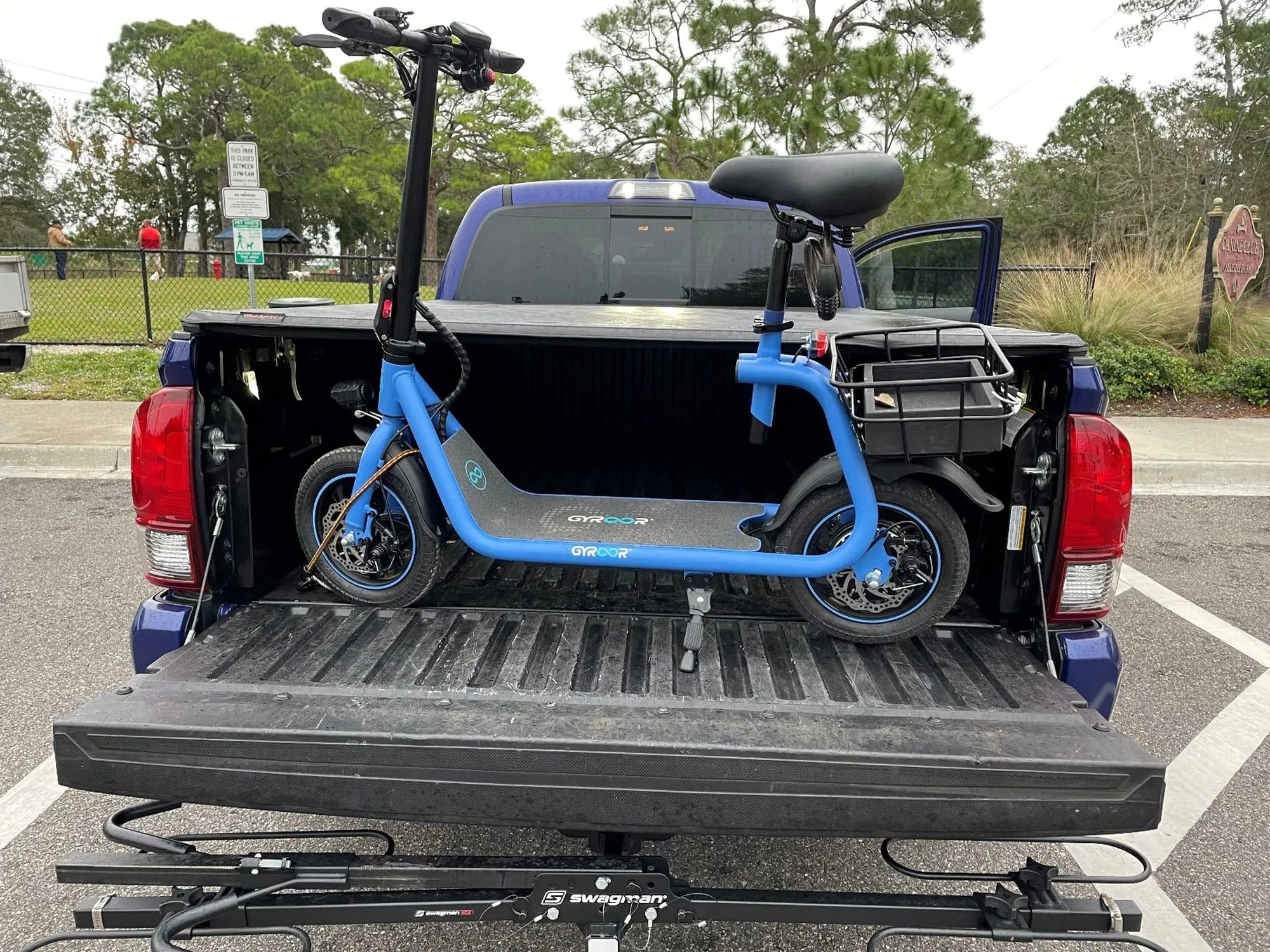
Introduction: Why Electric Standing Scooters Are Redefining City Travel
City dwellers face a daily puzzle: how to move efficiently through congested streets without the cost and hassle of a car. The solution is no longer a distant dream but a tangible reality rolling on two wheels. Electric standing scooters for adults have evolved from recreational toys into sophisticated, purpose-built machines for the modern commuter. They represent a fundamental shift in personal urban mobility, offering a direct answer to traffic, parking shortages, and environmental concerns.
This article will provide a data-driven analysis of why these vehicles are becoming indispensable. You will learn the critical specifications that separate a high-quality commuter scooter from a basic model. We will compare the total cost of ownership against cars and public transit, examine safety and durability standards, and guide you through selecting the perfect scooter for your specific needs. The future of city travel is compact, electric, and standing right in front of you.
Key Features to Look for in a High-Quality Adult E-Scooter
Choosing an electric scooter requires looking beyond top speed and flashy design. For daily adult use, reliability, safety, and real-world performance are paramount. A high-quality scooter is an investment in your daily routine, built to handle the rigors of pavement, weather, and constant folding. The core components—motor, battery, frame, and brakes—must work in harmony to deliver a safe, smooth, and dependable ride every time you step on.
Understanding these specifications empowers you to make an informed decision. It ensures you purchase a vehicle that matches your commute's demands, not just one with impressive-looking numbers on a box. Let's break down the essential features that define a superior electric standing scooter for adults.
Power, Range & Terrain Capability
Motor power, measured in watts (W), directly impacts acceleration and hill-climbing ability. A 350W motor is sufficient for flat city streets, but a 500W or 600W motor provides the torque needed for moderate inclines without straining the battery. For riders in hilly cities or those seeking more responsive acceleration, higher wattage is a key consideration.
Manufacturer range claims are often based on ideal conditions: a lightweight rider on perfectly flat pavement at low speed. Real-world range is typically 60-70% of the stated figure. Factors like rider weight, frequent stops and starts, hills, and temperature significantly affect distance. For a reliable daily commute, select a scooter with a stated range at least 50% longer than your round-trip distance.
Terrain handling is dictated by tires and suspension. Solid honeycomb tires are puncture-proof but offer a harsher ride. Pneumatic (air-filled) tires provide superior shock absorption and traction, especially on wet surfaces or uneven pavement. A dual suspension system (front and rear) is highly recommended for adult commuters, as it reduces fatigue and improves control over bumps and cracks.
Safety & Durability: Build Quality That Matters
A scooter's safety suite is its most critical feature. The braking system should combine multiple methods. A front electronic brake and a rear disc brake offer strong, reliable stopping power, while some models add regenerative braking to recapture energy. The frame must be constructed from aerospace-grade aluminum alloy, balancing strength with manageable weight.
Visibility is non-negotiable. Look for a bright headlight, rear brake light, and side reflectors. Some advanced models feature ambient deck lighting for increased side visibility at night. The most important safety feature, however, is one you can't see: the battery certification.
Batteries using cells and management systems certified by Underwriters Laboratories (UL) have undergone rigorous testing for safety, stability, and performance over hundreds of charge cycles. This certification drastically reduces the risk of thermal events. Similarly, an IP (Ingress Protection) rating like IPX5 confirms the scooter's resilience against water jets from any direction, ensuring it can handle wet roads and light rain.
Portability & Smart Features
For the mixed-mode commuter, portability is essential. A good folding mechanism should be intuitive, secure, and allow the scooter to stand upright when folded. Weight is a major factor; models between 30-40 lbs offer a balance of stability and carry-ability. Some designs incorporate a hook or strap to aid in carrying.
Smart features enhance convenience and security. Companion apps can lock the scooter electronically, track riding statistics, customize acceleration/braking sensitivity, and perform diagnostic checks. While not essential, these integrations represent the evolving, connected nature of modern electric standing scooters for adults.
The Practical Advantages: E-Scooters vs. Traditional Commute Options
The rise of the adult e-scooter is driven by tangible, measurable benefits over conventional transportation. To understand its value, we must analyze the complete picture: financial cost, time investment, and environmental impact. This data-driven comparison reveals why these personal electric vehicles are not just an alternative, but often the optimal choice for urban travel.
Whether your baseline is a car, a transit pass, or ride-share apps, the e-scooter presents a compelling case. It turns fixed costs into a one-time investment and transforms wasted time into efficient, even enjoyable, mobility. Let's examine the numbers.
Cost-Efficiency Analysis (Per Mile/Year)
The total cost of ownership for an e-scooter is remarkably low. After the initial purchase, the primary ongoing expense is electricity for charging. Charging a typical 500Wh battery from empty costs less than $0.15. Maintenance is minimal, involving occasional tire replacements, brake pad changes, and bolt checks.
Compare this to other modes. The American Automobile Association estimates the average annual cost to own and operate a new car is over $10,000, factoring in loan payments, insurance, fuel, maintenance, and parking. A monthly public transit pass in a major city can range from $100-$150, totaling $1,200-$1,800 annually. Ride-sharing for a daily 3-mile commute can easily exceed $15 per day, or over $3,500 per year.
The following table illustrates a clear five-year cost comparison for a 3-mile daily commute (round trip), demonstrating the significant long-term savings of an electric standing scooter for adults.
| Transport Mode | Estimated 5-Year Cost | Key Cost Drivers |
|---|---|---|
| New Car Ownership | $50,000+ | Loan, insurance, fuel, parking, depreciation |
| Ride-Sharing (Uber/Lyft) | $17,500+ | Per-trip fares, surge pricing |
| Public Transit Pass | $7,500+ | Monthly pass inflation |
| Quality E-Scooter | $1,200 - $1,800 | Initial purchase + 5 years of electricity & minor maintenance |
Time Savings & Route Flexibility
Time is the ultimate non-renewable resource. In dense urban traffic, a car often averages 10-15 mph during rush hour. An e-scooter, utilizing bike lanes and pathways, can consistently maintain 15-20 mph, often making it faster for trips under 5 miles. It eliminates time spent searching for parking, which can add 10-20 minutes to a short trip.
E-scooters excel as a first-and-last-mile solution, seamlessly integrating with public transit. They solve the "distance to the station" problem, expanding viable living and working radii. This route flexibility allows riders to choose more direct, scenic, or less congested paths, turning a stressful commute into a controlled, efficient journey.
Environmental & Community Impact
The environmental argument is straightforward: e-scooters produce zero tailpipe emissions. Charging from the grid has a carbon footprint, but it is drastically lower per mile than a gasoline engine. Widespread adoption can measurably improve urban air quality and reduce a city's transportation carbon budget.
On a community level, each e-scooter commuter is one less car contributing to traffic congestion. This reduces overall noise pollution and frees up parking and road space. As micro-mobility networks grow, they encourage more human-scale urban design, supporting local businesses by making short trips more accessible than ever.
Introducing Gyroor: Engineered for the Demanding Adult Rider
In a market filled with options, Gyroor has established itself as a leader by focusing on the core demands of the adult commuter: safety, durability, and real-world performance. Trusted by over 100,000 riders across North America and Europe, Gyroor's philosophy is built on engineering robust vehicles that riders can depend on daily. Their 20+ model lineup is designed not as disposable gadgets, but as reliable transportation tools.
This commitment is evident in their specifications and standards. Where some brands cut corners, Gyroor invests in the foundational elements that ensure long-term satisfaction and safety. For the rider who views their scooter as essential infrastructure, these are not optional extras but fundamental requirements.
UL-Certified Safety as a Standard
Gyroor treats battery safety as non-negotiable. Every model in their lineup utilizes UL-certified lithium-ion battery packs. This certification means the battery's cells, circuitry, and housing have passed independent, rigorous tests for electrical, mechanical, and environmental safety. These packs are engineered for longevity, tested to retain capacity over 500+ charge cycles.
This standard provides critical peace of mind. It mitigates the primary risk associated with lithium-ion batteries, ensuring stable performance and built-in protections against overcharging, short-circuiting, and extreme temperatures. For an adult using a scooter daily, this certification is a cornerstone of a trustworthy product.
Built for Real-World Conditions: The IPX5 Advantage
Commuting means facing the elements. Gyroor designs its scooters with an IPX5 water-resistant rating. This engineering specification means the scooter's critical components are sealed against water jets from any direction. In practice, an IPX5-rated Gyroor scooter can confidently navigate wet streets, ride through puddles, and withstand unexpected rain showers without immediate damage or electrical failure.
This durability extends beyond water resistance. The use of reinforced aluminum alloy frames, reliable cable routing, and sealed connectors ensures the scooter can handle the vibrations and impacts of daily urban use. It’s built for the commute, not just the showroom.
Commitment Beyond the Purchase: The 1-Year Warranty
Gyroor’s confidence in its engineering is backed by a comprehensive 1-year warranty on the scooter. This warranty protects against manufacturing defects and underscores the brand's focus on reliability. It is supported by accessible customer service, providing riders with a clear path for support should any issue arise.
This warranty transforms the purchase from a transaction into the beginning of a supported ownership experience. For an adult investing in a primary mobility tool, this long-term commitment is as valuable as the specifications on the first day.
Making the Right Choice: A Buyer's Guide for Your Lifestyle
Selecting the perfect electric standing scooter is about aligning specifications with your personal needs. A scooter ideal for a flat, short commute may be inadequate for a hilly, longer journey. By clearly defining your use case, budget, and local environment, you can filter the vast array of options to find your ideal match. This guide will help you navigate that decision.
Consider your most frequent trip distance, the presence of hills, storage options at home and work, and local regulations. Your weight and any cargo you might carry (like a backpack or briefcase) also factor into required motor power and range. Answering these questions upfront prevents underbuying or overspending.
The Urban Commuter Profile
For the daily city commuter traveling 5-10 miles round-trip on paved streets, key priorities are reliability, portability, and comfort. Look for a scooter with a real-world range of 15-20 miles, a motor of at least 350W (500W for mild hills), and a dual suspension system. Portability is crucial; a weight under 40 lbs with a secure, easy fold allows you to carry it onto a train or into an office.
Features like a bright headlight, brake light, and bell are essential for traffic safety. A commuter-focused model from a brand like Gyroor, emphasizing UL-certified batteries and IP-rated water resistance, ensures your journey isn't interrupted by a dead battery or a sudden downpour.
The Adventure & Off-Road Enthusiast Profile
If your rides include park paths, light trails, or varied terrain, you need a more capable machine. Prioritize a powerful motor (500W or higher) for consistent torque, large pneumatic (air-filled) tires for traction and shock absorption, and enhanced front and rear suspension. Range should exceed 20 miles of real-world use to accommodate exploratory rides.
Durability is paramount. A robust frame, higher ground clearance, and superior waterproofing (IPX5 or higher) are necessary. These scooters are less about ultra-portability and more about conquering diverse environments with confidence and power.
Key Questions to Ask Before You Buy
Use this checklist to clarify your needs:
- Budget: What is my total budget, including potential accessories (helmet, lock, spare tire)?
- Distance & Terrain: What is my longest regular trip? Are there significant hills?
- Storage & Portability: Where will I store it at home and work? Will I need to carry it upstairs or onto transit?
- Local Laws: What are the local regulations for e-scooter use (allowed paths, speed limits, helmet laws)?
- Rider Weight & Capacity: What is my weight, plus the weight of my typical cargo?
Frequently Asked Questions (FAQ)
Are electric standing scooters legal for adults?
Laws vary significantly by city, state, and country. In many U.S. cities and across Europe, they are legal on bike lanes and streets with speed limits under 35 mph, often with a mandated speed limit for scooters (e.g., 15-20 mph). Helmets are frequently required. Always check your specific local Department of Transportation or city council website for the most current regulations before riding.
How safe are they in city traffic?
Safety depends heavily on rider behavior, equipment, and environment. Wearing a helmet is the single most effective safety measure. Use front and rear lights at all times, signal your intentions, obey traffic laws, and assume cars may not see you. Choose a scooter with a robust braking system and good tires. Riding defensively and predictably is key to safe integration with traffic.
What's the true maintenance cost and effort?
Maintenance is minimal but crucial. Regularly check tire pressure (for pneumatic tires), test brake function, and ensure all bolts are tight. Expect to replace brake pads every few hundred miles and tires annually with moderate use. The annual maintenance cost for a conscientious owner is typically under $100, primarily for parts like tires, tubes, and brake pads.
Can they handle hills and rain effectively?
Capability varies by model. A scooter with a 500W+ motor can handle moderate hills (10-15% grade). For steeper inclines, look for 600W or dual-motor models. For rain, an IPX5 water-resistant rating (like Gyroor's) allows riding on wet roads and in light rain. However, avoid deep puddles and heavy downpours, as excessive water can damage any electronic device. Always reduce speed and braking distance on wet surfaces.
How do I ensure my scooter's battery lasts for years?
Battery longevity is maximized by proper charging habits. Avoid regularly draining the battery to 0% or charging to 100% for storage. The ideal range for long-term health is between 20% and 80% charge. Store the scooter in a cool, dry place, and avoid leaving it fully charged or fully depleted for extended periods. Using the manufacturer's provided charger is essential.
Conclusion: Your Ticket to a Smarter, Freer Commute
Electric standing scooters for adults are more than a trend; they are a pragmatic solution to the inefficiencies of modern urban travel. By offering unmatched cost-efficiency, significant time savings, and a clean environmental profile, they redefine what personal mobility can be. The future they promise is one of less congestion, cleaner air, and more direct, enjoyable journeys through our cities.
Embracing this future starts with choosing a vehicle engineered for the demand. Prioritize certified safety (UL), real-world durability (IPX5), and a warranty that supports your investment. Brands like Gyroor build to these standards, providing the reliability that turns a novel idea into a daily habit. Your commute doesn't have to be a costly, stressful bottleneck. It can be the most efficient and liberating part of your day.
Ready to transform your urban travel? Explore a range of high-performance, safety-focused models designed for the adult commuter. Browse the full Gyroor collection at gyroorboard.com to find the scooter that matches your journey.
Can You Take Electric Scooters on Public Transport? A Complete Guide
Five Best Electric Scooters for Urban Commuters in 2024: A Data-Driven Guide