



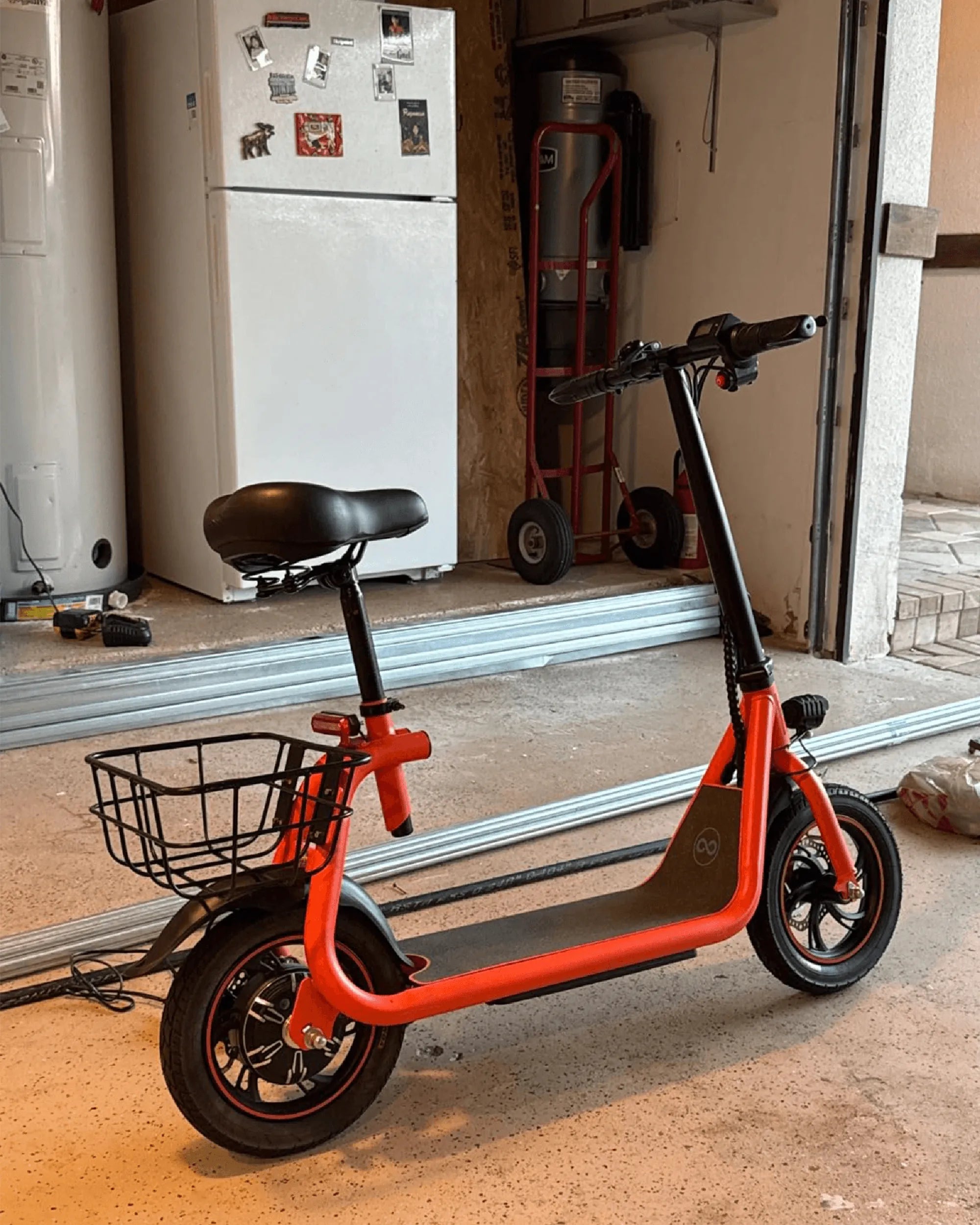
Electric trikes are revolutionizing personal transportation, offering a blend of convenience, efficiency, and eco-friendliness. At the heart of every electric trike lies its battery—the powerhouse that determines how far and how fast you can go. Whether you're a daily commuter, a weekend adventurer, or someone looking for a sustainable mobility solution, understanding your electric trike battery is key to unlocking its full potential. Let's dive into the world of electric trike batteries and explore what makes them tick.
Types of Electric Trike Batteries
Not all batteries are created equal. Electric trikes typically use one of three main types of batteries:
- Lead-Acid Batteries: Affordable but heavy, these are the traditional choice for many electric vehicles. They require regular maintenance and have a shorter lifespan.
- Lithium-Ion Batteries: Lightweight and efficient, these are the most popular choice for modern electric trikes. They offer longer lifespans and faster charging times but come at a higher cost.
- Nickel-Metal Hydride (NiMH) Batteries: A middle-ground option, these batteries balance cost and performance but are less common in newer models.
Battery Performance and Range
The performance of your electric trike battery depends on several factors, including capacity, voltage, and efficiency. Here's what you need to know:
- Capacity (Ah): Measured in amp-hours, this indicates how much energy the battery can store. Higher capacity means longer range.
- Voltage (V): Higher voltage batteries deliver more power, enabling better acceleration and hill-climbing ability.
- Efficiency: Lithium-ion batteries are more efficient, losing less energy as heat and providing more consistent power output.
To maximize your trike's range, consider factors like terrain, rider weight, and speed. Smooth, flat surfaces will stretch your battery further than hilly or rough terrain.
Charging and Maintenance Tips
Proper care can significantly extend the life of your electric trike battery. Follow these tips to keep it in top condition:
- Avoid Deep Discharges: Try not to let your battery drain completely before recharging. Partial charges are better for longevity.
- Store Properly: If you won't be using your trike for a while, store the battery in a cool, dry place with a charge level of around 50%.
- Use the Right Charger: Always use the charger provided by the manufacturer to avoid overcharging or undercharging.
- Regular Inspections: Check for signs of wear, corrosion, or swelling, and address any issues promptly.
Extending Battery Lifespan
Even the best batteries degrade over time, but you can slow the process with these strategies:
- Temperature Control: Avoid exposing your battery to extreme heat or cold, as both can damage its cells.
- Balanced Usage: Don't consistently push your battery to its limits. Moderate usage will help preserve its health.
- Software Updates: If your trike has a battery management system (BMS), keep it updated for optimal performance.
Future of Electric Trike Batteries
Battery technology is advancing rapidly, with researchers exploring new materials and designs to improve energy density, charging speed, and sustainability. Solid-state batteries and graphene-based solutions are on the horizon, promising even greater efficiency and longevity for electric trikes.
Your electric trike battery is more than just a power source—it's the key to a smoother, longer, and more enjoyable ride. By understanding its intricacies and caring for it properly, you can ensure years of reliable performance. Ready to hit the road with confidence? Your next adventure starts with a fully charged battery!
Electric Fat Tire Scooter Foldable: The Ultimate Urban Commuter
Foldable Electric Kick Scooter Free Shipping: The Ultimate Urban Commuting Solution