


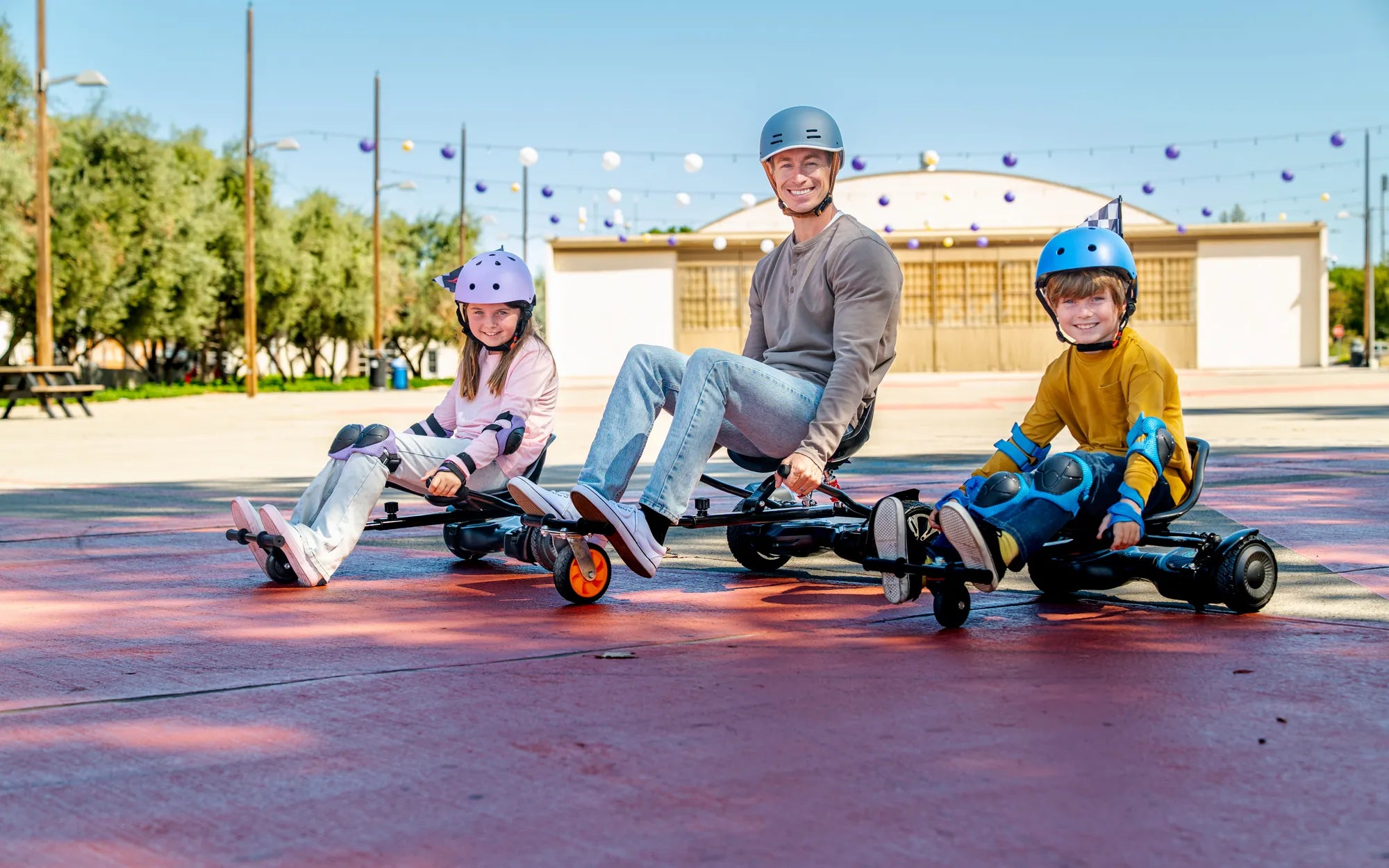
Why an Electric Scooter is a Game-Changer for Kids
An electric scooter for kids offers more than just a ride; it's a passport to outdoor adventure, physical activity, and a growing sense of independence. This guide, Electrical Scooter for Kids: The Ultimate Guide to Safe and Fun Riding, is designed to help parents navigate this exciting purchase with confidence. We'll move beyond the thrill to focus on the fundamentals of safety, durability, and responsible ownership. Leading brands like Gyroor, trusted by over 100,000 riders, have set new standards by engineering scooters where safety is the core feature, not an afterthought. Choosing the right model means investing in countless hours of healthy, screen-free fun.
The modern kids' e-scooter is a marvel of thoughtful design. It combines intuitive controls with robust construction to withstand the rigors of youthful enthusiasm. The key is matching the scooter's capabilities to your child's age, size, and skill level. A scooter that is too powerful can be intimidating and dangerous, while one that is underpowered will quickly be outgrown. This guide will provide a clear framework for that decision.
Our goal is to empower you with knowledge. From understanding waterproof ratings and battery certifications to teaching road etiquette and performing pre-ride checks, we cover every aspect. The joy of seeing your child master a new skill is immense, and with the right preparation, it can be a consistently safe and positive experience. Let's begin by addressing the most critical element: safety.
Understanding Safety: The Non-Negotiables for Kids' E-Scooters
Safety is not a single feature; it's the foundational principle governing every design and usage decision. When evaluating an electrical scooter for kids, parents must look for built-in safety engineering that protects the child even before they step on the deck. This goes far beyond a simple helmet warning in the manual.
Reputable manufacturers integrate multiple layers of protection. These include electronic safeguards like speed limiters and reliable physical systems like dual braking. The structure itself—the width of the deck, the integrity of the folding mechanism, the grip on the handlebars—contributes to stable, predictable handling. Safety is a holistic system, and every component matters.
Key Safety Features to Demand
Do not compromise on these essential elements. First, adjustable speed modes are crucial. A beginner mode (often called "turtle" or "eco") should limit speed to a safe, manageable pace, typically under 8 mph. As skills improve, parents can unlock higher modes. Second, a dual braking system is a must. This usually combines an electronic brake (regenerative or foot-activated) with a mechanical disc or drum brake for reliable stopping power in all conditions.
Third, deck design impacts stability. A wider, textured deck provides a confident footing. Fourth, bright LED lights—both front and rear—are vital for visibility in low-light conditions. Finally, and most critically, is battery safety. Insist on UL-certified battery packs, like those used in Gyroor scooters. This certification means the battery has passed rigorous independent testing for overcharge protection, short-circuit prevention, and overall fire safety, offering unparalleled peace of mind.
The Importance of the IPX5 Water-Resistant Rating
Kids will encounter puddles, wet pavement, and light rain. An IPX5 water-resistant rating is a non-negotiable feature for real-world use. The "IP" stands for Ingress Protection, and an IPX5 rating certifies the scooter can withstand water jets from any direction without harmful ingress.
This is not about submerging the scooter. It’s about protection against the splashes and sprays of daily riding. Water damage is a leading cause of electrical failure and can pose safety risks. A scooter with a proper IPX5 rating, a standard on Gyroor models, is engineered to handle these conditions, ensuring longevity and preventing malfunctions caused by moisture. It’s a simple specification that speaks volumes about a scooter's overall build quality and durability.
Choosing the Right Gyroor E-Scooter for Your Child's Age & Skill
Selecting the perfect electrical scooter for kids is about matching horsepower to human power. The right fit maximizes fun and safety, while the wrong one can lead to frustration or accidents. Use this age and skill-based guide as a starting point, remembering that maturity and physical coordination are as important as chronological age.
Always prioritize a scooter your child can physically control. They should be able to easily reach the handlebars, operate the brakes without excessive force, and plant both feet firmly on the deck. The scooter's weight should be manageable for them to maneuver at low speeds or carry briefly if needed. The following recommendations align with Gyroor's model philosophy, which segments its lineup by rider development.
Ages 6-8: Beginner Models for Learning & Confidence
For this age group, the primary goals are building confidence and mastering basic control. Look for models with a maximum speed capped at 10 mph or lower, with a dedicated beginner mode that limits it to around 6 mph. A lower deck height makes mounting and dismounting easier and brings the rider's center of gravity closer to the ground for added stability.
Motor power in the 100W-150W range is sufficient for gentle inclines and smooth surfaces. Features like a wide, non-slip deck, intuitive thumb throttle, and a simple braking system are key. The emphasis should be on sturdy construction and predictable handling, allowing the child to focus on balance and steering without being overwhelmed by power. This foundational experience is critical for developing responsible riding habits.
Ages 9-12: Intermediate Scooters for Growing Riders
As children grow, so does their need for range, comfort, and a bit more performance. Intermediate scooters for this group typically feature top speeds between 10-15 mph, controllable through parental speed-lock functions via a companion app on some models. Motor power often ranges from 150W to 250W, providing better acceleration and hill-climbing ability for neighborhood exploration.
Enhanced suspension systems become important here, absorbing bumps from less-than-perfect pavement for a smoother ride. Range increases to allow for longer adventures, and weight capacity rises to accommodate growing bodies. These scooters often introduce more advanced features like brighter LED displays, customizable lighting, and more robust folding mechanisms, preparing the rider for more independent use under supervision.
Pre-Teens and Teens: Advanced Models for Responsible Riders
For mature, rule-following teens, advanced models offer greater performance for commuting or recreational riding. These scooters may have top speeds of 15+ mph, more powerful motors (300W+), and significantly extended ranges suitable for longer trips. They feature stronger frames, higher weight capacities, and more sophisticated braking systems, such as full hydraulic disc brakes.
It is imperative that this level of performance is paired with a high level of rider responsibility. Teens must consistently demonstrate adherence to all safety rules, wear full protective gear, and understand local traffic laws if riding on shared paths. Parental oversight shifts from direct supervision to verifying route plans and ensuring the scooter is well-maintained. The advanced electrical scooter for kids in this category is a tool for earned independence.
Pre-Ride Checklist: Gear, Inspection, and Location Scouting
Safe riding begins before the throttle is ever pressed. Establishing a consistent pre-ride routine ingrains responsible habits and catches potential issues early. This five-minute ritual should be non-negotiable for every outing, turning safety from a lecture into a practical, shared responsibility between parent and child.
This checklist covers three pillars: protecting the rider, ensuring the machine is sound, and choosing an appropriate environment. Skipping any step increases risk. By making this routine a standard part of the fun, you teach your child to respect their equipment and their own safety, lessons that extend far beyond riding a scooter.
Mandatory Safety Gear: Beyond the Helmet
A helmet is essential, but it is only the start of a full protective kit. Every rider must wear:
- ASTM-Certified Helmet: Properly fitted, covering the forehead, with straps snug.
- Knee and Elbow Pads: These protect the joints most likely to impact the ground in a fall. Look for hard-shell caps with secure straps.
- Wrist Guards: Critically important. When falling, instinct leads us to put out our hands. Wrist guards support the joint and prevent fractures and severe sprains.
This gear should be worn every single time, regardless of the distance or location. High-quality, well-fitted gear is comfortable and does not hinder movement, making compliance easier. Present it as the non-negotiable uniform for the sport.
Scooter Safety Inspection: A 60-Second Routine
Teach your child to perform this quick check with you. Look for:
- Brakes: Squeeze the lever (or press the foot brake). Does the scooter stop smoothly and quickly? Is there any grinding or looseness?
- Tires: Are they fully inflated (for air-filled tires) or show no signs of excessive wear or damage (for solid tires)?
- Lights: Test the front and rear LEDs. Are they bright and functional?
- Fasteners: Check that the handlebar stem, folding mechanism (if present), and axle nuts are tight and secure.
- Throttle and Deck: Ensure the throttle spring returns promptly and the deck is free of cracks or debris.
Finding the Perfect Practice Terrain
Location is a key safety factor. Start in a completely controlled environment.
- Beginner Zone: A smooth, paved, and private area like an empty parking lot, tennis court, or long driveway. The surface should be clean, dry, and free of gravel or sand.
- Progression Path: Once mastery is achieved in the beginner zone, move to quiet, low-traffic neighborhood paths or sidewalks (where legally permitted). Avoid areas with parked cars, driveways, or intersections initially.
- Always Avoid: Public roads, steep hills, wet or oily pavement, and areas with heavy pedestrian or cyclist traffic. Darkness is an absolute no-go without high-visibility clothing and lights.
Teaching Responsible Riding: Rules, Etiquette, and Parental Supervision
Owning an electrical scooter for kids is a privilege that comes with rules. Your role as a parent extends from purchaser to instructor and supervisor. Clear, consistent rules create a framework for safe enjoyment and show your child how to share community spaces respectfully.
These rules are not meant to stifle fun but to define its boundaries. Explain the "why" behind each rule—for example, "We don't ride at dusk because drivers can't see you as well"—to foster understanding rather than simple obedience. Your supervision level will naturally decrease as your child demonstrates consistent responsibility, but the rules remain constant.
Core Riding Rules Every Kid Must Know
Drill these fundamental rules until they become second nature:
- 1. Full safety gear is mandatory, every time.
- 2. Ride on designated paths or sidewalks where legal; never on roads with cars.
- 3. Obey all traffic signs and signals. Stop at every intersection, look both ways, and walk the scooter across.
- 4. Ride in the same direction as traffic if on a street-adjacent path.
- 5. Use hand signals for turns and stopping.
- 6. Maintain a safe speed, especially around pedestrians, dogs, and other path users.
- 7. Stay alert. No headphones or phone use while riding.
- 8. Be predictable. Don't swerve suddenly or stop without warning.
The Role of Parental Supervision and the 1-Year Warranty Peace of Mind
Supervision evolves. For beginners (6-8), direct, hands-on supervision is required. For intermediates (9-12), active monitoring from a short distance is appropriate, with clear boundaries on where they can ride. For responsible teens, supervision may mean knowing their route and expected return time, and spot-checking their adherence to rules and maintenance.
Part of your supervisory role is managing the scooter's mechanical health. This is where Gyroor's comprehensive 1-year warranty and US-based customer support provide critical peace of mind. It means any defect in materials or workmanship will be addressed by experts, not through risky DIY repairs. This warranty supports your safety regime by ensuring the scooter itself remains in reliable condition, allowing you to focus on coaching the rider, not fixing the machine.
Head-to-Head: Comparing Key Features Across Age Groups
This comparison table summarizes the primary specifications and use cases for electrical scooters for kids across different developmental stages, based on industry standards and Gyroor's model segmentation.
| Feature | Ages 6-8 (Beginner) | Ages 9-12 (Intermediate) | Ages 13+ (Advanced) |
|---|---|---|---|
| Recommended Max Speed | 6 - 10 mph | 10 - 15 mph | 15+ mph (with controls) |
| Motor Power | 100W - 150W | 150W - 250W | 300W+ |
| Key Safety Focus | Low-speed stability, simple controls | Speed limiting, enhanced brakes & suspension | Robust construction, high-performance brakes |
| Ideal Terrain | Smooth, flat pavement (parking lots) | Neighborhood paths, slight inclines | Longer commutes, varied urban terrain |
| Parental Role | Direct, hands-on supervision & training | Active monitoring within set boundaries | Verification of responsibility & maintenance |
| Gyroor Hallmarks | UL battery, IPX5, beginner mode, low deck | UL battery, IPX5, app speed lock, suspension | UL battery, IPX5, hydraulic brakes, long range |
Frequently Asked Questions (FAQs) About Kids' Electric Scooters
Q1: What is the right age for a child's first e-scooter?
Most children are ready around age 6 or 7, when they have developed sufficient balance, coordination, and cognitive ability to follow instructions. Readiness depends more on individual maturity and physical size than a specific birthday. Always start with a beginner-focused model with strict speed limits.
Q2: How fast should a kids' electric scooter go?
Speed should be appropriate to the rider's age and skill. For beginners (6-8), a maximum of 10 mph is advisable, with a beginner mode as low as 6 mph. For older kids (9-12), 10-15 mph is typical, provided the scooter has reliable parental speed-lock features. The goal is a controllable speed that allows for reaction time, not maximizing velocity.
Q3: How important is water resistance?
Extremely important. An IPX5 rating, like those standard on Gyroor scooters, is a practical necessity. It protects the electrical components from water jets from any direction, meaning puddles, wet roads, or light rain won't cause immediate damage. This rating greatly extends the scooter's lifespan and ensures reliable operation in common real-world conditions.
Q4: What maintenance does an e-scooter need?
Regular maintenance is simple but crucial: check tire pressure (for air-filled tires) or wear (for solids); test brake function and pad wear; ensure all bolts and folding mechanisms are tight; keep the scooter clean and dry; and store the battery at room temperature, avoiding full discharge. Always follow the manufacturer's charging guidelines. For any issues covered under warranty, contact the manufacturer directly instead of attempting repairs.
Q5: Are electric scooters safe for kids?
With the right precautions, they can be a very safe activity. Safety is a product of three factors: 1) Choosing a well-built scooter with UL-certified batteries, speed limiters, and good brakes; 2) Enforcing the use of full protective gear (helmet, pads, wrist guards); and 3) Providing proper training, supervision, and enforcing clear riding rules. Risk is managed through preparation and responsible habits.
Investing in Fun, Freedom, and Safety
Choosing an electrical scooter for kids is an investment in your child's active lifestyle, confidence, and joy. The journey from cautious first steps to confident cruising is a rewarding one to witness. This guide has outlined the path to achieving that safely: by prioritizing certified safety features like UL-approved batteries and IPX5 water resistance, selecting an age-appropriate model that grows with your child, and instilling the non-negotiable rituals of gear, inspection, and responsible riding etiquette.
The ultimate goal is to create a framework where fun and safety are inseparable. A trusted brand like Gyroor supports this goal with engineering built to rigorous standards and a warranty that stands behind it. Their commitment to safety certifications, water-resistant design, and reliable customer support means you can focus on the experience, not worry about the equipment.
Ready to explore models that match your child's next adventure? Discover scooters designed with safety as the core feature, backed by the confidence of a 1-year warranty and the trust of a global community of riders. Browse the full Gyroor collection at gyroorboard.com and find the perfect electric scooter to unlock a world of safe, outdoor fun.
How to Bluetooth Hoverboard: A Complete Guide for Beginners
Christmas Gift Ideas for Boys Age 13: Fun, Unique, and Exciting Presents