



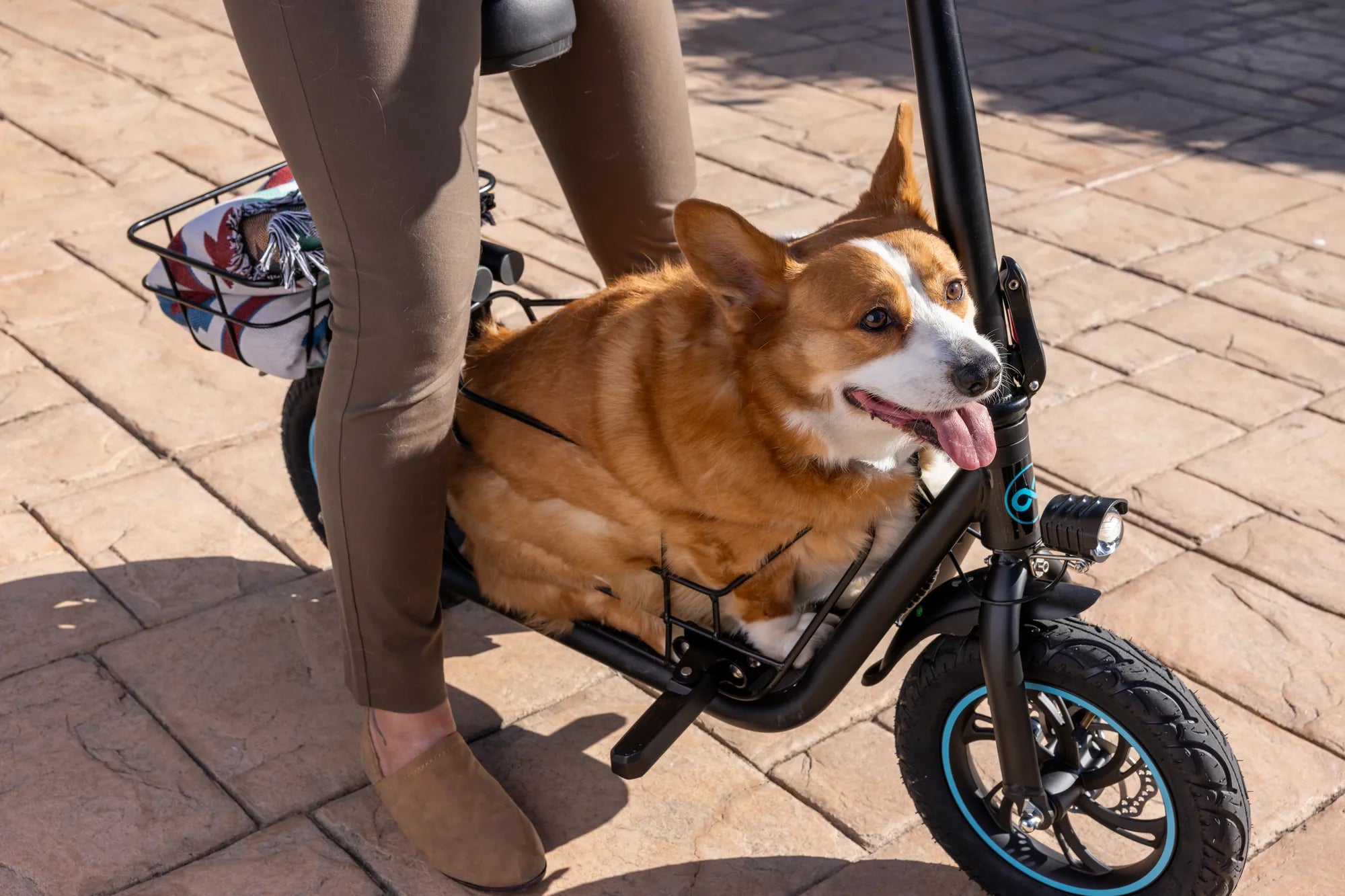
The Europe electric scooter battery market is booming, and for good reason. With cities becoming more congested and environmental concerns taking center stage, electric scooters have emerged as a convenient and eco-friendly alternative to traditional transportation. But what’s powering this revolution? The answer lies in the batteries—compact, efficient, and evolving at a breakneck pace. From lithium-ion innovations to recycling challenges, this deep dive uncovers everything you need to know about the market’s present and future.
The Rise of Electric Scooters in Europe
Electric scooters have swiftly become a staple in urban mobility across Europe. Cities like Paris, Berlin, and Amsterdam are leading the charge, with shared e-scooter programs and private ownership skyrocketing. The convenience of zipping through traffic, combined with low operating costs, makes them an attractive option for commuters. However, the backbone of this trend is the battery technology that keeps these scooters running.
Key Drivers of the Europe Electric Scooter Battery Market
Several factors are fueling the growth of the electric scooter battery market in Europe:
- Urbanization: As cities grow denser, the demand for compact and efficient transport solutions rises.
- Environmental Regulations: Stricter emissions policies are pushing consumers and governments toward greener alternatives.
- Technological Advancements: Improvements in battery energy density, charging speed, and lifespan are making e-scooters more viable.
- Cost Efficiency: Declining battery prices are lowering the total cost of ownership for electric scooters.
Battery Technologies Dominating the Market
Lithium-ion batteries currently dominate the Europe electric scooter battery market, thanks to their high energy density and long cycle life. However, emerging technologies like solid-state batteries and graphene-based solutions are on the horizon, promising even greater efficiency and safety. The choice of battery type impacts not only performance but also the scooter’s range, weight, and charging time.
Challenges Facing the Industry
Despite its rapid growth, the market isn’t without hurdles:
- Recycling and Sustainability: Proper disposal and recycling of used batteries remain a significant challenge.
- Supply Chain Constraints: The reliance on raw materials like lithium and cobalt poses geopolitical and ethical concerns.
- Regulatory Uncertainty: Varying laws across European countries create a fragmented market landscape.
Future Outlook and Opportunities
The Europe electric scooter battery market is poised for exponential growth, with projections indicating a compound annual growth rate (CAGR) of over 20% in the next decade. Innovations in fast-charging infrastructure, second-life battery applications, and AI-driven energy management systems will further propel the industry. As consumers and policymakers alike prioritize sustainability, the demand for advanced, eco-friendly battery solutions will only intensify.
From cutting-edge tech to regulatory hurdles, the Europe electric scooter battery market is a dynamic space with endless potential. Whether you’re an investor, a commuter, or just curious about the future of urban mobility, one thing is clear: the batteries powering these scooters are the unsung heroes of the green revolution. Don’t miss out on the next big breakthrough—stay tuned as this market charges ahead.
Electric Scooter Fork: The Key to Smooth and Safe Rides
Electric Scooter Carry On: The Ultimate Guide to Traveling Light and Smart