



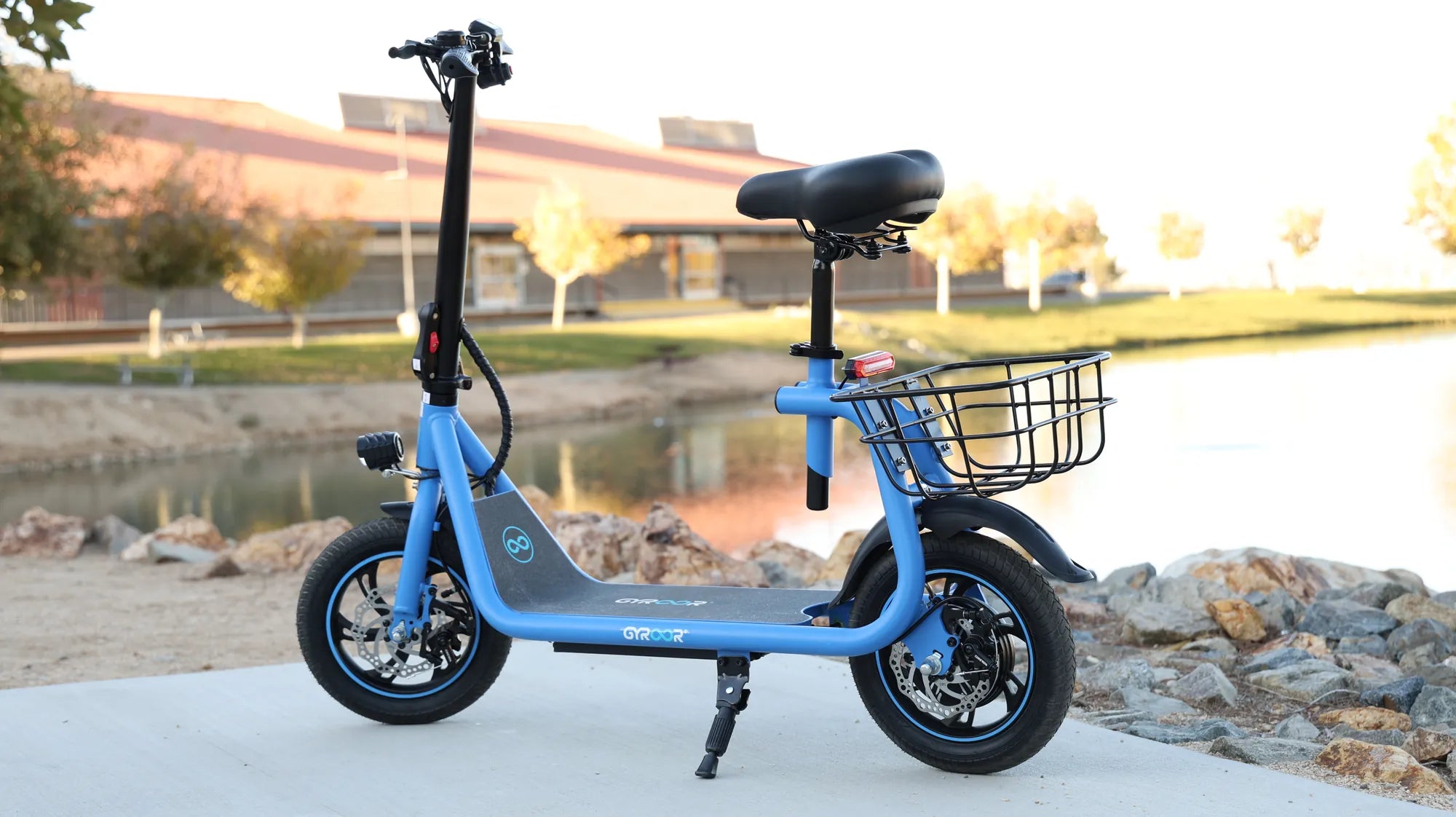
Introduction: The Quest for Affordable, Fast Electric Scooters
Urban commuters face a common dilemma: the need for a quick, efficient personal transport solution that doesn’t require a massive investment. The search for fast electric scooters under $300 often feels like a hunt for a mythical creature—too good to be true. Yet, this budget segment is where savvy shoppers can find surprising performance, blending daily utility with an exhilarating ride.
This guide cuts through the marketing noise to deliver a data-driven analysis of what "fast" truly means under $300. We'll manage expectations while highlighting where genuine value and pep can be found. Trusted brands like Gyroor demonstrate that safety, certified components, and reliable speed can coexist in this accessible price range, offering urban riders a practical and thrilling alternative to crowded buses or expensive rideshares.
What "Fast" Really Means in the Sub-$300 Category
In the context of electric scooters under $300, "fast" requires a realistic definition. Don't expect highway speeds; instead, look for models that significantly outpace walking and brisk cycling. The performance sweet spot in this category typically ranges from 15 to 20 miles per hour (mph). This speed is ideal for urban environments, allowing you to keep up with city traffic flow on designated bike lanes and complete typical 3-5 mile commutes in 10-20 minutes.
Top speed is just one metric. Equally important is average cruising speed—the pace the scooter can comfortably maintain over distance. A model that hits 20 mph but quickly slows to 12 mph on a slight incline offers a different experience than one that steadily holds 17 mph. The key is consistent performance, which is dictated by motor power, battery discharge rate, and overall build quality.
For the price, most fast electric scooters under $300 are equipped with motors ranging from 250 to 350 watts. This power band is sufficient for flat to moderately sloped urban terrain. It's crucial to understand that wattage influences acceleration and hill-climbing torque more directly than pure top speed. A well-tuned 300W motor can feel more responsive and "fast" in daily use than a poorly optimized 350W one.
The Power & Speed Trade-Off: Motor Types and Performance
The type of motor is a critical determinant of performance and longevity. In this budget range, you'll predominantly find brushless hub motors, and for good reason. Brushless motors are more efficient, require less maintenance, and are generally more durable than their brushed counterparts. They convert battery power into motion with less energy loss as heat, which translates to better range and more consistent speed output.
Motor placement also matters. Most affordable models use a single rear-wheel hub motor. This provides direct drive and good traction. The wattage rating (e.g., 300W) indicates potential power, but real-world output depends on the controller's programming and battery voltage. A 36V system paired with a 300W motor will typically deliver stronger acceleration and better sustained speed than a 24V system with the same motor wattage.
Brands committed to value, like Gyroor, leverage efficient brushless hub motor technology to maximize performance within cost constraints. This engineering focus ensures that riders get snappy acceleration from a stop and reliable power delivery, making the commute not just faster, but more predictable and enjoyable.
Key Features to Prioritize for Speed and Safety Under $300
Finding a truly capable fast electric scooter under $300 requires focusing on features that enable speed safely. Prioritizing the right specs ensures you don't sacrifice essential safety for a few extra miles per hour. Your checklist should center on power systems, stability, and manufacturer support.
First, scrutinize the motor and battery specifications together. A powerful motor is useless without a battery that can supply sustained current. Second, examine the braking system and frame design—speed demands control. Finally, never overlook the warranty and ingress protection ratings; these are direct indicators of the manufacturer's confidence in their product's durability.
Compromising on these core areas for a lower sticker price often leads to disappointment or safety concerns. The best models in this segment strike a careful balance, offering robust performance fundamentals while meeting the strict sub-$300 price point.
Battery & Range: The Fuel for Your Speed
The battery is the heart of your scooter's performance. For fast electric scooters under $300, look for lithium-ion batteries with a capacity between 6.0Ah and 7.8Ah, typically on a 36V system. This equates to roughly 216 to 280 watt-hours (Wh). This capacity range supports both the high discharge rate needed for speed and a practical range of 10-15 miles per charge under real-world conditions.
Battery voltage is crucial for speed. A 36V battery will generally support higher top speeds and better hill performance than a 24V battery, even if the watt-hour rating is similar. More importantly, battery safety is non-negotiable. Insist on batteries with recognized safety certifications like UL, CE, or RoHS. These certifications mean the battery pack has passed rigorous tests for overheating, short-circuiting, and other failure modes.
Gyroor, for example, builds its reputation on safety by exclusively using UL-certified lithium-ion battery packs in all its models. This ensures reliable power delivery for maintaining speed and, more critically, provides peace of mind through hundreds of safe charge cycles. A quality battery is the foundation that allows a fast scooter to be both fun and dependable.
Build & Braking: Stability at Higher Speeds
When traveling at 15-20 mph, frame stability and braking efficacy become paramount. Look for a deck that is long and wide enough for a stable stance, often made from reinforced aluminum alloy. Wheel size is equally important; 8.5-inch pneumatic (air-filled) tires offer the best compromise for speed, offering better shock absorption and stability than smaller solid tires, which can feel jarring at higher speeds.
The braking system is your primary safety tool. In this price range, you’ll commonly find a combination of braking mechanisms. An electronic (e-brake) or disc brake on the front wheel, supplemented by a rear fender or foot brake, is a good setup. A mechanical disc brake offers more consistent and powerful stopping power in all weather conditions compared to a basic fender brake alone.
A robust frame and reliable braking are hallmarks of a scooter designed for faster travel. Gyroor integrates these principles, using durable materials and effective braking systems to ensure that increased speed doesn't come at the cost of control or rider confidence.
Warranty and Water Resistance: Protecting Your Investment
A low price should not mean zero protection. A comprehensive warranty is a strong signal of quality. Look for at least a 1-year warranty that covers the motor, battery, and controller—the core electrical components. This protects you from premature failures and indicates the manufacturer stands behind their product's durability under the stresses of faster riding.
Water resistance is critical for an urban commuter. Splashes from puddles and light rain are inevitable. An IPX4 rating is the minimum for splash resistance, but an IPX5 rating (which can withstand water jets from a nozzle) is significantly better. This rating ensures the electrical components are sealed against common urban wet conditions.
Gyroor models typically feature an IPX5 water-resistant design and are backed by a reliable 1-year warranty. This combination demonstrates a commitment to building scooters that are not just fast for the price, but are also built to last through daily commutes, protecting your investment long after the initial purchase.
Real-World Performance: Setting Expectations for Urban Commutes
Advertised specs meet reality on city streets. For a fast electric scooter under $300, real-world performance is influenced by several constant factors. Rider weight is the most significant; a 150-pound rider will experience higher speeds and longer range than a 200-pound rider on the same scooter. Most manufacturer range and speed figures are based on a rider weighing approximately 165 pounds on a flat, smooth surface.
Terrain dramatically affects performance. While these scooters handle flat bike lanes and paved paths with ease, expect speed to drop on inclines. A 250-350W motor will climb moderate hills, but you may need to assist with a kick or accept a reduced speed. Frequent stops and starts of city commuting also impact range, as acceleration consumes more battery than maintaining a constant speed.
Consider a typical scenario: a 4-mile commute with a few gentle hills and stop lights. A well-specified scooter from this category can complete this trip in under 15 minutes, maintaining an average speed of 16-18 mph where traffic and conditions allow. It can do this round trip on a single charge with a small range buffer, making it a perfectly viable primary commute vehicle for many.
The Gyroor Advantage: How We Deliver Value in the Fast, Affordable Segment
Navigating the fast electric scooters under $300 market requires identifying brands that refuse to cut critical corners. Gyroor's approach is built on a foundation of certified safety and intelligent engineering. By integrating UL-certified battery packs as a standard feature, Gyroor addresses the single biggest safety concern for affordable e-scooters, providing reliable power that riders can trust.
This commitment extends to durability. The IPX5 water-resistance rating across the lineup ensures that a sudden rain shower or wet streets don’t end your commute or damage your scooter. Coupled with a robust 1-year warranty, this design philosophy means the scooter is built for the rigors of daily use, not just a few test rides.
The result is a range of models that offer peppy, responsive performance—often reaching that 15-20 mph sweet spot—without sacrificing the safeguards that make speed enjoyable rather than anxiety-inducing. For over 100,000 riders in North America and Europe, this balance of affordable speed, verified safety, and dependable construction represents the core value proposition.
Smart Shopping Guide: How to Vet a Fast Scooter Under $300
Arm yourself with knowledge before you buy. Use this step-by-step checklist to evaluate any model claiming to be a fast electric scooter under $300 and avoid disappointing purchases.
1. Verify Performance Specs: Look for a brushless hub motor of at least 250W (300W+ is preferable) and a top speed claim of 15-20 mph. Ensure the battery is 36V with a capacity of at least 6.0Ah and carries a UL, CE, or RoHS safety certification.
2. Inspect Safety & Build Features: Check for a multi-brake system (disc + electronic or foot brake). Confirm the water resistance rating (IPX4 minimum, IPX5 ideal). Examine the product images for a sturdy-looking deck and pneumatic tires of at least 8.5 inches.
3. Scrutinize the Fine Print: Read the full warranty details. It should cover core components for one year. Be wary of vague or extremely short warranties. Carefully read the return policy in case the scooter doesn't meet your expectations.
4. Analyze Real-User Reviews: Go beyond the star rating. Read reviews that mention real-world speed, range with their weight, hill performance, and durability over time. Look for patterns in complaints or praise.
5. Compare Total Value: Weigh the combination of motor power, battery certification, warranty length, and water resistance. A slightly higher price within the $300 budget that includes these features offers far better long-term value than the absolute cheapest option.
Frequently Asked Questions (FAQ)
Q1: Are electric scooters under $300 actually fast enough for a commute?
A: Absolutely. With typical speeds of 15-20 mph, they can cut a 3-mile commute down to 10-15 minutes, significantly faster than walking and competitive with cycling or city driving in congested areas. The key is managing expectations and choosing a model with a robust motor and battery.
Q2: How far can I really go on a single charge?
A: Real-world range for most quality models in this category is 10-15 miles. This is influenced by rider weight, terrain, temperature, and how often you use the top speed. For the average urban commuter, this is sufficient for a round trip with some errands.
Q3: Is it safe to buy such an affordable fast electric scooter?
A> Safety is determined by build quality and components, not just price. Prioritizing models with certified batteries (UL/CE), proper braking systems, and a solid warranty—like those from Gyroor—ensures a safe riding experience. Always wear a helmet.
Q4: Can these scooters handle hills?
A> They can handle moderate hills, but performance will vary. A 300W+ motor will provide better hill-climbing ability. Expect a reduction in speed on inclines, and be prepared to occasionally assist with a kick on steeper grades.
Q5: What maintenance do they require?
A> Maintenance is minimal. Regularly check tire pressure if you have pneumatics, ensure bolts are tight, keep the scooter clean, and avoid deep puddles. The most important task is following proper battery care: avoid fully draining it, store it in a cool, dry place, and use the provided charger.
Comparison Table: Key Considerations for Fast Scooters Under $300
| Feature | Budget Option (Lower Tier) | Value Leader (e.g., Gyroor Standard) | Why It Matters for Speed & Safety |
|---|---|---|---|
| Motor Power | 250W Brushed/Brushless | 300W+ Brushless Hub Motor | Higher wattage & brushless design provide better acceleration, hill climb, and sustained top speed. |
| Battery | 24V-36V, Generic Li-ion | 36V, UL-Certified Li-ion Pack | 36V supports higher speeds; UL certification ensures safety, reliability, and consistent power output. |
| Max Speed | 13-16 mph | 16-20 mph | A 4+ mph difference significantly reduces commute time and improves traffic integration. |
| Braking System | Fender Foot Brake Only | Dual Braking (Disc + Electronic/Foot) | Superior stopping power is essential for safe riding at higher speeds, especially in urban environments. |
| Water Resistance | IPX4 or Unrated | IPX5 Rated | IPX5 offers robust protection against rain and puddle splashes, ensuring all-weather commuter reliability. |
| Warranty | 90 Days or Limited | 1-Year Comprehensive | A longer warranty covers the motor, battery, and frame, protecting your investment and signaling build quality. |
Conclusion: Speed Meets Sense on a Budget
The dream of owning a fast electric scooter under $300 is firmly within reach for the informed urban commuter. The journey isn't about finding the single highest speed number on a spec sheet, but about identifying a vehicle that delivers consistent, reliable performance wrapped in essential safety features. By prioritizing UL-certified batteries, robust braking, water-resistant design, and a trustworthy warranty, you secure not just initial speed, but lasting value and peace of mind.
Brands that champion these principles, like Gyroor, prove that affordable does not have to mean compromised. With over 100,000 riders trusting their daily commute to such engineered value, the path forward is clear. Equip yourself with knowledge, prioritize safety-certified performance, and transform your urban travel into an efficient, enjoyable, and surprisingly swift experience.
Ready to find a fast electric scooter under $300 that doesn't cut corners on safety or durability? Browse the full Gyroor collection at gyroorboard.com to explore models that bring together affordable speed, certified components, and commuter-ready reliability.
Top 10 Best Electric Scooters for Every Rider in 2024: The Ultimate Guide
Fastest Electric Scooters 2025 Top Speed: Engineering the Ultimate Commute