



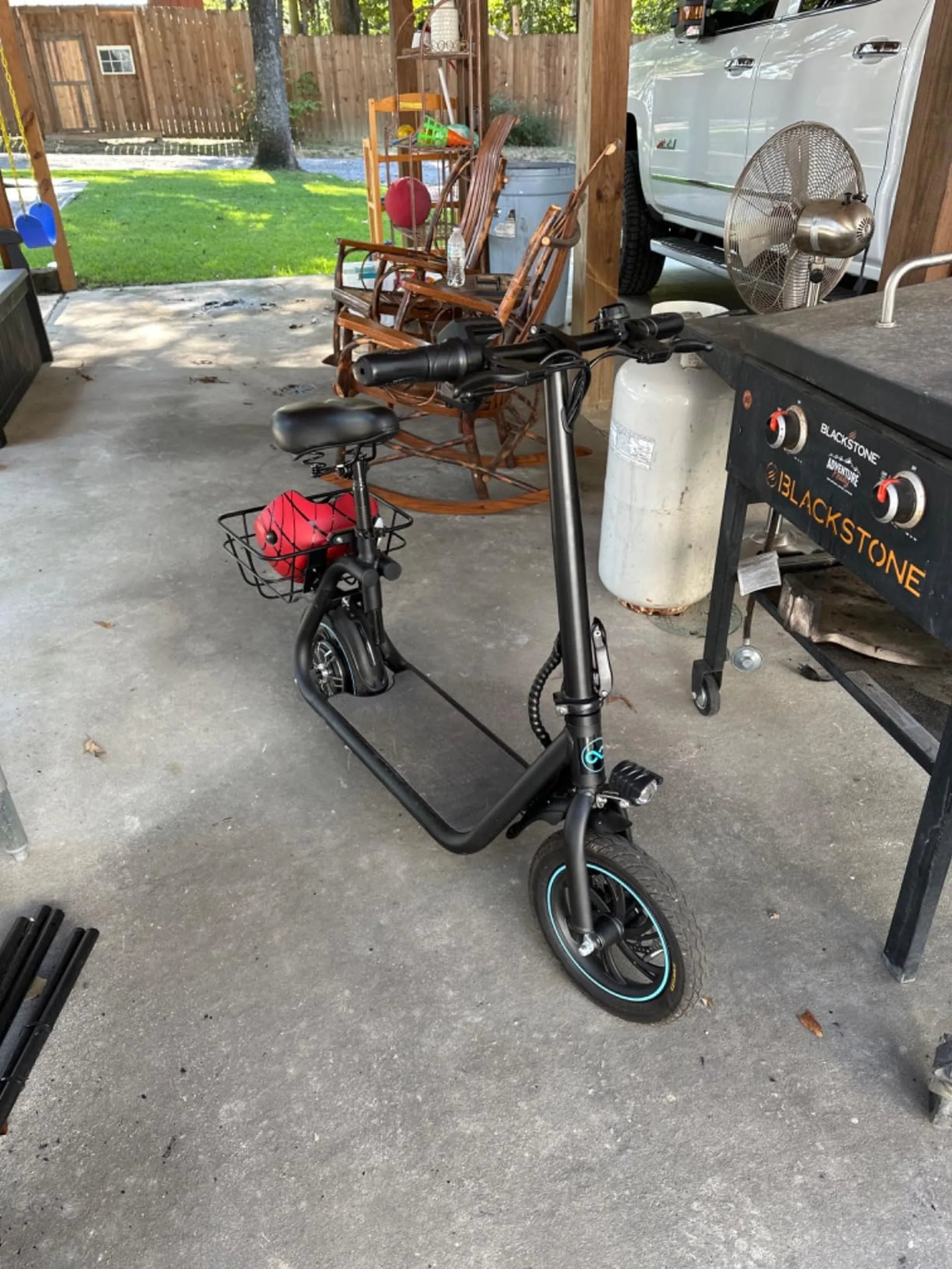
Introduction: Embracing the Electric Scooter Revolution
Urban mobility is undergoing a profound transformation. Electric scooters have emerged as a dominant force, offering a tangible solution to gridlocked traffic, soaring transportation costs, and pressing environmental goals. This guide serves as your definitive resource to understand this shift, equipping you with the knowledge to make an informed decision. We will explore the multifaceted benefits, critical technical specifications, and practical realities of e-scooter ownership. As a leader in personal electric mobility, Gyroor, trusted by over 100,000 riders, exemplifies the innovation and reliability driving this revolution forward.
Our goal is to move beyond hype and provide actionable, factual information. You will find detailed comparisons, safety protocols, and maintenance advice designed to maximize your investment. Whether your commute is three miles or thirty, understanding the core principles outlined here is the first step toward a smarter daily journey. Let's dive into the details that matter most.
Why Choose an Electric Scooter? The Benefits Beyond Convenience
The appeal of electric scooters extends far beyond a fun ride. They represent a pragmatic and efficient personal transportation model with measurable advantages. The primary benefits cluster around environmental sustainability, economic savings, time efficiency, and personal well-being. Each factor contributes to their growing adoption in cities worldwide.
From an environmental standpoint, e-scooters produce zero tailpipe emissions. Their operation directly displaces trips that would otherwise be made by gasoline-powered vehicles. This leads to a tangible reduction in urban air pollutants like nitrogen oxides and particulate matter. Economically, the savings are substantial when compared to car ownership or frequent ride-sharing.
Time is a critical urban commodity. Electric scooters excel in navigating congested streets, utilizing bike lanes, and offering point-to-point travel without the hunt for parking. This door-to-door efficiency often makes them faster than cars or buses for trips under five miles. Furthermore, while primarily motorized, the act of riding promotes balance and core engagement, offering a supplement to a sedentary lifestyle.
Eco-Friendly Commuting by the Numbers
The environmental impact of switching to an electric scooter is quantifiable. According to lifecycle analyses from urban mobility studies, a typical passenger vehicle emits approximately 411 grams of CO2 per mile. In stark contrast, an electric scooter, when charged on an average U.S. electrical grid, is responsible for only about 40 grams per mile when accounting for manufacturing, charging, and collection.
This represents a 90% reduction in carbon emissions per passenger mile. For a daily 5-mile commute, this equates to saving over 600 pounds of CO2 annually compared to driving alone. Furthermore, e-scooters consume minimal energy. A full charge for a model with a 500Wh battery uses less electricity than running a standard clothes dryer for 15 minutes.
Their role in a multi-modal transit system amplifies their green credentials. E-scooters effectively solve the "first and last mile" problem, encouraging greater use of buses and trains by making stations more accessible. This integration reduces reliance on private cars for entire journeys, lowering a city's overall transportation carbon footprint.
Cost Savings Analysis: Scooter vs. Car vs. Ride-Share
Understanding the long-term financial implications is crucial. The following table breaks down the estimated annual costs for different commuting modes in an urban setting for a 5-mile daily commute (260 workdays).
| Cost Category | Personal Electric Scooter | Compact Car (Owned) | Ride-Share Services |
|---|---|---|---|
| Initial Purchase / Down Payment | $600 - $1,500 | $3,000+ (down) | $0 |
| "Fuel" / Energy Cost | $20 - $40 | $1,300+ (gas) | N/A (included) |
| Insurance | $0 - $100 (optional) | $1,200+ | $0 |
| Maintenance & Repairs | $50 - $150 | $800+ | $0 |
| Parking Fees | $0 | $1,200+ | $0 |
| Annual Total (Excl. Initial) | $70 - $290 | $4,500+ | $2,600+ |
This analysis reveals the stark economic advantage of e-scooter ownership. While ride-sharing avoids upfront costs, daily use becomes prohibitively expensive. Car ownership carries massive fixed and variable costs. An e-scooter's payback period is often less than six months when substituting just two ride-share trips per week.
Key Features to Consider Before You Buy
Selecting the right electric scooter requires careful evaluation of its specifications. These technical details directly determine performance, safety, and suitability for your specific needs. Key factors include motor power, battery capacity, range, build quality, and safety systems. A model perfect for smooth campus pathways may struggle on hilly urban streets.
It's essential to match the scooter's capabilities to your primary use case. Consider your daily distance, typical terrain, maximum speed requirements, and portability needs. A commuter needing to travel 10 miles with a hill will have different requirements than someone running brief errands in a flat neighborhood. Overlooking these details can lead to dissatisfaction and safety compromises.
Brand reputation and component quality are non-negotiable. Investing in a scooter from a reputable manufacturer like Gyroor, which uses UL-certified batteries and robust construction, ensures reliability and long-term value. Cutting corners on critical components like the battery or brakes is a significant safety risk and leads to higher long-term costs.
Motor Power, Speed, and Range: Matching Performance to Your Needs
Motor power, measured in watts (W), is the engine of your scooter. A 250W motor is sufficient for flat terrain and lighter riders at speeds up to 15 mph. For commuters facing hills or wanting more acceleration, a 350W to 500W motor is recommended. High-performance models can feature dual motors totaling 1000W or more for exceptional torque and top speeds, though local laws often restrict road use to 20-25 mph.
Advertised range is a theoretical maximum under ideal conditions. Real-world range is affected by rider weight, terrain, temperature, and riding style (frequent acceleration reduces range). A scooter advertised for 25 miles may reliably achieve 18-20 miles for a 180 lb rider on mixed terrain. Always choose a model with a range that exceeds your longest regular trip by 30-40% to account for battery degradation over time and variable conditions.
For a reliable daily commute of 10-12 miles round-trip, a scooter with a 500W motor and a 10.4Ah (approx. 500Wh) battery is a robust starting point. This combination typically provides enough power for moderate inclines and a real-world range that comfortably covers the distance with a safety buffer.
Safety and Durability: Non-Negotiable Features
Safety should be the foremost priority. A comprehensive safety system includes multiple braking methods, high-visibility lighting, and a stable, grippy platform. Disc brakes, often hydraulic or mechanical, offer strong, consistent stopping power in all weather conditions. Many scooters also feature electronic or regenerative braking, which helps recharge the battery slightly while slowing down.
Lighting is critical for being seen. A bright front headlight, a rear brake light, and side reflectors are essential for dusk or night riding. The deck should have a textured, non-slip surface, and the folding mechanism (if present) must have a secure, positive lock to prevent accidental collapse. Tire choice also impacts safety; air-filled (pneumatic) tires provide better shock absorption and traction, while solid tires eliminate flats but offer a harsher ride.
The Importance of UL-Certified Batteries and Water Resistance
The battery is the heart of an electric scooter and its most critical safety component. UL certification (like UL 2271) means the battery pack has undergone rigorous independent testing for electrical, mechanical, and environmental safety. This includes tests for overcharge, short circuit, crush, and drop hazards, significantly reducing the risk of thermal runaway and fire. Gyroor's commitment to using UL-certified battery packs in all models is a foundational aspect of their design philosophy.
Water resistance, indicated by an IP (Ingress Protection) rating, determines a scooter's resilience to moisture and dust. An IPX5 rating, common in commuter-focused models, means the scooter can withstand water jets from any direction. This allows you to confidently ride through puddles and in light rain without immediate damage to internal electronics. This durability is crucial for all-weather commuters and directly contributes to the scooter's longevity and reliability.
Navigating Rules of the Road: Laws and Safe Riding Etiquette
The legal landscape for electric scooters is complex and varies dramatically by jurisdiction. In the United States, regulations differ by state, county, and city. Generally, most areas classify e-scooters similarly to bicycles, permitting them in bike lanes and on roads with speed limits up to 25-35 mph. Riding on sidewalks is frequently prohibited in business districts and densely populated areas due to pedestrian safety concerns.
Common legal requirements include a minimum rider age (often 16+), a maximum speed limit (frequently capped at 15-20 mph), and rules regarding helmet use. Many states mandate helmets for riders under 18, but all riders are strongly advised to wear one regardless of law. Some cities require specific permits or prohibit certain models based on power output. It is the rider's responsibility to research and comply with local ordinances before riding.
Safe riding etiquette is paramount for coexistence with other road and path users. Always signal your intentions using hand signals for turns and stops. Maintain a predictable line of travel and avoid sudden swerves. Yield to pedestrians, announce your presence politely when passing from behind, and keep a safe distance from vehicles. At night, ensure all lights are functional and consider adding reflective gear.
Maximizing Your Scooter's Lifespan: Maintenance and Care Tips
Proper maintenance is simple but essential for safety, performance, and longevity. A basic weekly check can prevent most major issues. Start by inspecting tire pressure if you have pneumatic tires; under-inflation increases rolling resistance (reducing range) and wear, while over-inflation makes the ride harsh and reduces traction. Check that all bolts, especially on the stem and folding mechanisms, are tight.
Regularly test your brakes for responsiveness. Listen for grinding noises or feel for sponginess, which may indicate worn pads or the need for adjustment. Keep the deck and mechanical parts clean from dirt and debris using a dry or slightly damp cloth. Avoid high-pressure water sprays on bearings or electrical components, even on water-resistant models.
Battery care is the most important aspect of maintenance. Avoid consistently draining the battery to 0%. Try to recharge when it reaches 20-30% capacity. Similarly, avoid leaving it plugged in at 100% for extended periods (days or weeks). For long-term storage (over a month), charge the battery to about 60% and store in a cool, dry place. These practices help preserve battery health over its 500+ charge cycle lifespan.
Understanding Your Warranty and Support
A comprehensive warranty is your safeguard against manufacturing defects and is a strong indicator of a brand's confidence in its product. A robust warranty should explicitly cover the frame, motor, battery, and controller for a significant period. Gyroor, for example, offers a reliable 1-year warranty on these core components, ensuring peace of mind for new riders.
The value of accessible, knowledgeable customer support cannot be overstated. When issues arise, having direct access to a support team that understands the product intimately leads to faster resolution. Look for brands that provide clear documentation, online resources, and responsive service channels. This support infrastructure is as critical as the hardware itself, transforming a disposable gadget into a durable tool for daily life.
Electric Scooter FAQs: Your Top Questions Answered
Q: How far can I really go on a single charge?
A: Real-world range is typically 65-80% of the manufacturer's advertised "maximum" range, which is tested under ideal conditions (light rider, flat ground, constant speed). For an accurate estimate, subtract 5-10 miles from the advertised figure, or look for independent range tests online that match your weight and terrain.
Q: Are electric scooters safe to ride in the rain?
A: Scooters with an IPX5 or higher water-resistance rating are designed to withstand light rain and puddles. However, exercise extreme caution as wet surfaces drastically reduce tire traction and braking efficiency. Avoid deep standing water, and always dry the scooter after riding in wet conditions. Never charge a wet scooter.
Q: Do I need a license, registration, or insurance?
A> In most jurisdictions, electric scooters with top speeds under 20 mph do not require a driver's license, vehicle registration, or mandatory insurance. However, this is changing rapidly. Always check your local laws, as some regions are beginning to introduce insurance requirements for shared scooters or higher-powered private models.
Q: Can I take my e-scooter on public transit?
A: Policies vary by transit authority. Most buses and trains allow folded e-scooters onboard during off-peak hours, treating them similarly to folded bicycles. It is courteous to keep the scooter clean and ensure it does not block aisles or doors. Check your local transit agency's website for specific rules.
Q: What's the true environmental impact, considering manufacturing and charging?
A: While manufacturing has an environmental footprint, numerous lifecycle assessments show that the operational phase dominates a vehicle's impact. The low energy use and zero emissions during the e-scooter's use phase quickly offset its manufacturing emissions. One study found this "carbon payback" period is typically just 2-3 months of regular use compared to a car trip.
Conclusion: Your Journey to Smarter Commuting Starts Here
Choosing an electric scooter is an investment in efficiency, sustainability, and personal freedom. This guide has provided the framework for that decision, emphasizing the balance between performance needs, verified safety features, and long-term reliability. The data is clear: for urban and suburban travel under 10 miles, e-scooters offer an unmatched combination of economic and environmental benefits.
Your specific commute—the distance, the hills, the need for portability—will point you toward the ideal combination of motor power, battery capacity, and durable construction. Prioritizing certified safety components, especially the battery, is non-negotiable for peace of mind. With proper care and an understanding of local laws, your e-scooter can be a dependable companion for years.
As you take the next step, we invite you to explore a range built on these very principles. Browse the full Gyroor collection at gyroorboard.com to discover UL-certified, IPX5 water-resistant models designed for real-world commuters. Your smarter, greener commute awaits.
Are Electric Scooters Banned? Navigating the Complex Legal Landscape
New Electric Model Scooters: The Future of Urban Mobility