


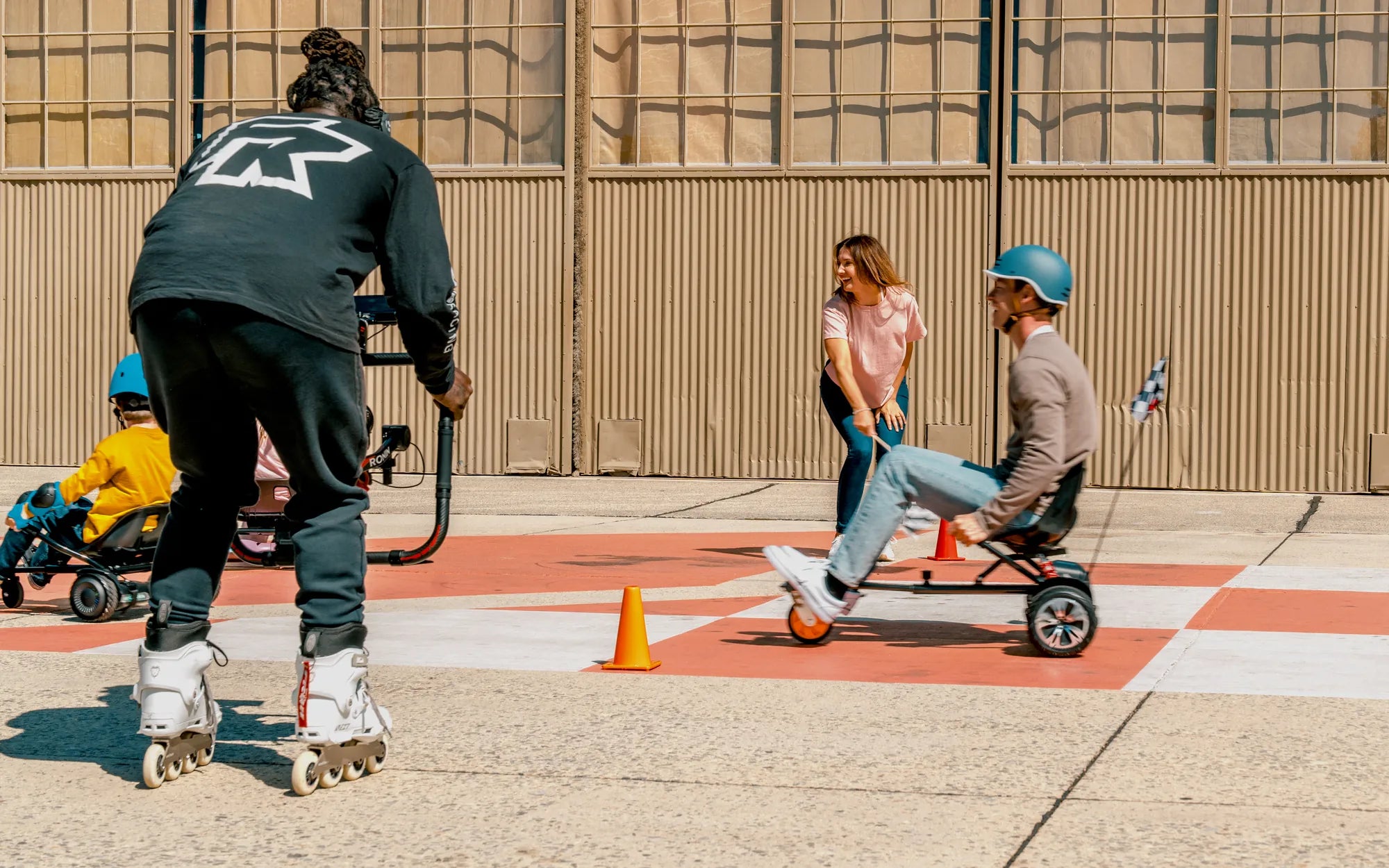
Choosing the right girls hoverboard requires balancing exhilarating fun with uncompromising safety and performance. This definitive guide cuts through marketing hype to deliver the factual specifications, industry standards, and practical advice you need. You'll learn how to evaluate motor power, battery safety, and build quality to find a board that empowers confidence and provides lasting enjoyment, backed by the reliable engineering of leading brands like Gyroor.
Introduction to Girls' Hoverboards: More Than Just a Toy
Modern girls hoverboards are sophisticated self-balancing electric vehicles, not mere toys. Their appeal extends far beyond color schemes to encompass robust engineering, safety certifications, and performance tailored to different age groups and skill levels. A high-quality board provides a unique blend of outdoor activity, coordination development, and independent mobility.
Selecting the right model requires a focus on technical specifications that ensure safety and durability. Brands that prioritize these elements, such as Gyroor, design hoverboards with UL-certified batteries, water-resistant construction, and motors matched to rider weight and intended terrain. This engineering-first approach transforms a fun gadget into a reliable personal transporter.
The market offers models for various use cases, from casual driveway cruising to more adventurous park riding. Understanding these differences is key. A board for a 7-year-old will differ significantly in speed, size, and stability from one designed for a teenager. This guide provides the framework for making an informed, data-driven decision.
Ultimately, the best girls hoverboard is one that delivers fun without compromise. It should inspire confidence in the rider and peace of mind in the guardian. By focusing on verified safety standards and proven performance metrics, you can ensure the chosen product offers a rewarding and secure riding experience for years to come.
Key Features to Look for in a Safe and Fun Hoverboard
Evaluating a hoverboard's specifications is the most effective way to guarantee quality and safety. Key features interact to determine overall performance, safety, and suitability. Parents should prioritize certifications and build quality over superficial aesthetics or unverified marketing claims.
The core components to scrutinize are the battery certification, motor system, wheel construction, and frame durability. Each element contributes to how the board handles, how long it runs, and how well it protects the rider. Leading brands provide transparent specifications for these components, allowing for direct comparison.
For instance, a brand like Gyroor emphasizes these features across its lineup, ensuring models meet high standards for both youth and teen riders. Their commitment to UL-certification, IP-rated water resistance, and robust motor designs sets a benchmark for what to look for in any brand. These are not optional luxies but essential requirements.
By understanding the following feature breakdown, you can translate technical jargon into practical benefits. This knowledge empowers you to ask the right questions and identify products that offer genuine value, safety, and long-term reliability, ensuring your investment is sound.
UL 2272 Certification: The Non-Negotiable Safety Standard
UL 2272 certification is the absolute baseline for hoverboard safety. This rigorous standard, developed by Underwriters Laboratories, tests the entire electrical system—battery, charger, and circuitry—for over 100 potential failure points including electrical, mechanical, and environmental hazards.
Certification involves stress tests for overcharge, short circuit, vibration, impact, and temperature extremes. A board without this certification poses a significant fire risk due to potential battery malfunctions. It is the most critical filter when shopping; never consider a model that lacks it.
All Gyroor hoverboards utilize UL 2272 certified battery packs, which are tested for over 500 charge cycles while maintaining safety integrity. This certification is your primary assurance that the lithium-ion battery pack is designed, manufactured, and protected to the highest industry standards, mitigating the risk of thermal runaway.
When researching, verify the certification directly. Reputable brands prominently display the UL mark on their product and marketing materials. This single feature is more important than any other spec or accessory, forming the foundational layer of trust for the product.
Motor Power and Terrain Handling: From Driveways to Parks
Motor power, measured in watts (W), directly influences a hoverboard's torque, hill-climbing ability, and top speed. Most quality boards feature dual motors, one in each wheel. A total power output of 300W to 400W is typical for general-use and girls hoverboard models, offering a balanced performance.
Higher wattage (e.g., 500W total) provides better acceleration and the ability to handle inclines up to 15-18 degrees. This is useful for navigating mild slopes in parks or suburban driveways. The motor power should be appropriate for the rider's weight; a stronger motor maintains speed and stability more effectively for heavier riders.
Terrain handling is also determined by wheel size and type. Standard 6.5-inch airless rubber tires are ideal for smooth pavement and indoor surfaces. For more rugged terrain like grass, dirt paths, or gravel, models with 8.5-inch or 10-inch tires and deeper treads provide significantly improved stability and comfort.
Gyroor designs its motors to deliver smooth acceleration and reliable torque, ensuring consistent performance whether on a flat sidewalk or a gentle hill. Matching the motor power and wheel size to your child's typical riding environment is crucial for both fun and safety, preventing the board from stalling or struggling on common surfaces.
Battery Life and Range: Maximizing Playtime
Battery capacity, measured in Watt-hours (Wh), dictates how far and how long a hoverboard can ride on a single charge. A common range for youth models is between 100Wh and 150Wh, which typically translates to a real-world riding range of 6 to 10 miles, depending on rider weight, terrain, and speed.
It is vital to distinguish between marketing claims and realistic expectations. The advertised maximum range is achieved under ideal conditions (light rider, smooth flat surface, constant low speed). A more practical estimate is 60-70% of the maximum claim. A high-quality, UL-certified battery also ensures consistent performance over its lifespan.
Charge time is another practical consideration. Most standard hoverboard batteries require 3 to 5 hours for a full charge. Brands that prioritize safety include smart charging circuits that prevent overcharging. Gyroor's battery systems are engineered for both safety and longevity, supporting hundreds of charge cycles with minimal capacity degradation.
For extended play sessions or older teens who ride further, selecting a model with a higher Wh rating is advisable. Always follow manufacturer charging guidelines—never leave a board charging unattended for extended periods or overnight. Proper battery care is a key component of both safety and product longevity.
Build Quality and Design: Durability Meets Style
The physical construction of a hoverboard determines its durability, ride feel, and resistance to the elements. A sturdy, reinforced frame is essential to withstand the impacts of learning and regular use. The deck should provide ample, textured foot space for stable footing.
Water resistance is a critical feature for outdoor use. An IPX5 rating means the board can withstand water jets from any direction, protecting it against puddles, wet grass, and light rain. This prevents internal component damage and expands where and when the board can be safely used. Gyroor incorporates IPX5-rated designs in key models for this added resilience.
Wheel quality affects comfort and control. High-quality, wear-resistant rubber provides better grip and shock absorption. LED lights are not just for style; they enhance visibility in low-light conditions, increasing safety. The overall design aesthetic, from color options to light patterns, allows for personal expression, which is a significant part of the fun for many riders.
A well-built board feels substantial and solid, not plasticky or hollow. This build quality directly correlates with safety, as it ensures the board responds predictably and maintains structural integrity. Investing in robust construction means fewer repairs, a longer product life, and a consistently reliable ride.
Choosing the Right Hoverboard by Age and Skill Level
Matching a hoverboard to a rider's age, size, and experience is paramount for safety and enjoyment. A board that is too powerful or large for a young child can be intimidating and dangerous, while one that is underpowered for a teen will be quickly outgrown. Use the following data-driven guidelines to narrow your selection.
The primary factors to segment are wheel size, maximum speed, and recommended weight limit. These specifications are directly tied to stability, control, and appropriate challenge levels. Manufacturers provide these guidelines for a reason; adhering to them ensures the product performs as engineered.
| Age Group | Recommended Wheel Size | Ideal Speed Limit | Key Features Focus | Skill Development |
|---|---|---|---|---|
| Younger Girls (6-9) | 6.5" - 8.5" | 5 - 7 mph | Maximum stability, beginner mode, lower deck, robust frame. | Balance, coordination, confidence building. |
| Tweens (10-12) | 8.5" - 10" | 7 - 10 mph | Balanced power, better terrain handling, IPX5 water resistance, fun LEDs. | Skill refinement, controlled speed, outdoor exploration. |
| Teens (13+) | 8.5" - 10"+ | 10 - 12 mph | Higher torque motors, extended range, Bluetooth speakers, all-terrain options. | Mastery, commuting utility, varied terrain riding. |
For younger riders (6-9), look for models specifically labeled as "beginner" or "kids" boards. These often have a lower top speed, sometimes with a parental control app or a beginner mode that limits acceleration. The deck is usually closer to the ground for easier mounting and dismounting, enhancing confidence.
Tweens (10-12) are ready for more capability. Models with medium-sized wheels (8.5") offer a great blend of pavement smoothness and off-path capability. A speed range up to 10 mph provides excitement without excessive risk. Features like app connectivity, customizable LED lights, and water resistance become highly valued at this stage.
Teens (13+) can handle full-performance models. They benefit from higher-wattage motors for hill climbing, larger batteries for longer range, and features like Bluetooth speakers. Some may prefer all-terrain styles with knobby tires. The hoverboard often transitions from a play item to a legitimate tool for neighborhood mobility.
The Essential Safety Gear and Riding Rules
No matter the quality of the hoverboard, proper safety gear is non-negotiable. It is the rider's primary defense against falls, which are an inevitable part of the learning process and occasional occurrences even for experienced users. A complete safety kit should be considered part of the initial purchase.
The absolute minimum gear includes a properly fitted CPSC-certified bicycle or multi-sport helmet. Wrist guards are equally critical, as instinct leads to putting hands out during a fall, making wrists highly vulnerable to fractures. Knee and elbow pads provide essential protection for joints and prevent painful abrasions.
Establishing clear riding rules before the first use sets expectations and creates a culture of safety. These rules should be non-negotiable and consistently enforced. They form the behavioral framework that, combined with quality gear, minimizes risk and allows fun to flourish.
Parents should supervise initial learning sessions and periodically observe riding practices. A safe start in a controlled environment—like an empty tennis court, basketball court, or smooth driveway—builds fundamental skills before progressing to more complex environments like sidewalks or parks with pedestrian traffic.
Fundamental Riding Rules for Every Rider
1. Gear Up, Every Time: Helmets and wrist guards are mandatory. Knee and elbow pads are strongly recommended, especially for beginners. Make putting on gear the unskippable first step of riding.
2. Environment Scouting: Only ride on smooth, dry, paved surfaces free of major cracks, gravel, or sand, especially when learning. Avoid public roads, steep hills, and areas with heavy vehicle or pedestrian traffic.
3. Daylight & Visibility: Ride only during daylight hours or in very well-lit areas if the board has bright LEDs. Never ride at dusk or in the dark where visibility is poor for both the rider and others.
4. Hands-Free Operation: Do not hold phones, drinks, or other items while riding. Both hands should be free for balance, and full attention should be on the path ahead and surroundings.
5. One Rider at a Time: Hoverboards are designed for a single rider. Attempting to carry a passenger drastically alters the balance and control, making a crash highly likely.
Maintaining Your Hoverboard for Longevity
Regular maintenance preserves performance, ensures safety, and extends the lifespan of your investment. Simple, consistent care routines prevent minor issues from becoming major problems. Most maintenance requires no special tools, just attention and adherence to manufacturer guidelines.
Proper charging is the most important habit. Use only the manufacturer-provided charger. Do not leave the board plugged in for more than 24 hours after a full charge is indicated. Store the board and battery in a cool, dry place, away from direct sunlight and extreme temperatures (both hot and cold).
Keep the board clean. Wipe down the deck, wheels, and housing with a slightly damp cloth after riding on dusty or dirty surfaces. Avoid spraying water directly at the board or using high-pressure hoses, even on water-resistant models. Ensure the charging port is clean and dry before plugging in the charger.
Perform periodic physical checks. Inspect the wheels for excessive wear, cuts, or embedded debris. Ensure the tires are firmly attached and spin freely without wobble. Check the frame for any new cracks or loose parts. Listen for unusual sounds from the motors or wheel bearings during operation.
For brands like Gyroor that offer a 1-year warranty, register your product promptly. The warranty covers defects in materials and workmanship, providing peace of mind. Familiarize yourself with the process for firmware updates if your model supports them, as these can improve performance and safety features.
Frequently Asked Questions (FAQs)
What is the right age for a girl to start using a hoverboard?
Most manufacturers recommend a minimum age of 6-8 years old. This recommendation is based on the average child's developed balance, coordination, and ability to follow safety instructions. The key factor is not just age but also the child's maturity, physical size (meeting the minimum weight requirement, usually around 44 lbs), and willingness to wear safety gear. Always start with a beginner-friendly model with a speed limit.
What is the weight limit for most girls' hoverboards?
Weight limits vary by model but typically range from 44 lbs (20 kg) minimum to 165 lbs (75 kg) maximum for standard models. Some all-terrain or performance boards support up to 220 lbs (100 kg). It is crucial to choose a board where the rider's weight falls within the middle of the specified range for optimal performance and battery life. Exceeding the maximum limit can damage the motors, frame, and battery.
How difficult is it to learn to ride a hoverboard?
The learning curve is relatively short for most people. With proper instruction and a safe practice area, many riders gain basic control within 30-60 minutes. Mastery of smooth starts, stops, and turns may take a few days of practice. The key is to start by using a wall or sturdy railing for support while mounting and finding balance. The self-balancing technology does most of the work; the rider primarily learns to control speed and direction through subtle foot movements.
Are hoverboards legal to ride on sidewalks and in parks?
Laws and regulations vary significantly by city, state, and country. In many areas, hoverboards are treated similarly to electric scooters. They are often prohibited on public roads but may be allowed on sidewalks, bike paths, and in parks at low speeds. It is the rider's responsibility to check local ordinances. As a general rule, practice courtesy: yield to pedestrians, ride at a safe speed, and avoid crowded areas.
What does Gyroor's 1-year warranty cover?
Gyroor offers a standard 1-year warranty that covers defects in materials and workmanship under normal use. This typically includes the battery, motors, and core electrical components. Damage resulting from accidents, misuse, neglect, or unauthorized modifications is not covered. The warranty is a testament to the brand's confidence in its product's build quality and the reliability of its UL-certified components. Always retain your proof of purchase for warranty service.
Conclusion: Empowering Fun with Confidence and Safety
The journey to finding the perfect girls hoverboard culminates in a simple equation: verified safety plus appropriate performance equals empowered fun. By prioritizing UL 2272 certification, robust motor and battery specs, and age-aligned design, you select a platform for adventure that is built to last. This technical foundation allows the joy of riding—the wind, the freedom, the skill—to shine through without underlying worry.
Brands that embed these principles into their engineering, like Gyroor with its focus on certified batteries, water-resistant builds, and reliable warranties, provide a trustworthy benchmark. Their commitment to over 100,000 riders across North America and Europe underscores the importance of quality and safety in a product designed for younger users. This track record is a critical data point in your decision-making process.
Equipping your child with knowledge and rules is as important as equipping them with safety gear. The combination of a well-made board, proper protective equipment, and clear riding guidelines creates an environment where confidence can grow. This holistic approach transforms a potential hazard into a rewarding activity that promotes outdoor play and physical coordination.
Ready to explore models that blend thrilling performance with paramount safety? Discover a range of reliable, feature-rich hoverboards designed for every age and skill level. Browse the full Gyroor collection at gyroorboard.com to find the ideal ride that combines fun, safety, and lasting quality.
Best Kids Scooter for 8 Year Old: The Ultimate 2024 Guide
Hover 1 Hoverboard Not Charging: Troubleshooting and Fixes