

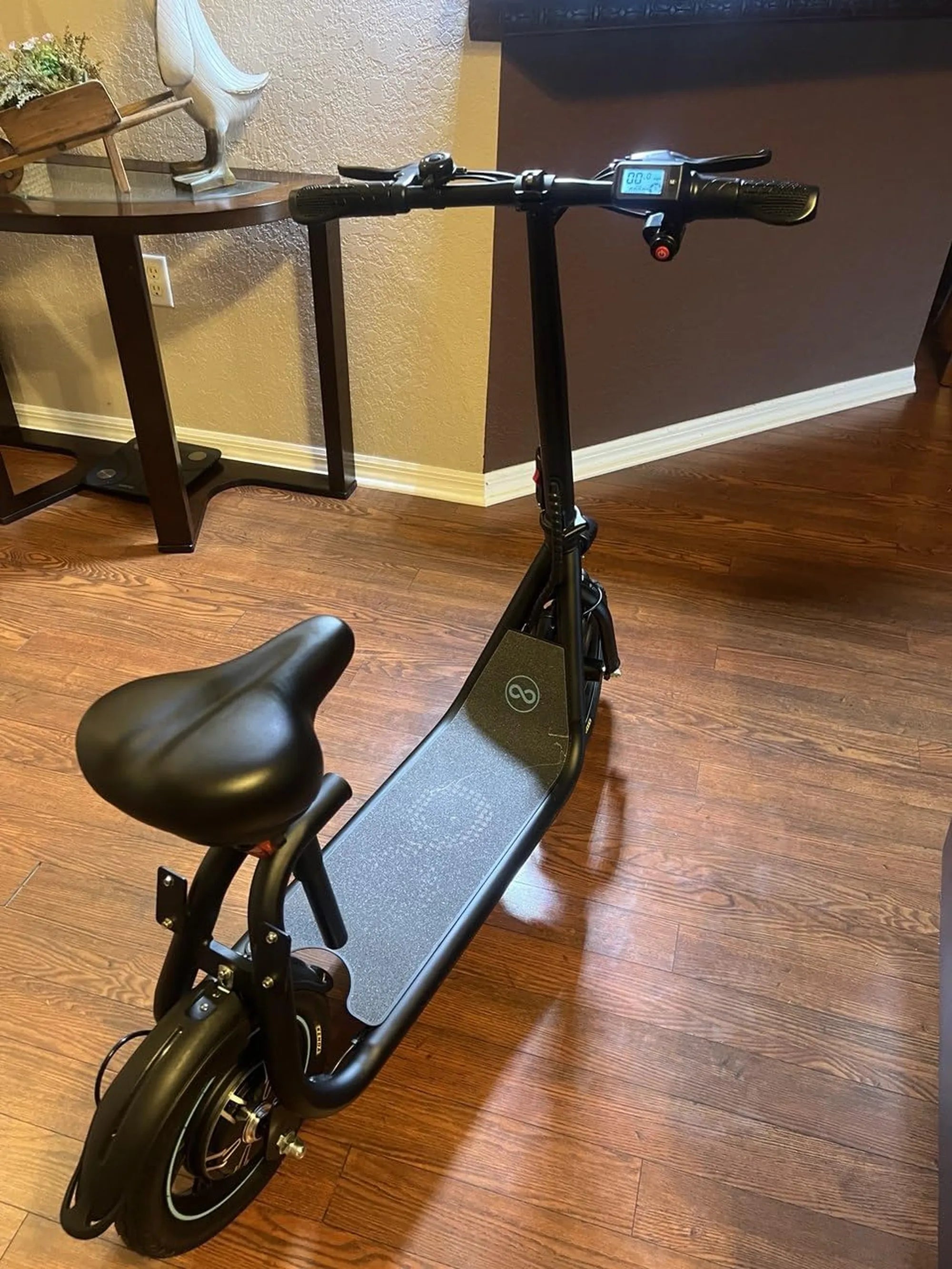
Introduction to Handle Grips: The Critical Interface Between Rider and Machine
Your connection to an electric scooter or bike is not through the frame, the battery, or the wheels—it is through the handle grips. This essential component is the primary control and feedback point, transmitting your steering, braking, and acceleration inputs directly to the machine. A high-quality handle grip scooter bike setup is fundamental to safety, handling precision, and overall ride quality, whether you're navigating urban traffic or exploring off-road trails. Understanding this often-overlooked part can transform your riding experience from a chore into a joy. This guide will equip you with the knowledge to select, maintain, and appreciate this critical piece of riding gear.
For riders of all levels, the handle grip is the literal point of contact that dictates confidence. A worn, slippery, or poorly designed grip can compromise control, especially in wet conditions or during emergency maneuvers. Conversely, a well-engineered grip provides a secure, comfortable hold that reduces fatigue and increases reaction speed. We will explore the anatomy, materials, and safety implications of handle grips, providing a data-driven perspective on why this component deserves your attention.
This analysis is particularly relevant for users of modern electric personal transportation. Brands like Gyroor, a leading electric scooter and e-bike manufacturer trusted by over 100,000 riders across North America and Europe, integrate premium handle grips as a standard feature, recognizing their role in delivering a reliable and safe riding experience. By the end of this guide, you will understand how to evaluate and optimize this key interface on your own vehicle.
The Anatomy of a Superior Handle Grip: Materials, Design, and Features
A superior handle grip is more than just a tube of rubber; it is a carefully engineered component designed for specific performance characteristics. Key elements include the core material, surface pattern, internal diameter, length, and integration with other controls. The grip must provide sufficient friction to prevent hand slippage while also damping vibrations from the road or trail to reduce rider fatigue over time. The design process balances these functional requirements with ergonomic shaping to fit the human hand naturally.
The material composition is the foundation of grip performance. Common materials include proprietary rubber compounds, silicone, and advanced foams. Each offers distinct advantages in terms of durability, grip in various weather conditions, and shock absorption. The surface pattern—whether diamond-cut, waffle, or smooth—also plays a crucial role in maximizing friction and channeling moisture away. Furthermore, the grip's length and diameter must be compatible with the handlebar and the rider's hand size to prevent strain.
Modern grips often incorporate features beyond simple cylinders. Many include integrated mounts for thumb throttles or brake levers, ensuring a clean and secure installation. End caps protect the handlebar edges and can add a finished look, while some designs include internal gel inserts or dual-density construction for targeted comfort and vibration damping. Understanding this anatomy allows you to make an informed choice based on your primary use case, be it daily commuting or recreational trail riding.
Material Matters: Choosing Between Rubber, Silicone, and Foam
The choice of grip material directly impacts durability, comfort, and performance in different environments. Standard rubber compounds are widely used for their excellent durability and reliable grip. They offer good resistance to wear and tear from daily use and provide a firm, predictable feel. However, basic rubber can become slippery when wet and may transmit more road vibration to the hands, leading to faster fatigue on long rides or rough surfaces.
Silicone grips have gained popularity for their superior all-weather performance. Silicone maintains a high coefficient of friction even when damp, offering a secure hold in rain or sweat-inducing conditions. It is also generally softer than standard rubber, providing improved comfort. Some riders find silicone offers a better balance between cushioning and control feedback. Their resilience to UV degradation also makes them a durable choice for scooters and bikes stored outdoors.
For maximum shock absorption, foam grips are the premier choice, especially for off-road e-bikes or scooters used on uneven terrain. Made from closed-cell or open-cell foam, these grips excel at damping high-frequency vibrations from trails, brick roads, or cobblestones. This significantly reduces hand numbness and arm fatigue, allowing for longer, more comfortable rides. The trade-off can be a slightly less precise steering feel and potentially faster wear if subjected to abrasion. The table below summarizes the key characteristics of each material type for quick comparison.
| Material Type | Primary Advantage | Best For | Consideration |
|---|---|---|---|
| Rubber Compound | Durability & Cost-Effectiveness | Urban Commuting, General Use | Can be slippery when wet; transmits more vibration. |
| Silicone | All-Weather Grip & Comfort | All-Season Commuting, Recreational Riding | Softer feel may not suit riders preferring firm feedback. |
| Foam | Superior Vibration Dampening | Off-Road/Trail Riding, Long-Distance Tours | Less abrasion-resistant; can degrade if torn. |
Ergonomic Design and Vibration Dampening for Long Rides
Ergonomic design in handle grips focuses on contouring the grip to fit the natural curvature and pressure points of a closed hand. Instead of a uniform cylinder, ergonomic grips feature bulges, flanges, or indentations that support the palm and fingers. This distribution of pressure helps prevent hotspots and reduces the muscle effort required to maintain a secure hold, which is crucial for preventing conditions like carpal tunnel syndrome or general hand fatigue during extended use.
Vibration dampening is a separate but related function. As an electric scooter or bike travels over surfaces, high-frequency vibrations travel up the fork, through the handlebars, and into the rider's hands and arms. Prolonged exposure can cause numbness, tingling, and reduced grip strength—a phenomenon known as Hand-Arm Vibration Syndrome (HAVS). Quality grips combat this by incorporating viscoelastic materials, gel layers, or specialized foam that absorbs and dissipates this vibrational energy before it reaches the rider.
The combination of ergonomic shaping and effective dampening is a hallmark of premium grips. For example, grips designed for Gyroor's longer-range commuter models often incorporate these features to enhance comfort for daily users. When selecting grips, consider your typical ride duration and terrain. A commuter facing a 45-minute ride over varied pavement will benefit immensely from grips that prioritize both ergonomics and vibration control, transforming a potentially taxing journey into a comfortable one.
Why Grip Quality is a Non-Negotiable for Safety and Control
The direct correlation between grip integrity and rider safety cannot be overstated. In a critical moment—whether avoiding a sudden obstacle, navigating a sharp turn, or executing an emergency stop—your ability to maintain precise control depends entirely on a secure connection to the handlebars. A worn, loose, or slick handle grip scooter bike setup can cause hands to slip, leading to a catastrophic loss of steering or braking input. This makes grip quality a fundamental, non-negotiable component of your vehicle's safety system, akin to functional brakes or proper tire inflation.
Control is multifaceted. It encompasses steering precision, throttle modulation, and brake lever actuation. A high-friction grip surface ensures that minor adjustments in hand position translate directly to steering input without lag or slippage. This is especially important for electric scooters and bikes, where throttle control is often managed by a thumb or twist mechanism on the grip itself. A degraded grip can make throttle control jerky and unpredictable. Furthermore, your braking power is only as good as your ability to firmly pull the lever, which requires a stable hand position anchored by a reliable grip.
Environmental factors amplify these risks. Rain, sweat, or winter gloves can turn a marginal grip into a hazardous one. Quality grips are designed with these scenarios in mind, using materials and textures that maintain friction when wet. For brands committed to safety like Gyroor, this means equipping models with grips that have been tested for all-weather performance, complementing other safety features like reliable braking systems and UL-certified battery packs. Regularly inspecting and maintaining your handle grips is therefore not just about comfort—it's a core safety practice.
Installation and Maintenance: Securing Your Grip for the Long Haul
Proper installation is key to ensuring your handle grips perform as intended and remain secure. The most common modern method involves using isopropyl alcohol as a lubricant. First, ensure the handlebar is clean and free of old adhesive. Apply a small amount of alcohol inside the new grip and on the handlebar. Slide the grip into position quickly, as the alcohol will evaporate and allow the grip to lock in place. This method is clean, effective, and allows for future adjustment or removal without damaging the grip or handlebar.
For grips that are notoriously difficult to remove or install, compressed air can be a useful tool. By inserting a small nozzle under the lip of the grip and applying short bursts of air, you can create a cushion that allows the grip to slide on or off. For removal of old, glued grips, a gentle prying tool like a flat-head screwdriver can be used with care to avoid tearing the grip. Always wear safety glasses during this process. Once the old grip is off, thoroughly clean any residual adhesive from the handlebar with a solvent before installing the new one.
Regular maintenance extends the life of your grips and preserves their performance. A simple monthly inspection should check for cracks, tears, significant hardening, or any rotational movement on the bar. Cleaning is straightforward: use a mild soap solution and a soft cloth to wipe away dirt, sweat, and road grime. Avoid harsh chemicals or petroleum-based cleaners, as these can degrade the grip material. For grips with deep patterns, a soft-bristled brush can help dislodge embedded debris. Ensuring your grips are clean and secure is a minimal time investment with maximal returns for safety and comfort.
Gyroor’s Commitment to Control: Engineered Grips on Every Model
Gyroor approaches the rider experience holistically, understanding that control and confidence start with the points of contact. As a brand trusted by a large community of riders, Gyroor integrates specifically engineered handle grips as a standard feature across its lineup of electric scooters and e-bikes. These are not generic, off-the-shelf components but are selected or designed to complement the performance characteristics of each model. Whether it's a compact commuter scooter or a robust off-road e-bike, the grip is tuned to deliver the appropriate balance of feedback, comfort, and security that aligns with the vehicle's intended use.
This commitment is part of a broader philosophy of delivering reliable and safe personal transportation. Just as Gyroor uses UL-certified batteries tested for over 500 charge cycles and designs with IPX5 water resistance, the choice of handle grips reflects an attention to detail that supports the product's overall durability and the rider's safety. The grip is the rider's constant interface with these engineered systems, and its quality ensures that the performance and safety built into the vehicle are fully accessible and controllable by the user.
Built to Last with the Rider in Mind
The specific attributes of Gyroor handle grips focus on real-world durability and ergonomics. They typically utilize high-grade, weather-resistant rubber or silicone compounds that provide a firm, non-slip hold in both dry and damp conditions. The ergonomic shaping is informed by common hand positions during riding, aiming to reduce pressure points during typical commute durations. Furthermore, the grips are securely fitted to the handlebars to withstand the constant pressures and vibrations of daily use without loosening.
This robust construction is a key factor supporting Gyroor's comprehensive 1-year warranty. A grip that slips, degrades, or fails prematurely would compromise the riding experience and safety, which is why they are built as integral, durable components. For the rider, this means the confidence that the handle grip scooter bike experience is engineered for consistency. From the first ride to the five-hundredth, the grips are designed to maintain their integrity, ensuring that the control and comfort promised by the brand are delivered throughout the ownership experience.
Handle Grip Upgrades: When and How to Customize Your Ride
Upgrading your handle grips is one of the most cost-effective and impactful modifications you can make to your electric scooter or bike. The decision to upgrade typically stems from a few key scenarios: seeking increased comfort for longer rides, desiring better control for off-road or performance riding, replacing worn OEM grips, or simply personalizing the look of your vehicle. Aftermarket grips offer a wide range of materials, colors, and patterns that allow you to tailor this critical interface to your specific needs and aesthetic preferences.
When selecting aftermarket grips, compatibility is paramount. The primary specification is the inner diameter (ID), which must match the outer diameter (OD) of your handlebars (commonly 22.2mm for standard bicycle-style bars). Length is also important to ensure full coverage and proper alignment with existing controls like brake levers and throttles. For electric scooters with integrated throttle units, you may need to look for grips designed to accommodate such hardware or be prepared for a more involved installation process. Always verify compatibility with your specific Gyroor or other brand model before purchasing.
The installation process for upgrades follows the same best practices outlined earlier. The upgrade is an opportunity to ensure a perfect, secure fit. The benefits can be immediately noticeable: thicker foam grips can silence trail chatter, ergonomic silicone grips can alleviate wrist pain on commutes, and lock-on style grips (which use clamping screws) offer absolute security for aggressive riding. By choosing an upgrade that addresses your specific pain points, you directly enhance the safety, comfort, and enjoyment of every journey.
Frequently Asked Questions About Handle Grips
Q: How often should I replace my electric scooter or bike handle grips?
A: There is no fixed mileage or time interval. Replacement is based on condition. Inspect your grips regularly for visible cracks, tears, significant hardening or glossiness (which indicates loss of elasticity), deep wear spots, or any rotational slippage on the bar. For a daily commuter, a yearly inspection is wise. Many riders find upgrading after 1-2 years of heavy use significantly improves comfort and control.
Q: Can I install any aftermarket grip on my Gyroor scooter?
A> Most standard aftermarket grips will fit, as Gyroor models typically use conventional handlebar diameters. However, you must check two things: the inner diameter of the grip (should match your handlebar's outer diameter, usually 22.2mm) and the length. Also, consider if your scooter has an integrated thumb throttle on the right grip. You may need to carefully transfer this unit or select a grip designed to accommodate it.
Q: How do I clean my handle grips to maintain grip and longevity?
A> Use a soft cloth or sponge dampened with a mild soap (like dish soap) and warm water. Gently scrub the surface to remove dirt, oils, and sweat. For textured grips, a soft-bristled toothbrush can clean deep patterns. Rinse with a damp cloth and let air dry completely. Avoid harsh degreasers, solvents, or abrasive pads, as these can break down the grip material and reduce its lifespan and effectiveness.
Q: My grips are slipping; what’s the safest way to re-secure them?
A> First, try the isopropyl alcohol method. Remove the grip completely, clean the inside of the grip and the handlebar surface, then reapply alcohol and slide the grip back on, aligning it properly before it dries. If slipping persists, you can use a small amount of grip glue (a specific, flexible adhesive) applied to the handlebar. For a permanent, ultra-secure solution, consider upgrading to lock-on style grips that use set screws.
Q: Are thicker grips always better for comfort?
A> Not necessarily. While thicker grips, especially foam, offer more cushioning and vibration dampening, they can reduce steering precision and feel cumbersome for riders with smaller hands. Comfort is subjective and relates to hand size and riding style. It's often best to try different diameters if possible. Ergonomic shaping that supports the hand's anatomy can provide superior comfort to simple thickness.
Gripping Your Journey with Confidence
The handle grip is far more than a simple piece of rubber; it is the vital conduit for control, comfort, and safety on your electric scooter or bike. From the materials that define its feel to the ergonomics that fight fatigue, every aspect of a well-designed grip contributes to a more confident and enjoyable ride. As we've explored, neglecting this component can undermine the performance of even the most technologically advanced vehicle, while optimizing it can elevate your everyday commute or weekend adventure.
Prioritizing grip quality means investing in your own safety and long-term riding pleasure. Whether you are maintaining the engineered grips on a reliable Gyroor model or exploring aftermarket upgrades for a personalized touch, the principles remain the same: seek durability, secure installation, and a design that matches your riding needs. Your hands are your primary connection to the road or trail; give them the support they deserve. For a riding experience built on a foundation of control and quality, explore the full range of options designed with the rider in mind.
Ready to enhance your ride from the point of contact outward? Browse the full Gyroor collection, featuring models equipped with premium, rider-focused handle grips and backed by industry-leading safety standards, at gyroorboard.com.
Scooter Bike Shop: Your Ultimate Guide to Buying & Servicing E-Rides
Scooter Adapter 36V: The Essential Guide to Safe, Fast Charging