

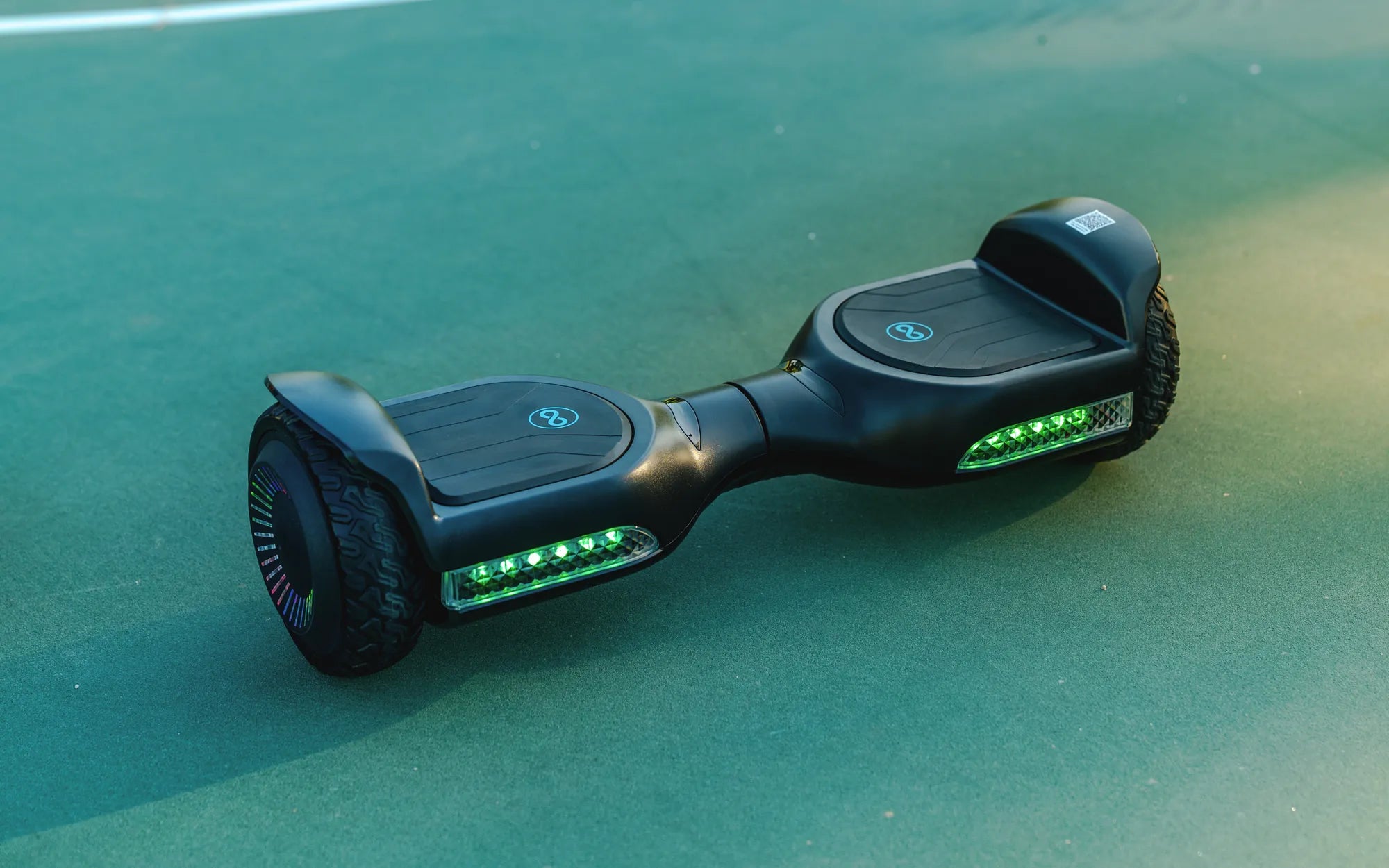
Choosing the right scooter for an active child means navigating a market filled with vague claims. Parents need a solution that won't buckle under daily abuse, provides stability during inevitable falls, and represents a true long-term value. A heavy duty scooter for kids is engineered specifically for resilience, combining robust materials with advanced safety systems. This guide will dissect the engineering behind true durability, outline non-negotiable safety features, and provide a clear framework for selecting a model that matches your child's adventure level. You'll learn how brands like Gyroor, trusted by over 100,000 riders, build scooters to rigorous standards with UL-certified batteries and IPX5 water resistance, ensuring the scooter is a partner in fun, not a source of worry.
Why a Heavy-Duty Scooter is a Smart Investment for Active Kids
The primary cost of a children's scooter isn't its price tag, but its total cost of ownership. A standard scooter may last a single season before a cracked deck, bent handlebar, or failed bearing renders it unusable. A heavy duty scooter for kids is designed from the ground up to withstand the rigorous demands of daily play, jumps off curbs, and rides over rough pavement. This durability translates directly to safety, as a structurally sound scooter is less likely to fail catastrophically during use.
Investing in a heavier-duty model mitigates the cycle of frequent, cheap replacements. It provides a stable, predictable platform that helps children develop riding confidence and skill. The engineering priorities shift from minimal cost to maximum impact resistance, using materials and designs proven in more demanding applications. For parents, this means reduced anxiety and a product that grows with the child's abilities.
Data from consumer reviews and warranty claims consistently shows that scooters with over-engineered components have a significantly longer operational lifespan. Brands that focus on durability, such as Gyroor, often support their products with comprehensive warranties, reflecting confidence in their construction. This peace of mind is a critical part of the value proposition.
Ultimately, a heavy-duty scooter is an investment in uninterrupted adventure. It ensures the scooter is a tool for exploration and exercise, not a disposable toy that falters when the fun gets serious. The following sections will detail the specific features that separate a truly durable scooter from a merely sturdy-looking one.
What Makes a Scooter "Heavy-Duty"? Key Engineering Features Explained
The term "heavy-duty" is often used loosely. In engineering terms, it refers to a product built to specifications that exceed normal operating demands. For a kids' scooter, this involves a combination of material science, mechanical design, and stress testing. It's not just about supporting more weight; it's about creating a system that absorbs and dissipates energy from impacts without compromising integrity.
Key areas of focus include the load-bearing frame, the impact-absorbing wheels and suspension, and the control systems like brakes. Each component must be selected and assembled with a margin of safety. This over-engineering is what allows a heavy duty scooter for kids to handle the unpredictable nature of child's play, from sudden stops to unintended encounters with potholes.
Frame & Deck Construction: Aluminum Alloy vs. Steel
The frame is the scooter's skeleton. While steel is strong, it is also heavy and prone to corrosion if the finish is compromised. Aerospace-grade aluminum alloys, particularly series 6061-T6, have become the gold standard. This material offers an exceptional strength-to-weight ratio, is naturally corrosion-resistant, and can be extruded into complex shapes for optimal stiffness.
A heavy-duty frame uses thicker tubing and reinforced welding points at critical stress junctions, such as where the steering column meets the deck. The deck itself should be wide enough for a stable footing and feature a textured, abrasive grip tape or rubberized coating to prevent slips. A rigid, wobble-free connection between all components is non-negotiable for control and safety.
Wheel Size, Material, and Suspension Systems
Wheels are the primary interface with the ground. Larger diameter wheels (200mm or more) roll over cracks and debris more easily than smaller ones. High-rebound polyurethane (PU) is the preferred material for its balance of grip, durability, and speed. Some off-road models use air-filled pneumatic tires for superior shock absorption.
Suspension is crucial for a heavy-duty ride. A simple rubber bushing in the steering column can help dampen vibrations. More advanced systems use coil-spring or hydraulic suspensions on the front wheel, rear wheel, or both. This not only improves comfort but, more importantly, keeps the wheels in contact with the ground for better control and braking on rough surfaces.
Braking Systems: Safety and Control Under Pressure
A reliable brake is the most critical safety feature. Rear fender brakes, where you press down on the fender, are common but can wear quickly and lose effectiveness when wet. A dedicated foot brake on the rear fender offers more progressive control. The highest level of performance comes from a disc brake system, similar to those on bicycles.
A mechanical or hydraulic disc brake provides consistent, strong stopping power in all weather conditions. It allows for modulation—the ability to apply just the right amount of pressure—which is key for a child learning control. For any heavy duty scooter for kids, especially electric models with higher speeds, a high-performance brake is not a luxury; it's a necessity.
Weight Capacity and Its Importance for Longevity
A manufacturer's maximum weight rating is a key indicator of overall robustness. A rating of 220 lbs (100 kg) on a child's scooter doesn't mean it's intended for adults. It signals that components like the deck, axle, bearings, and frame have been significantly over-engineered.
This engineering margin means that when a 70-pound child rides the scooter, the components are operating well below their stress limits. This reduces wear and tear, prevents premature fatigue failure, and ensures the scooter remains safe and responsive over years of use. Always choose a scooter with a weight capacity at least 50-70 lbs greater than your child's current weight.
Safety First: Non-Negotiable Features for Your Child's Ride
Durability provides passive safety by preventing failures. Active safety features are those that help prevent accidents and minimize injury when they occur. A truly safe heavy duty scooter for kids integrates both philosophies into its design. Parents should view these features as essential, not optional.
The goal is to create a stable, predictable, and visible riding experience. This involves the physical geometry of the scooter, its lighting systems, and the non-negotiable requirement for proper protective gear. Safety is a system, and every component must work together.
The Stability Trinity: Wide Deck, Low Center, and Handlebar Design
Stability is engineered. A wide deck (over 5 inches) provides ample foot placement, allowing for quick weight shifts. A lower deck height lowers the center of gravity, making the scooter less tippy during turns. The handlebars should be adjustable in height to fit the child's posture, encouraging a slight bend in the elbows for optimal control.
T-bar style handlebars are standard and offer good leverage. The grip material must be non-slip and ergonomic. Some advanced models feature rubberized or textured ends to prevent hands from slipping off. This combination of a wide base, low center, and properly fitted controls gives the rider maximum confidence and control.
Reliable Lighting and Visibility Considerations
Visibility is critical, even for daytime riding near roads or in shaded areas. Integrated LED lighting is a must-have for modern heavy-duty scooters. A bright white headlight illuminates the path ahead, while a red taillight, often with a brake-light function, makes the rider visible from behind.
These lights should be powered by the main battery (on e-scooters) or have long-lasting independent batteries. Reflective stickers or side reflectors provide a secondary, passive visibility system. Teaching a child to ride only with lights activated, just like a car, instills crucial safety habits.
Helmet and Protective Gear: The Essential Companion
No scooter, regardless of its build quality, replaces proper protective gear. A CPSC-certified bicycle helmet is an absolute minimum. It should fit snugly, sitting level on the head and covering the forehead. Knee and elbow pads are highly recommended, especially for beginners or those riding on challenging terrain.
Wrist guards can be particularly effective at preventing common fall injuries. Gear should be presented as a non-negotiable part of the riding ritual, just like putting on a seatbelt. Investing in high-quality, comfortable protective gear increases the likelihood that a child will wear it consistently.
Gyroor's Approach to Building a Truly Heavy-Duty Scooter
Gyroor's product philosophy aligns directly with the demands of a heavy duty scooter for kids. As a leading electric scooter and e-bike brand trusted by over 100,000 riders across North America and Europe, their engineering focuses on verified safety, environmental resilience, and long-term reliability. This translates into specific design and component choices that set their scooters apart.
By prioritizing certified components and rigorous testing, Gyroor builds products designed to be partners in a child's adventure, not liabilities. Their approach demonstrates how brand promises are made concrete through material and electrical engineering.
Engineered for Impact: UL-Certified Batteries and Robust Wiring
For electric models, the battery is the heart of the system. Gyroor uses UL 2271 certified battery packs in all its models. This certification involves extensive testing for electrical, mechanical, and environmental safety, including overcharge, short circuit, and impact tests. It's a guarantee of both fire safety and long-term reliability.
Beyond the cell certification, the battery housing and the scooter's internal wiring harness are designed to withstand vibrations and minor impacts. Connectors are sealed, and wires are routed away from pinch points. This attention to detail ensures consistent power delivery and prevents electrical faults that could strand a rider or cause a malfunction.
Weathering the Elements: The Meaning of IPX5 Water Resistance
An IP (Ingress Protection) rating defines a product's resistance to solids and liquids. Gyroor designs its scooters to an IPX5 standard. The "X" means it's not specifically rated for dust, but the "5" is crucial: it means the scooter can withstand water jets from a nozzle (6.3mm) from any direction.
In practical terms, IPX5 means the scooter is fully protected against rain, riding through puddles, and splashes from wet roads. It protects the motor, controller, and battery compartment. This level of water resistance is essential for real-world use, preventing corrosion and electrical failure, and giving parents one less thing to worry about when the weather changes.
Peace of Mind: What the 1-Year Comprehensive Warranty Covers
A warranty is a manufacturer's confidence quantified. Gyroor's standard 1-year comprehensive warranty covers defects in materials and workmanship for the frame, electronics, motor, and battery. This includes labor for repairs or part replacements.
This warranty acts as a safety net, ensuring that any premature component failure is addressed without significant cost to the parent. It underscores the brand's commitment to durability and customer support, transforming the scooter from a product into a long-term service. It's a critical part of the total value equation for a heavy-duty purchase.
Choosing the Right Model: A Comparison for Different Ages and Terrains
Selecting the ideal heavy duty scooter for kids requires matching the scooter's capabilities to the rider's age, skill, and typical riding environment. The table below provides a clear comparison to guide this decision.
| Rider Profile & Use Case | Recommended Features | Gyroor Model Example | Key Considerations |
|---|---|---|---|
| Ages 8-12: Neighborhood & Park | Speed: 10-15 mph max, pneumatic tires, essential LED lights, rear fender brake, beginner speed mode. | Gyroor S1 / Kid's Models | Balance of power and safety. Look for adjustable handlebars and a weight capacity of ~150 lbs+. Focus on learning control. |
| Teen Riders & Commuters | Speed: 15-20 mph, range 15+ miles, disc or advanced brake, enhanced suspension, brighter lighting. | Gyroor S Max / Commuter Series | Performance for longer distances. Reliability is key. Check for app connectivity for speed limiting and battery monitoring. |
| Off-Road & Rough Terrain | Large pneumatic tires (≥10"), full suspension, high-torque motor, high ground clearance, robust frame. | Gyroor H30 / Off-Road Models | For hard-packed trails, gravel, grass. Prioritize suspension travel and tire tread. Speed is less important than torque and stability. |
Age 8-12: Balancing Power with Manageability
For this age group, the scooter is a primary tool for local exploration. The focus should be on stability, manageable speed, and ease of use. A speed cap of 10-15 mph is appropriate, often with a selectable beginner mode that limits it to 7-8 mph. Pneumatic or large PU wheels smooth out sidewalk cracks.
Basic but bright LED lighting is essential. The braking system should be intuitive, like a progressive foot brake. The scooter should feel solid but not overwhelmingly heavy. This is the stage where proper riding habits and respect for the machine are formed.
Teen Riders & Commuters: Performance and Range for Longer Rides
Teens may use a scooter for commuting to school, friends' houses, or part-time jobs. Here, range (15+ miles), a higher top speed (up to 20 mph), and comfort over longer periods become priorities. A dual suspension system and a wider deck are beneficial.
A high-performance braking system, like a disc brake, is critical for safety at these speeds. App connectivity can offer valuable features like customizable speed limits, trip tracking, and diagnostic checks. The scooter transitions from a toy to a legitimate personal transport device.
Off-Road Capable Models: For Trails and Rough Pavement
These are the most heavy-duty of the category, built for unpaved paths, fields, and challenging urban landscapes. Key features include large, knobby pneumatic tires for traction, several inches of suspension travel to absorb big bumps, and a high-torque motor to maintain momentum on inclines.
The frame is typically the most robust, with extra reinforcement. Ground clearance is increased to avoid bottoming out. These models are for the adventurous rider who treats the scooter more like a mountain bike, seeking out varied terrain rather than avoiding it.
Maintenance Checklist: Keeping Your Heavy-Duty Scooter in Top Shape
Even the most durable scooter requires basic maintenance to perform safely for years. A simple, regular checklist can prevent minor issues from becoming major failures. This routine should be performed monthly, or more often with frequent use.
Establishing these habits early also teaches children responsibility for their equipment. A well-maintained scooter is a safer, more reliable, and more enjoyable scooter.
- Bolt and Fastener Check: Use the provided tools to ensure all bolts (stem, handlebar, wheel axles) are tight. Vibration can loosen them over time.
- Tire Inspection: For pneumatic tires, check pressure with a gauge and inflate to the PSI printed on the sidewall. For PU wheels, look for deep cuts, chunks missing, or excessive wear.
- Brake Test & Adjustment: Test the brake at low speed. For disc brakes, check pad wear. For fender brakes, ensure the fender makes firm contact and isn't overly worn. Adjust cable tension if provided.
- Battery Care (E-Scooters): Avoid fully draining the battery. Store in a cool, dry place. If storing for more than a month, charge to about 60%. Use only the manufacturer-provided charger.
- Cleaning: Wipe down the scooter with a damp cloth. Avoid high-pressure hoses which can force water into bearings or electrical components. Dry it thoroughly after riding in wet conditions.
- Bearing Check: Lift each wheel and spin it. It should spin freely with minimal noise. Grinding or a wobbly wheel indicates bearing wear, which should be addressed promptly.
Frequently Asked Questions (FAQ)
Q: What age is a "heavy-duty" scooter appropriate for?
A: Most are designed for riders aged 8 and up. The concept is best suited for children who ride frequently, aggressively, or on varied terrain. Always verify the manufacturer's specific age and weight recommendations, as a heavy-duty build often means a slightly heavier scooter.
Q: Can a heavy-duty scooter handle jumps and tricks?
A: While significantly more durable than standard scooters, most are engineered for rugged terrain and impact resistance, not professional stunt riding. If your child is specifically into freestyle scootering (tricks, skatepark use), look for models explicitly marketed as "pro" or "freestyle" scooters, which have different geometry and component specs.
Q: How does the weight of a heavy-duty scooter affect portability for a child?
A: They are heavier, typically ranging from 18 to 35 lbs depending on size and features. This can be challenging for younger children to carry upstairs or long distances. Consider a model with a folding mechanism and a carry handle if portability is a frequent need. The trade-off for durability is often added mass.
Q: Are electric heavy-duty scooters safe for kids?
A: Yes, when they incorporate key safety features: speed limiters or beginner modes, responsive and reliable brakes (disc preferred), a low deck for stability, and bright lighting. Parental controls via a smartphone app add an extra layer of oversight. As with any vehicle, proper safety gear and supervised practice are essential.
Q: How important is the IP water resistance rating?
A> Extremely important for long-term durability and real-world use. A rating of IPX5 or higher, like those found on Gyroor scooters, means the scooter is protected against rain and puddles. This prevents water damage to expensive electrical components and reduces corrosion, directly extending the scooter's lifespan and ensuring it's ready to ride in less-than-perfect weather.
Investing in Confidence and Adventure
The search for the perfect kids' scooter ends with a simple equation: verified durability plus integrated safety equals long-term value and peace of mind. A true heavy duty scooter for kids is an engineered product, not just a reinforced toy. It matches a child's boundless energy with a platform built to absorb it, turning potential worry into shared confidence.
By prioritizing UL-certified electrical systems, IP-rated water resistance, over-engineered frames, and responsive brakes, you invest in years of adventure, not just a season of fun. This choice empowers young riders with a reliable tool for exploration, exercise, and independence, while giving parents the assurance that the product is as resilient as their child is active.
The data is clear: scooters built to rigorous standards with comprehensive warranties offer a lower total cost and higher safety quotient over time. It's a decision that supports countless hours of outdoor play and fosters a responsible approach to personal mobility.
Ready to find a scooter that's built to last? Explore engineering that puts safety and durability first. Browse the full Gyroor collection, featuring UL-certified, IPX5 water-resistant heavy-duty scooters for every age and adventure level, at gyroorboard.com.
Best Electric Scooter for Kids 8 Years Old: A Parent's Guide
Best Electric Scooter for Kids 8 Years Old: A Parent's Guide