



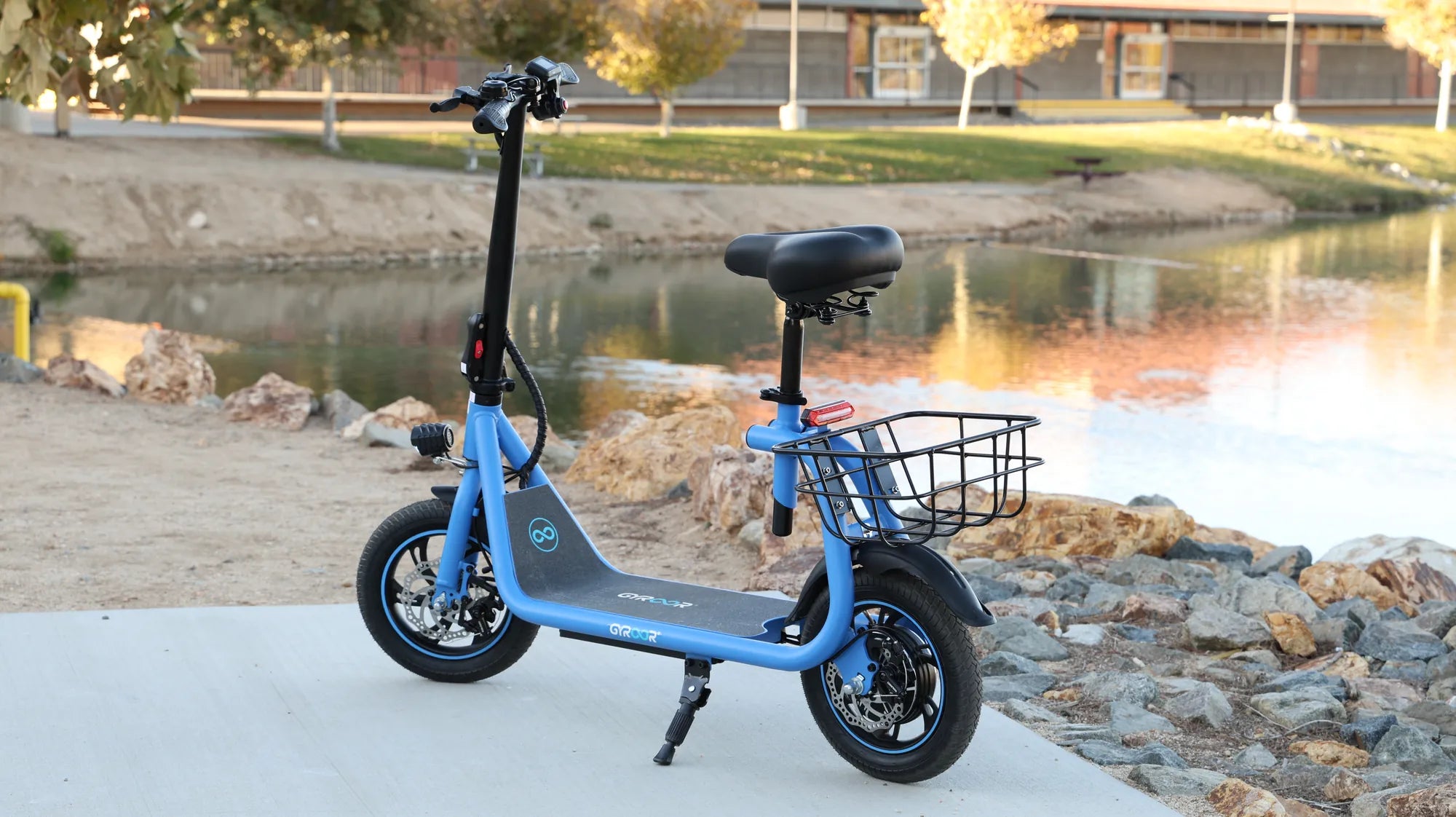
Introduction to Self-Balancing Electric Scooters
Urban mobility is undergoing a quiet revolution, and at its forefront are high-quality self-balancing electric scooters. These compact, two-wheeled vehicles, often colloquially called hoverboards, utilize sophisticated gyroscopic sensors and electric motors to provide an intuitive, hands-free riding experience. This article will define the core technology, analyze the market data, and explain why investing in a well-engineered model is crucial for safety, performance, and long-term value. You will learn how to identify superior components, understand key specifications, and discover why this mode of transport is becoming a staple for the modern urban commuter seeking a solution for the 'last mile' and beyond.
The Technology Behind the Ride: What Makes Them "High Quality"
The difference between a thrilling, reliable commute and a frustrating, potentially hazardous experience lies entirely in the engineering and component quality. A high-quality self-balancing electric scooter is defined by a synergy of advanced hardware designed for durability, safety, and precise control. While generic models may cut corners on every part, premium scooters invest in certified batteries, precision sensors, and robust motors.
This commitment to quality directly translates to rider confidence. A scooter with a UL-certified battery pack eliminates the fear of thermal runaway fires. Advanced gyroscopes and control algorithms provide smooth, predictable balancing instead of jerky, unstable movements. High-torque brushless hub motors deliver consistent power for hills and acceleration, not just flat ground. Understanding these components is the first step in recognizing true quality.
Key Components of a Superior Scooter
Every high-quality self-balancing electric scooter is built around four pillars of excellence. First, the power source: a UL 2272-certified lithium-ion battery pack. This certification is non-negotiable for safety, ensuring the battery can withstand electrical, mechanical, and environmental stress tests. Quality batteries also offer higher energy density, providing ranges of 12-15 miles on a single charge and retaining capacity over 500+ charge cycles.
Second, the brain of the operation: the gyroscopic sensor array and control board. This system makes thousands of micro-adjustments per second to keep the rider upright. Premium boards use industrial-grade sensors for millisecond response times, enabling fluid, natural leaning for turns and stops. Third, the muscle: dual high-torque brushless hub motors. Motors rated at 300W or higher per wheel provide the necessary power for riders up to 220 lbs, tackle inclines of 15-20 degrees, and maintain a stable top speed.
Fourth, the foundation: the frame and tires. A reinforced aluminum alloy frame provides structural integrity, while air-filled or high-density rubber tires with deep treads offer superior shock absorption and traction on varied surfaces like pavement, grass, and light gravel. Together, these components create a cohesive system where safety and performance are intrinsically linked.
Why Choose a High-Quality Model? Safety and Performance Benefits
Choosing a high-quality self-balancing electric scooter is an investment in personal safety and consistent performance. The risks associated with substandard models are well-documented, ranging from battery fires to sudden motor cutouts that can cause serious falls. A premium scooter mitigates these risks through rigorous engineering and independent safety certifications, providing peace of mind that is priceless.
The performance benefits are equally significant. Riders experience precise acceleration and braking, stable handling on uneven sidewalks, and consistent speed regardless of battery level. A quality scooter won't sag or become unstable as the battery depletes. It will maintain its performance in cooler temperatures and provide reliable water resistance for riding in damp conditions. This reliability transforms the scooter from a novelty into a dependable daily transportation tool.
The Gyroor Standard: Built for Reliability
Leading brands like Gyroor exemplify the high-quality standard through a commitment to verified safety and rider-focused design. As a trusted brand for over 100,000 riders across North America and Europe, Gyroor builds every model around a UL-certified battery core. This fundamental safety feature is complemented by IPX5 water-resistant construction, allowing riders to confidently navigate wet streets or puddles during a commute.
Furthermore, Gyroor supports its products with a robust 1-year warranty and accessible customer support, a testament to the confidence in their manufacturing and component quality. This holistic approach—certified safety, environmental durability, and strong post-purchase support—defines what riders should expect from a top-tier manufacturer. It’s not just about selling a product; it’s about ensuring a safe and enjoyable mobility experience for years.
Practical Applications: Who Are They For and Where to Ride
High-quality self-balancing electric scooters serve a diverse range of users across various environments. The primary demographic is the urban commuter, using the scooter for the 'last mile' between public transit hubs and their final destination. For a 2-3 mile commute, a scooter is faster than walking and often more convenient than navigating traffic or finding parking for a car.
University students represent another major user group, leveraging scooters to traverse large campuses quickly. Recreational enthusiasts also enjoy them for their fun, intuitive riding dynamics in parks and on paved trails. Ideal riding surfaces include smooth bike lanes, paved sidewalks (where local ordinances permit), boardwalks, and indoor complexes like warehouses or convention centers.
It is crucial for every rider to check and adhere to local regulations. Laws governing the use of personal electric mobility devices vary significantly by city, state, and country, often specifying where they can be ridden (road vs. sidewalk), speed limits, and age requirements. Responsible riding on designated paths ensures safety for the rider and pedestrians, fostering positive integration into the urban landscape.
Data-Driven Comparison: What to Look for When Buying
Making an informed purchase requires moving beyond marketing claims and focusing on verifiable specifications and certifications. The table below provides a clear comparison framework for key performance and safety metrics between entry-level, mid-tier, and high-quality models, illustrating the tangible benefits of investing in quality.
| Feature | Entry-Level / Generic Model | Mid-Tier Model | High-Quality Model (e.g., Gyroor Standard) |
|---|---|---|---|
| Battery & Certification | Uncertified or fake certification; prone to failure | May have basic CE certification | UL 2272 Certified; 500+ cycle life |
| Motor Power (per wheel) | 150W - 250W | 250W - 350W | 300W - 500W+ |
| Max Range (Real-World) | 6-8 miles | 8-10 miles | 12-15 miles |
| Max Rider Weight | ~180 lbs | ~200 lbs | 220 - 265 lbs |
| Top Speed | 6-8 mph | 9-10 mph | 10-12 mph |
| Water Resistance | None or unspecified | IPX4 (splash-resistant) | IPX5 (water jet-resistant) |
| Warranty & Support | 30-90 days; limited support | 6 months to 1 year | 1-Year Comprehensive with accessible service |
This data shows a direct correlation between component quality, safety certification, and real-world performance. A high-quality self-balancing electric scooter offers nearly double the reliable range, significantly higher weight capacity, and robust protection against the elements compared to a generic alternative.
Beyond the Spec Sheet: The Importance of Brand and Warranty
While specifications are critical, the brand's reputation and warranty terms are the ultimate indicators of long-term quality and value. An established brand with a history of positive user reviews and a presence in major markets has a reputation to uphold, incentivizing consistent quality control. They invest in research and development to improve gyro algorithms, motor efficiency, and battery management systems.
A strong, transparent warranty is the manufacturer's vote of confidence in their product. A comprehensive 1-year warranty that covers the battery, control board, and motors demonstrates a commitment to standing behind the engineering. It also provides a clear recourse for the consumer, unlike generic brands that may disappear after the sale. When evaluating options, prioritize brands that offer both the technical specs and the customer assurance that defines a true high-quality product.
Maintenance and Safety Tips for Longevity
Proper maintenance is essential to preserve the performance and safety of your high-quality self-balancing electric scooter. Always use the manufacturer-provided charger and avoid leaving the scooter plugged in for extended periods after it reaches 100% charge. Store the scooter in a cool, dry place, and avoid exposing it to extreme temperatures for prolonged durations, as this can stress the battery.
Regularly inspect the tires for wear and ensure they are properly inflated according to the manual's PSI recommendation. Check the frame for any cracks or loose components. Keep the footpads and sensors clean from dirt and debris. After riding in wet conditions, wipe the scooter down with a dry cloth. Following these simple steps will significantly extend the lifespan of your investment and ensure it remains a reliable mode of transport.
Safety extends beyond the scooter itself to rider behavior. Always wear a helmet. Use appropriate safety gear like wrist guards and knee pads, especially when learning. Start practicing in a safe, open, flat area free of traffic and obstacles. Be hyper-aware of your surroundings, including pedestrians, cyclists, and vehicles. Never ride at maximum speed in crowded areas. Adhering to these practices maximizes the enjoyment and utility of your scooter while minimizing risk.
Frequently Asked Questions (FAQ)
Q: Are self-balancing electric scooters safe?
A: High-quality models with UL-certified batteries and robust construction are very safe when used responsibly. The primary historical safety issues were linked to uncertified, poor-quality lithium-ion batteries. Choosing a certified model from a reputable brand like Gyroor eliminates this key risk factor.
Q: How long does the battery last on a single charge?
A> For a high-quality self-balancing electric scooter with a premium battery, expect a real-world range of 12 to 15 miles on a full charge. This depends on rider weight, terrain, temperature, and riding style. The battery itself is designed for 500+ full charge cycles before significant capacity degradation.
Q: Can they be used in light rain or on wet ground?
A> Models with an IPX5 water resistance rating, such as those in the Gyroor lineup, are designed to withstand water jets from any direction. This makes them safe for riding in light rain, through puddles, and on wet pavement. However, they are not submersible and should not be ridden through deep standing water.
Q: How difficult are they to learn to ride?
A> Most adults can achieve basic proficiency within 15-30 minutes of practice in a safe area. The gyroscopic balancing is very intuitive—you lean forward to go forward and lean back to slow down or reverse. Mastering tighter turns and more dynamic riding may take a few hours of practice. The learning curve is significantly smoother on a high-quality model with responsive, predictable sensors.
Q: What is the average lifespan of a high-quality model?
A> With proper care and maintenance, a high-quality self-balancing electric scooter can provide reliable service for 2-4 years or more. The first components likely to need replacement are the tires due to wear. The battery will gradually lose capacity but should remain functional for well over 500 charge cycles, which equates to several years of regular use.
Steering Towards a Smarter Commute
High-quality self-balancing electric scooters have evolved from trendy gadgets into serious, viable tools for urban mobility. They offer a unique combination of portability, fun, and practical efficiency for short-distance travel. The future of urban transport is multimodal, and these scooters are poised to play a key role in connecting people to transit hubs, workplaces, and campuses.
The critical takeaway is that quality is paramount. By prioritizing verified safety certifications like UL 2272, durable construction with features like IPX5 water resistance, and the support of an established brand with a strong warranty, riders can fully embrace this technology with confidence. It represents a smart, sustainable choice for reducing congestion and personal carbon footprints, one enjoyable ride at a time.
Ready to experience the difference that certified quality and thoughtful engineering make? Explore a range of high-performance, safe, and reliable models designed for the real world. Browse the full Gyroor collection at gyroorboard.com to find the perfect scooter for your urban journey.
Handlebars for Electric Scooters: The Ultimate Guide to Choosing the Right Fit
Top 10 Best Electric Scooters for Adults: Ultimate Buying Guide