



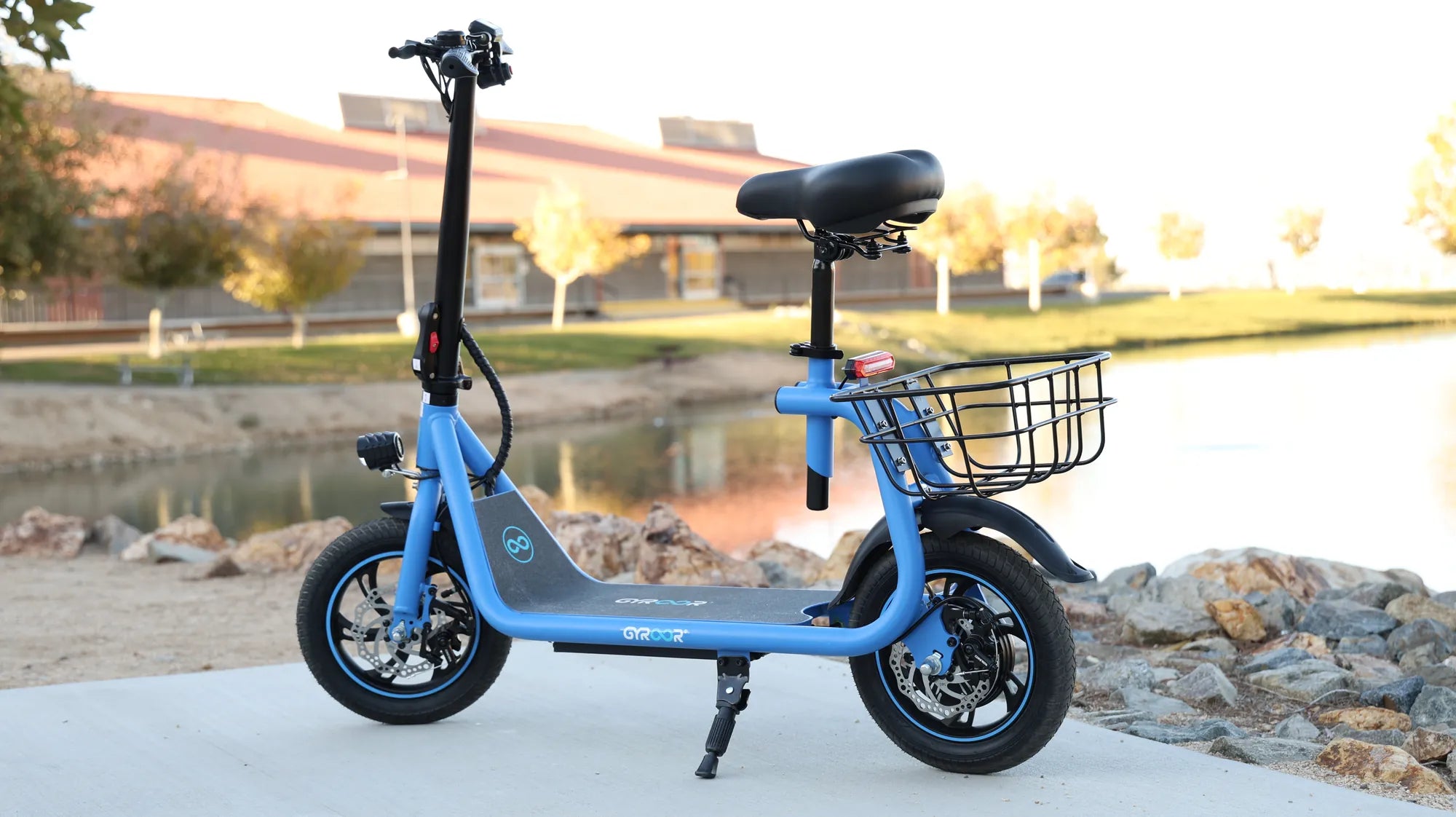
Introduction: The Need for Speed in Modern Commuting
Urban gridlock is no longer a mere inconvenience; it's a systemic drain on time, economy, and well-being. As cities densify, the search for efficient, personal mobility solutions has intensified, leading to the rapid evolution of personal electric vehicles (PEVs). Among these, high-speed electric scooters have emerged not as a niche gadget, but as a transformative mainstream transport category. They represent the future of urban mobility by delivering a unique convergence of car-beating agility, zero-emission operation, and door-to-door convenience.
This shift is driven by riders seeking more than just a last-mile solution; they demand a primary vehicle capable of replacing car trips. High-speed electric scooters answer this call, merging the thrill of open-air travel with serious practical utility. The category is defined by models engineered for sustained performance, safety, and reliability in daily use, moving well beyond toy-grade speeds.
Leading this innovation are brands like Gyroor, trusted by over 100,000 riders across North America and Europe. With a focus on UL-certified battery safety, IPX5 water-resistant construction, and performance-driven designs, Gyroor exemplifies the engineering rigor required for high-speed, daily commuting. The future of urban transit is not just electric—it's swift, smart, and on two wheels.
Defining "High-Speed": Performance Metrics That Matter
Labeling a scooter "high-speed" involves more than a single top-speed figure. True performance is a multi-dimensional equation balancing power, acceleration, range, and stability. While consumer-grade scooters often cap at 15-20 mph, high-speed models start at approximately 25 mph and extend to 40+ mph, designed for integrated travel in bike lanes and urban arterial roads.
The cornerstone metric is motor wattage, typically ranging from 500W for entry-level performance to 1000W and beyond for true high-speed capability. A 1000W motor provides the necessary torque and power reserve for maintaining speed on inclines and under load. However, wattage alone is an incomplete picture; voltage (often 36V, 48V, or 52V) determines the system's efficiency and potential peak power output.
Real-world range is perhaps the most critical and misunderstood spec. Manufacturers often advertise a maximum range achievable at low, constant speeds. For high-speed electric scooters, the effective range at 25+ mph can be 40-60% lower due to increased power draw. A scooter with a 48V 15.6Ah battery might claim 40 miles but deliver a more practical 20-25 miles under aggressive, high-speed riding—a vital consideration for commuters.
Beyond the Top Speed: Acceleration, Torque, and Hill Climb
Acceleration is a crucial safety and usability feature. The ability to quickly reach cruising speed from a stop allows riders to merge confidently with traffic flow and navigate intersections safely. This is governed by torque, the rotational force of the motor. High-torque motors, often found in dual-motor configurations, provide immediate thrust.
Hill-climbing ability directly tests a scooter's torque and power system. A scooter with a single 500W motor may struggle on a 10% grade, slowing to a crawl. In contrast, a dual-motor setup with 1000W total power, like those in premium Gyroor models, can maintain significant speed on the same incline. This performance ensures consistent travel times regardless of terrain.
Ultimately, a holistic view of performance is essential. A high-speed electric scooter must deliver a stable, confident, and repeatable experience where speed is a tool for efficiency, not just an adrenaline spike. The integration of a robust battery, high-output motor, and responsive controllers defines this capable performance tier.
Engineering for Velocity: Key Features of High-Speed Scooters
Attaining and safely managing high speeds requires deliberate engineering choices across every component. These are not merely upgraded bicycles; they are integrated electric vehicles with specific design imperatives for durability, stability, and rider safety.
The architecture prioritizes a rigid yet lightweight frame, typically from aerospace-grade aluminum alloys, to handle the stresses of higher speeds and absorb road vibrations. The deck must be wide and long enough for a stable footing, and the stem locking mechanism must be absolutely secure to prevent speed wobbles—a common hazard on poorly built models.
Suspension becomes non-negotiable. While basic scooters use simple spring systems, high-speed models employ advanced hydraulic or rubber-cartridge suspensions at both front and rear. This system actively absorbs impacts from potholes and cracks, maintaining tire contact with the road for better control and braking, and drastically improving rider comfort on longer, faster journeys.
Power Core: UL-Certified Batteries and Motor Systems
The heart of any high-speed electric scooter is its battery and motor system. High-capacity lithium-ion battery packs, with ratings like 48V 18Ah or 52V 23Ah, provide the necessary energy density. Crucially, safety is paramount. UL-certification, a standard for all Gyroor batteries, means the cell packs have undergone rigorous independent testing for thermal stability, short-circuit protection, and longevity over 500+ charge cycles.
Motor configuration is a key differentiator. Single hub motors offer simplicity, but dual-motor setups—either both hub or a hub-and-chain-drive combination—deliver superior acceleration, hill climb, and redundancy. If one motor encounters an issue, the other can often provide limited propulsion. These systems are managed by sophisticated electronic speed controllers (ESCs) that regulate power delivery for smooth acceleration and regenerative braking.
Stability at Speed: Frame Design, Suspension, and Braking
Stability is engineered through geometry and component quality. A longer wheelbase, wider handlebars, and a lower center of gravity contribute to predictable handling. High-speed scooters almost universally feature pneumatic (air-filled) tires, which offer superior grip and shock absorption compared to solid tires, though they require occasional maintenance.
The braking system is the most critical safety component. A combination of hydraulic or mechanical disc brakes and electronic regenerative braking is standard. Dual disc brakes—one on each wheel—provide independent, powerful stopping force. The regenerative system aids in deceleration while recapturing some energy, but it is the physical disc brakes that ensure reliable, fade-resistant stops in all conditions, a necessity when traveling at 30 mph.
Built for the Elements: The Importance of IPX5 Water Resistance
A commuter vehicle must handle real-world weather. An IP (Ingress Protection) rating defines a scooter's resilience. An IPX5 rating, a core standard for Gyroor scooters, means the electrical components are protected against low-pressure water jets from any direction. This allows riding in light rain and through wet streets without immediate risk of water damage.
This rating is essential for reliability. It protects the battery compartment, motor hub, dashboard, and wiring from splash and dust ingress. Without it, a single puddle could lead to a short circuit or corrosion, causing failure or a safety hazard. For a high-speed scooter serving as daily transport, this level of protection is not a luxury; it's a fundamental requirement for all-weather readiness and long-term durability.
The Urban Commuter's Advantage: Practical Benefits of High-Speed E-Scooters
The theoretical performance of high-speed electric scooters translates into tangible, life-improving advantages for the urban dweller. They solve the "first-and-last-mile" problem elegantly by becoming the primary mile solution, collapsing multi-modal trips into a single, seamless journey.
Time savings are profound. In dense urban cores, average car speeds often fall below 15 mph during rush hour. A high-speed e-scooter, utilizing bike lanes and pathways, can consistently maintain 20-25 mph, point-to-point, with zero time spent searching for parking. This turns a 30-minute car crawl into a 12-minute scooter glide.
Cost-effectiveness is staggering. The total cost of ownership—including purchase, electricity for charging, and minimal maintenance—is a fraction of car ownership (insurance, fuel, parking, depreciation) or even monthly transit passes. Charging a scooter costs mere cents per day, and parking is free at most destinations.
Data-Driven Comparison: Commute Time & Cost Analysis
The following table compares a typical 5-mile urban commute across three modes, highlighting the efficiency of high-speed electric scooters like those from Gyroor. Data assumes moderate traffic and average operational costs.
| Mode of Transport | Avg. Time (5 miles) | Avg. Cost per Trip | Annual Cost (250 days) | Key Pain Points |
|---|---|---|---|---|
| Personal Car | 25-35 minutes | $5.50 (Fuel, Parking, Depreciation) | ~$1,375+ | Traffic, Parking Fees, Fuel Costs, Emissions |
| Public Transit | 40-50 minutes | $2.75 (Fare) | ~$687.50 | Wait Times, Transfers, Fixed Routes, Crowding |
| High-Speed E-Scooter | 12-18 minutes | $0.10 (Electricity) | ~$25 + Initial Purchase | Weather, Local Regulations, Carrying Luggage |
This analysis reveals the scooter's dominance in time efficiency and direct cost. The indirect benefits—mental well-being from avoiding traffic, reduced carbon footprint, and the joy of riding—further solidify its value proposition as the future of urban mobility.
Navigating Regulations and Safety: A Responsible Rider's Guide
The performance of high-speed electric scooters comes with increased responsibility. Regulations vary widely by city, state, and country, creating a complex landscape riders must navigate. Common rules include age restrictions (often 16+), helmet mandates (always recommended, frequently required for high-speed models), and designated riding areas, typically bike lanes and roads with speed limits under 35 mph. Sidewalk riding is usually prohibited for safety.
Speed limits for e-scooters are frequently imposed, sometimes via geofencing in shared fleets. For private owners, it's the rider's duty to know and obey local laws, which may cap speeds at 15, 20, or 25 mph even if the scooter is capable of more. Responsible use ensures continued access and positive public perception of this new mobility class.
Insurance is an emerging consideration. While not universally required, personal liability insurance can provide critical protection in case of an accident involving property damage or injury. Some homeowners or renters policies may offer coverage; dedicated PEV insurance is becoming more available.
Essential Gear and Riding Practices for High-Speed Travel
At high speeds, proper gear transitions from optional to essential. A bicycle helmet is a minimum; a full-face mountain biking or motorcycle helmet offers far superior protection for the face and jaw in a forward fall. Impact-resistant gloves, elbow pads, and knee pads significantly reduce injury risk. High-visibility clothing or reflective strips are crucial for being seen by drivers, especially at dawn, dusk, or night.
Defensive riding is the cornerstone of safety. Assume you are invisible to drivers. Constantly scan the road surface 20-30 feet ahead for hazards like potholes, gravel, or debris. Use clear hand signals for turns and stops. Maintain a safe following distance from vehicles and other path users. Never ride under the influence of alcohol or drugs. Pre-ride checks—tire pressure, brake function, light operation, and fastener tightness—should be a non-negotiable ritual before every journey.
Maintenance for Peak Performance and Longevity
Regular maintenance preserves the performance, safety, and resale value of a high-speed electric scooter. Unlike a car, the maintenance schedule is simple but must be consistent. A well-maintained scooter from a brand like Gyroor, backed by a reliable 1-year warranty, can provide years of dependable service.
The most frequent task is checking and inflating pneumatic tires to the manufacturer's recommended PSI (often 45-50 PSI). Under-inflated tires increase rolling resistance, reducing range, and are more prone to punctures. Over-inflation makes the ride harsh and reduces traction. Inspect tires weekly for wear and embedded debris.
Brake maintenance is critical. Regularly check brake pad thickness and listen for grinding noises. Mechanical disc brakes need periodic cable tension adjustment; hydraulic systems may need fluid bleeds annually. Keep brake rotors clean and free of oil. Test braking power before each ride. The folding mechanism and stem clamp should be inspected monthly for any play or wear and tightened to spec if necessary.
Electrical system care involves keeping charging ports clean and dry, storing the scooter in a cool, dry place (avoiding extreme temperatures), and following proper charging practices: using only the provided charger, not leaving the scooter plugged in for days after a full charge, and avoiding completely draining the battery before recharging. Periodically check all lights and the display for function.
FAQ: Your High-Speed Electric Scooter Questions Answered
Q1: What is the real-world range I can expect at top speed?
Expect 40-60% of the manufacturer's maximum claimed range. A scooter advertised for 40 miles at 15 mph may deliver 18-22 miles when ridden consistently at 25+ mph, due to higher power draw from the motor and increased aerodynamic drag. Rider weight, terrain, temperature, and tire pressure also significantly impact range.
Q2: How does Gyroor's 1-year warranty support high-speed scooter owners?
Gyroor's comprehensive warranty covers defects in materials and workmanship for one year from purchase. For high-speed scooters, this is particularly important as it covers the core systems—the UL-certified battery, motor, controller, and frame—under the stresses of performance riding. It provides peace of mind that the investment is protected against manufacturing faults.
Q3: Are high-speed scooters suitable for beginner riders?
It is not recommended to start on the most powerful model. Beginners should spend significant time on lower-power modes or beginner-friendly scooters to master balance, braking, and road awareness. High-speed models have powerful acceleration and require quick reflexes. Once fundamental skills are solid, riders can gradually unlock higher performance settings in safe, open environments.
Q4: What maintenance is required for optimal high-speed performance?
Key tasks include: weekly tire pressure checks, monthly inspections of brake pads and the folding mechanism, keeping the drivetrain clean, and ensuring all bolts are tight. Brake systems may require professional servicing (pad replacement, fluid bleed) annually or every 500-1000 miles, depending on use. Regular maintenance ensures safety and prevents minor issues from becoming major failures.
Q5: Can I ride a high-speed scooter in the rain?
With an IPX5 water-resistance rating like those standard on Gyroor scooters, riding in light rain and on wet roads is generally safe for the scooter itself. However, rider safety is paramount. Wet conditions drastically reduce tire traction and braking efficiency. Visibility is lower for both rider and drivers. If you must ride in the rain, reduce speed significantly, avoid sharp turns or hard braking, and wear appropriate rain gear. Avoid deep puddles which could submerge critical components.
Conclusion: Embracing a Faster, Smarter Urban Future
High-speed electric scooters are more than a trend; they are a logical and powerful response to the inefficiencies of 20th-century urban transport. By combining exhilarating performance with undeniable practicality, they offer a compelling vision for the future of urban mobility—one that is cleaner, quieter, faster, and more personal. The data is clear: for millions of urban and suburban trips, they are the most time- and cost-effective vehicle available.
This future, however, is built on a foundation of responsible engineering and responsible ridership. Choosing a scooter from a reputable brand that prioritizes UL-certified battery safety, robust IPX5 water resistance, and reliable performance is the first critical step. Pairing that capable machine with proper safety gear, defensive riding techniques, and adherence to local laws completes the equation.
Brands like Gyroor, with their commitment to quality and a community of over 100,000 satisfied riders, are at the forefront of this mobility revolution. The urban landscape is evolving, and high-speed electric scooters are poised to play a central role in shaping smarter, more livable cities. The journey toward a faster, more efficient commute begins with a single, electrifying ride.
Ready to transform your commute? Explore performance-engineered, reliable high-speed electric scooters designed for the real world. Browse the full Gyroor collection at gyroorboard.com.
Are Electric Scooters Safe for Kids? A Parent's Guide to Safety and Risks
Can You Ride Electric Scooters on the Sidewalk? The Ultimate Guide