

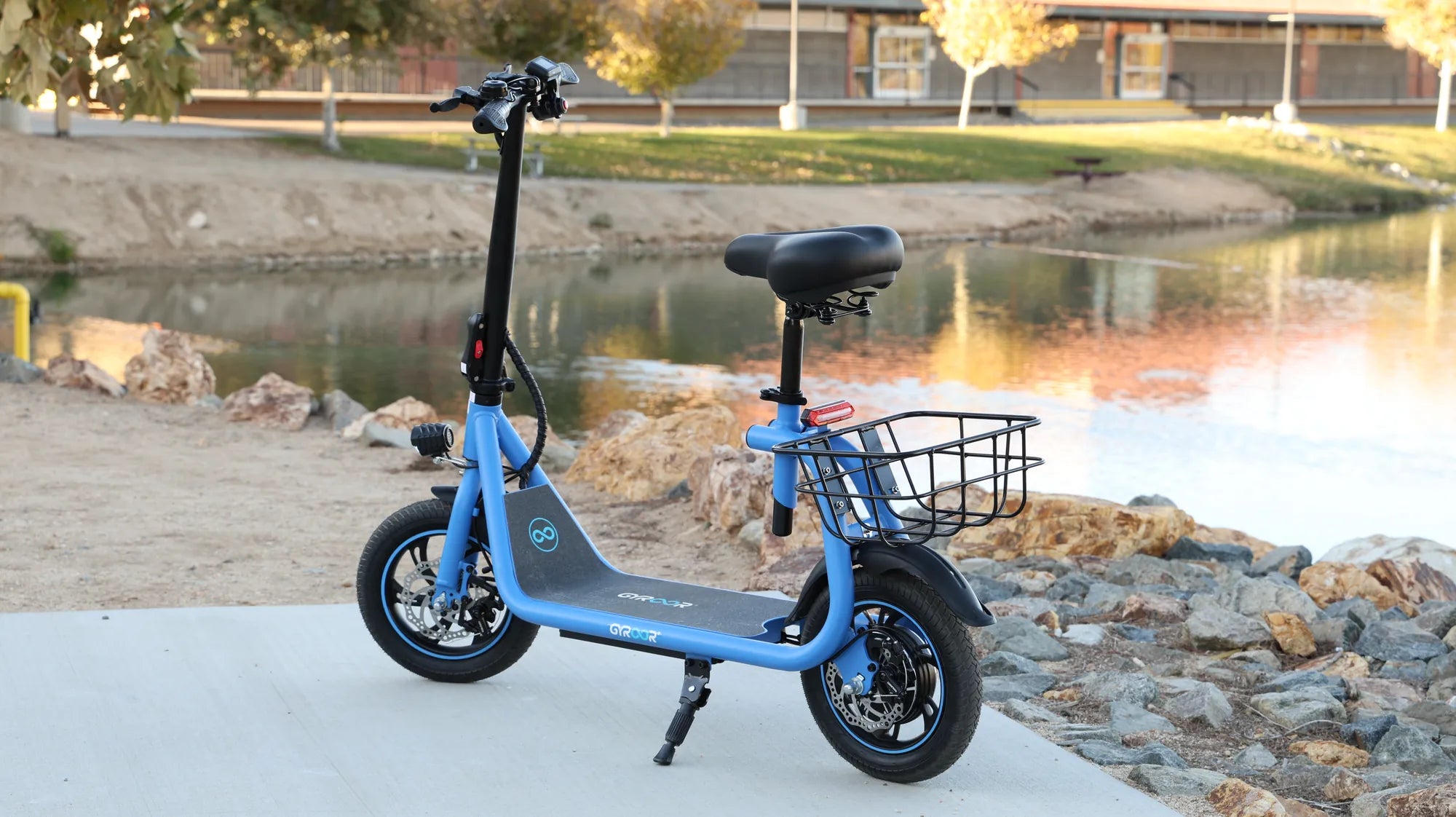
Introduction to High-Speed Mobility Scooters
What defines a high speed mobility scooter? It's a purpose-built electric vehicle engineered for more than just casual ambling. These are robust machines designed to deliver greater independence through enhanced performance, typically achieving speeds of 10 to 15 mph or more, compared to the standard 4-5 mph of traditional models. This guide will dissect the engineering, safety, and practical considerations behind these powerful scooters. You'll learn how to evaluate motor systems, battery safety, and build quality to make an informed purchase that expands your mobility horizon without compromising on reliability.
The core appeal of a high-speed model lies in its ability to match the pace of urban environments and cover larger distances efficiently. Whether it's keeping up with bicycle lane traffic, navigating a sprawling property, or simply reducing commute time to the store, the increased velocity translates directly to greater freedom. However, this performance demands a corresponding increase in component quality and safety features, which separates premium models from inadequate imitations.
For brands committed to this category, like Gyroor, the focus extends beyond just a faster motor. It encompasses a holistic engineering approach: durable frames to handle the stresses of higher speeds, advanced braking systems for safe stopping, and high-capacity, certified battery packs to deliver the necessary range. This article will provide the data-driven insights you need to navigate the market, understand the critical trade-offs, and identify the scooter that truly fits your active lifestyle.
Key Features of a Reliable High-Speed Mobility Scooter
Not all scooters marketed as "fast" are created equal. True high-speed capability is built on a foundation of specific, high-performance components. Understanding these features is the first step in separating marketing hype from genuine engineering. A reliable model integrates a powerful motor, a safe and long-range battery, and a durable chassis designed for the dynamic forces of quicker travel.
Compromising on any of these core elements can lead to premature failure, safety risks, or a disappointing real-world experience. The following sections break down each critical subsystem, explaining what to look for and why it matters. This knowledge forms your essential checklist when comparing models and specifications from different manufacturers.
Motor Power and Performance
The motor is the heart of any high speed mobility scooter. Wattage is the primary metric, but its translation to real-world performance depends on torque and design. A standard mobility scooter may use a 250W motor, but a true high-speed model typically starts at 500W, with many premium options featuring 750W, 1000W, or even dual-motor configurations. This power directly enables higher top speeds, stronger acceleration, and, crucially, the ability to climb steeper inclines without stalling.
For example, a 750W motor can comfortably maintain speeds of 12-15 mph on flat terrain and tackle hills with a 15-20% grade. This makes it suitable for varied urban landscapes. The motor's placement also affects stability and traction; rear-wheel or dual-motor drives often provide better hill-climbing grip. When evaluating, look beyond the peak wattage and consider the motor's continuous power rating and the quality of the controller managing its output.
Battery Capacity, Safety, and Range
Speed consumes energy rapidly. Therefore, a high-speed scooter must be paired with a high-capacity battery to provide a useful range. Capacity is measured in amp-hours (Ah) or watt-hours (Wh). A scooter with a 48V 20Ah battery (960Wh) will significantly outlast one with a 36V 10Ah (360Wh) pack, especially when operated at top speed. It's critical to check the estimated range at the scooter's maximum speed, not just an ideal "eco mode" figure.
More important than raw capacity is battery safety and longevity. This is where certifications are non-negotiable. A UL-certified lithium-ion battery pack, like those used in Gyroor scooters, has undergone rigorous testing for short-circuit, overcharge, and thermal stability. These batteries are engineered for 500+ charge cycles while maintaining capacity, ensuring your investment lasts for years. Never compromise on this; a non-certified battery is a significant fire risk and will degrade quickly.
Build Quality, Durability, and Weather Resistance
The forces on a scooter frame, suspension, and wheels multiply with speed. A high-speed model requires a reinforced steel or aluminum alloy frame, superior suspension (often front and rear), and pneumatic or high-quality solid tires to absorb shocks and maintain stability. The seating must be secure and designed to keep the center of gravity low, especially during turns.
Weather resistance is another key indicator of build quality. An IPX5 water-resistant rating means the scooter's electrical components can withstand low-pressure water jets from any direction. This allows for confident use in light rain or on damp roads, protecting the motor, controller, and battery from moisture ingress. This level of protection is a hallmark of serious engineering, as seen in Gyroor's designs, and is essential for a vehicle meant for daily, reliable use in real-world conditions.
Comparing High-Speed Mobility Scooters: What to Look For
With an understanding of the key features, the next step is a practical comparison. Different models prioritize different aspects of performance. A data-driven approach, focusing on the relationship between speed, range, and safety features, will reveal the best option for your specific needs. This section provides the framework for that analysis.
It's easy to be drawn in by the highest speed number on a spec sheet. However, a holistic comparison that weighs all factors—including the often-overlooked aspects of warranty and support—will lead to a more satisfying and sustainable ownership experience. Use the following subsections as lenses through which to evaluate any potential purchase.
Speed vs. Range: Understanding the Trade-Off
This is the fundamental equation of electric mobility. Aerodynamic drag increases with the square of speed, meaning battery consumption rises dramatically as you go faster. A scooter advertised with a 40-mile range might only achieve 15-20 miles if operated consistently at its top speed. Manufacturers should provide a realistic range estimate for different speed settings.
The table below illustrates typical trade-offs based on battery capacity and speed. Remember, rider weight, terrain, and tire pressure also significantly affect these numbers.
| Battery Capacity (Approx.) | Estimated Range (Eco Mode, 6-8 mph) | Estimated Range (High-Speed Mode, 12-15 mph) |
|---|---|---|
| 36V 12Ah (430Wh) | 18-22 miles | 8-12 miles |
| 48V 15Ah (720Wh) | 28-35 miles | 15-20 miles |
| 48V 20Ah (960Wh) | 38-45 miles | 20-28 miles |
Safety Features for Higher Speeds
Increased velocity demands enhanced safety systems. A comprehensive braking system is paramount. Look for a combination of electronic (regenerative) braking and mechanical disc or drum brakes. Disc brakes, in particular, offer superior stopping power and consistency, especially in wet conditions. Bright, forward-facing LED headlights, brake lights, and turn signals are essential for visibility.
Stability features become critical. A wider wheelbase, anti-tip wheels at the rear, and a low-center-of-gravity design prevent wobbling or tipping during turns or on uneven surfaces. The seat should have a secure backrest and armrests. Reflective decals or tape on the body are a simple but vital addition for nighttime safety. Never consider a high-speed model that lacks these fundamental protections.
Warranty and Support: Your Long-Term Assurance
The warranty is a direct reflection of the manufacturer's confidence in their product. A robust warranty, like the industry-standard 1-year comprehensive coverage offered by Gyroor, protects your investment against defects in materials and workmanship. Pay close attention to what is covered: the frame, motor, controller, and, crucially, the battery.
Equally important is the accessibility of customer support. Can you easily reach a knowledgeable team for troubleshooting? Are repair manuals or replacement parts readily available? A brand with a track record of supporting over 100,000 riders, like Gyroor, has established the infrastructure to ensure you're not left stranded. This long-term assurance is a critical part of the total value proposition for a high-speed mobility scooter.
Who Benefits Most from a High-Speed Mobility Scooter?
Identifying your primary use case ensures you select a scooter with the right performance profile. While many users will appreciate the extra speed, certain lifestyles and needs are almost perfectly aligned with the capabilities of a high-speed model. These user profiles highlight the practical applications that go beyond mere convenience.
If your daily routine involves covering significant distances, navigating areas with other faster-moving traffic, or simply valuing efficient use of time, a high-speed scooter is likely a transformative tool. The following profiles help crystallize these needs.
The Active Commuter
This user relies on their scooter for daily transportation over distances of several miles. They need to travel across college campuses, through business parks, or in urban neighborhoods efficiently. A high speed mobility scooter allows them to keep pace with bicycle lane traffic, reduce commute times significantly, and handle moderate hills without anxiety. For this user, a combination of reliable speed (12+ mph), a real-world range of 20+ miles, and all-weather durability is essential.
The Large Property Owner
For those living on ranches, farms, large estates, or even expansive suburban properties, a standard scooter's range and speed are insufficient. A high-speed model becomes a practical utility vehicle for quickly checking fences, moving between outbuildings, visiting neighbors, or managing the grounds. The priority here is often robust construction, high weight capacity, and exceptional range to avoid frequent charging. The ability to traverse grass, gravel, or mild off-road terrain is a major plus.
The Adventure-Seeking Enthusiast
This rider views their scooter as a tool for exploration and recreation. They want to enjoy long rides on paved trails, boardwalks, and park paths at a brisk, engaging pace. For them, the experience of the ride—smooth suspension, responsive handling, and the thrill of speed—is a key part of the value. They benefit from models with enhanced comfort features, superior suspension for varied terrain, and lighting systems for evening adventures.
Maintenance and Care for Optimal Performance
Owning a high-performance machine entails a responsibility for proper upkeep. Regular maintenance not only ensures safety and reliability but also maximizes the lifespan of your investment. A disciplined care routine is simple and can prevent most common issues. The core principles revolve around battery care, mechanical checks, and proper storage.
Neglecting maintenance can lead to degraded performance, safety hazards, and costly repairs. By incorporating these checks into your monthly routine, you ensure your high speed mobility scooter remains a dependable partner for years to come. The following guidelines cover the essential areas of focus.
Battery Care and Charging Best Practices
Always use the manufacturer-provided charger. Avoid letting the battery fully deplete; try to recharge when it reaches 20-30% capacity. For long-term storage (over a month), charge the battery to about 60% and store it in a cool, dry place. Extreme heat and cold are the enemies of lithium-ion batteries. Allow the battery to cool to room temperature after a long ride before plugging it in to charge.
Mechanical Inspection and Tire Care
Monthly, check tire pressure if using pneumatic tires; under-inflated tires increase rolling resistance and drastically reduce range. Inspect brakes for wear and ensure they engage smoothly and evenly. Check that all bolts and fasteners on the frame, seat, and basket are tight. Lubricate any moving parts like folding mechanisms as per the user manual. Listen for new or unusual noises from the motor or wheels, which can indicate a problem.
Cleaning and Storage
Clean the scooter with a damp cloth. Avoid high-pressure hoses, even with an IPX5 rating, as forced water can find its way into connectors over time. Store the scooter in a dry, indoor environment. If it must be stored outside, use a waterproof cover. Before any ride after storage, perform a quick functional check of lights, brakes, and the throttle.
Frequently Asked Questions (FAQ)
Q: How fast can a high-speed mobility scooter legally go?
A: Regulations vary by location. In the US, for use on sidewalks and in pedestrian areas, the speed is often limited to 4-5 mph. However, on private property or designated paths, higher speeds are permissible. Many high-speed models have selectable speed modes to comply with local laws when necessary. Always check your municipal and state regulations.
Q: Are high-speed mobility scooters safe?
A> When designed and used properly, they are very safe. Safety is a product of three factors: 1) The scooter's built-in features (brakes, stability, lights), 2) The rider's behavior (wearing a helmet, obeying traffic rules, avoiding excessive speed on crowded paths), and 3) Regular maintenance. Choosing a model with advanced safety systems is the critical first step.
Q: Do I need a license or insurance to operate one?
A: In most jurisdictions, electric mobility scooters, even high-speed ones, are classified as "Electric Personal Assistive Mobility Devices" (EPAMDs) and do not require a driver's license, vehicle registration, or insurance for operation on sidewalks and paths. However, laws are evolving, so local verification is essential.
Q: Can I take a high-speed mobility scooter on public transportation?
A> Policies differ by transit authority. Many buses are equipped with ramps and securement areas for mobility devices. Due to their larger size and weight, it's crucial to contact your local transit provider in advance to confirm their policy regarding faster, heavier scooters. Foldable models generally have an advantage here.
Q: How much does a quality high-speed mobility scooter cost?
A> You should expect to invest between $1,200 and $3,500 for a reliable, well-built high-speed model. The price reflects the quality of the motor, battery, frame, and components. While lower-priced options exist, they often compromise on battery safety, motor durability, or warranty coverage, leading to higher long-term costs and potential safety issues.
Making the Right Choice: A Buyer's Checklist
Armed with knowledge, your final decision should be guided by a systematic checklist. This ensures no critical factor is overlooked in the excitement of choosing a new vehicle. Use this list as your final review before committing to a purchase. It synthesizes all the information covered in this guide into actionable steps.
Print this list or keep it handy on your device. Go through each point for the model you are considering. If it fails any of the fundamental checks related to safety or core specifications, continue your search. Your goal is to find a high speed mobility scooter that is not just fast, but also safe, durable, and supported.
- Verify Performance: Confirm the top speed and, more importantly, the estimated real-world range at that speed. Ensure the motor wattage (500W+) is sufficient for your local terrain and hills.
- Prioritize Safety & Certification: Must have a UL-certified battery pack. Must have an advanced braking system (disc + electronic). Must have full LED lighting (headlight, brake light, signals).
- Check Build Specifications: Confirm an IPX5 or higher water-resistance rating. Ensure the frame material is robust (steel/aluminum alloy). Check the seat weight capacity meets your needs.
- Review Warranty & Support: Look for a minimum 1-year comprehensive warranty covering the frame, motor, and battery. Research the brand's reputation for customer service and parts availability.
- Consider Practicalities: Measure storage space to ensure the scooter fits. If needed, check if it is foldable or disassemblable for transport. Read verified customer reviews focusing on long-term reliability.
Choosing the right high-speed mobility scooter is an investment in your independence and quality of life. By focusing on certified safety, proven performance, and reliable support, you secure a tool that empowers you to explore further and engage more fully with the world around you. For a range of electric scooters and e-bikes built with these exacting standards—including UL-certified batteries, IPX5 water-resistant designs, and a reliable 1-year warranty—explore the engineering and innovation trusted by over 100,000 riders. Browse the full Gyroor collection at gyroorboard.com to find your perfect match for high-speed freedom.
How to Make a 50cc Scooter Faster: A Complete Tuning Guide
What Is a Rear Hub Motor E-Bike: The Complete Guide to Hub-Driven Power