

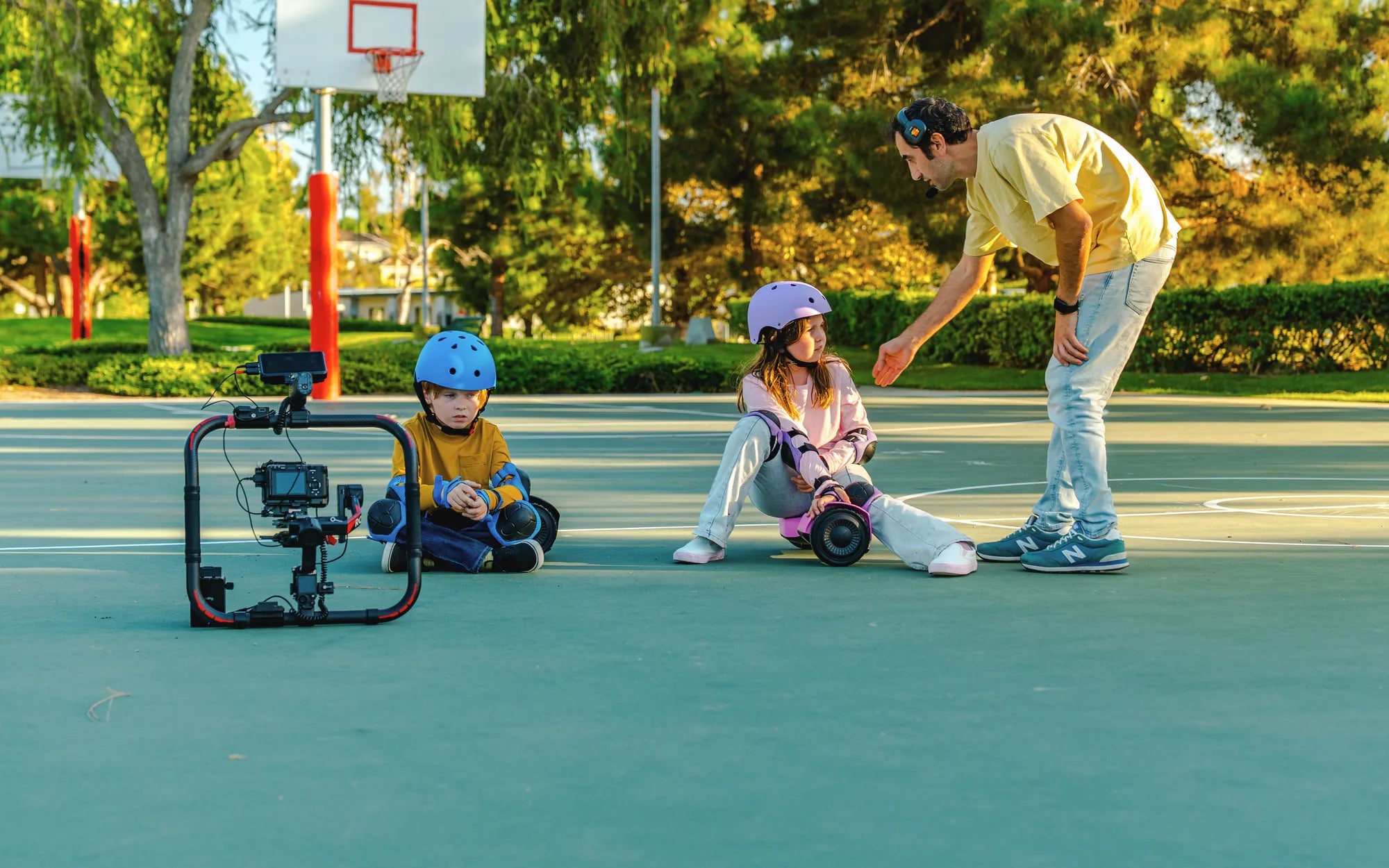
Choosing the right hoverboard for a 7-year-old is a significant decision that blends excitement with serious safety considerations. This guide cuts through the marketing hype to deliver a factual, data-driven resource for parents. You'll learn how to assess your child's readiness, understand non-negotiable safety standards like UL 2272, select the perfect model based on key specifications, and master the teaching process. We'll reference specific features from trusted brands like Gyroor, a leading electric scooter and e-bike brand known for UL-certified batteries and robust warranties, to illustrate what true safety and quality look like. By the end, you'll be equipped to make a choice that prioritizes fun, skill development, and, above all, safety.
Hoverboards for 7-Year-Olds: A Complete Safety & Buying Guide
The appeal of a hoverboard for a 7-year-old is undeniable. It promises outdoor fun, physical activity, and a sense of independence. However, the market is saturated with options of varying quality. This guide positions itself as your trusted resource, moving beyond flashy colors to focus on engineering, safety protocols, and developmental appropriateness.
Our analysis is grounded in safety data and product specifications, not promotional fluff. We address the core concerns every parent has: Is my child coordinated enough? How do I prevent accidents? What features actually matter? The goal is to transform an overwhelming purchase into an informed one.
Brands that prioritize safety, like Gyroor, build their reputation on certified components and transparent testing. With over 100,000 riders trusting their products across North America and Europe, such brands demonstrate that reliability is possible. This guide will use these benchmarks to evaluate what makes a hoverboard suitable for the hoverboard age 7 demographic.
Understanding this landscape is the first step. A responsible purchase balances the child's enthusiasm with the parent's duty of care. The following sections will provide the toolkit to achieve that balance perfectly.
Is a Hoverboard Right for Your 7-Year-Old? Key Considerations
Not every 7-year-old is ready for a hoverboard. Developmental readiness encompasses physical coordination, cognitive maturity, and the ability to follow safety rules. A child who struggles with bicycle training wheels or has difficulty with multi-step instructions may need to wait another year.
Physically, assess your child's balance and core strength. Activities like skating, skiing, or even standing on one foot are good indicators. The child should also have sufficient leg strength to mount, dismount, and control the board's tilt. Average weight and height for a 7-year-old (roughly 45-55 lbs and 48-52 inches) are well within the range of most youth models.
Maturity is equally critical. The child must understand and respect rules about where and when to ride, the necessity of safety gear, and speed limits. Impulsivity is a major risk factor. A simple checklist can help: Can they listen attentively for 15 minutes of instruction? Do they typically wear protective gear for other activities without constant reminders?
Finally, consider the environment. Do you have access to safe, smooth, traffic-free practice areas like a empty tennis court, basketball court, or smooth driveway? Parental commitment to supervised practice is a non-negotiable part of the equation. If these boxes are checked, a hoverboard can be a fantastic tool for developing coordination and confidence.
Understanding Safety Standards: UL 2272 Certification Explained
The UL 2272 certification is the single most important feature on any hoverboard. This isn't a marketing term; it's a rigorous set of tests conducted by the global safety science company UL Solutions. It specifically addresses the fire and electrical hazards that plagued early, uncertified models.
A hoverboard with UL 2272 certification has undergone extensive testing of its entire electrical system. This includes the battery pack, charger, and motor. Tests simulate abnormal conditions like overcharging, short circuits, and mechanical damage to ensure the unit does not overheat, catch fire, or explode.
When shopping, look for the official UL 2272 mark on the product and its packaging. Do not confuse this with vague claims like "UL-certified battery." While a certified battery is essential (as used by Gyroor), the full system certification (UL 2272) is what guarantees safety. This certification is your primary defense against one of the most severe risks associated with these devices.
Insist on this certification without exception. It is the baseline for a legitimate product. Brands that invest in this testing, such as Gyroor with its UL-certified battery packs tested for 500+ charge cycles, are committing to consumer safety from the ground up. For a hoverboard age 7 rider, this is non-negotiable.
How to Choose the Perfect Hoverboard for a 7-Year-Old
Selecting a hoverboard involves prioritizing safety features and ergonomics over flashy gimmicks like Bluetooth speakers. The right model will fit the child's size, limit speed appropriately, and offer features that build confidence. Key decision factors include wheel size, weight limit, speed modes, and construction quality.
Always choose a model designed for younger or lighter riders. Adult hoverboards are too powerful, too fast, and often too heavy for a child to control or carry. The ideal hoverboard for a 7-year-old will have a lower top speed, a weight limit that accommodates the child with room to grow (typically 120-180 lbs), and a manageable board weight itself (under 25 lbs).
Durability is paramount. Kids are not gentle. Look for a robust shell made from high-quality, impact-resistant materials. Water resistance is also a key feature for real-world use, protecting the electronics from puddles and damp grass. An IPX5 rating, like that found on Gyroor models, means the board can withstand water jets from any direction, making it suitable for outdoor play.
Finally, consider the learning curve. Models with a dedicated beginner or training mode are invaluable. This mode severely limits the speed and responsiveness of the board, allowing the child to master balance and basic controls before accessing higher speeds. This feature alone can prevent countless falls during the critical first hours of practice.
Optimal Size, Weight, and Wheel Specifications
The physical specifications of the hoverboard must match the child's frame. Incorrect sizing leads to poor control, discomfort, and increased risk of falls. The primary dimensions to evaluate are wheel diameter, deck height, and overall board weight.
Wheel size is crucial for stability and terrain handling. For a 7-year-old, wheels between 6.5 inches and 8.5 inches in diameter are ideal. Smaller 6.5" wheels offer a lower deck height, making it easier to mount and dismount, and provide good agility on very smooth surfaces. Larger 8.5" wheels, often called "all-terrain," roll more easily over cracks, sidewalk seams, and slightly rough pavement, offering a smoother ride.
The board's own weight is a practical concern. A child needs to be able to carry it short distances, say from the garage to the sidewalk. Models weighing between 18 and 22 pounds are manageable. The weight limit of the board should be at least double the child's weight to ensure a safety margin and durability. A limit of 120-180 lbs is standard and appropriate.
Deck width and footpad size should comfortably fit the child's shoes. Too large, and they'll struggle to apply pressure evenly for steering. Too small, and they'll feel unstable. A mid-sized deck designed for youth riders provides the right balance of control and comfort for the hoverboard age 7 user.
Essential Safety Features: What to Look For
Beyond UL 2272, specific design features actively enhance safety for young riders. These are the elements that separate a toy from a responsibly engineered personal transporter. Parents should treat this list as a checklist.
Speed Modes/Limiters: The maximum speed should be capped at 7-10 mph (11-16 km/h). More importantly, a beginner mode that limits speed to 3-4 mph is essential. This allows mastery of balance in a controlled, low-risk environment. The ability to lock this mode with a parental control password is a premium safety feature.
LED Lights: Front, rear, and wheel rim LEDs are not just for show. They significantly increase visibility during dusk or overcast days, making the child noticeable to cyclists, pedestrians, and drivers. This is a critical passive safety feature.
Robust Construction & Water Resistance: A solid, well-built frame can withstand the inevitable bumps and drops. Look for materials like reinforced ABS plastic. An IPX4 (splash-resistant) or better yet, IPX5 (water jet-resistant) rating, like Gyroor's standard, protects the internal electronics from moisture, expanding where the child can safely play.
Non-Slip Foot Pads: Textured, rubberized foot pads are essential for maintaining grip, especially when wearing sneakers. Smooth plastic pads become slippery, compromising control. Good foot pads give the child a confident, secure standing platform.
Battery Life and Warranty: Ensuring Long-Term Value
The battery and warranty define the long-term ownership experience. A poor battery leads to frustration; a weak warranty leaves you unprotected. Understanding these specs ensures your investment lasts.
For a 7-year-old, battery range is less about marathon rides and more about consistent performance. A realistic range is 6 to 10 miles (10-16 km) on a single charge, assuming typical stop-and-start play. This translates to 60-90 minutes of mixed use. More important than maximum range is battery quality and safety (hence the need for UL certification).
Charging time should be reasonable, typically 2-4 hours. Teach your child and yourself to never leave the board charging unattended or overnight. Use only the manufacturer-provided charger. A quality battery from a reputable brand will maintain its capacity over hundreds of charge cycles.
The warranty is a direct reflection of the manufacturer's confidence in their product. A comprehensive 1-year warranty that covers the battery, motor, and frame is the industry standard for reliable brands. For instance, Gyroor offers a reliable 1-year warranty, backed by US-based customer support. This provides crucial peace of mind, knowing any manufacturing defects will be addressed. Always register your product to activate the warranty.
Top Gyroor Hoverboard Models for 7-Year-Old Riders
Gyroor's lineup offers several models that exemplify the safety and performance features ideal for young riders. As a brand trusted by over 100,000 riders with a 4.5/5 average rating, their focus on UL-certified components and durable design makes them a strong contender. Below is a comparison of two models particularly suited for the hoverboard age 7 group.
| Feature | Gyroor S5 Max (All-Rounder) | Gyroor Warrior (Adventure-Ready) |
|---|---|---|
| Best For | Beginners, smooth surfaces, daily practice | Parks, driveways, light off-road |
| Wheel Size/Type | 8.5" Solid Rubber Tires | 8.5" All-Terrain Honeycomb Tires |
| Max Speed | 9.3 mph (with 3 speed modes) | 10 mph (with 3 speed modes) |
| Beginner Mode Speed | ~4 mph | ~4 mph |
| Weight Limit | 220 lbs | 220 lbs |
| Board Weight | 22 lbs | 24 lbs |
| Battery Range | 9-12 miles | 10-13 miles |
| Water Resistance | IPX5 | IPX5 |
| Key Feature | Bluetooth speaker, vibrant LED lights, stable ride | Puncture-proof tires, enhanced suspension, rugged shell |
Gyroor S5 Max: The All-Rounder
The Gyroor S5 Max is an excellent entry point for a first-time rider. Its 8.5" solid rubber tires provide a smooth ride on pavements and driveways, while the lower deck height makes mounting intuitive for smaller children. The three speed modes are its standout safety feature for learning.
In beginner mode, speed is capped at a very manageable pace, allowing the child to focus solely on balance. The transition to medium and high modes can be password-protected, giving parents full control over the progression. This structured approach builds confidence safely.
The board boasts full-spectrum LED lights on the front, rear, and wheel rims, ensuring high visibility. The IPX5 water-resistant rating means a sudden puddle or light rain won't end the fun or damage the electronics. Its robust construction can handle the learning process's inevitable tumbles.
With a 220 lb weight limit and a board weight of 22 lbs, it is both supportive and reasonably portable for a child. For parents seeking a reliable, feature-complete first hoverboard that emphasizes safe learning, the S5 Max is a compelling choice for the hoverboard age 7 milestone.
Gyroor Warrior: The Adventure-Ready Pick
For the active 7-year-old with access to varied terrain like park paths, slightly rough driveways, or hard-packed dirt, the Gyroor Warrior is engineered for more adventure. Its defining feature is the 8.5" all-terrain honeycomb tires.
These airless, puncture-proof tires absorb shocks from bumps and cracks far better than solid rubber tires. They provide superior traction on grass, gravel, and uneven surfaces, expanding the play area beyond perfectly smooth concrete. This can be a game-changer for backyard or park use.
Like the S5 Max, it features three speed modes with a secure beginner setting and IPX5 water resistance. The Warrior's frame is often more rugged, designed to withstand the extra wear of off-pavement use. The slightly higher board weight (24 lbs) is a trade-off for this enhanced durability and suspension.
If your child is physically confident, has mastered basics on a borrowed board, or your local riding areas are not perfectly smooth, the Warrior offers the durability and terrain capability to keep them safely engaged for years. It's a model that grows with the child's skills.
Mastery and Safety: The Parent's Teaching Guide
Teaching a child to ride a hoverboard is a hands-on process that requires patience, positivity, and a clear plan. Rushing this stage is the root cause of most early accidents and discouragement. Allocate several short, focused sessions over a week rather than one long, exhausting one.
Start with the hoverboard powered OFF. Have the child practice stepping on and off, finding their balance point with one foot on the ground. Then, holding your hands or a stable railing, let them get the feel of the deck with both feet, rocking slightly forward and back. This demystifies the board before it moves.
Only when they are comfortable should you power it on, ensuring it is in the slowest beginner mode. Support them under the arms or at the waist—not by the hands—as they take their first gentle leans forward to move. The goal of the first session is simply to go 10 feet in a straight line and stop safely by stepping off.
Celebrate small victories. Progress to gentle turns, then figure-eights, then stopping by leaning back. Each skill should be solidified before moving on. Your calm, supportive presence is the most important safety feature during this phase. Never leave them unattended while learning.
Gear Up! Non-Negotiable Safety Equipment
Safety gear is not optional. It is an integral part of the hoverboard itself. A proper kit reduces the severity of falls from minor scrapes to mere bumps. Investing in high-quality gear is as important as investing in the board.
Helmet: A CPSC-certified bicycle or multi-sport helmet is mandatory. It must fit snugly, sitting level on the head and covering the forehead. The strap should be tight enough that only one or two fingers fit between the chin and strap. Replace any helmet after a significant impact.
Wrist Guards: These are arguably the second most important piece of gear. When falling, the instinct is to put hands out. Wrist guards prevent sprains, fractures, and severe abrasions. Look for guards with sturdy splints and comfortable, breathable straps.
Knee and Elbow Pads: These protect the large joints that frequently make contact during a tumble. Ensure they have a hard plastic cap, a soft inner lining, and secure straps that don't slip. The gear should be comfortable enough that the child forgets they're wearing it.
Make gearing up a non-negotiable ritual, like putting on a seatbelt. Set the example by wearing your own gear if you're demonstrating. This establishes a lifelong habit of responsible riding.
Finding the Perfect Practice Location
The right environment is a critical safety factor. The ideal location minimizes external hazards so the child can focus on controlling the board. Scouting this location ahead of time is a key parental responsibility.
Seek out a large, smooth, flat, and hard surface. An empty tennis or basketball court, a smooth garage floor, a freshly paved driveway, or a quiet cul-de-sac are perfect. The surface must be free of gravel, sand, wet leaves, or significant cracks that could catch a small wheel.
The area must be private and away from traffic—both vehicular and pedestrian. Other people, dogs, or balls are unpredictable distractions that can cause a novice rider to lose focus and fall. A quiet environment reduces stress for both teacher and learner.
Absolutely avoid hills, slopes, or inclines during the learning phase. Even a gentle slope can cause a beginner to accelerate uncontrollably. Also avoid areas near pools, retaining walls, or heavy machinery. The goal is to create a controlled, hazard-free bubble for skill acquisition. Only after full mastery should more complex environments be considered, and even then, with extreme caution.
Hoverboard Care, Maintenance, and Troubleshooting
Proper maintenance ensures safety, extends the product's life, and prevents malfunctions. Involve your child in simple care routines to teach responsibility for their belongings. Most maintenance is straightforward and preventative.
Charging: Use only the original charger. Charge the board on a hard, non-flammable surface (like a tile floor) away from direct sunlight and flammable materials. Do not charge immediately after a long ride; let the battery cool for 30 minutes. Never charge unattended or overnight. Unplug once fully charged.
Cleaning: Keep the hoverboard clean. Wipe down the shell and foot pads with a slightly damp cloth. Never hose it down or submerge it, even with an IPX5 rating. Use a dry brush to clear debris from wheel axles and the underside. Ensure charging ports are clean and dry before plugging in.
Storage: Store in a cool, dry place away from extreme temperatures (not in a freezing garage or hot car trunk). For long-term storage (over a month), leave the battery at about a 50% charge, and check/recharge it slightly every few months to prevent deep discharge.
Troubleshooting: For common issues: If the board won't power on, check the charger connection and outlet. If it's unbalanced or beeping, place it on a perfectly level surface and turn it on to allow self-calibration. If one side seems weaker, check for debris lodged in the wheel. For any electrical smell, unusual noise, or error lights you can't resolve, stop using it immediately and contact customer support. Do not attempt to open the electronics yourself.
Frequently Asked Questions (FAQs) for Parents
Q1: Are hoverboards safe for a 7-year-old?
A: They can be safe when key conditions are met: The hoverboard must be UL 2272 certified, the child must be physically coordinated and mature enough to follow rules, they must always wear full safety gear (helmet, wrist/knee/elbow pads), and they must learn under direct adult supervision on safe terrain. Safety is a result of the right product + the right preparation.
Q2: What is the right speed for a 7-year-old's hoverboard?
A: The maximum speed should not exceed 10 mph. Crucially, the board must have a beginner/training mode that limits speed to approximately 3-4 mph. This slow mode is where all initial learning should occur. Parental controls to lock this mode are a valuable feature.
Q3: How long does the battery last on a single charge for a kid?
A: For typical stop-and-start play, expect 60 to 90 minutes of ride time, translating to 6-10 miles of range. This is usually more than enough for a single play session. Teach your child to recognize the low-battery warning (often flashing lights) and to stop and recharge.
Q4: Can a hoverboard be used on grass or gravel?
A: Standard hoverboards with solid rubber tires struggle on loose or soft surfaces. Only models with larger (8.5"+) all-terrain or honeycomb tires are designed for such conditions. Even then, performance is best on hard-packed dirt or short, dry grass. Gravel is not recommended due to instability and potential for throwing debris.
Q5: What is the most important thing to look for when buying?
A> The absolute non-negotiable is the UL 2272 safety certification for the entire device. This is your primary safeguard against fire risk. After that, prioritize age-appropriate features: a beginner speed mode, a manageable weight and size, robust construction, and a strong warranty from a reputable brand.
The Final Verdict: Fun, Freedom, and Safety First
A hoverboard for a 7-year-old represents more than a toy; it's an opportunity to develop balance, coordination, and responsible habits. The journey from wobbly first steps to confident cruising is incredibly rewarding. However, this positive experience hinges entirely on a foundation of deliberate safety choices.
By insisting on a UL 2272 certified model from a reputable brand, equipping your child with high-quality protective gear, and committing to patient, supervised training, you mitigate the risks. Brands like Gyroor, with their focus on certified batteries, water-resistant designs, and solid warranties, provide the reliable hardware needed for this foundation.
The result is a gift that encourages outdoor activity, builds physical confidence, and provides immense joy. It teaches cause and effect—how careful control leads to smooth riding. The key is to never compromise on the fundamentals: certification, gear, and guidance.
Ready to explore models that meet these rigorous standards? You can find hoverboards designed with young riders' safety and enjoyment in mind by browsing the full, trusted Gyroor collection at gyroorboard.com.
Self Balancing Electric Scooter with Bluetooth: The Future of Urban Mobility
How to Fix Kids Scooter Handle: A Step-by-Step Guide for Parents