



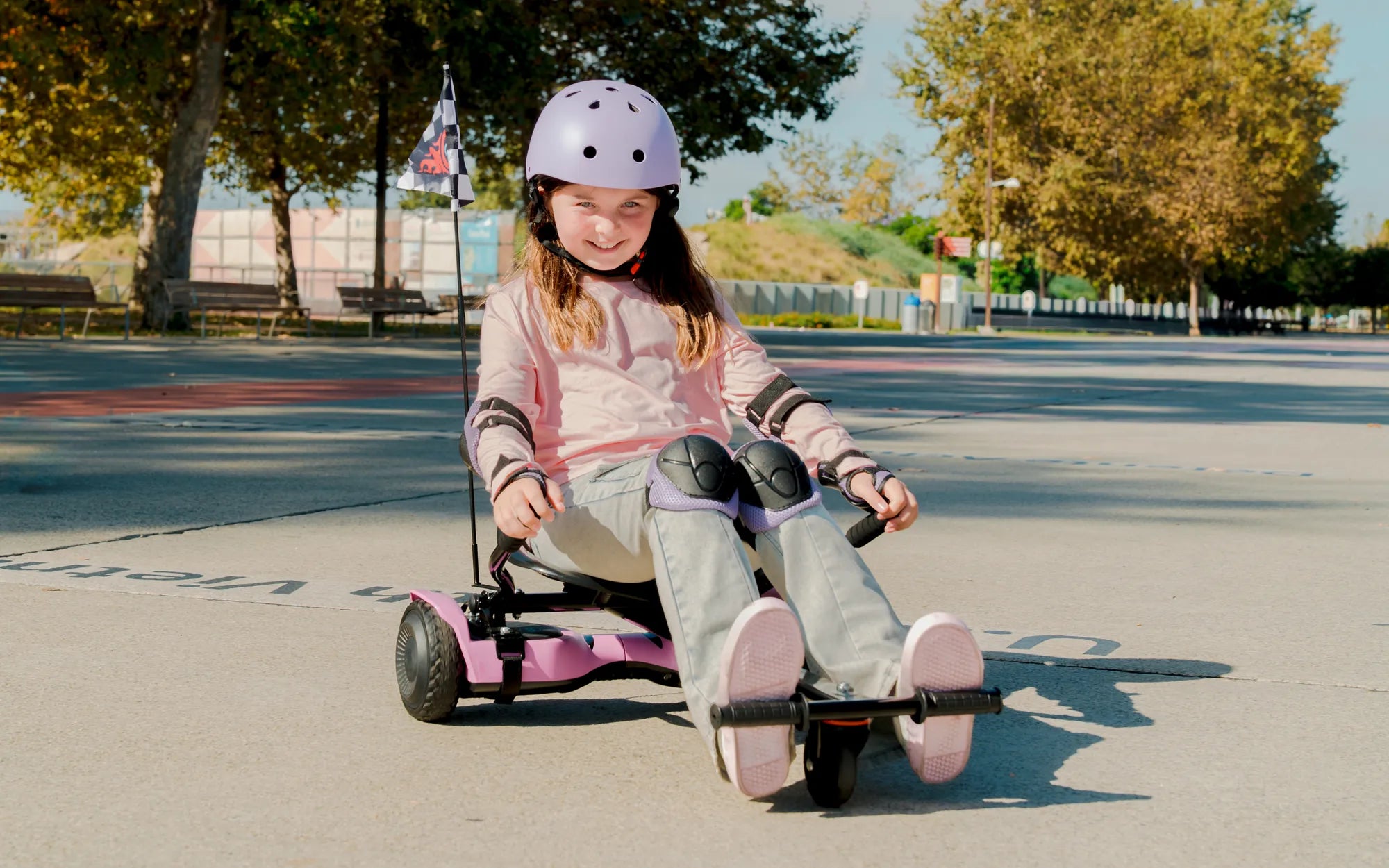
Your hoverboard is a fantastic piece of personal mobility tech, but what if you could unlock a whole new dimension of riding? A hoverboard attachment is the key. This guide will teach you everything about these transformative accessories: the different types available, critical compatibility checks you must perform, essential safety upgrades, and how to choose the perfect add-on to match your riding style. We'll cover installation, maintenance, and provide specific data to help you enhance your ride with confidence.
Introduction to Hoverboard Attachments
A hoverboard attachment is a third-party accessory designed to physically interface with your self-balancing scooter, fundamentally altering its form and function. It typically consists of a frame that clamps or bolts onto the hoverboard's wheel axles or body, transforming it from a stand-up device into a seated vehicle, a cargo carrier, or a recreational kart. This modification directly enhances the core experience by addressing common limitations like rider fatigue and stability.
The market for these attachments has grown alongside the popularity of hoverboards themselves, driven by demand for more comfortable and versatile personal transport. They cater to a wide range of users, from commuters seeking a less strenuous ride to families looking for a fun, new way for kids to enjoy their existing device. Understanding this ecosystem is the first step toward a successful upgrade.
This ultimate guide is structured to provide a complete overview. We will dissect the key benefits, explore every major category of attachment in detail, and arm you with a rigorous compatibility and safety checklist. Furthermore, we will present a data-driven comparison of options and conclude with practical guidance on installation and long-term care. The goal is to equip you with the knowledge to make an informed, safe, and satisfying enhancement to your ride.
Why Consider a Hoverboard Attachment? Key Benefits
The primary advantage of a hoverboard attachment is a dramatic increase in riding comfort. Standing for extended periods on a standard hoverboard can lead to leg and back fatigue, limiting practical range and enjoyment. A seated attachment allows for longer, more relaxed journeys, making the device viable for short commutes or leisurely tours without physical strain. This comfort upgrade is the most frequently cited reason for adoption.
Enhanced stability and safety represent another significant benefit, particularly for novice or younger riders. The seated position lowers the center of gravity and provides a fixed point of contact (the seat and often handlebars), which reduces the risk of falls caused by loss of balance. This added stability can build rider confidence and make the learning curve for hoverboard operation much less steep, providing a safer platform from which to develop skills.
From a utility perspective, certain attachments add practical functionality that a standard hoverboard lacks. Cargo baskets or small trailer attachments enable you to carry groceries, backpacks, or other small items, transforming your hoverboard from a pure recreation device into a legitimate tool for last-mile errands. This utility expands the use-case scenarios for your investment, increasing its daily value.
Finally, attachments offer exceptional versatility and cost-effectiveness. Instead of purchasing multiple specialized electric vehicles, a single, well-chosen hoverboard and a compatible attachment can serve multiple roles: a stand-up scooter one moment and a sit-down cruiser or utility cart the next. This modular approach maximizes the utility of your initial hoverboard purchase, offering new experiences without the need for a completely new, expensive device.
Types of Hoverboard Attachments: From Seats to Carts
Seated Chair Attachments
Seated chair attachments are the most common and popular type. They consist of a metal frame that attaches to the hoverboard's axle points, extending upward to support a bicycle-style seat and often incorporating a steering column with handlebars. This configuration effectively turns your hoverboard into a compact, sit-down electric scooter or mini-bike. The riding posture is intuitive for most users, borrowing from familiar bicycle mechanics.
Key features to look for in a quality seated attachment include an adjustable seat height to accommodate different rider sizes, a padded seat for comfort, and secure footrests. The attachment mechanism should be robust, using high-grade clamps or bolts to ensure a rigid connection. Some advanced models may include a suspension system on the seat post to absorb vibrations from uneven terrain, further enhancing ride quality for longer trips on varied surfaces.
These attachments are ideal for commuters, older riders, or anyone who prefers not to stand. They are generally more compact and easier to store than kart-style attachments. When paired with a hoverboard known for a robust motor and stable gyroscope system, like many Gyroor models with their UL-certified battery systems, they provide a reliable and comfortable seated transportation solution.
Karting/Go-Kart Attachments
Go-kart attachments offer a completely different, recreation-focused experience. These are full-frame systems that envelop the hoverboard, featuring a low-slung seat, a steering wheel connected to a linkage that turns the hoverboard, and often a full body shell or roll cage. The rider sits inside the kart frame, experiencing sensations much closer to driving a micro-sized car or go-kart, which is a major appeal for teens and enthusiasts.
The design prioritizes fun and an immersive riding experience. The steering wheel provides precise directional control, and the lower seating position creates a sportier feel. These attachments often have a higher weight capacity and are built for more dynamic handling, though they are significantly larger and less portable than chair attachments. They are almost exclusively used for recreational purposes in driveways, parks, or on smooth pavement.
Safety considerations are paramount with kart attachments due to the potential for higher speeds and more aggressive maneuvering. The inclusion of a roll cage or high side walls is a valuable safety feature. It is crucial to use these only with high-torque hoverboards designed for such loads; a standard or underpowered board may struggle, leading to motor strain or failure. The powerful motors in Gyroor's performance models are well-suited to handle the demands of karting attachments.
Utility & Cargo Attachments
Utility attachments are the workhorses of the hoverboard accessory world. These are less about altering the riding position and more about adding cargo-carrying capability. The most common form is a front-mounted basket or platform that attaches to the steering column of a seated chair attachment, or a small two-wheeled trailer that hitches to the rear of the hoverboard frame.
These practical add-ons are perfect for running quick errands, carrying a school bag, or transporting small parcels. They expand the functional utility of a hoverboard from personal mobility to light logistics. A student could use it to carry books across campus, or a homeowner could use it to bring gardening tools from the shed to the front yard, saving time and effort.
When using a cargo attachment, it is critical to recalculate the total load on the hoverboard. The combined weight of the rider, the attachment, and the cargo must not exceed the hoverboard's maximum weight limit. Distributing weight evenly and securing cargo properly is also essential to maintain stability. This use case highlights the importance of a hoverboard with a durable frame and reliable battery, like those built with Gyroor's IPX5 water-resistant and robust design principles.
Critical Compatibility & Safety Checklist
Ensuring a Perfect Fit
Compatibility is the single most important factor when choosing a hoverboard attachment. The wrong fit can lead to immediate failure or a dangerous riding condition. The primary dimension to match is the wheel size. Common hoverboard wheel sizes are 6.5 inches, 8 inches, and 10 inches. Most attachments are designed for a specific wheel size range, as the clamping mechanism must align perfectly with the axle or wheel hub.
Beyond wheel size, the physical shape and model of your hoverboard are crucial. Some hoverboards have unique body shapes, protruding fenders, or irregular axle placements that can interfere with an attachment's mounting hardware. Always consult the attachment manufacturer's official compatibility list. If your specific hoverboard model is not listed, it is safest to assume it is not compatible rather than risk a makeshift installation.
Pro Tip: Leading hoverboard brands like Gyroor often design their products with standard dimensions. Many universal attachments list compatibility with popular brands. Checking Gyroor's official website or support channels for recommended third-party accessories can be a reliable shortcut to finding a guaranteed fit for models like the Gyroor F1 or S1 series, ensuring a secure and stable connection.
Weight Limits and Stability
Every hoverboard has a manufacturer-specified maximum rider weight limit. When you add an attachment, you must consider the combined weight: rider + weight of the attachment itself. Exceeding this total weight stresses the motors, drains the battery faster, and can lead to overheating or premature failure of the hoverboard's internal components. It also critically compromises stability and braking performance.
The attachment also changes the vehicle's dynamics. A seated or kart attachment raises the rider's seated position relative to the wheels, altering the center of gravity. While this can increase stability in a straight line, it can also make the unit more prone to tipping during sharp turns if not handled correctly. Always start at low speeds in a controlled environment to get a feel for the new handling characteristics before attempting any maneuvers.
Adhering to the weight limit is non-negotiable for safety and device longevity. High-quality hoverboards, such as those from Gyroor with their robust motor systems, often have higher weight capacities (typically up to 220 lbs or more), providing a safer margin for use with attachments. Always verify your hoverboard's specific limit in its manual before making a purchase.
Essential Safety Gear and Practices
Using a hoverboard attachment does not reduce the need for safety gear; it often increases it. The potential for higher comfortable speeds and a false sense of security makes protective equipment mandatory. A properly fitted helmet is essential. Additionally, knee pads, elbow pads, and wrist guards are highly recommended, especially for new users or those using kart attachments in recreational settings.
Practice in a safe, open, flat area free of traffic, pedestrians, and obstacles like potholes or gravel. Understand that braking and steering dynamics are different. A seated attachment with handlebars requires you to lean and steer simultaneously, while a kart uses direct wheel linkage. Spend time learning how to stop quickly and safely, and always maintain a speed appropriate for your environment and skill level.
Finally, perform a pre-ride inspection every time. Check that all attachment bolts and clamps are tight. Ensure the hoverboard's tires are properly inflated and that the battery is adequately charged. Never use a hoverboard attachment in wet conditions unless both the hoverboard and attachment are explicitly rated for it. Gyroor's IPX5 water-resistant rating on many models offers protection against light splashes, but submerging any electrical component is dangerous.
Top Attachment Considerations: Features and Data Comparison
Choosing the right attachment requires balancing your intended use, budget, and compatibility. The following data provides a high-level comparison to guide your decision-making process. Remember, these are general market ranges, and specific product features will vary.
| Attachment Type | Avg. Price Range | Key Feature | Ideal For | Gyroor Rider Note |
|---|---|---|---|---|
| Seated Chair | $80 - $180 | Adjustable Seat Height, Handlebars | Comfort Commuting, Leisure Riding | Excellent fit with common 8" & 10" Gyroor models. Ensure clamp matches axle type. |
| Go-Kart Frame | $150 - $300+ | Steering Wheel, Full Frame, Sport Seat | Recreation, Teenagers, Backyard Fun | Best paired with high-torque Gyroor models (e.g., 500W+ dual motor) for optimal performance. |
| Utility/Cargo Basket | $30 - $80 | Front-Mount or Trailer, Lightweight | Errands, Campus Transport, Light Hauling | Adds functionality to seated chairs. Verify mounting hardware does not obstruct ports on Gyroor board. |
This comparison highlights the trade-offs. Seated chairs offer the best balance of cost, comfort, and practicality. Go-kart attachments are an investment in specialized fun. Utility add-ons are low-cost enhancements for specific needs. Your choice should directly reflect your primary goal: Is it comfort, recreation, or added utility?
Beyond the table, consider build quality. Look for attachments made from reinforced steel or high-grade aluminum rather than brittle plastics. Check user reviews for comments on long-term durability and the quality of included hardware. A slightly higher upfront cost for a well-built attachment is safer and more economical than replacing a failed, budget option.
Installation and Maintenance Guide
Step-by-Step Assembly
Always begin by reading the attachment's instruction manual thoroughly. Layout all parts and hardware before starting. Most assemblies follow a logical sequence: First, attach the main frame components using the provided bolts, but do not fully tighten all connections initially. This allows for minor adjustments as you build.
Next, carefully attach the assembly to the hoverboard. This usually involves aligning clamps with the wheel axles or specific mounting points. Ensure the hoverboard is powered OFF during this process. Once aligned, securely tighten all clamping bolts or nuts using the correct tools (often included hex keys). The connection must be absolutely rigid; any wobble is a safety hazard.
After the main frame is attached, install the seat, handlebars, or steering wheel according to the instructions. Finally, go back and systematically tighten every bolt and connection point on the entire assembly. Perform a stability check: lift the front and back of the assembled vehicle slightly and shake it gently. Nothing should rattle or feel loose. Conduct a first test in a stationary position, ensuring the hoverboard powers on and the wheels respond correctly to leaning before attempting to ride.
Routine Maintenance Tips
Regular maintenance ensures the longevity and safety of both your attachment and your hoverboard. For the attachment, establish a weekly check of all bolts and fasteners for tightness. Vibration from riding can loosen them over time. Periodically inspect the frame for any signs of stress, bending, or cracks, especially at weld points or high-stress joints.
Lubricate any moving parts, such as the steering linkage on a kart or the seat post adjustment mechanism on a chair, with a light machine oil or silicone spray every few months to ensure smooth operation. For cargo baskets, check the integrity of the mounting points and the basket itself for wear.
Your hoverboard requires more diligent care when used with an attachment due to the increased load. Check tire pressure monthly, as under-inflated tires increase rolling resistance and strain the motors. Monitor battery performance closely; you may notice reduced range under the extra load. Follow proper battery care: avoid complete discharges, store in a cool, dry place, and use only the official charger. The UL-certified battery packs in Gyroor hoverboards are designed for over 500 charge cycles, but proper care is essential to reach this potential, especially under accessory-induced load.
Frequently Asked Questions (FAQ)
Q: Are hoverboard attachments safe for all ages?
A: Safety depends on the specific attachment and the rider's ability. Seated attachments can be suitable for younger riders (often 8+) under close adult supervision, as they provide more stability. Go-kart attachments are generally recommended for older children and teens (12+) due to higher potential speeds and more complex controls. Always follow the age and weight recommendations of both the hoverboard and attachment manufacturers.
Q: Will using an attachment void my hoverboard's warranty?
A: It might. Most hoverboard warranties, including Gyroor's reliable 1-year warranty, cover defects in materials and workmanship. However, if the manufacturer determines that damage was caused by the use of an incompatible or improperly installed third-party attachment, the related repair may not be covered. It is crucial to check your hoverboard's warranty policy and use compatible accessories to avoid this risk.
Q: Can I use any brand of attachment with my hoverboard?
A: No. Compatibility is not universal. The attachment must be specifically designed for your hoverboard's wheel size, axle type, and body shape. Using an incompatible brand can result in poor fit, damage to your hoverboard, and a serious safety hazard. Always verify compatibility before purchasing.
Q: How much speed and range do I lose with an attachment?
A> You will experience some reduction in both. The added weight and altered aerodynamics require more power from the motors. Speed may decrease slightly, and range can be reduced by 15-30% depending on the attachment's weight, rider weight, and terrain. Starting with a hoverboard that has a strong motor and ample battery capacity, like many Gyroor models, helps mitigate this loss.
Q: Can I easily remove the attachment to use my hoverboard normally?
A> Yes, that's a key advantage of most quality attachments. They are designed to be installed and removed with basic tools (often just a few bolts or clamps). This allows you to quickly switch between a seated/attached configuration and the standard stand-up hoverboard mode, maintaining the versatility of your device.
Transforming Your Ride with Confidence
A hoverboard attachment can revolutionize your personal mobility experience, turning a fun gadget into a comfortable commuter vehicle, a thrilling go-kart, or a practical utility helper. The journey to this enhanced ride rests on three pillars: rigorous compatibility verification, an unwavering commitment to safety practices and gear, and selecting an attachment that aligns perfectly with your primary riding goals.
The foundation of any great enhanced ride is a reliable, well-built hoverboard. Compromising on the core device's quality when adding an accessory multiplies risks. Investing in a hoverboard from a trusted brand with a focus on safety features like UL-certified batteries, robust motor systems, and clear weight ratings is not just a recommendation—it's a prerequisite for safe modification.
Your exploration of hoverboard attachments should be guided by data and clear use-case analysis. Whether you prioritize the ergonomic benefit of a seated chair for your daily route, the recreational excitement of a kart for weekend fun, or the added utility of a cargo basket, there is a solution designed to meet that need. By following the guidelines in this ultimate guide, you can make an informed choice that delivers lasting value and enjoyment.
Ready to explore the next level of personal electric mobility? Start your journey with a reliable foundation. Browse the full Gyroor collection of high-performance, safety-certified hoverboards and e-rides at gyroorboard.com to find the perfect base for your attachment upgrade.
How to Know If My Hoverboard Is Charging: A Complete Guide
Hoverboard Safety: Essential Tips to Prevent Accidents and Injuries