



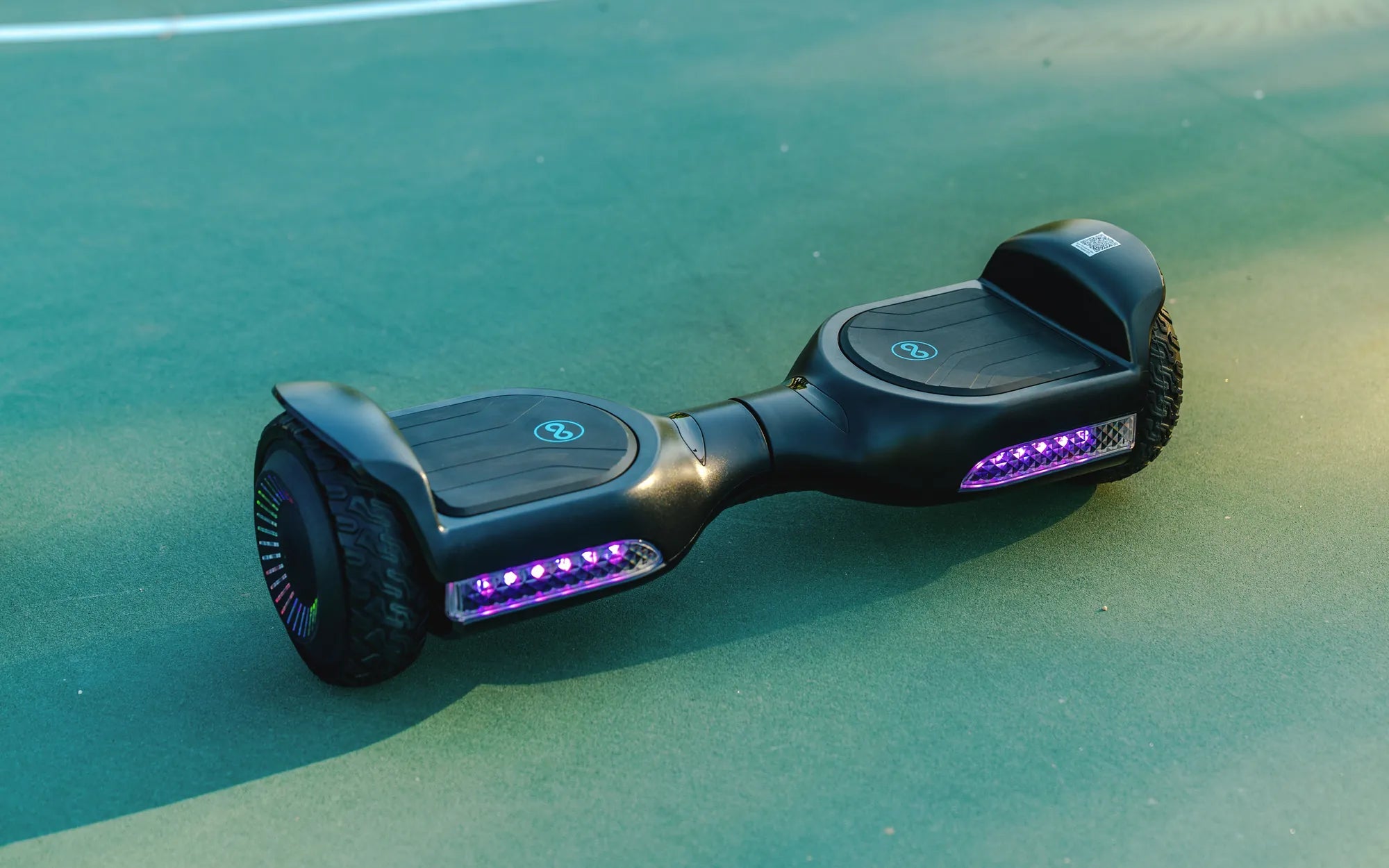
Hoverboards took the world by storm, offering a futuristic way to glide effortlessly. But beneath their sleek design lies a hidden danger—defects that can turn a fun ride into a hazardous experience. From battery fires to sudden stops, hoverboard defects have made headlines for all the wrong reasons. If you own or are considering buying one, understanding these risks is crucial.
Common Hoverboard Defects
Several recurring issues plague hoverboards, making them a potential safety hazard. Here are the most common defects:
- Battery Overheating and Fires: Many hoverboards use lithium-ion batteries, which can overheat and even catch fire if poorly manufactured or overcharged.
- Sudden Shutdowns: Some models abruptly stop working mid-ride, causing riders to lose balance and fall.
- Faulty Chargers: Cheap or defective chargers can lead to electrical malfunctions, increasing fire risks.
- Unresponsive Controls: Delayed or erratic responses from the board's sensors can result in accidents.
- Weak Structural Integrity: Low-quality materials may cause the hoverboard to crack or break under stress.
The Dangers of Hoverboard Defects
These defects aren't just minor inconveniences—they can lead to serious injuries or even fatalities. Battery fires have caused property damage and burns, while sudden stops or unresponsive controls can result in broken bones, concussions, or worse. Children and inexperienced riders are particularly vulnerable.
How to Identify a Defective Hoverboard
Before riding, check for these warning signs:
- Excessive heat from the battery or motor during use.
- Unusual noises, such as grinding or clicking sounds.
- Inconsistent speed or difficulty balancing.
- Visible damage to the frame, wheels, or wiring.
Safety Tips to Prevent Accidents
To minimize risks, follow these precautions:
- Always purchase from reputable sellers with safety certifications.
- Avoid overcharging the battery and unplug it once fully charged.
- Use protective gear, including helmets, knee pads, and wrist guards.
- Inspect the hoverboard regularly for signs of wear or damage.
- Never leave a charging hoverboard unattended.
What to Do If You Encounter a Defect
If your hoverboard shows signs of malfunction, stop using it immediately. Contact the manufacturer or retailer for a replacement or refund. Report serious defects to consumer safety agencies to help prevent further incidents.
Hoverboards may seem like harmless fun, but their defects can have devastating consequences. By staying informed and vigilant, you can enjoy the ride while keeping safety a top priority. Don’t let a faulty hoverboard turn your adventure into a disaster—know the risks and take action before it’s too late.
Which Hoverboard Is Best for 8-Year-Old: A Parent’s Guide to Safe and Fun Riding
Hoverboard Price in Canada: What You Need to Know Before Buying