



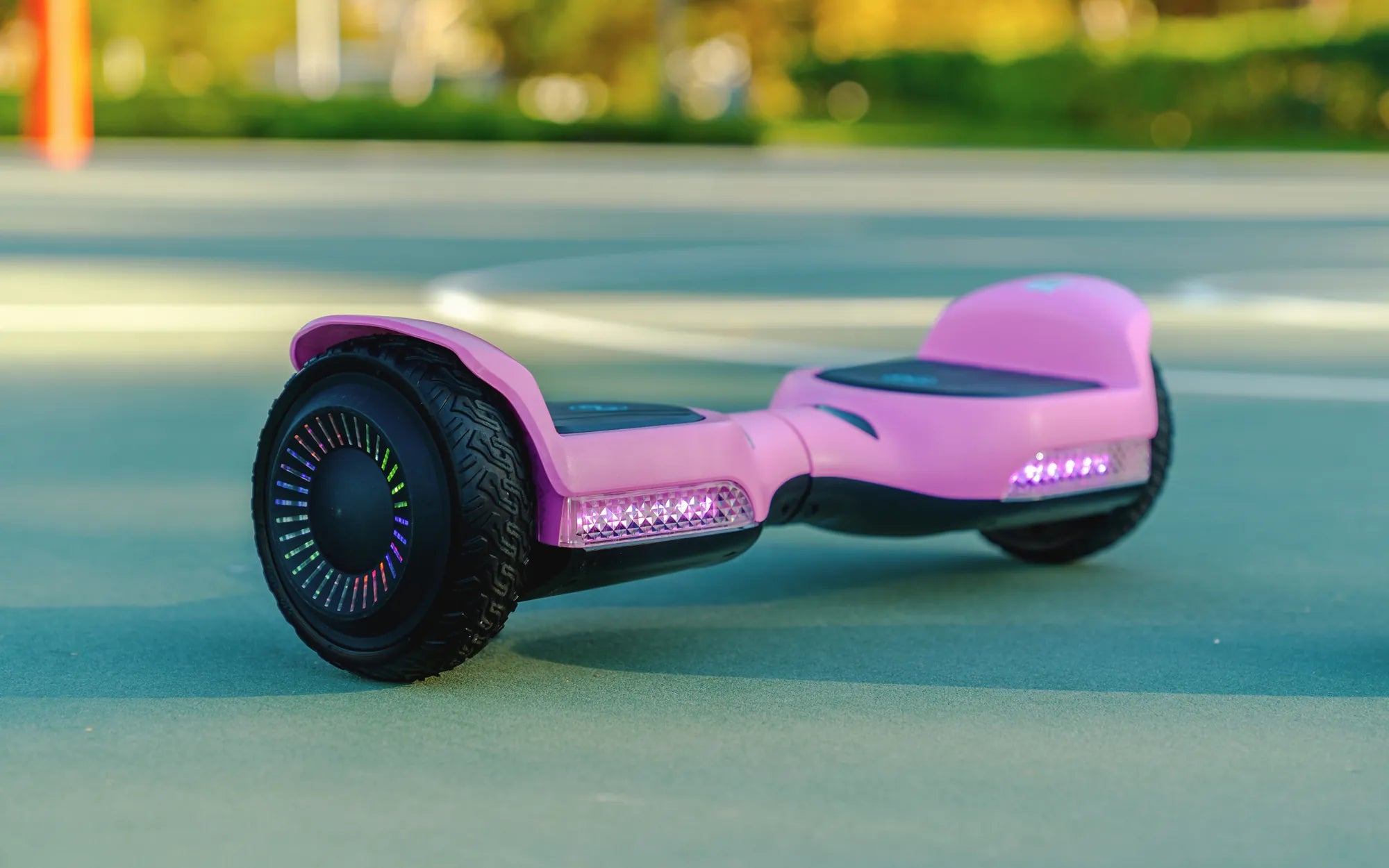
Hoverboards have taken the personal transportation market by storm, offering a fun and efficient way to get around. But with so many options available, how do you know which one is right for you? Understanding the key hoverboard differences can help you make an informed decision and ensure you get the best ride for your money.
Design and Build Quality
One of the most noticeable hoverboard differences lies in their design and build quality. Some models feature sleek, minimalist designs with lightweight materials, while others prioritize durability with reinforced frames and rugged tires. The choice between plastic and aluminum construction can significantly impact both weight and longevity.
Wheel Size and Terrain Compatibility
Hoverboards come with varying wheel sizes, typically ranging from 6.5 inches to 10 inches. Smaller wheels are ideal for smooth surfaces like indoor floors or pavements, while larger wheels handle rough terrain like grass or gravel more effectively. Off-road hoverboards often include additional tread patterns for better grip.
Motor Power and Speed
Motor power is another critical factor in hoverboard differences. Entry-level models may have single motors with lower wattage, while premium options feature dual motors for enhanced speed and torque. Most hoverboards max out at 10-12 mph, but high-performance models can reach higher speeds.
Battery Life and Charging Time
Battery capacity varies widely, affecting both range and charging time. Standard hoverboards offer 1-2 hours of continuous use, while advanced models can last up to 3-4 hours. Charging times range from 1-3 hours, depending on the battery type and capacity.
Safety Features
Safety is a major consideration when comparing hoverboard differences. Look for features like UL2272 certification, which ensures protection against electrical hazards. Other safety enhancements include non-slip foot pads, LED lights for visibility, and built-in gyroscopes for better balance control.
Price Range and Value
Hoverboards span a wide price spectrum, from budget-friendly options under $200 to high-end models exceeding $500. While cheaper hoverboards may lack advanced features, they can still provide a reliable ride for casual users. Premium models justify their cost with superior performance, durability, and extra features.
Additional Features
Modern hoverboards often include extras like Bluetooth speakers, mobile app connectivity, and customizable LED lights. While these features aren't essential, they can enhance the overall riding experience. Some models even offer self-balancing modes for beginners.
With so many hoverboard differences to consider, it's easy to feel overwhelmed. But by focusing on your specific needs—whether it's speed, terrain compatibility, or battery life—you can find the perfect hoverboard to match your lifestyle. Ready to take the plunge? Your next adventure is just a ride away.
Hoverboard Kid Friendly: The Ultimate Guide to Safe and Fun Riding for Children
Hoverboard 8.5 Pouces: The Ultimate Guide to Compact and Powerful Riding