



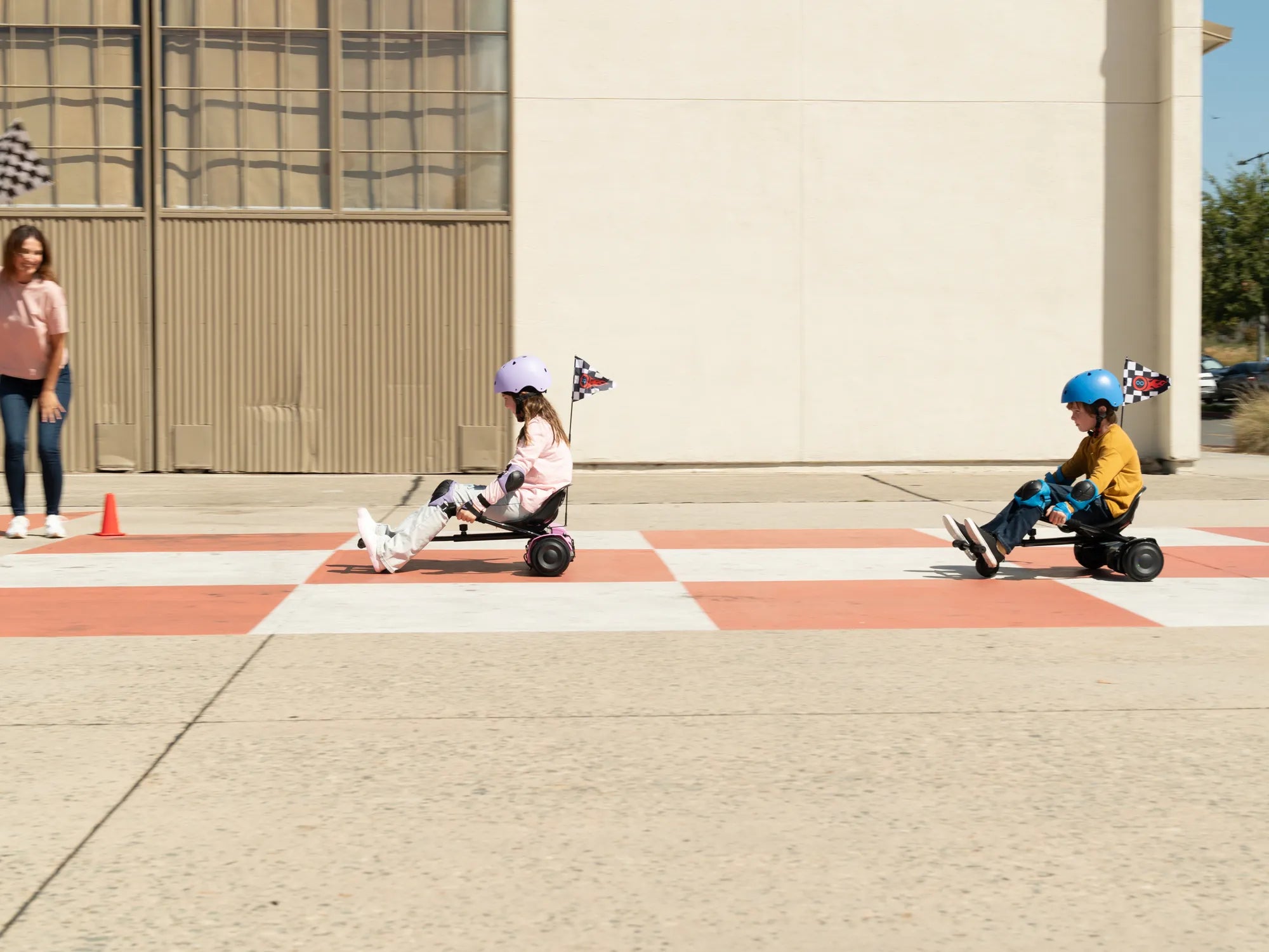
If you've ever seen a hoverboard in action, you might have wondered why it doesn't actually hover. Despite its futuristic name, this popular gadget rolls on wheels rather than floating in mid-air. So why call it a hoverboard at all? Let's dive into the intriguing backstory, the science behind its movement, and why the name stuck despite being technically inaccurate.
The Origins of the Hoverboard Name
The term 'hoverboard' was popularized by science fiction, most notably the 1989 film Back to the Future Part II. In the movie, Marty McFly rides a levitating skateboard that glides effortlessly above the ground. This iconic scene captured the imagination of millions, creating a cultural expectation for a real hoverboard.
When self-balancing scooters hit the market in the early 2010s, marketers seized on the hoverboard name to capitalize on this futuristic appeal. Even though these devices don't hover, the name stuck because it evoked the same sense of cutting-edge technology and effortless mobility.
How a Hoverboard Actually Works
Instead of floating, a hoverboard operates using a combination of gyroscopes, accelerometers, and electric motors. Here's a breakdown of the mechanics:
- Gyroscopes: Detect the rider's tilt and movement to maintain balance.
- Accelerometers: Measure speed and direction to adjust the wheels accordingly.
- Electric Motors: Power the wheels to move forward, backward, or turn based on the rider's input.
This technology allows the device to mimic some of the fluid motion of a sci-fi hoverboard, even if it doesn't achieve true levitation.
Why the Name 'Hoverboard' Persists
Despite its inaccuracy, the name 'hoverboard' remains widely used for several reasons:
- Cultural Familiarity: The term is instantly recognizable due to its sci-fi roots.
- Marketing Appeal: 'Hoverboard' sounds more exciting than 'self-balancing scooter.'
- Lack of a Better Alternative: No other name has gained as much traction.
Even though purists might cringe at the misnomer, the hoverboard label has become ingrained in popular culture.
The Future of Levitating Transportation
While today's hoverboards don't hover, researchers are actively working on real levitation technology. Magnetic levitation (maglev) and air pressure systems are among the most promising avenues for creating a true hoverboard. Some experimental prototypes already exist, though they are far from being consumer-ready.
Until then, the hoverboard name will likely continue to describe wheeled, self-balancing scooters—much to the chagrin of sci-fi fans everywhere.
So the next time you see someone gliding down the street on a hoverboard, remember: it might not float, but it’s still a marvel of modern engineering. And who knows? One day, a real hoverboard might finally live up to its name.
Hoverboard No Background: The Ultimate Guide to Choosing the Perfect Ride
Hoverboard No Background: The Ultimate Guide to Choosing the Perfect Ride