



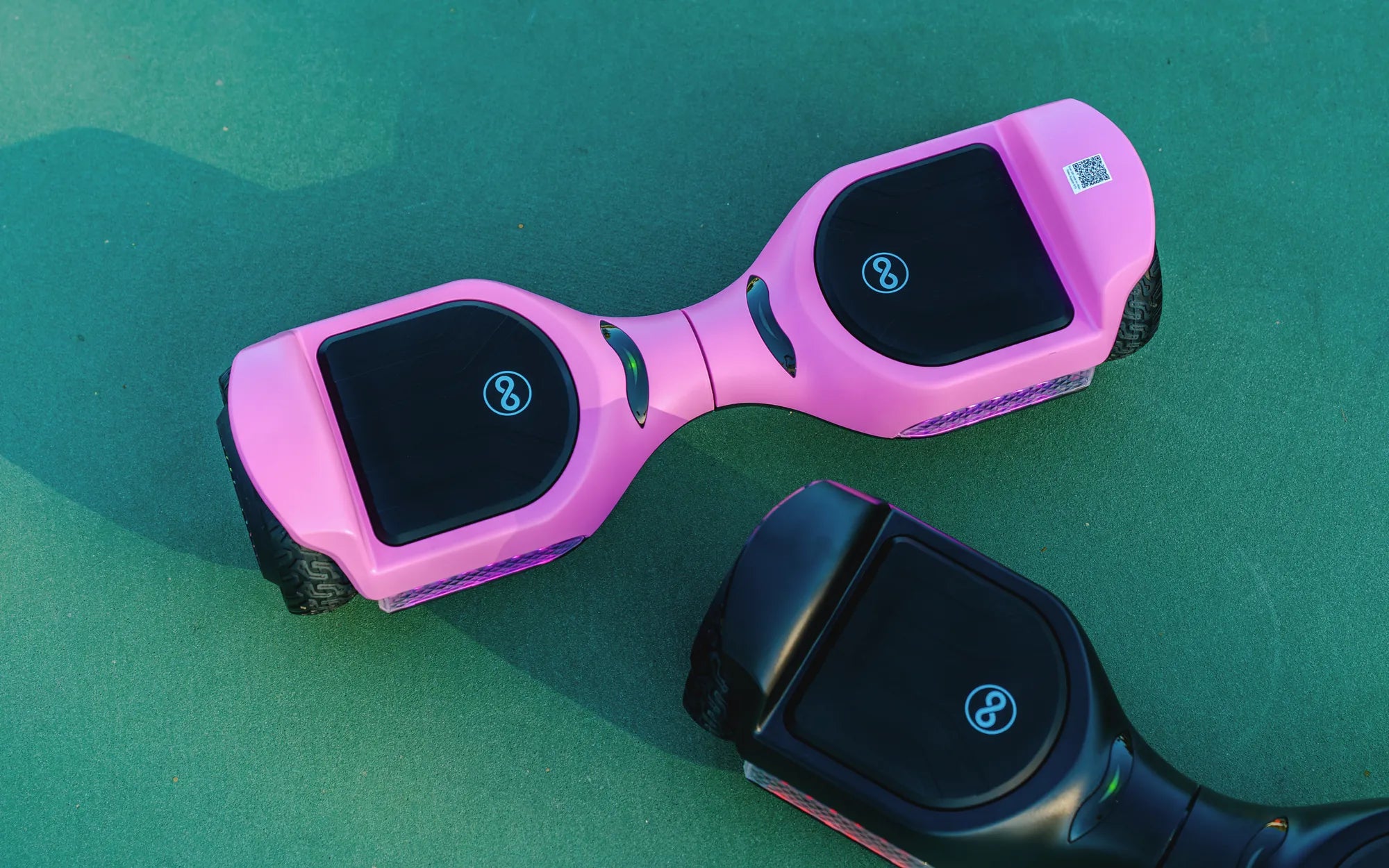
Hoverboards have taken the world by storm, offering a fun and futuristic way to get around. But behind the sleek design and high-speed thrills lies a serious concern: hoverboard fire safety. Reports of overheating, explosions, and fires have made headlines, leaving many wondering how to enjoy these devices without risking their safety. If you own a hoverboard or are thinking of buying one, understanding fire hazards and prevention is crucial. Let’s dive into the risks, causes, and best practices to keep you and your loved ones safe.
Understanding the Risks of Hoverboard Fires
Hoverboard fires are not just rare incidents—they can happen unexpectedly and with devastating consequences. The primary culprit behind these fires is the lithium-ion battery, which powers most modern hoverboards. These batteries are efficient but can overheat, short-circuit, or even explode if damaged or improperly used. Poor manufacturing quality, counterfeit products, and lack of safety certifications further increase the risk.
Common Causes of Hoverboard Fires
- Overcharging: Leaving a hoverboard plugged in for too long can cause the battery to overheat.
- Low-Quality Batteries: Cheap or uncertified batteries are more prone to malfunctions.
- Physical Damage: Dropping or exposing the hoverboard to extreme conditions can damage the battery.
- Poor Ventilation: Charging in confined spaces can trap heat, increasing fire risks.
How to Choose a Safe Hoverboard
Not all hoverboards are created equal. To minimize fire hazards, look for models with:
- UL 2272 Certification: This safety standard ensures the hoverboard meets rigorous electrical and fire safety requirements.
- High-Quality Batteries: Opt for reputable brands and avoid suspiciously cheap models.
- Built-in Safety Features: Overcharge protection, temperature control, and durable casing can prevent accidents.
Best Practices for Hoverboard Fire Safety
Preventing hoverboard fires starts with responsible usage. Follow these guidelines to stay safe:
- Never leave charging unattended: Unplug the hoverboard as soon as it’s fully charged.
- Charge in a safe area: Avoid flammable surfaces and ensure proper ventilation.
- Inspect regularly: Check for signs of damage, swelling, or unusual heat.
- Store properly: Keep the hoverboard in a cool, dry place away from direct sunlight.
What to Do If a Hoverboard Catches Fire
Despite precautions, accidents can still happen. If your hoverboard starts smoking or catches fire:
- Unplug immediately: If safe to do so, disconnect the power source.
- Use a fire extinguisher: Class D extinguishers are best for lithium-ion battery fires.
- Evacuate and call emergency services: Do not attempt to extinguish large fires yourself.
Hoverboards are an exciting innovation, but fire safety should never be overlooked. By choosing certified models, following safe charging practices, and staying vigilant, you can enjoy the ride without fear. Don’t let a preventable accident ruin the fun—take action today to protect yourself and your home from hoverboard fire hazards.
Hoverboard Wont Balance: Causes, Fixes, and Prevention Tips
Hoverboard Wont Balance: Causes, Fixes, and Prevention Tips