



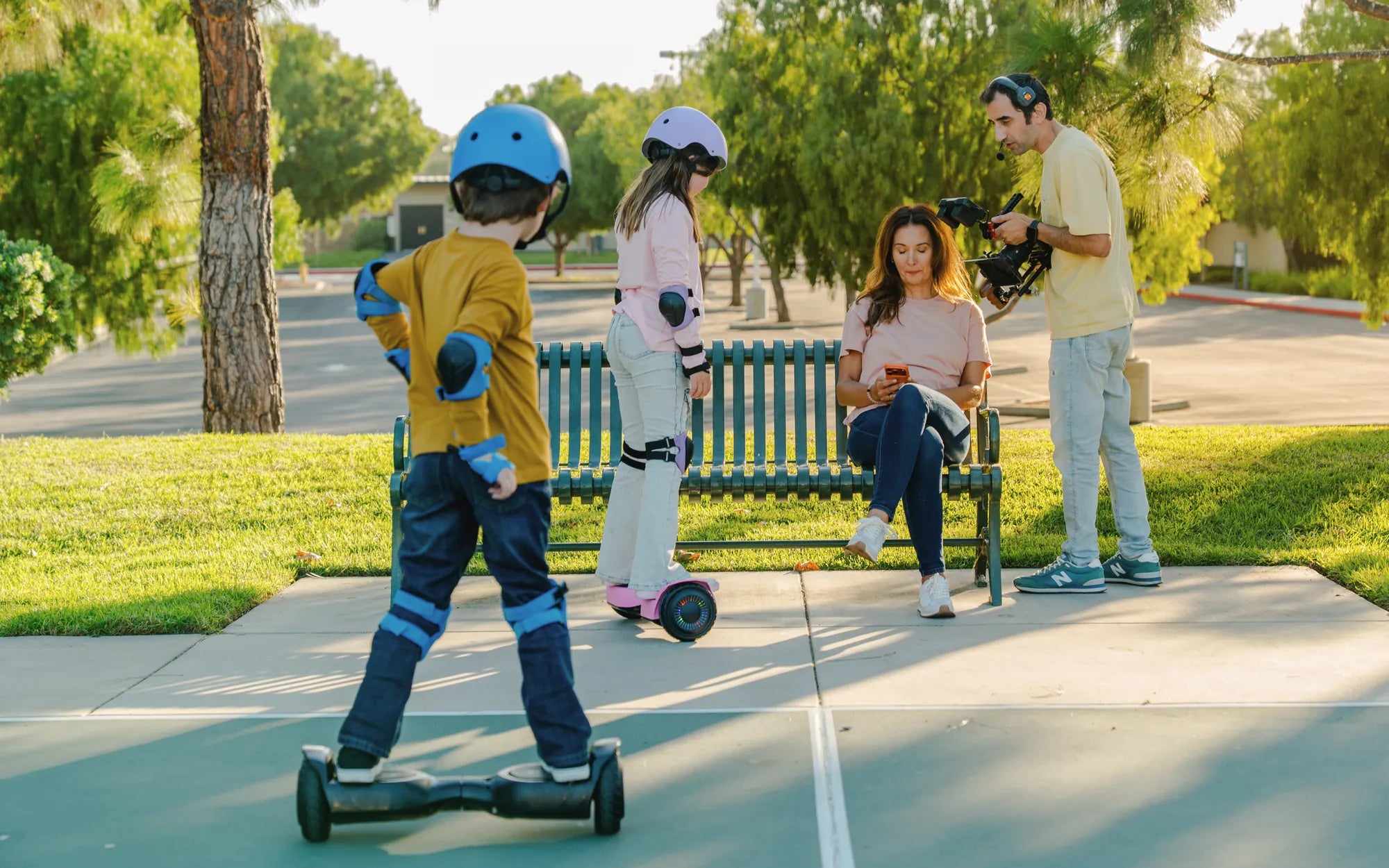
Choosing the right hoverboard for a 7 year old girl blends excitement with serious responsibility. This guide cuts through the noise to deliver actionable, data-driven advice for selecting a device that prioritizes safety without sacrificing fun. You'll learn how to match key hoverboard specifications to your child's developmental stage, understand non-negotiable safety standards, and implement a proven training protocol. The goal is to transform a thrilling gift into a positive experience that builds coordination, confidence, and a love for active play.
Why a 7-Year-Old Girl is Ready for a Hoverboard: Key Developmental Milestones
Seven years old represents a developmental sweet spot for hoverboarding. At this age, children have typically mastered fundamental gross motor skills like running, jumping, and hopping, which translate directly to the balance and coordination needed for a self-balancing scooter. Their vestibular system—the sensory system that provides the leading contribution to balance and spatial orientation—is sufficiently developed to process the subtle leans and shifts required for control.
Cognitively, a 7-year-old can understand and follow multi-step instructions, such as "lean forward to go, lean back to stop, and step off backwards if you feel wobbly." They possess the attention span to practice a new skill for 15-30 minute sessions, which is ideal for incremental learning. Furthermore, their sense of proprioception (awareness of their body's position in space) is refined enough to make the micro-adjustments in foot pressure that steer a hoverboard.
However, readiness is individual. Parents should assess their child's specific temperament, risk awareness, and physical confidence. A child who is cautious but persistent may excel with proper guidance, while an overly impulsive child may need extra emphasis on safety rules. The hoverboard itself must be engineered to support this developmental stage with appropriate speed limits and stability features.
Introducing a hoverboard at this age can have significant benefits beyond mere entertainment. It enhances core strength, improves dynamic balance, and teaches cause-and-effect reasoning in a physical context. The sense of accomplishment from mastering a challenging new skill is a powerful confidence builder. Choosing a model tailored for young riders, like those from Gyroor with their beginner-friendly modes, aligns the technology with the child's capabilities.
Non-Negotiable Safety Features for Kids' Hoverboards
Safety is not a single feature but a system built into the hoverboard's design, electronics, and construction. For a 7-year-old, this system must be robust and foolproof. The cornerstone of this system is certification, followed by intelligent performance limits and physical stability.
UL 2272 Certification: The Non-Negotiable Fire Safety Standard
UL 2272 certification is the definitive safety standard for self-balancing scooters, established by Underwriters Laboratories. It involves rigorous testing of the entire electrical system—battery, charger, and motor—for overcharge, short circuit, imbalance, and extreme operation. A hoverboard without this certification poses a genuine fire risk, as seen in past incidents with uncertified models.
This certification ensures the lithium-ion battery pack is manufactured with quality cells, proper battery management systems (BMS), and robust enclosures. For parents, it is the first and most critical filter when shopping. All Gyroor hoverboards are UL 2272 certified, meaning their battery packs are tested for over 500 charge cycles and built to prevent thermal runaway, providing fundamental peace of mind.
Speed Modes and Parental Control Systems
An unrestricted hoverboard can reach speeds unsafe for a beginner. Essential models for children feature adjustable speed modes, typically a beginner mode capped at 4-5 mph (6-8 km/h). This allows the child to learn balance and control without the intimidation or danger of high speed. Some advanced models, including select Gyroor hoverboards, offer Bluetooth connectivity paired with a smartphone app for remote parental control.
This app allows a parent to set a permanent speed limit, monitor battery level, and even remotely bring the board to a stop in an emergency. This layer of digital supervision is invaluable, extending a parent's reach and ensuring settings aren't changed by the child. It transforms the hoverboard from a standalone toy into a managed device, aligning with the need for supervised play at this age.
Build Quality, Stability, and Wheel Design
Stability is physics. A hoverboard for a young rider needs a wider deck to provide a confident footing and a lower center of gravity. Wheel size is crucial: larger wheels (6.5" or preferably 8.5") roll over small cracks, pebbles, and sidewalk imperfections more smoothly than smaller wheels, preventing sudden jolts that can cause falls.
The tire material also matters. Solid rubber tires are maintenance-free and puncture-proof, while air-filled tires offer a slightly smoother ride on rougher terrain but require pressure checks. For most 7-year-olds on pavement, high-quality solid tires are ideal. The overall build should feel substantial, not flimsy, with no sharp edges. A robust frame, like those used in Gyroor's construction, can withstand the inevitable bumps and learning-curve tumbles.
Top 5 Features for a "Girl-Friendly" Hoverboard (Beyond Pink)
While color is a personal preference, a truly girl-friendly hoverboard focuses on features that enhance safety, enjoyment, and real-world use for a young rider. It combines durability with appealing design and practical functionality.
Durable and Stylish Design Options
Durability is the ultimate style for a kid's product. The hoverboard should have a robust shell made from ABS plastic or similar impact-resistant material. Style comes through in clean colorways, integrated LED light systems in the wheels and body, and sleek, modern silhouettes. LED lights are not just aesthetic; they increase visibility during dusk rides. Brands like Gyroor offer models in a spectrum of colors, from vibrant blues and purples to classic black with accent lights, allowing for personal expression without compromising on ruggedness.
IPX5 Water Resistance: Real Protection for Real Kids
Kids ride on driveways after rain, through morning dew on grass, and near puddles. An IPX5 water resistance rating means the hoverboard's casing can withstand water jets from any direction. This translates to protection against splashes from wet roads, accidental sprays, and light rain. It is a critical feature for longevity and safety, preventing water ingress that could short-circuit electronics. Gyroor designs its hoverboards with IPX5-rated construction, ensuring the internals are protected during typical childhood adventures.
Smooth Acceleration and Responsive Handling
A jerky or overly sensitive hoverboard is difficult to control and can scare a novice. The ideal board has smooth, linear acceleration and braking. The gyroscope and sensor system should be responsive but not twitchy, allowing for gradual leans to be translated into controlled movement. This builds confidence quickly, as the child feels in command rather than at the mercy of the machine. This refined handling is a mark of quality engineering found in reputable brands.
Battery Life and Range for Extended Play
A hoverboard that dies after 20 minutes leads to disappointment. Look for a model with a battery offering 7-12 miles (11-19 km) of range on a single charge. This translates to 60-90 minutes of continuous ride time, ample for a play session at the park or several loops around the neighborhood. Charge time should be reasonable, typically 2-4 hours. This practical endurance ensures the fun isn't cut short and aligns with a child's outdoor play schedule.
Integrated Speaker with Volume Control
A built-in Bluetooth speaker allows the rider to play music from a paired device, adding an element of fun. However, for safety, parental volume control is essential. The volume should be kept at a level where the rider can still hear ambient noise—like a car approaching or a parent calling out. This feature should enhance enjoyment without compromising situational awareness.
The Essential Gear: Head-to-Toe Protection is Mandatory
The hoverboard is only half of the safety equation. Proper protective gear is non-negotiable and must be worn every single time. This equipment is designed to protect against the most common fall injuries for beginners.
Helmet: The Absolute Must-Have
A properly fitted, multi-impact certified helmet is the most critical piece of safety equipment. Look for a helmet certified for bicycling (CPSC standard in the US). It should sit level on the head, covering the forehead, and the straps should form a "V" under each ear with the buckle snug under the chin. Involve your daughter in choosing a helmet she likes—she's more likely to wear it consistently.
Wrist Guards, Knee Pads, and Elbow Pads
When falling, the instinct is to put out hands, making wrists highly vulnerable to fractures and sprains. Wrist guards with rigid splints are essential. Knee and elbow pads protect joints from painful scrapes and impacts. For a 7-year-old learning, a full set is recommended. Quality pads have hard plastic caps, breathable fabric, and secure, adjustable straps that don't slip during movement.
Choosing the Right Footwear
Footwear is foundational to control. Closed-toe, flat-soled sneakers with good grip are mandatory. They provide a stable platform for sensing the board's footpads and allow for precise foot movements. Sandals, Crocs, or any open-toe shoe are dangerous and should never be worn while riding, as they offer no protection and can easily slip off.
Step-by-Step: Teaching Your 7-Year-Old to Ride Safely
A structured, patient approach to learning prevents frustration and promotes safety. Plan for short, positive practice sessions.
Step 1: The Perfect Practice Location
Begin on a smooth, flat, paved surface away from traffic, slopes, and obstacles. An empty tennis or basketball court, a smooth garage floor, or a flat section of driveway is ideal. The area should be clear of gravel, sand, and wet patches. Ensure the hoverboard is fully charged and the beginner speed mode is activated.
Step 2: Mounting, Dismounting, and Finding Balance
With the hoverboard powered OFF, have your child practice stepping onto the deck, one foot at a time, finding their stance (feet shoulder-width apart, near the wheels). Then, power it on. Hold your child's hands firmly for support. Have them step on one foot, then the other, while you stabilize them. Let them feel the board self-balance. Practice stepping off backwards onto their feet—the safest dismount method.
Step 3: Mastering Basic Movement and Turning
While you are holding their hands or they are holding a wall or railing, have them practice a gentle forward lean to move slowly, and a slight backward lean to stop. Once comfortable, practice stopping on command. For turning, explain that gentle pressure from the toes of the right foot will turn left, and vice-versa. Start with wide, slow arcs.
Step 4: Practicing Emergency Stops and Safe Falls
Drill the emergency procedure: if they feel out of control, they should step/jump backwards off the board, landing on their feet (with knees bent) and letting the board go. Practice this at a standstill and then at a very slow roll. Reinforce that it's okay to abandon the board to save themselves. This instinct can prevent a forward fall over the handlebars.
Hoverboard Maintenance and Care for Longevity
Simple maintenance keeps the hoverboard safe and extends its life. Make this a shared responsibility with your child.
Battery Charging Best Practices
Use only the manufacturer-provided charger. Avoid leaving the hoverboard plugged in for more than 24 hours after a full charge. Do not charge immediately after a long ride; let the battery cool down first. For storage longer than a week, leave the battery at a 50-70% charge in a cool, dry place.
Regular Cleaning and Inspection
Wipe down the deck and wheels with a damp cloth (per IPX5 guidelines; do not submerge). Regularly inspect for cracks in the shell, loose screws, and tire wear. Check that the footpads are responsive and that all LEDs and speakers function. Listen for unusual grinding or clicking noises from the wheel hubs.
Proper Storage for Safety and Longevity
Store the hoverboard in a dry, indoor area away from direct sunlight and extreme temperatures (not in a car or garage that gets very hot/cold). Keep it away from flammable materials. If storing for a season, perform a partial charge every 2-3 months to maintain battery health.
Hoverboard Comparison: Key Models for Young Riders
| Feature / Consideration | Entry-Level Kid's Model | Mid-Range All-Rounder (e.g., Gyroor FR Series) | All-Terrain Option |
|---|---|---|---|
| Ideal Age/Rider | Younger beginners, lighter riders | 7-12 year olds, average weight | Confident riders, varied surfaces |
| Max Speed (Beginner Mode) | 4-5 mph | 4-5 mph (adjustable up to 7-10 mph) | 5-6 mph on terrain mode |
| Wheel Size & Type | 6.5" solid rubber | 8.5" solid rubber (smoother ride) | 8.5"+ air-filled or rugged tread |
| Key Safety Certs | UL 2272 essential | UL 2272, IPX5 water resistance | UL 2272, higher IP rating |
| Range per Charge | 5-7 miles | 8-12 miles | 7-10 miles (terrain reduces range) |
| Best For | Low-cost introduction, strict supervision | Safe, durable, fun everyday riding (pavement/driveways) | Grassy fields, packed dirt paths |
Frequently Asked Questions (FAQ)
Q: What is the right hoverboard speed for a 7-year-old?
A: A beginner mode limited to 4-5 mph (6-8 km/h) is ideal. This speed allows for control and confidence-building while minimizing the force of potential falls. Speed can be gradually increased only with parental supervision and after mastery of basic skills.
Q: Are hoverboards safe for 7-year-olds?
A> With the right precautions, yes. Safety is a combination of a UL 2272 certified hoverboard from a reputable brand, mandatory full protective gear (helmet, wrist/knee/elbow pads), supervised training in a safe environment, and the use of parental speed controls. This multi-layered approach manages and mitigates the inherent risks.
Q: How long does the battery last on a single charge?
A> For a quality hoverboard suited to a child, expect 7 to 12 miles (11-19 km) of range, which typically equates to 60-90 minutes of intermittent riding. Factors like rider weight, terrain, and use of lights/speaker can affect this. Always start with a full charge for practice sessions.
Q: Can it be used on grass or gravel?
A> While some all-terrain models with larger, treaded tires are capable, smooth pavement is strongly recommended for beginners. Grass and gravel are unstable, reduce battery efficiency, increase the risk of catching a wheel, and require more power and skill to navigate. Mastery on pavement should come first.
Q: What does Gyroor's 1-year warranty cover?
A> Gyroor's standard warranty typically covers manufacturing defects in materials and workmanship for one year from the date of purchase. This includes the motor, battery (subject to proper care), and core electronics. It does not cover damage from accidents, misuse, neglect, or unauthorized modifications. Always register your product and review the specific warranty terms provided.
Confidence, Fun, and Safety on Two Wheels
Selecting a hoverboard for a 7 year old girl is a significant decision that, when done correctly, yields immense rewards. The process hinges on a disciplined approach: prioritize UL 2272 certification and speed controls in your choice of board, invest in high-quality protective gear as non-negotiable equipment, and dedicate time to supervised, step-by-step training. A well-chosen hoverboard from a trusted brand like Gyroor, known for its safety standards and durable construction, becomes more than a toy. It is a tool for developing physical coordination, responsible independence, and the pure joy of movement. By following this guide, you lay the foundation for countless hours of safe, confident, and exhilarating outdoor play.
Ready to find the perfect, safety-first hoverboard for your child? Explore the full range of UL 2272 certified, feature-rich models designed for young riders. Browse the full Gyroor collection at gyroorboard.com to discover hoverboards that combine robust safety engineering with the fun every 7-year-old deserves.
Pink Hoverboard for Kids: The Ultimate Guide to Fun and Safety
Pink Hoverboard for Kids: The Ultimate Guide to Fun and Safety