



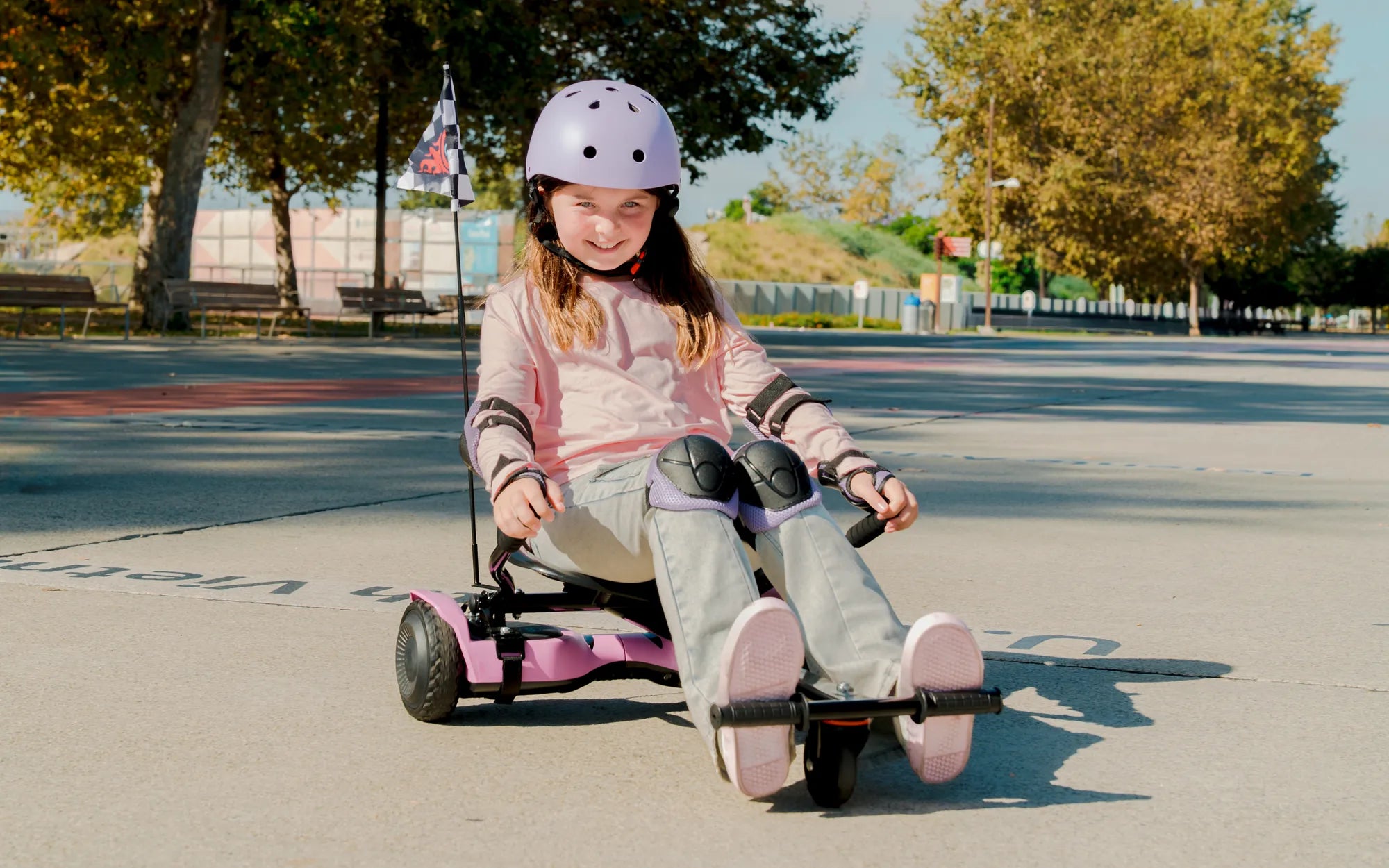
Finding a thrilling yet safe ride for your child doesn't have to break the bank. The quest for a hoverboard for kids under $90 is a common one, driven by the desire to provide fun while maintaining a strict budget. This guide will dissect what this price point realistically offers, detail the critical safety features you must prioritize, and show you how to identify a genuinely worthwhile product that balances cost with crucial reliability and security for young riders.
What to Expect from a Hoverboard Under $90: Setting Realistic Standards
Entering the sub-$90 market requires calibrated expectations. At this price, you are typically looking at entry-level, single-rider models designed specifically for younger children. The core focus shifts from high performance and premium materials to fundamental functionality and essential safety. It is a segment where cutting corners is common, making informed selection paramount.
Performance specifications are modest but sufficient for beginners. Expect a maximum speed capped between 6 to 8 miles per hour, which is appropriate for building confidence. The range per charge usually falls between 6 to 10 miles, adequate for neighborhood adventures. Weight limits are crucial; most models in this range support riders from 44 to 88 pounds, typically suiting children aged 6 to 12.
Materials will often include an ABS plastic shell over a steel or aluminum alloy frame. While not as robust as higher-end composites, a well-designed frame is perfectly durable for a child's use. Wheels are generally 6.5 inches in diameter, made of solid rubber to avoid flats, providing stability on smooth surfaces like pavements and driveways.
The key differentiator between a risky toy and a safe ride lies in the embedded safety technology and certification. This is where your scrutiny must be most intense. Brands that prioritize safety, like Gyroor, ensure even their accessible models meet critical standards, proving that affordability and security are not mutually exclusive.
Key Safety Features You Cannot Compromise On
When budgets are tight, safety is the last area for compromise. Several non-negotiable features separate a trustworthy hoverboard from a potential hazard. These elements form the foundation of a safe riding experience for any child.
UL 2272 Certification: The Non-Negotiable Standard
This is the single most important specification. UL 2272 certification means the entire electrical system—battery, charger, and motor—has undergone rigorous testing for electrical and fire safety. It tests for overcharging, short circuits, and mechanical abuse. Never purchase a hoverboard without this certification, regardless of price.
Uncertified models pose significant risks, including battery fires. The certification process is demanding, and its presence indicates a manufacturer's commitment to baseline safety protocols. Leading brands build this into their core engineering philosophy for every product tier.
Build Quality and Rider Stability
A stable platform is essential for preventing falls. Look for a hoverboard with a wide wheelbase and a low center of gravity. The foot pads should be large, textured, and non-slip to provide secure footing. The casing should feel solid without excessive flex or creaking.
Wheel quality directly impacts control. Durable, wider wheels (6.5” or larger) offer better balance and can handle minor cracks and bumps on sidewalks. A sturdy frame constructed from reinforced materials can withstand the inevitable bumps and learning-curve tumbles.
Appropriate Speed and Control for Young Beginners
Speed limiters and beginner modes are critical. A hoverboard for young kids should have a default or selectable mode that caps speed, often around 5-7 mph. This allows children to master balance and steering without the anxiety of sudden acceleration.
Responsive, intuitive gyroscopic controls are also vital. The board should respond smoothly to lean-based steering, not jerkily. Some models feature audio cues or LED lights that indicate power-on status and low battery, helping young riders understand the device's state.
Beyond the Price Tag: Evaluating Value and Longevity
The true cost of a product includes its lifespan and ongoing performance. A slightly higher initial investment in a quality-built hoverboard for kids under $90 can prevent premature failure and safety issues, offering far greater long-term value.
Battery Life and Charging Considerations
Battery quality dictates range and long-term reliability. Reputable brands use lithium-ion battery packs with integrated Battery Management Systems (BMS) that prevent overcharging and overheating. Expect a full charge time of 2-4 hours for this category.
Consider the battery's placement and enclosure. It should be securely housed within the frame to protect it from impacts. A proper BMS is a key component of UL 2272 certification and is essential for preserving battery health over hundreds of charge cycles.
Durability for Everyday Adventure
Kids are not gentle. Look for water-resistance ratings, such as IPX4, which means the board is protected against water splashes from any direction. This allows riding on damp pavement or through occasional puddles without immediate damage.
Construction should account for real-world use. Reinforced wheel axles, impact-resistant shell edges, and robust wiring harnesses all contribute to a product that lasts through a season of play. A hoverboard for kids under $90 from a quality-focused brand will prioritize these durability aspects.
Warranty and Customer Support: Your Safety Net
A warranty is a brand's promise. Even a limited 90-day or 1-year warranty on parts like the battery and motor indicates confidence in the product. It also provides a recourse if a defect appears. Always check the warranty terms before purchasing.
Accessible customer support is equally important. Brands with dedicated support teams, like Gyroor, which offers a 1-year warranty and US-based service, provide peace of mind. They can assist with troubleshooting, part replacement, and safety inquiries, ensuring you're never alone after the sale.
Smart Shopping Guide: How to Spot a Safe, Worthwhile Pick
Armed with knowledge, use this actionable checklist when evaluating options. This process helps filter out hazardous or poor-quality products to find a genuinely safe and fun hoverboard for kids under $90.
First, verify UL 2272 certification explicitly. Do not rely on vague "fire-safe" claims. Check the product listing, manual, and the manufacturer's official website for the certification number or mark.
Second, analyze user reviews for patterns. Look beyond star ratings. Read reviews mentioning stability, battery life after several months, and responsiveness of customer service for issues. Consistent complaints about sudden stops or poor battery life are major red flags.
Third, purchase from authorized retailers. Buying from the brand's official website or their authorized partners on major platforms minimizes the risk of receiving counterfeit or uncertified products. Avoid obscure marketplaces with no buyer protection.
Fourth, compare key specifications side-by-side. Use a simple table to evaluate your shortlisted models. Focus on certified safety, appropriate weight limit, and included warranty. Extras like Bluetooth speakers are secondary to these core metrics.
Comparison: Key Features in the Sub-$90 Category
| Feature | Budget Generic Model (Risky) | Quality-Focused Model (Recommended) |
|---|---|---|
| Safety Certification | None or falsely claimed | UL 2272 Certified (Verified) |
| Battery & BMS | Unbranded, no management system | Branded Li-ion with BMS |
| Max Speed | Unregulated or too high (10+ mph) | Capped with beginner mode (≤7.5 mph) |
| Build Quality | Thin plastic, flexible frame | Reinforced ABS/Alloy frame |
| Water Resistance | None specified | IPX4 or similar rating |
| Warranty & Support | None or 30 days, no contact | 1-year limited, accessible support |
| Long-Term Value | High risk of early failure | Durable for seasons of use |
Maintenance and Safety Tips for Lasting Enjoyment
Proper care extends the life of the hoverboard and keeps your child safe. Simple, regular checks can prevent most common issues and ensure optimal performance from your hoverboard for kids under $90.
Always supervise charging. Use only the provided manufacturer's charger and plug into a monitored outlet. Never leave the board charging overnight or unattended for extended periods. Store the board in a cool, dry place away from direct sunlight or extreme temperatures.
Perform a pre-ride inspection. Check tire pressure (if air-filled) or for wear/debris (if solid). Ensure the board powers on and off correctly and that the self-balancing mechanism engages properly. Look for any new cracks or damage to the body.
Equip your child with appropriate safety gear. A CPSC-certified helmet is mandatory. Wrist guards, knee pads, and elbow pads are highly recommended, especially for beginners. Establish clear riding rules: avoid roads, steep hills, and wet surfaces.
Why Brand Reputation Matters at Every Price Point
In the personal electric vehicle space, brand reputation is built on a foundation of safety and reliability. Established brands invest in research, quality control, and post-purchase support, which translates to safer products even at lower price points.
Brands like Gyroor, trusted by over 100,000 riders, apply the same safety principles—such as using UL-certified battery packs and IPX5 water-resistant designs—across their product range. This consistent engineering philosophy means that a parent seeking a hoverboard for kids under $90 can access the same safety-centric technology found in their higher-end models.
A reputable brand stands behind its products with clear warranties and responsive customer service. This creates a accountable ecosystem where safety concerns can be addressed, parts can be sourced, and the product's lifecycle is supported. This accountability is often absent with no-name brands.
The choice of brand is ultimately a choice about risk management. It signals a commitment to protocols that protect your child, making the riding experience about fun and adventure, not worry.
Prioritizing Safe Adventures Over Mere Cost
The most affordable hoverboard is not the one with the lowest sticker price, but the one that delivers safe, reliable fun for years. By insisting on UL 2272 certification, stable construction, responsible speed limits, and reputable brand support, you invest in your child's confidence and security. A hoverboard for kids under $90 can be a gateway to outdoor adventure when chosen with discernment, focusing on the essential pillars of safety and durability that ensure every ride is a secure one.
For parents ready to find a ride that balances thrilling fun with unwavering safety, exploring trusted options is the next step. Discover a range of UL-certified, durable models designed for young riders by browsing the full Gyroor collection at gyroorboard.com, where adventure meets engineered safety.
FAQ: Quick Answers for Concerned Parents
Q1: Are hoverboards under $90 actually safe for kids?
A: They can be, but only if they are authentically UL 2272 certified. This certification is the baseline for electrical and fire safety. Never purchase an uncertified model, regardless of price or appealing features.
Q2: What age and weight is appropriate for these hoverboards?
A: Most models in this range are designed for children ages 6 and up, with a recommended weight limit between 44 and 88 pounds. Always check the specific manufacturer's guidelines for the model you choose.
Q3: How can I verify the safety certifications are real?
A> Check the official product listing on the brand's website or authorized retailer page for the UL 2272 mark. You can also look for the certification number. Be wary of products that only use generic terms like "safe" or "tested."
Q4: What is the most important maintenance tip?
A: Regularly check the tire condition and avoid overcharging. Use only the provided charger, unplug the board once the indicator shows a full charge, and store it in a dry, temperate environment.
Q5: Can my child ride it on slightly wet surfaces?
A: Only if the hoverboard has a stated water-resistance rating, such as IPX4. This rating means it can handle light splashes. Avoid puddles, rain, and wet grass. Riding on wet surfaces significantly increases the risk of slipping and falls, regardless of the board's water resistance.
Q6: What should I do if the hoverboard starts behaving erratically?
A: Stop using it immediately. Power it down and disconnect it from the charger if applicable. Contact the manufacturer's customer support for guidance. Do not attempt to repair electrical components yourself.
Lightweight Self Balancing Scooter: The Future of Urban Mobility
Hoverboard Under $60: The Ultimate Budget-Friendly Ride? A Reality Check