



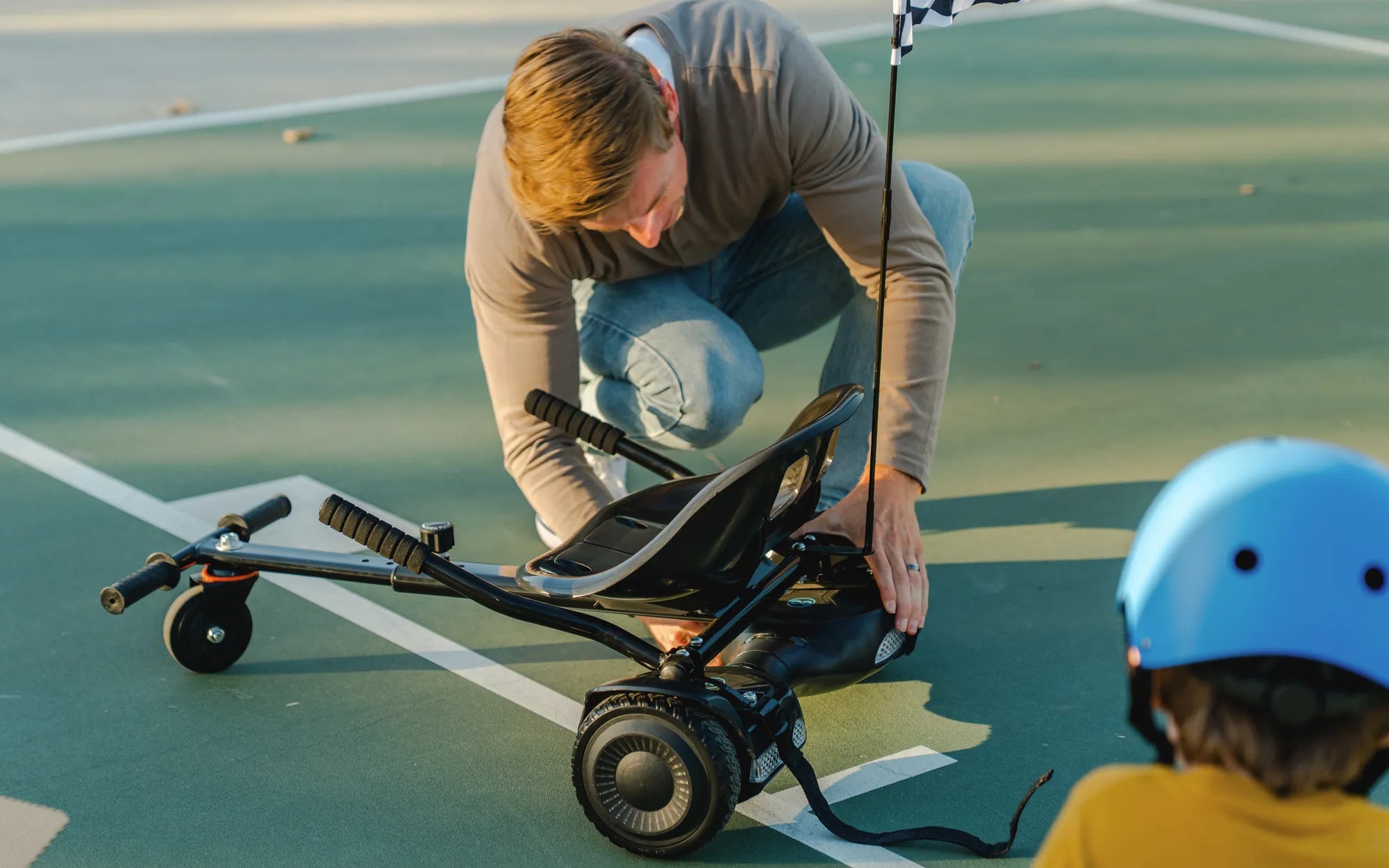
Hoverboards have taken the world by storm, offering a fun and futuristic way to get around. But before you hop on and glide away, it's crucial to understand the essential hoverboard guidelines to keep yourself and others safe. Whether you're a beginner or an experienced rider, following these rules will help you avoid accidents and maximize your enjoyment.
Understanding Hoverboard Safety Basics
Riding a hoverboard might seem effortless, but it requires balance, coordination, and awareness. Before you start, always wear protective gear, including a helmet, knee pads, and elbow pads. These items can prevent serious injuries in case of a fall. Additionally, make sure your hoverboard is fully charged and in good working condition before each ride.
Choosing the Right Location to Ride
Not all surfaces are suitable for hoverboards. Avoid uneven terrain, wet or slippery surfaces, and crowded areas. Smooth pavement or designated hoverboard parks are ideal. Riding on rough or unstable ground increases the risk of losing control and falling. Always check local regulations to ensure hoverboards are permitted in your chosen location.
Mastering Balance and Control
Beginners should practice in a safe, open area before venturing into busier spaces. Start by mounting the hoverboard with one foot at a time, keeping your weight centered. Use small, controlled movements to steer and avoid sudden shifts that could throw you off balance. Over time, you'll develop the muscle memory needed for smooth rides.
Speed and Weight Limits
Every hoverboard has specific speed and weight limits. Exceeding these limits can damage the device or cause accidents. Always adhere to the manufacturer's recommendations and avoid pushing the hoverboard beyond its capabilities. Younger riders should be supervised to prevent reckless behavior.
Legal Considerations and Local Laws
Hoverboard regulations vary by region. Some cities ban them on sidewalks or roads, while others require riders to follow specific rules. Research your local laws to avoid fines or confiscation. In some cases, hoverboards may be classified as motorized vehicles, requiring additional permits or restrictions.
Maintenance and Care
Regular maintenance ensures your hoverboard remains safe and functional. Check the tires, battery, and firmware updates periodically. Store the device in a cool, dry place and avoid exposing it to extreme temperatures. Proper care extends the lifespan of your hoverboard and reduces the risk of malfunctions.
Riding Etiquette and Sharing Spaces
Be mindful of pedestrians and other riders when using your hoverboard. Yield to walkers, avoid sudden stops, and keep a safe distance from others. If you're riding in a group, maintain a single file to prevent collisions. Respecting shared spaces ensures a positive experience for everyone.
Hoverboards are a thrilling way to explore your surroundings, but safety should always come first. By following these hoverboard guidelines, you can enjoy the ride while minimizing risks. Whether you're cruising through the park or commuting to work, responsible riding makes all the difference. Ready to take the next step? Strap on your helmet and glide with confidence!
Places That Have Hoverboards: Where to Find and Ride Them
4400mAh Battery Hoverboard: The Ultimate Guide to Long-Lasting Fun