

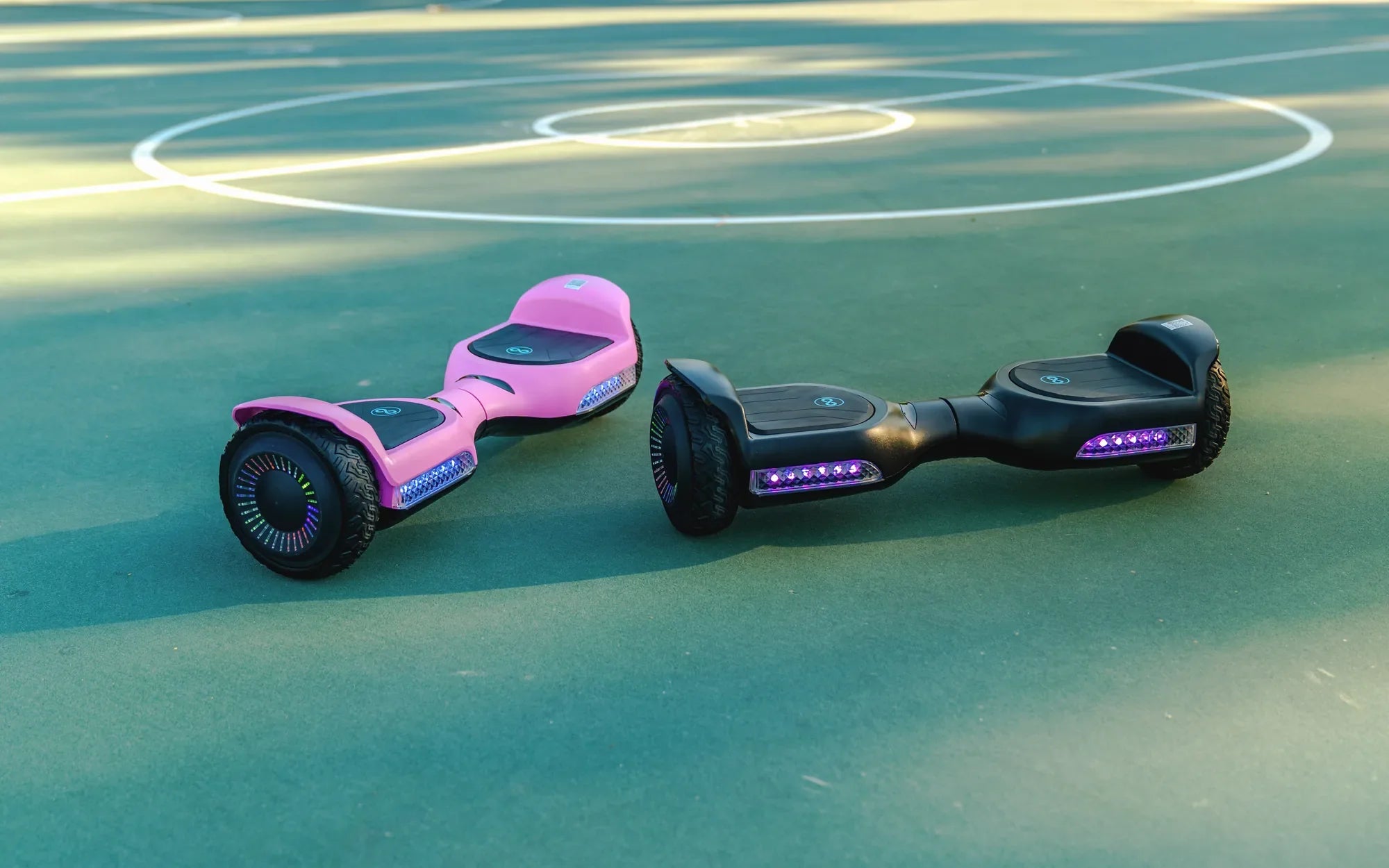
Have you ever watched someone glide effortlessly on a hoverboard and wondered, "How does that even work?" These futuristic-looking devices seem to defy physics, balancing on two wheels without handles or visible controls. But the secret lies in a clever combination of sensors, motors, and microprocessors working in perfect harmony. Let’s break down the magic behind hoverboards and how they manage to keep riders upright while responding to subtle shifts in weight.
The Basic Components of a Hoverboard
At its core, a hoverboard consists of several key components that work together to create its self-balancing effect:
- Wheels and Motors: Each wheel is powered by an independent electric motor, allowing for precise control of speed and direction.
- Gyroscopes and Accelerometers: These sensors detect tilt, acceleration, and orientation, sending real-time data to the mainboard.
- Pressure Pads: Located on the foot platforms, these pads sense where the rider’s weight is distributed.
- Battery Pack: Typically lithium-ion, providing power to the motors and electronics.
- Mainboard (Logic Board): The "brain" of the hoverboard, processing sensor data and adjusting motor output accordingly.
How Self-Balancing Technology Works
The most fascinating aspect of a hoverboard is its ability to balance without external support. This is achieved through a principle called dynamic stabilization. Here’s how it happens:
- When you step onto the hoverboard, the gyroscopes and accelerometers detect the angle of the foot platforms.
- If the board tilts forward, the sensors signal the motors to spin the wheels forward to counteract the tilt.
- Similarly, leaning backward causes the wheels to reverse, keeping the rider upright.
- The system makes hundreds of tiny adjustments per second, creating the illusion of effortless balance.
Controlling Movement: Weight Distribution and Pressure Pads
Unlike traditional scooters or skateboards, hoverboards don’t have handles or brakes. Instead, they rely entirely on the rider’s weight distribution:
- Moving Forward: Leaning forward applies pressure to the front of the foot pads, signaling the motors to accelerate.
- Slowing Down or Reversing: Shifting weight backward reduces speed or engages reverse motion.
- Turning: Applying more pressure to one foot causes the opposite wheel to spin faster, creating a smooth turn.
The Role of Gyroscopes and Accelerometers
These tiny but critical sensors are what make hoverboards so responsive:
- Gyroscopes: Measure rotational movement, detecting how much the board is tilting left, right, forward, or backward.
- Accelerometers: Track linear acceleration, helping the board distinguish between intentional leans and bumps or uneven terrain.
Together, they create a 3D map of the board’s position, allowing the mainboard to make split-second corrections.
Safety Features and Limitations
While hoverboards are designed to be intuitive, they do have built-in safety mechanisms:
- Speed Limiters: Most boards cap their top speed to prevent dangerous acceleration.
- Tiltback: Some models tilt the foot platforms slightly backward when reaching maximum speed to discourage further leaning.
- Battery Protection: Overcharge and overheating safeguards prevent battery-related hazards.
However, riders should still wear protective gear and avoid steep hills or rough surfaces.
Common Misconceptions About Hoverboards
Despite their popularity, many people still misunderstand how hoverboards operate:
- Myth: Hoverboards actually hover. Reality: They roll on wheels, despite the sci-fi name.
- Myth: They require no skill to ride. Reality: Beginners often need practice to master balance and control.
- Myth: All hoverboards are the same. Reality: Build quality, sensor accuracy, and motor power vary widely.
Next time you see someone zipping by on a hoverboard, you’ll know exactly what’s happening beneath their feet—a symphony of sensors and motors turning subtle weight shifts into smooth, gliding motion. Whether you’re a curious observer or a potential rider, understanding the tech behind these devices makes their engineering even more impressive. Ready to give it a try?
Large Hoverboard: The Ultimate Guide to Choosing and Riding the Best Models
Large Hoverboard: The Ultimate Guide to Choosing and Riding the Best Models