

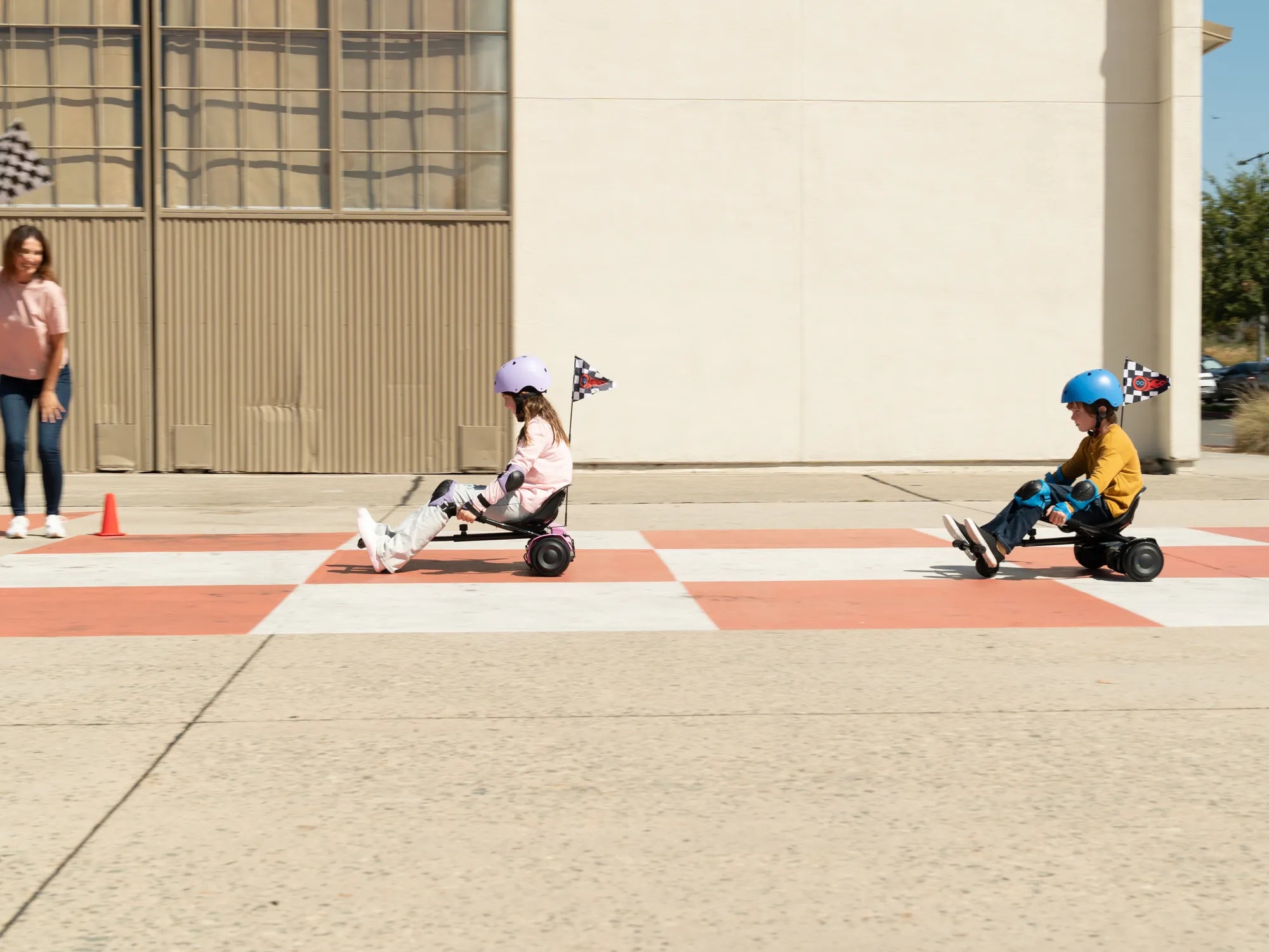
Imagine gliding effortlessly through city streets, bypassing traffic with a sleek, futuristic device under your feet. Hoverboards have transformed from sci-fi fantasies into everyday reality, reshaping how we move and interact with our surroundings. But their influence goes far beyond just getting from point A to point B.
The Rise of Personal Mobility Devices
Hoverboards emerged as a cultural phenomenon in the mid-2010s, capturing imaginations with their self-balancing technology and futuristic appeal. These compact electric vehicles quickly evolved from novelty items to legitimate transportation alternatives, especially in urban environments where short-distance travel dominates daily routines.
Urban Transportation Revolution
In crowded cities, hoverboards offer a practical solution to the "last mile" problem - bridging the gap between public transit stops and final destinations. Their compact size allows for easy storage in offices or apartments, while their electric operation produces zero direct emissions, making them an attractive option for eco-conscious commuters.
Safety Considerations and Regulations
As hoverboard popularity grew, so did concerns about safety. Early models faced scrutiny over battery fires and stability issues, leading to improved safety standards and government regulations. Many cities now classify hoverboards similarly to electric scooters, with specific rules governing where they can be ridden and speed limits to protect both riders and pedestrians.
Impact on Public Spaces
The proliferation of hoverboards has forced urban planners to reconsider infrastructure design. Some cities have expanded bike lanes to accommodate personal electric vehicles, while others have implemented outright bans in certain areas. This ongoing debate highlights the challenges of integrating new transportation technologies into existing urban frameworks.
Environmental Implications
While hoverboards represent a cleaner alternative to gas-powered vehicles for short trips, their environmental impact isn't entirely positive. The lithium-ion batteries powering these devices raise concerns about resource extraction and proper disposal. However, when compared to traditional transportation methods, hoverboards generally offer a lower carbon footprint per mile traveled.
Changing Social Dynamics
Hoverboards have influenced youth culture significantly, becoming symbols of tech-savvy mobility. They've spawned new sports and recreational activities, while also raising questions about accessibility and the digital divide. The devices' popularity among younger demographics has also led to new safety education initiatives in schools and communities.
Economic Effects
The hoverboard industry has created new manufacturing and retail opportunities while disrupting traditional transportation sectors. From repair shops specializing in electric personal vehicles to accessory markets, the economic ripple effects continue to grow. Some analysts predict hoverboards and similar devices could reshape urban transportation economics in the coming decade.
Technological Advancements
Continuous improvements in battery technology, materials science, and stabilization algorithms have made modern hoverboards safer and more capable than their predecessors. These advancements often transfer to other electric vehicle sectors, demonstrating how hoverboard innovation drives broader technological progress.
From transforming city commutes to influencing youth culture, hoverboards have made an undeniable mark on modern society. As technology advances and urban landscapes evolve, these personal mobility devices will likely play an even greater role in shaping how we navigate our world. The next time you see someone gliding by on a hoverboard, remember - you're witnessing more than just a cool gadget, but a transportation revolution in motion.
How to Test a Hoverboard Battery: A Step-by-Step Guide
How to Test a Hoverboard Battery: A Step-by-Step Guide