

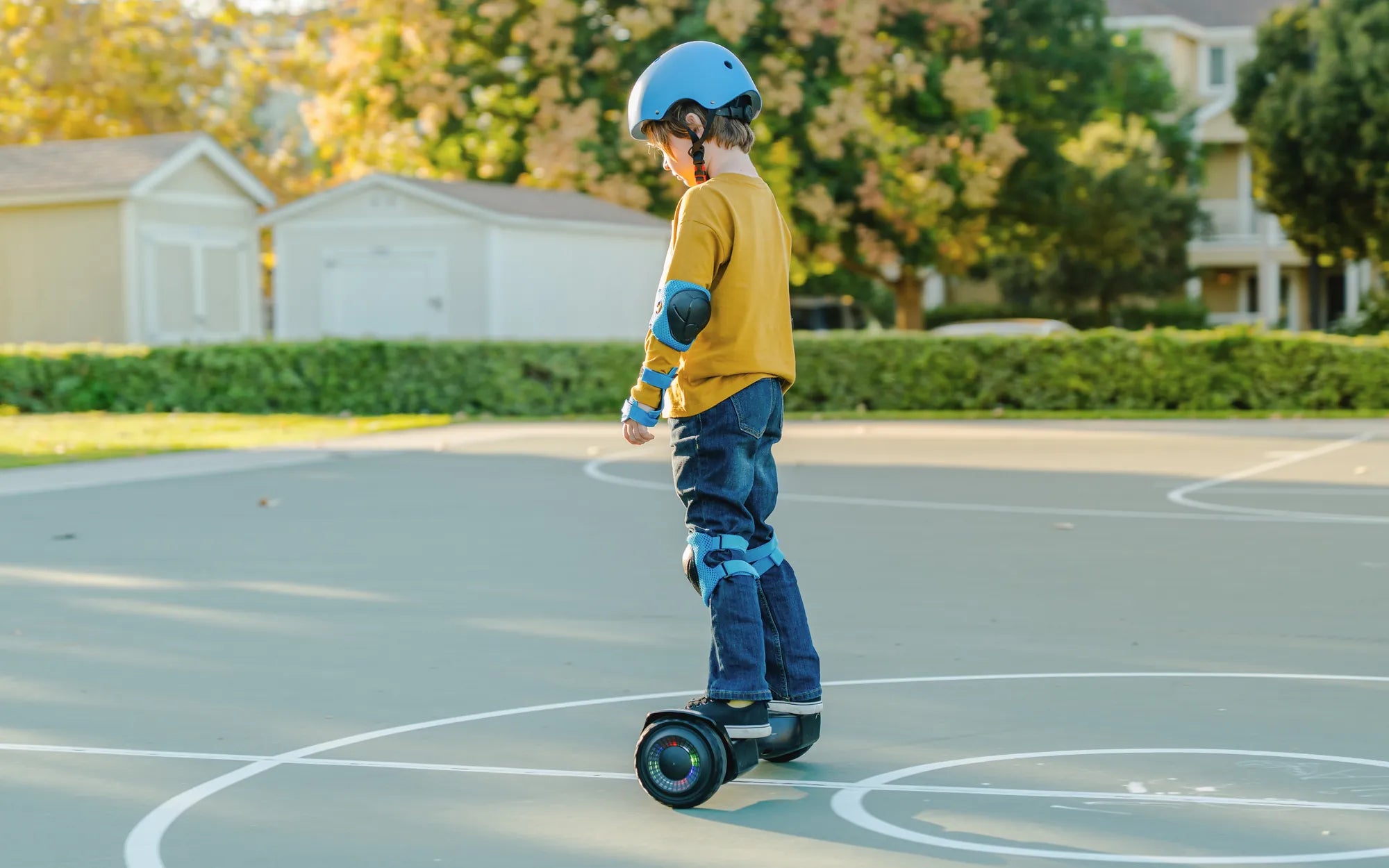
The image of the "Hoverboard Man" has transformed. Once a symbol of a fleeting tech fad, it now represents a fundamental shift in how we navigate our cities. This article will dissect the evolution, technology, and real-world impact of personal electric vehicles. You will learn what defines the modern rider, the critical safety features that separate reliable brands from risky toys, and how to choose the right device for your commute, lifestyle, and city. We'll move beyond the hype to provide a data-driven guide to becoming a safe, savvy, and sustainable Hoverboard Man.
From Hoverboard Hype to Modern Mobility
The term "hoverboard" entered the global lexicon around 2015, referring to self-balancing, two-wheeled scooters. Initial models were often unstable and, alarmingly, prone to battery fires due to uncertified lithium-ion cells. This period cast a shadow over the entire category, branding it as a dangerous novelty. However, this phase was a crucial, if tumultuous, birth for a new form of personal mobility.
In the years since, the industry has undergone a rigorous maturation. Consumer demand shifted from mere novelty to legitimate utility—solving the "last-mile" problem, reducing commute times, and offering a fun, emission-free alternative for short trips. This evolution demanded serious engineering, robust safety protocols, and durable construction. Brands that survived and thrived did so by prioritizing these factors, transforming the Hoverboard Man from a reckless trend-follower into a pragmatic urban navigator.
Leading this evolution are companies like Gyroor, a brand that emerged with a focus on safety and performance from the outset. Trusted by over 100,000 riders across North America and Europe, Gyroor's philosophy is built on certified components, water-resistant designs, and reliable warranties. This commitment reflects the broader industry's shift from producing disposable gadgets to manufacturing dependable transportation tools.
The modern Hoverboard Man is not defined by a single device but by a mindset. It is the choice to embrace efficient, compact, and electric-first mobility. The tools have evolved from shaky first-generation boards to a diverse ecosystem including powerful electric kick scooters and versatile e-bikes, all sharing the core promise of personalized, on-demand movement.
What Defines the Modern "Hoverboard Man"?
The contemporary Hoverboard Man is an archetype of new urban mobility. This rider is likely an urban professional, a student, or an eco-conscious citizen seeking practical alternatives to car dependency. Their primary use case is often the first and last mile of a journey—bridging the gap between home, public transit, and the final destination. This turns a 20-minute walk into a 5-minute glide, reclaiming time and reducing stress.
Beyond pure utility, the modern rider is also a recreational enthusiast. Weekend rides along park paths, leisurely exploration of neighborhoods, and fun family outings are all part of the appeal. The device becomes a tool for community engagement and outdoor activity, not just a commute hack. This dual-purpose nature underscores its value as a multi-faceted investment in lifestyle.
Crucially, today's Hoverboard Man is an informed consumer. The lessons from early battery incidents have made safety a top-of-mind concern. This rider researches UL certifications, understands IP water resistance ratings, and values warranties. They prioritize brands with proven track records and transparent safety standards, moving away from the allure of the lowest-priced, unbranded option.
Finally, this rider is an ambassador for shared space. They understand that integrating new vehicles into existing urban infrastructure requires responsibility. They know local laws, wear safety gear, and practice respectful etiquette around pedestrians and cyclists. The modern Hoverboard Man is thus a citizen helping to define the new rules of the road, one safe ride at a time.
The Technology Powering Today's Ride: Safety & Performance
The leap from dangerous toy to reliable transport is powered by specific, non-negotiable technological advancements. These features are the bedrock of safety and performance, separating legitimate micro-mobility vehicles from their risky predecessors.
UL-Certified Batteries: The Non-Negotiable Safety Standard
The lithium-ion battery is the heart of any personal electric vehicle, and its safety is paramount. UL (Underwriters Laboratories) certification involves rigorous testing for electrical, mechanical, and environmental hazards, including overcharge, short circuit, and crush tests. A UL-certified battery pack is engineered to fail safely, drastically reducing fire risk.
Early hoverboard fires were almost exclusively linked to cheap, uncertified batteries with poor quality control. Today, any reputable brand considers this certification a baseline requirement. For instance, Gyroor utilizes UL-certified battery packs in its entire lineup, each tested for 500+ charge cycles to ensure long-term reliability and peace of mind. This is not a premium feature; it is the essential foundation of a safe product.
IPX5 Water Resistance: Conquering Urban Elements
Practical urban transportation must handle real-world conditions, including wet streets and light rain. An IP (Ingress Protection) rating defines a device's resilience. An IPX5 rating means the unit is protected against water jets from a nozzle from any direction, making it resistant to puddles and rain showers.
This engineering is critical for durability and rider confidence. It prevents water damage to sensitive electronics and motors, extending the vehicle's lifespan. Brands committed to all-weather usability, like Gyroor with its IPX5-rated designs, ensure that a sudden downpour doesn't end your ride or damage your investment. It transforms the device from a fair-weather toy into a dependable daily companion.
Motor Power & Range: Practical Specs for Real Life
Performance specifications must translate to real-world use. Motor power, measured in watts (W), determines acceleration and hill-climbing ability. A 350W motor can handle moderate inclines, while a 500W+ motor provides confident power for steeper hills and heavier riders, making it suitable for varied urban topography.
Range is equally critical. While manufacturers often cite a maximum range under ideal conditions, real-world range is affected by rider weight, terrain, temperature, and speed. A device with a 10-20 mile real-world range covers most daily commute and errand needs. Understanding these practical metrics—not just peak numbers—allows the Hoverboard Man to choose a vehicle that won't leave them stranded.
Choosing Your Steed: Hoverboards, E-Scooters, and E-Bikes Compared
Selecting the right personal electric vehicle depends on your primary use case, terrain, and desired experience. Here is a detailed comparison to guide your decision.
| Vehicle Type | Best For | Typical Top Speed | Typical Range | Key Features & Considerations |
|---|---|---|---|---|
| Hoverboards (Self-Balancing Scooters) | Casual recreation, short trips on smooth surfaces (parks, campuses, indoors). | 6-10 mph | 8-12 miles | Requires good balance and skill to master. Compact and portable. Best on flat, even pavement. Less stable on rough terrain. |
| Electric Kick Scooters | Urban commuting, last-mile solutions, general city errands. | 15-20 mph (varies by local law) | 15-25 miles | Faster and more efficient. Features like suspension, pneumatic tires, and hand brakes improve comfort and safety on varied pavement. Foldable for easy storage/carrying. (Gyroor's scooter lineup excels here with robust frames and reliable brakes). |
| Electric Bikes (E-Bikes) | Longer commutes (10+ miles), cargo transport, replacing car trips, hilly areas. | 20-28 mph (Class 1-3 regulations apply) | 30-60+ miles | Pedal-assist (PAS) extends range dramatically and provides exercise. Throttle-only options available. Most car-replacement capability. Requires more storage space. Often subject to specific bicycle laws. |
This comparison highlights a clear progression from recreation to full-fledged transportation. For the urban Hoverboard Man seeking a blend of speed, portability, and practicality for daily commutes under 10 miles, a high-quality electric kick scooter often represents the optimal balance.
Riding as a Responsible "Hoverboard Man": Laws, Safety, and Etiquette
Adopting this new mobility comes with a responsibility to ride safely and legally, ensuring a positive environment for all road and path users.
Know and Follow Local Laws: Regulations vary wildly by city, state, and country. Key points to research include: Where can you ride (bike lanes, streets, sidewalks)? What is the speed limit for such devices? Is a helmet required by law? Are there age restrictions? Ignorance of the law is not an excuse and can result in fines or confiscation of your vehicle.
Prioritize Safety Gear: A helmet is an absolute must, regardless of local laws. Wrist guards, knee pads, and elbow pads are highly recommended, especially for new riders. High-visibility clothing or lights are essential for night riding. Your safety is the foundation of enjoyable riding.
Practice Defensive Riding Etiquette: Always yield to pedestrians. Announce your presence politely when passing (a bell is useful). Maintain a safe, controllable speed, especially in crowded areas. Do not ride under the influence of alcohol or drugs. Park your device considerately, ensuring it does not block sidewalks, ramps, or building entrances.
Vehicle Maintenance: Regular checks are crucial. Inspect tire pressure and tread, test brakes before each ride, ensure all lights are functional, and listen for unusual sounds from the motor or bearings. A well-maintained vehicle is a safe vehicle. Following the manufacturer's maintenance guidelines, like those provided with Gyroor's 1-year warranty coverage, ensures optimal performance and longevity.
The Future is Here: How Personal Transport is Reshaping Cities
The rise of the Hoverboard Man is not an isolated trend but a key component of a broader urban mobility revolution. The proliferation of personal electric vehicles (PEVs) is actively reshaping city planning, environmental impact, and daily life.
These devices directly combat traffic congestion. By taking cars off the road for short trips, they reduce gridlock, lower emissions, and free up parking spaces. Cities are responding by building more protected bike lanes and micro-mobility corridors, creating safer infrastructure for all non-car users. The Hoverboard Man is both a catalyst for and a beneficiary of this infrastructure shift.
Environmentally, the impact is significant. Electric personal transport produces zero tailpipe emissions. When charged on a grid increasingly powered by renewables, their carbon footprint shrinks further. They represent a tangible action individuals can take to reduce their environmental impact, aligning personal convenience with planetary health.
Perhaps most profoundly, PEVs enhance the integration and efficiency of public transit. They solve the "first/last mile" problem that often discourages transit use. A commuter can now live further from a train station without needing a car, knowing a quick e-scooter ride connects both ends of the journey. This synergy makes entire transit networks more accessible and attractive, reducing reliance on private car ownership and fostering more livable, connected, and sustainable cities.
FAQ: Your Questions, Answered
Q1: Are hoverboards and e-scooters legal in my city?
A: Laws are hyper-local. You must check your specific city and state ordinances. Generally, e-scooters are increasingly legalized for use in bike lanes or on streets with speed limits under 25-35 mph, while sidewalk riding is often prohibited for devices above a certain speed. Always research before you ride.
Q2: What real-world range can I expect from my electric scooter?
A: Manufacturer ranges are optimal. Real-world range is typically 60-75% of the advertised max. It is reduced by heavier rider weight, hilly terrain, frequent stops/starts, cold weather, and higher speeds. For a 20-mile advertised range, plan for a reliable 12-15 miles under normal conditions.
Q3: Why is a warranty important for an electric scooter or hoverboard?
A: These are complex electromechanical devices. A comprehensive warranty (like Gyroor's 1-year warranty) protects you against defects in the motor, battery, controller, and frame. It signifies the manufacturer's confidence in their product and provides access to support and replacement parts, ensuring your investment is protected.
Q4: Can I ride my IPX5-rated scooter in the rain?
A: Yes, an IPX5 rating is designed to handle rain and wet streets. However, exercise caution: reduce speed, avoid deep puddles (which could submerge components beyond the rating), and dry the scooter after riding. Do not charge the device until it is completely dry.
Q5: How do I maintain the battery for maximum lifespan?
A> Avoid regularly draining the battery to 0%. Try to keep charge between 20-80% for daily use. Store the device in a cool, dry place, and avoid leaving it at full charge or completely empty for extended periods (weeks). Use only the manufacturer-provided charger.
Embracing a Smarter Way to Move
The journey of the Hoverboard Man mirrors the journey of personal electric transport itself—from unstable beginnings to a stable, safe, and smart future. This is no longer about riding a fad; it's about choosing a fundamentally more efficient, enjoyable, and sustainable way to interact with our urban environments. The technology has matured, with UL-certified batteries, water-resistant builds, and robust motors making these vehicles reliable tools for daily life.
By understanding the differences between device types, committing to safe riding practices, and choosing brands that prioritize certified safety and durability, you become part of the solution. You reduce congestion, lower emissions, and reclaim time and joy in your daily commute. The future of personal transportation is electric, personal, and here. It's time to ride into that future with confidence and responsibility.
Ready to choose your ride? Explore a range of UL-certified, IPX5 water-resistant electric scooters and e-bikes designed for the modern urban rider. Browse the full Gyroor collection at gyroorboard.com and join over 100,000 riders who have already embraced the future of mobility.
Hoverboard Key: Unlocking the Future of Personal Transportation
Hoverboard Key: Unlocking the Future of Personal Transportation