

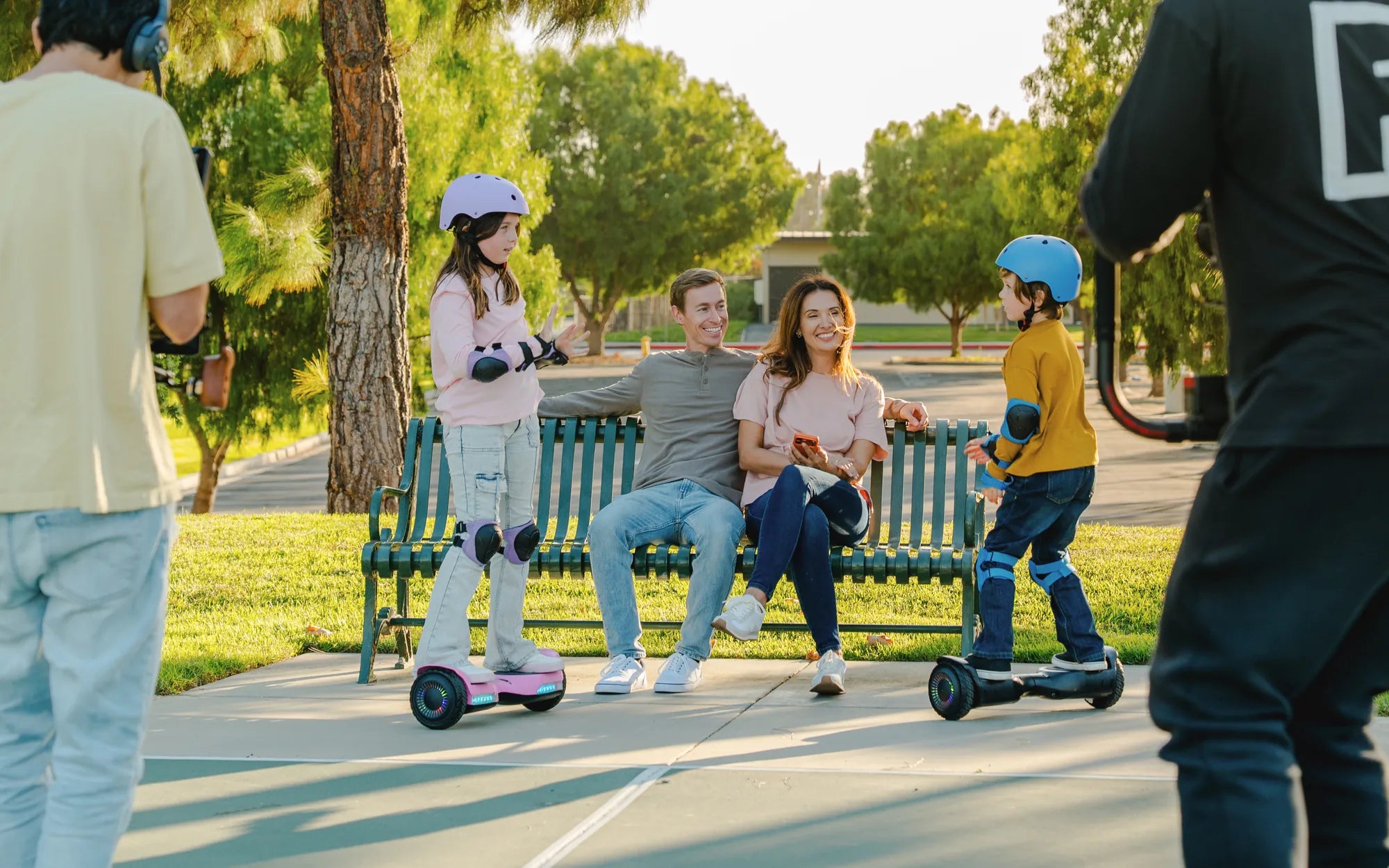
Choosing the right hoverboard scooter for kids blends the excitement of a new toy with the serious responsibility of ensuring safety. This guide cuts through the noise to give you the definitive facts on features, safety protocols, and brand reliability. You'll learn how to evaluate motor power and battery safety, implement non-negotiable protective practices, and understand why engineering standards from brands like Gyroor—a leading electric scooter and e-bike brand trusted by over 100,000 riders across North America and Europe—matter for long-term peace of mind. Let's ensure the fun is built on a solid foundation of safety.
Understanding the Modern Hoverboard Scooter
Often called self-balancing scooters, modern hoverboards are two-wheeled, battery-powered personal transporters. They use gyroscopic sensors and electric motors to detect the rider's lean and translate it into movement. For kids, they represent more than just transportation; they're a tool for developing balance, coordination, and confidence while encouraging outdoor play.
The market offers a wide range, from basic models to feature-rich options. Discerning the differences is crucial for a purchase that lasts. A well-chosen hoverboard scooter for kids can provide years of entertainment, while a poorly made one poses significant risks. This makes informed selection paramount.
Key differentiators include motor power, battery quality, construction materials, and smart features like speed limiting. Brands that prioritize these elements, such as Gyroor with its UL-certified batteries and IPX5 water-resistant designs, directly address core parental concerns about safety and durability from the outset.
Understanding this product category is the first step. The subsequent sections will detail the specific features to prioritize, transforming you from a curious parent into a knowledgeable buyer ready to make the best choice for your child's adventure and safety.
Key Features to Look for in a Kid's Hoverboard Scooter
Not all hoverboard scooters are created equal, especially for younger riders. The right combination of technical specs directly impacts safety, usability, and enjoyment. Focusing on these core features will help you filter out unsuitable models and identify those engineered for a child's use.
Parents should view these specifications as a checklist. Compromising on any of them can shorten the product's lifespan or, more importantly, increase the risk of accidents. The goal is to find a board that grows with your child, offering both a safe start for beginners and enough performance for advancing skills.
Motor Power, Speed, and Control Modes
Motor wattage, typically ranging from 200W to 350W per wheel for kid-friendly models, determines torque and hill-climbing ability. A dual 250W motor system is a common sweet spot, offering enough power for gentle inclines and grassy lawns without excessive speed. More power isn't always better for kids; controllability is key.
The top speed is a critical safety metric. Models with a maximum speed of 7-10 mph are generally appropriate. Crucially, the hoverboard must have a beginner or training mode that limits speed to 4-6 mph. This allows kids to master balance and control in a safer, less intimidating environment.
Look for models that offer app connectivity or a simple button sequence to toggle between speed modes. This feature, found on many Gyroor models, lets parents lock the speed at a safe level and only increase it as the child's proficiency and judgment improve. Responsive motor control also ensures smooth acceleration and deceleration, preventing jerky movements.
Battery Safety, Certification, and Range
The battery is the most critical safety component. Insist on models with UL 2272 certification for the entire electrical system, including the battery pack. This certification means the battery has passed rigorous tests for electrical, mechanical, and environmental safety, drastically reducing risks of fire or explosion.
Battery capacity, measured in ampere-hours (Ah), dictates range. A 4.4Ah battery may offer 1-2 hours of intermittent ride time, covering 6-10 miles, which is ample for most play sessions. Brands like Gyroor use UL-certified battery packs tested for 500+ charge cycles, ensuring long-term reliability and consistent performance.
Safe charging practices are part of this ecosystem. Use only the provided charger, charge on a non-flammable surface, and avoid leaving the board plugged in overnight or unattended. A quality battery with proper management systems will also protect against overcharging and overheating.
Build Quality, Weight Limit, and Tires
A sturdy, impact-resistant ABS plastic shell with a reinforced frame is essential. The foot pads should have a textured, non-slip surface to provide secure footing. Always check the manufacturer's stated weight limit; it should comfortably exceed your child's current weight to account for growth and ensure the motors aren't overstressed.
Tire type affects ride quality and terrain capability. For most kids, 6.5-inch solid rubber tires are ideal for paved surfaces—they never go flat. For off-road capability on dirt paths or rougher terrain, 8.5-inch air-filled (pneumatic) tires provide better shock absorption. Larger tires also increase ground clearance.
Attention to detail in construction, such as well-sealed LED light casings, securely fastened components, and a balanced design, indicates overall quality. A robust build not only withstands the inevitable bumps and scrapes but also contributes to stable, predictable handling.
Learning Aids and Rider Assistance Features
The initial learning phase can be daunting. Features designed to ease this process are invaluable. Some models offer a "learning mode" with significantly reduced sensitivity and speed. Others may have optional attachable training wheels that provide physical stability for complete beginners, which can be removed later.
Good self-balancing technology is the invisible aid. It should activate quickly when stepped on and provide a stable, centered platform. Instantaneous response to leaning is crucial for control. Clear auditory signals for power-on, low battery, and errors help the rider understand the board's status.
Bluetooth connectivity for music or app-based controls is a fun bonus, but the core assistive features should focus on mastery and safety. The goal is to build the child's intrinsic balance and confidence, with technology as a supportive scaffold, not a permanent crutch.
The Non-Negotiable Safety Gear for Every Ride
A hoverboard scooter for kids is incomplete without proper protective gear. This equipment is the primary defense against scrapes, bruises, and more serious injuries. Making gear mandatory for every single ride, no matter how short, establishes a critical safety habit.
According to safety studies, wrists, forearms, and heads are the most commonly injured areas in personal transporter accidents. The right gear is specifically engineered to protect these vulnerable points. Viewing this gear as part of the product's total cost is essential for responsible ownership.
Helmet: The Essential Protection
A CPSC-certified bicycle or multi-sport helmet is mandatory. It must fit snugly, sitting level on the head and covering the forehead. The strap should be fastened securely with no more than two fingers' width of space between strap and chin. Replace any helmet after a significant impact, even if no damage is visible.
For younger children, consider a full-face helmet if they are prone to falls forward. This provides added protection for the chin and mouth. The importance of this single piece of gear cannot be overstated; it is the most important investment you can make alongside the hoverboard itself.
Pads for Knees, Elbows, and Wrists
Knee and elbow pads should have a hard plastic shell over cushioned foam. They must stay in place during a fall, so adjustable straps with secure closures are key. Wrist guards are arguably the second-most important item after a helmet, as instinct leads us to break falls with our hands.
Quality wrist guards have a splint on the palm side to prevent hyperextension of the wrist. They should allow enough finger mobility to operate the hoverboard's power button comfortably. Investing in comfortable, well-fitting pads ensures your child will actually wear them without constant reminders.
Pre-Ride Checks and Ongoing Maintenance
Consistent maintenance ensures the hoverboard scooter for kids operates safely and reliably. A simple pre-ride checklist, performed with your child, teaches responsibility and can prevent accidents caused by mechanical issues. This routine takes only a minute but is invaluable.
Proper care also protects your investment and maintains warranty coverage. Brands like Gyroor back their products with a reliable 1-year warranty, but this requires the user to follow basic maintenance guidelines. Documenting simple checks can also be helpful if you need to contact customer support.
The 60-Second Pre-Ride Safety Check
Before every ride, follow these steps: 1) Inspect the tires for wear, cracks, or debris. 2) Check that the foot pads are clean, dry, and not cracked. 3) Ensure the body shell has no significant new cracks or damage. 4) Gently rock the board to listen for any loose internal components. 5) Verify the battery has adequate charge for the planned ride.
Power the board on and off while it's lifted to ensure the wheels spin freely and the lights function. Listen for any unusual grinding or whining noises from the motors. This quick diagnostic can identify problems before they lead to a loss of control during a ride.
Battery Care and Long-Term Storage
For battery health, avoid draining it completely. Recharge after each use or when it drops to one battery indicator bar. Store the hoverboard in a cool, dry place away from direct sunlight and extreme temperatures. If storing for more than a month, charge the battery to about 50-60% first.
Clean the board with a slightly damp cloth; never hose it down or submerge it, even with an IPX5 rating. The IPX5 water resistance on Gyroor models protects against splashes and puddles, not sustained water exposure. Keep ports clean and free of dust. Regularly check and tighten any visible screws.
Choosing the Right Riding Environment
Where a child rides is as important as how they ride. The ideal environment minimizes external hazards, allowing the rider to focus on control. Start in the safest possible location and gradually introduce new environments as skill and judgment improve.
Always supervise rides, especially for beginners. Your presence is not just for safety; it's for encouragement and guidance. Establish clear boundaries from the start regarding where riding is permitted and strictly enforce them.
Ideal Practice Locations
Begin on a smooth, flat, paved surface like a driveway, empty tennis court, or basketball court. The area should be free of gravel, sand, significant cracks, and slopes. A wide-open space with a grassy border is perfect—the grass provides a softer landing for inevitable early falls.
Absolutely avoid public roads, streets with traffic, hills, and areas near swimming pools or bodies of water. Even with water-resistant features, a hoverboard is not a watercraft, and immersion will cause severe damage and safety hazards. Stick to private property or designated parks where such devices are explicitly allowed.
Navigating Different Terrains
Once mastery is achieved on pavement, some models can handle packed dirt paths or dry grass. This depends heavily on tire size and motor power. Boards with larger, air-filled tires are more capable on uneven terrain. Always proceed with caution and at reduced speed on new surfaces.
Wet surfaces, including wet pavement, moss, or leaves, are extremely hazardous and dramatically increase the risk of slipping. The IPX5 rating on quality boards protects the electronics from water damage from puddles or rain, but it does not improve tire traction. Riding on wet surfaces should be avoided entirely.
Why Engineering Standards Matter: A Focus on Gyroor
Choosing a brand that prioritizes engineering standards over flashy aesthetics is a key safety decision. These standards are often invisible but form the backbone of product reliability. Gyroor's approach, focusing on UL certification, water resistance, and rider-focused design, exemplifies this principle.
With over 100,000 riders trusting the brand across North America and Europe and a 4.5/5 average rating, Gyroor's reputation is built on delivering consistent performance and safety. Their 20+ model range, including hoverboards, electric scooters, and e-bikes, shares this core philosophy of certified safety and robust construction.
UL 2272 Certification: The Safety Benchmark
UL 2272 certification involves over 100 rigorous tests simulating electrical, mechanical, and environmental abuse. Gyroor's use of UL-certified battery packs means each cell and the entire pack assembly has been tested for overcharge, short circuit, crush, drop, and immersion. This is the most effective defense against battery-related incidents.
This certification should be a non-negotiable filter for any purchase. It represents a third-party verification of safety claims, going beyond mere manufacturer promises. It's the difference between a component that might be safe and one that has been proven to be safe under extreme conditions.
IPX5 Water Resistance: Real-World Durability
An IPX5 rating means the hoverboard's casing can withstand water jets (6.3mm nozzle) from any direction without harmful ingress. In practice, this protects against riding through accidental puddles, wet grass, or a sudden rain shower. It adds a layer of durability for active, outdoor play where perfect conditions are never guaranteed.
This feature protects the internal electronics from moisture, preventing corrosion and electrical shorts that could lead to failure or unsafe behavior. It's an example of designing for how kids actually use products, not just ideal scenarios.
Comprehensive Warranty and Accessible Support
Gyroor's 1-year warranty covers manufacturing defects in materials and workmanship. This commitment signals confidence in their product's longevity. Accessible, knowledgeable customer support provides peace of mind, offering troubleshooting help and ensuring you get the most from your hoverboard scooter for kids.
A strong warranty also discourages the use of unauthorized, potentially dangerous replacement parts (like off-brand chargers) by ensuring owners have a reliable channel for genuine components and repair advice. This closes the loop on the safety ecosystem.
Comparison of Hoverboard Scooter Types for Kids
This table compares common hoverboard configurations to help match the right type to your child's age, skill level, and intended riding environment.
| Type / Focus | Key Features | Ideal For | Considerations |
|---|---|---|---|
| Beginner / Urban | 6.5" solid tires, speed limit modes (≤7 mph), UL-certified battery, simple controls. | First-time riders (ages 8+), paved driveways & sidewalks, learning balance. | Limited to smooth surfaces. May lack power for slight inclines. |
| All-Terrain / Adventure | 8.5"+ pneumatic tires, higher torque motors (300W+), IPX5+ water resistance, robust frame. | Confident riders, packed dirt paths, grassy fields, mild off-road. | Higher top speed. Requires more maintenance (tire pressure). Pricier. |
| Feature-Rich / Tech | Bluetooth speakers, app control, customizable LED lights, multiple speed modes. | Kids who value customization, riding in groups, supervised areas. | Features can be distracting during learning. Ensure core safety specs are not compromised. |
| Gyroor Example Model | UL2272 certified, IPX5 rating, 1-year warranty, beginner mode, robust construction. | Parents prioritizing verified safety & durability for everyday use across various conditions. | Balances safety features with reliable performance, representing a strong value focused on peace of mind. |
Frequently Asked Questions (FAQs) for Parents
What is the right age for a hoverboard scooter?
Most manufacturers recommend ages 8 and up. This guideline is based on the average child's developed sense of balance, coordination, and ability to understand and follow safety rules. However, readiness is individual. The child should be able to look ahead while riding, not down at their feet, and have the judgment to avoid obstacles.
How long does the battery last, and how do I charge it safely?
A standard 4.4Ah battery typically provides 1 to 2 hours of intermittent ride time, translating to a range of 6-10 miles per charge. To charge safely: always use the manufacturer-provided charger, plug the charger into the wall before connecting to the board, charge on a non-flammable surface away from heat, and never leave it charging unattended or overnight. Unplug once fully charged.
Are hoverboard scooters allowed in public parks or on sidewalks?
Laws vary significantly by city, state, and park district. Many public sidewalks prohibit motorized vehicles, and parks may have specific rules. Always check local ordinances. The safest practice is to use private property (your driveway or yard) or seek out designated skate parks or areas where personal electric vehicles are explicitly permitted.
What if my child struggles to learn or is afraid?
This is very common. Start by having them practice mounting and dismounting with the board powered off, using a wall or a parent's hand for support. Use the slowest beginner mode. Encourage short, successful sessions rather than long, frustrating ones. Praise effort, not just success. The use of removable training wheels (if compatible) can build initial confidence before transitioning to full balance.
How do I know if a hoverboard is high quality before buying?
Look for verifiable certifications, primarily UL 2272. Read professional and user reviews focusing on reliability and customer service. Check the warranty length and terms—a comprehensive 1-year warranty like Gyroor's is a good sign. Examine product specifications for a clear weight limit, motor power, and battery details. Avoid products with vague descriptions or prices that seem too good to be true.
Making Memories on a Foundation of Safety
The joy a hoverboard scooter for kids brings—the wind in their hair, the grin of mastered balance, the independence of zipping around—is unforgettable. That joy is fullest and most sustainable when it's built on an uncompromising foundation of safety. By prioritizing UL-certified components, mandatory protective gear, smart riding practices, and a brand committed to engineering integrity, you transform a simple purchase into a gateway for confident, adventurous play.
The ultimate goal is fun without fear: for your child to explore and for you to relax. Choosing a partner in that mission, a brand like Gyroor that builds verified safety into its DNA, allows the entire family to focus on making memories. The right hoverboard scooter for kids isn't just a toy; it's a tool for building skills and confidence that lasts long after the battery runs down.
Ready to find the perfect, safety-focused hoverboard for your young rider? Explore engineering you can trust and models designed for real-world fun. Browse the full Gyroor collection at gyroorboard.com.
Kids Scooter: The Ultimate Guide to Fun, Safety, and Development
Christmas Gift Ideas for Middle School Girls: Creative and Thoughtful Presents