

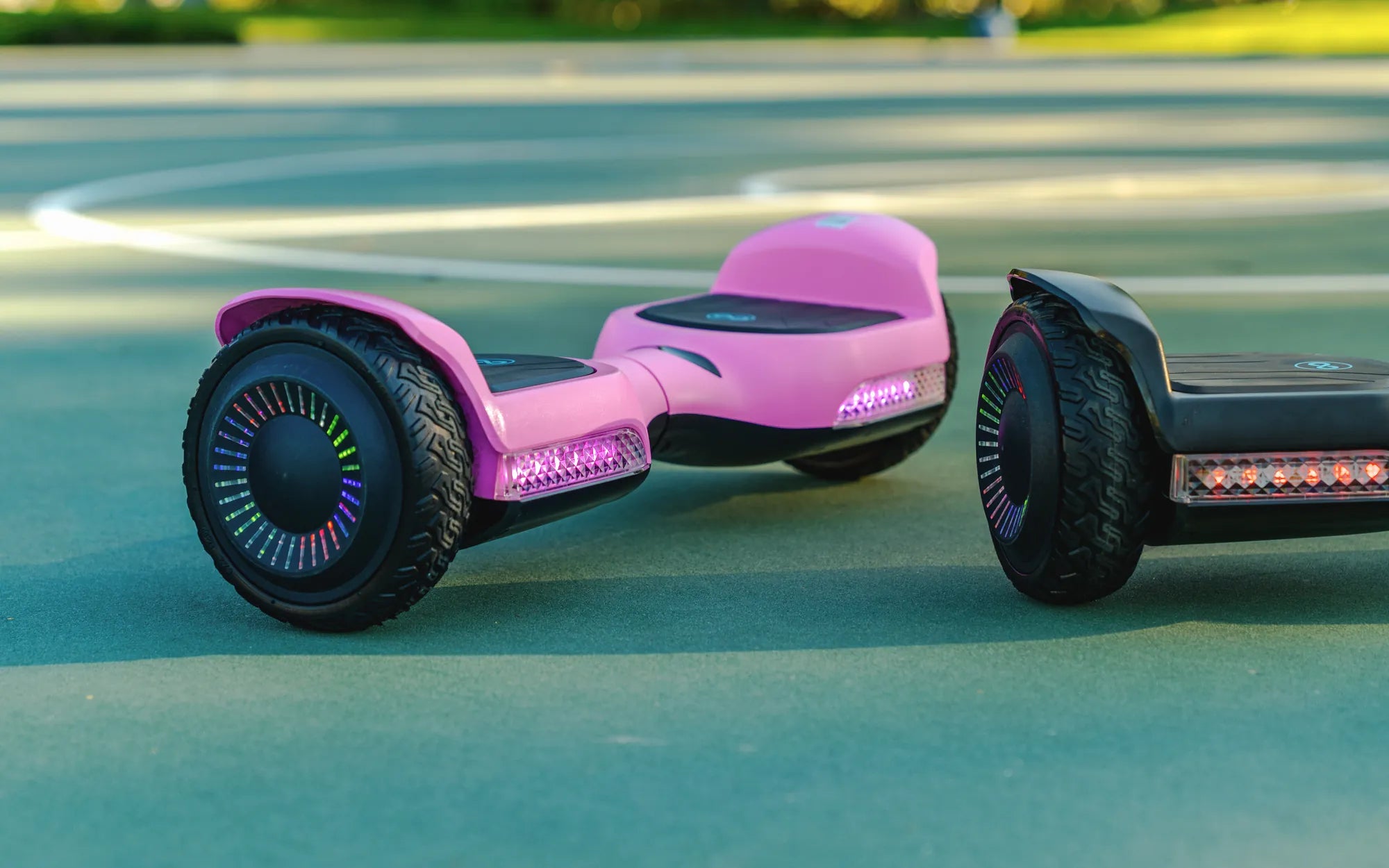
Hoverboards have revolutionized personal transportation, offering a fun and efficient way to get around. But when it comes to choosing between a self-balancing hoverboard and a non-self-balancing one, the decision isn't always straightforward. Each type has its own set of advantages and drawbacks, depending on your needs and skill level. Let's dive into the details to help you pick the right one.
What Is a Self-Balancing Hoverboard?
A self-balancing hoverboard uses advanced gyroscopic technology to automatically adjust its balance based on the rider's movements. These boards are equipped with sensors that detect shifts in weight and respond instantly to keep the rider upright. This makes them ideal for beginners or those who want a hassle-free riding experience.
What Is a Non-Self-Balancing Hoverboard?
Non-self-balancing hoverboards, on the other hand, require the rider to manually control their balance. These boards lack the automatic stabilization features found in their self-balancing counterparts, meaning riders need to rely on their own skills to stay upright. While this can be challenging for newcomers, it offers a more hands-on and customizable experience for advanced users.
Key Differences Between Self-Balancing and Non-Self-Balancing Hoverboards
Ease of Use
Self-balancing hoverboards are designed for simplicity. They're perfect for beginners who want to hop on and ride without a steep learning curve. Non-self-balancing models, however, demand practice and skill to master, making them better suited for experienced riders.
Control and Customization
If you crave control over every movement, a non-self-balancing hoverboard might be the way to go. These boards allow for more precise maneuvers and tricks, but they come with a higher risk of falls. Self-balancing boards prioritize safety and stability, limiting some advanced techniques.
Price Point
Self-balancing hoverboards tend to be more expensive due to their advanced technology. Non-self-balancing options are often cheaper but may require additional accessories or modifications to enhance performance.
Maintenance and Durability
Self-balancing hoverboards have more complex internal systems, which can lead to higher maintenance costs if something goes wrong. Non-self-balancing boards are simpler in design, often resulting in longer lifespans with fewer repairs.
Who Should Choose a Self-Balancing Hoverboard?
If you're new to hoverboards or prioritize convenience and safety, a self-balancing model is your best bet. These boards are also great for casual riders who want a smooth and enjoyable experience without the hassle of constant adjustments.
Who Should Choose a Non-Self-Balancing Hoverboard?
Advanced riders or those looking to perform tricks and stunts will appreciate the flexibility of a non-self-balancing hoverboard. While the learning curve is steeper, the payoff in terms of control and customization is unmatched.
Final Thoughts
Whether you opt for a self-balancing or non-self-balancing hoverboard depends on your skill level, budget, and riding goals. Both types offer unique benefits, so weigh the pros and cons carefully before making your choice. Ready to take your ride to the next level? The perfect hoverboard is out there waiting for you.
What Is the Best Hoverboard for a 5-Year-Old? A Parent’s Guide
Hoverboard Blinking Green Light: What It Means and How to Fix It