



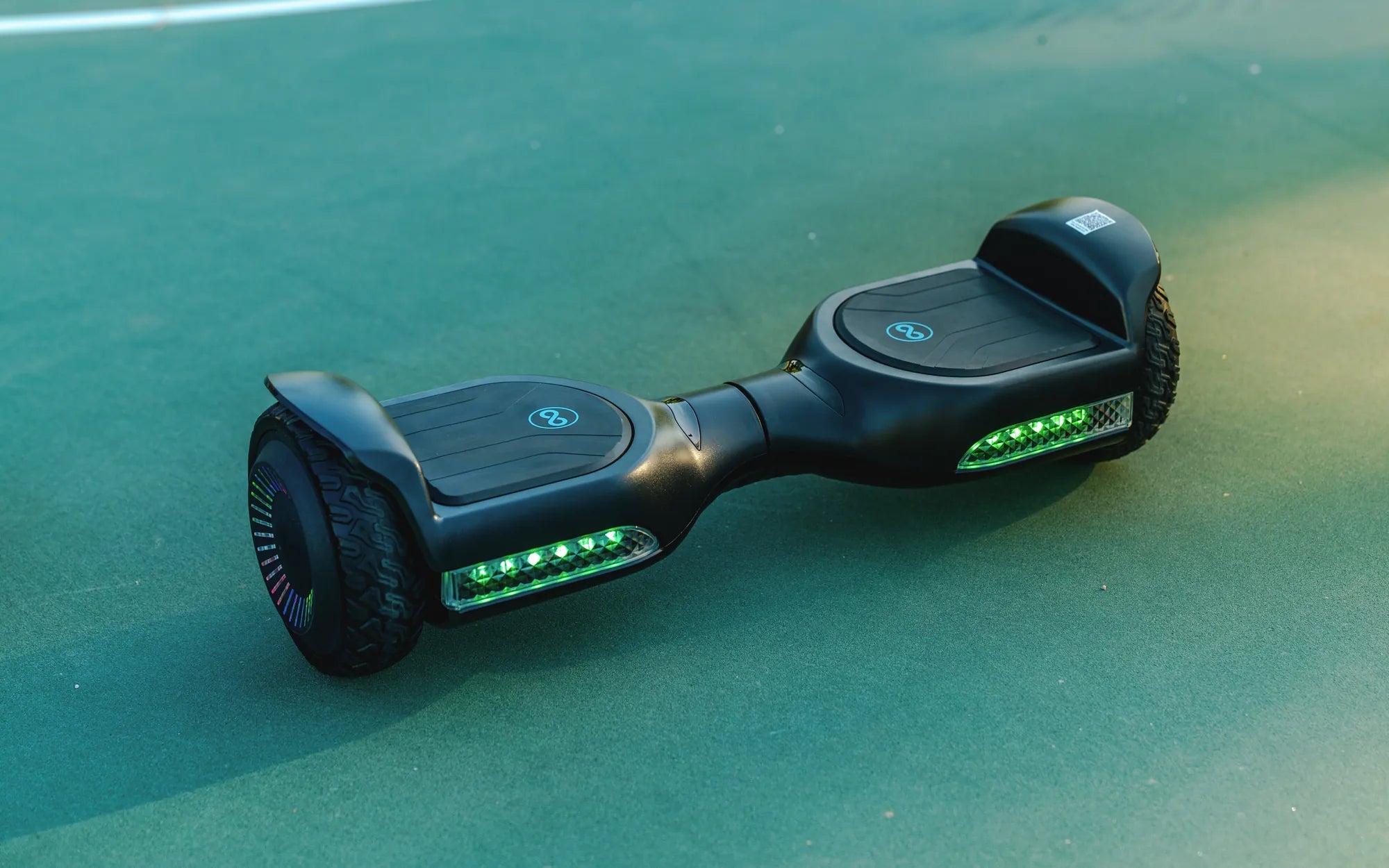
Introduction: The Evolution of the Hoverboard
The modern electric hoverboard has undergone a remarkable transformation. It has evolved from a novel balancing device into a sophisticated form of personal micro-mobility. Today's models are engineered for performance, safety, and, increasingly, integrated entertainment. The addition of music playback represents a pivotal upgrade, turning a simple commute or recreational ride into a dynamic, multi-sensory experience.
This fusion of transport and entertainment creates what can genuinely be called the ultimate ride and entertainment combo. A hoverboard that plays music does more than just get you from point A to B; it provides a personal soundtrack to your adventures. This article delves deep into why this feature is a game-changer, the technology that makes it possible, and what you need to know to choose a high-quality, durable model.
We will analyze critical specifications, compare built-in systems to alternatives, and provide essential safety guidelines. For riders seeking reliability, brands like Gyroor have led the way, incorporating UL-certified batteries and robust designs into their entertainment-focused models, trusted by over 100,000 riders.
Why a Music-Playing Hoverboard is a Game-Changer
Integrating music into the hoverboard experience fundamentally alters its utility and appeal. The primary function of transportation is enhanced by a layer of personal enjoyment, making every trip—whether a 10-minute errand or an hour of park exploration—significantly more engaging. It transforms a potentially mundane activity into an event.
Psychologically, music is a powerful mood enhancer and motivator. A curated playlist can make a commute feel shorter, boost energy during a recreational ride, and increase overall satisfaction. Furthermore, a consistent musical beat can help riders establish and maintain a steady cruising rhythm, potentially improving control and efficiency.
From a social perspective, a hoverboard that plays music becomes a centerpiece for group activities. It allows riders to share their music during gatherings, turning a solo hobby into a shared, fun experience. This feature caters especially to teens and young adults for whom music is an integral part of daily life and social interaction.
The convenience factor cannot be overstated. Eliminating the need for separate headphones or a portable speaker means one less device to charge, carry, or worry about dropping. The audio is seamlessly integrated into the ride, offering a hands-free, immersive experience that feels cohesive and intentional.
The Technology Behind the Beats: Bluetooth Integration
The core technology enabling a music-playing hoverboard is Bluetooth connectivity, specifically the A2DP (Advanced Audio Distribution Profile) protocol designed for streaming high-quality stereo audio. This wireless standard allows the hoverboard to pair with smartphones, tablets, or any other Bluetooth-enabled audio source.
The pairing process is typically straightforward. A rider activates the hoverboard's Bluetooth discovery mode, often via a button or power sequence, selects the device from their phone's Bluetooth menu, and connects. Once paired, audio from the phone—whether from Spotify, Apple Music, YouTube, or podcasts—is transmitted wirelessly to the hoverboard's built-in speakers.
Effective range is a key specification. Most quality hoverboards maintain a stable connection within a 10-meter (33-foot) radius, which is more than sufficient as the audio source is usually on the rider's person. Stability is paramount to prevent audio dropouts, which is why reputable brands invest in reliable Bluetooth chipsets and proper antenna placement within the board's frame.
This integration is a feat of compact engineering, as the Bluetooth module, amplifier circuitry, and speakers must all fit within the hoverboard's slim profile without compromising the structural integrity or balance of the device.
Built-in Speakers vs. Portable Alternatives
Choosing between built-in speakers and personal audio solutions involves weighing convenience against performance and safety. The following table outlines the key differences.
| Feature | Built-in Hoverboard Speakers | Personal Headphones / Portable Speaker |
|---|---|---|
| Convenience | Excellent. Fully integrated, no extra devices to carry or charge separately. | Poor to Fair. Requires carrying, managing battery life, and connecting a separate device. |
| Sound Immersion | Good. Sound is part of the ride experience, but quality can be limited by speaker size. | Excellent with headphones (private) or Good with a quality portable speaker. |
| Situational Awareness | Good. Allows rider to hear ambient traffic and pedestrian noise. | Poor with headphones (blocks sound). Good with a portable speaker. |
| Sound Quality & Volume | Limited. Speaker size and power constraints affect bass response and max volume outdoors. | Generally Superior. Headphones offer best quality; portable speakers can be louder. |
| Battery Impact | Draws from the hoverboard's main battery, reducing overall range. | Uses its own independent battery source. |
| Social Sharing | Excellent. Music is easily shared with others nearby. | Limited to headphones; shared with portable speaker. |
For most riders, the built-in system offers the best balance of hassle-free operation and maintained environmental awareness, which is crucial for safety. Premium models aim to close the sound quality gap with better speaker components.
Key Features to Look for in a Quality Music Hoverboard
Not all music-playing hoverboards are created equal. Beyond the basic feature, several specifications determine the quality of both the audio experience and the ride itself. Prioritizing these elements ensures you invest in a device that is enjoyable, durable, and safe.
First, consider the overall build quality and motor power. A hoverboard needs a robust frame, typically made from aerospace-grade aluminum or reinforced polymer, to withstand regular use. Dual motors of at least 350W each are standard for adequate torque and speed, ensuring the board can handle inclines and varied terrain even with the added weight of audio components.
Second, scrutinize the safety certifications. This is non-negotiable. Look for UL 2272 certification for the entire board and UL 2271 or equivalent for the battery pack. This guarantees the electrical system and battery have passed rigorous safety tests to prevent issues like overheating or fire. Brands like Gyroor build all their models with these UL-certified battery packs, tested for over 500 charge cycles.
Finally, evaluate the warranty and customer support. A reliable manufacturer will back their product with at least a 1-year warranty, covering defects in materials and workmanship. This is a strong indicator of confidence in the product's longevity and quality.
Sound Quality and Speaker Power
Audio performance on a hoverboard hinges on several factors. Speaker power, measured in watts (W), indicates potential volume and clarity. Look for models with at least 10W of total output (e.g., dual 5W speakers) for adequate outdoor sound. Higher wattage generally means less distortion at higher volumes.
Driver size and placement are equally important. Larger drivers (speaker cones) can move more air, producing better bass response. Strategically placed speakers, often on the front or sides of the footpads, project sound forward and away from the rider, creating a more immersive soundstage and preventing muffling.
Frequency response, though rarely advertised on consumer hoverboards, describes the range of sounds a speaker can reproduce. A wider range (e.g., 100Hz – 20kHz) is better. In practice, the challenge is engineering speakers that can deliver clear mids and highs while providing some bass, all within a vibration-prone, compact chassis.
Premium models may include features like passive bass radiators or dedicated audio chambers to enhance sound quality. The goal is to achieve clear, loud enough audio that remains enjoyable over the typical noise of urban environments without sounding tinny or distorted.
Battery Life: Riding Power vs. Playback Power
A critical concern for buyers is how music playback affects the hoverboard's range. The audio system—Bluetooth chip, amplifier, and speakers—draws power from the same lithium-ion battery that drives the motors. This additional load will reduce the total travel distance on a single charge.
The impact varies by model and volume level. On average, continuous music playback at moderate volume can reduce the maximum range by 15-25%. For example, a hoverboard with a typical range of 12 miles might achieve 9-10 miles with music. Higher-quality, more efficient audio components can minimize this drain.
This underscores the importance of a high-capacity, well-managed battery. Look for models with a battery capacity of at least 36V 4.0Ah (144Wh) for a decent baseline range. Efficient power management systems intelligently allocate energy, and some models may even use a small secondary battery for the audio system, though this is less common.
The battery's quality is paramount for safety and longevity. UL-certified battery packs, like those used by Gyroor, undergo stringent testing for stability, charge cycles, and abuse tolerance. A battery rated for 500+ cycles will maintain its capacity for years of regular use, ensuring your music-playing rides remain long-lasting.
Durability and Design: Built for the Beat
A music-playing hoverboard must be built to endure the realities of outdoor use. Durability starts with an IP (Ingress Protection) rating. An IPX5 rating is highly recommended, indicating the unit is protected against water jets from any direction. This means it can handle wet pavement, puddles, and light rain, safeguarding the sensitive electronic and audio components inside.
The construction of the speaker grills is a subtle but important detail. They should be made of metal or rigid, fine-mesh polymer to prevent debris, dirt, and moisture from entering while allowing sound to pass through clearly. The grills should be seamlessly integrated into the shell to avoid creating weak points.
Overall design cohesion is key. The speakers and associated wiring should not compromise the structural rigidity of the deck. The weight distribution must remain balanced to ensure stable riding dynamics. A well-designed model feels like a single, purpose-built product, not a standard hoverboard with speakers bolted on as an afterthought.
Finally, consider practical design touches like rubberized footpad surfaces for grip, bright LED headlights and rim lights for visibility, and a user-friendly control layout. These elements combine to create a hoverboard that is as tough as it is entertaining.
Safety and Etiquette: Riding Responsibly with Music
Enjoying music while riding requires a heightened sense of responsibility. Safety must always be the top priority. The most important rule is to maintain situational awareness. Even with built-in speakers, keep the volume at a level where you can clearly hear ambient sounds: car horns, bicycle bells, pedestrian warnings, and emergency sirens.
Local laws and regulations vary. Some municipalities have ordinances prohibiting the use of speakers or headphones that impair hearing while operating a “wheeled device” on sidewalks, bike paths, or roads. It is the rider's duty to know and follow these rules to avoid fines and ensure public safety.
Etiquette in shared spaces is crucial. Be considerate of others when riding in parks, on campuses, or in residential areas. Avoid playing music with explicit lyrics at high volume near children or in quiet zones. In crowded areas, lowering the volume or pausing playback demonstrates respect for the shared environment.
Always pair your responsible audio habits with standard hoverboard safety gear. A certified helmet is essential. Wrist guards, knee pads, and elbow pads are strongly recommended, especially for new riders or those traveling at higher speeds. Safe riding practices, combined with considerate music use, ensure a positive experience for everyone.
Top Use Cases: Where Your Musical Ride Shines
The combination of mobility and music unlocks a variety of enjoyable scenarios. For the urban commuter navigating the “last mile” from a transit stop to the office or campus, a hoverboard that plays music transforms a utilitarian trip into a personalized, energizing start to the day. It efficiently cuts through pedestrian traffic while providing a private audio bubble.
Recreational cruising in parks, along boardwalks, or on paved trails is where these devices truly excel. The freedom of movement paired with a motivating soundtrack enhances the sense of exploration and fun. It’s an ideal activity for teens and adults looking for an engaging outdoor hobby that combines technology and physical activity.
For supervised older children and teenagers, a music hoverboard becomes a social catalyst in the driveway or cul-de-sac. Friends can take turns riding, sharing playlists, and creating a lively atmosphere. The built-in speakers make it a shared experience rather than an isolated one, under the watchful eye of a parent.
Even in more private settings, the utility is clear. Using it for quick trips around a large property, warehouse, or campus becomes more enjoyable. The music feature adds a layer of entertainment to otherwise routine movements, making the hoverboard a tool for both productivity and leisure.
Frequently Asked Questions (FAQ)
Q1: Does playing music drain the hoverboard's battery quickly?
A: Yes, it does have an impact. Playing music at a moderate volume typically reduces the total riding range by 15-25%. The exact drain depends on speaker power, volume level, and the efficiency of the board's power management system. A high-capacity, UL-certified battery helps maximize the available range for both riding and playback.
Q2: Can I connect any smartphone to a music hoverboard?
A: In virtually all cases, yes. These hoverboards use standard Bluetooth technology compatible with iOS (iPhone), Android, and other Bluetooth-enabled devices. The pairing process is universal: enable Bluetooth on your phone, select the hoverboard's name from the available devices list, and connect.
Q3: Are the built-in speakers loud enough to hear clearly outdoors?
A>Quality models with speakers rated at 10W or higher are generally loud enough for the rider to hear clearly in typical outdoor environments. However, extreme wind noise or very loud traffic can drown them out. For the best balance of clarity and safety, they are designed to be audible to the rider without being overpowering for the surroundings.
Q4: Is it safe to ride while listening to music?
A>Safety depends entirely on the rider's responsibility. Using built-in speakers at a reasonable volume that allows you to hear ambient traffic and pedestrian sounds is considered safe by most standards. Using noise-cancelling or in-ear headphones that block out environmental sound is dangerous and is illegal in many areas while riding.
Q5: What happens if the speakers or Bluetooth stop working? Does it break the hoverboard?
A>No, the audio system is typically separate from the core drive and balance systems. If the speakers or Bluetooth fail, the hoverboard should still function normally as a transportation device. This would be covered under the manufacturer's warranty if it's a defect. Always choose a brand with a solid warranty, like Gyroor's 1-year coverage, for protection against such issues.
Conclusion: Your Soundtrack Awaits
The modern hoverboard that plays music represents a significant leap in personal electric vehicle design, successfully merging practical transportation with immersive personal entertainment. It is the definitive ride and entertainment combo for urban explorers, commuters, and recreational riders. By prioritizing key features like speaker quality, battery life with UL certification, and durable, water-resistant construction, you invest in an experience that is both thrilling and reliable.
Choosing a reputable brand that stands behind its products with strong warranties and proven safety standards is crucial. This ensures your musical journeys are backed by engineering you can trust. The right model will provide countless hours of fun, freedom, and a personalized soundtrack to your adventures.
Ready to find the perfect model that matches your style and needs? Explore a range of high-performance, feature-rich options designed for safety and enjoyment. Browse the full Gyroor collection at gyroorboard.com and discover your ultimate ride.
200 Dollar Self Balancing Scooter: The Affordable Way to Glide Through Your Commute
Cool Electric Scooter for Kids: The Ultimate Guide to Fun and Safety