



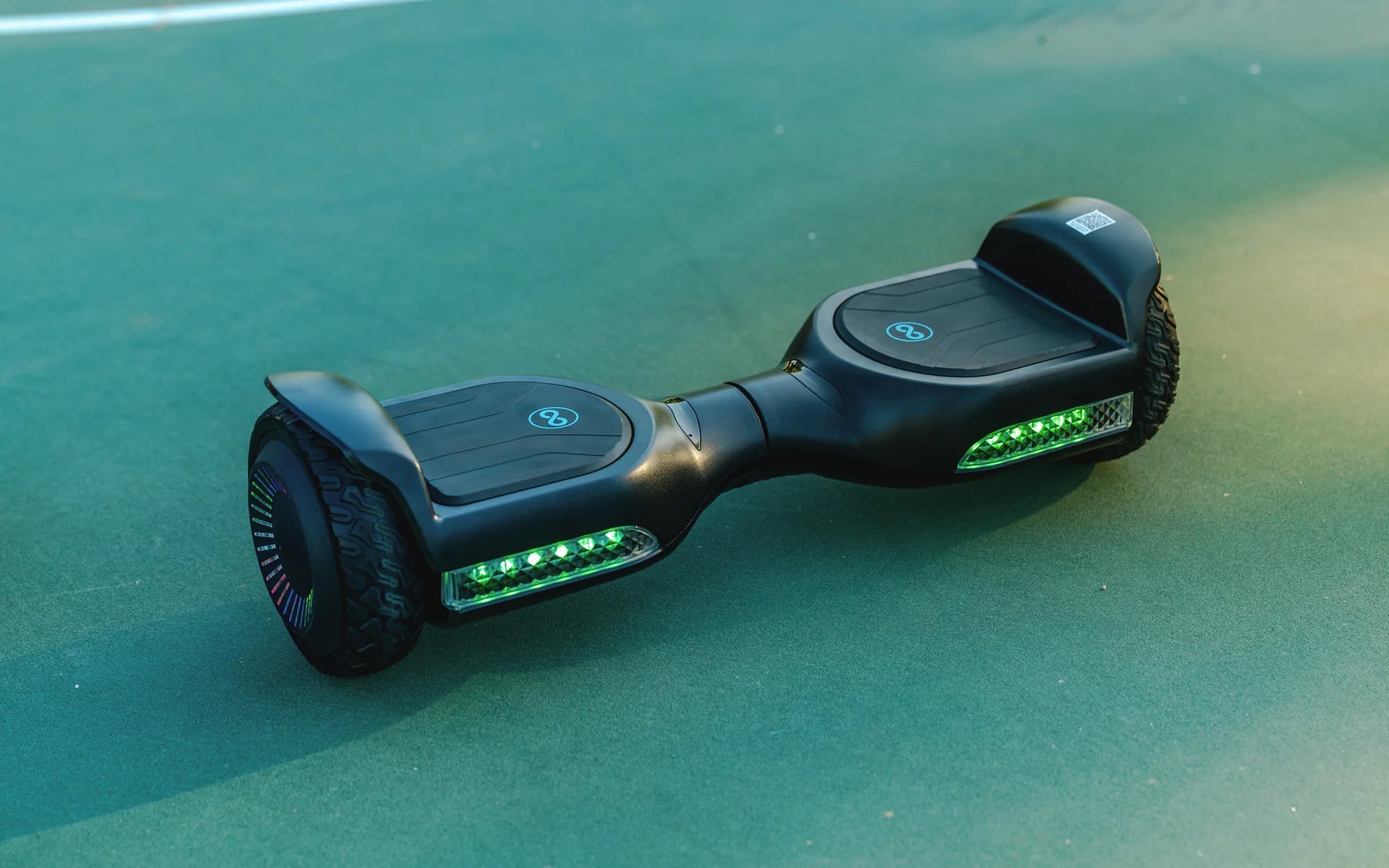
Imagine gliding effortlessly down the street, the wind in your hair, as you zip past pedestrians with the grace of a futuristic commuter. This is the promise of the hoverboard, a device that has captured the imagination of millions and redefined personal transportation. Whether you're a tech enthusiast, a casual rider, or someone curious about the next big thing in mobility, the hoverboard's journey from sci-fi fantasy to everyday reality is a story worth telling.
The Origins of the Hoverboard
The concept of the hoverboard first gained widespread attention in the 1989 film Back to the Future Part II, where the protagonist effortlessly floated above the ground on a sleek, levitating board. For decades, this vision remained firmly in the realm of science fiction. However, the early 2010s saw the emergence of the first self-balancing scooters, often colloquially referred to as hoverboards, even though they relied on wheels rather than magnetic levitation.
How Hoverboards Work
Modern hoverboards operate using a combination of gyroscopic sensors, electric motors, and rechargeable batteries. These components work in harmony to detect the rider's movements and adjust the speed and direction accordingly. By leaning forward or backward, the rider can accelerate or decelerate, while subtle shifts in weight allow for smooth turns. The technology behind hoverboards is a marvel of engineering, blending intuitive controls with cutting-edge innovation.
The Rise in Popularity
Hoverboards quickly became a cultural phenomenon, embraced by celebrities, influencers, and everyday users alike. Their compact design and ease of use made them an attractive alternative to traditional scooters or skateboards. However, their rapid rise also brought challenges, including safety concerns and regulatory scrutiny. Early models were prone to overheating and even catching fire, leading to recalls and stricter manufacturing standards. Despite these setbacks, the hoverboard industry adapted, producing safer and more reliable devices.
Applications Beyond Recreation
While hoverboards are often associated with leisure and entertainment, their potential extends far beyond casual use. In urban environments, they serve as a convenient last-mile solution, bridging the gap between public transportation and final destinations. Some businesses have even incorporated hoverboards into their operations, using them for quick deliveries or efficient mobility in large warehouses. The versatility of hoverboards makes them a valuable tool in various industries.
The Future of Hoverboards
As technology continues to advance, the possibilities for hoverboards are limitless. Researchers are exploring the feasibility of true levitation using magnetic fields, bringing us closer to the fictional hoverboards of Back to the Future. Meanwhile, improvements in battery life, motor efficiency, and smart connectivity are making current models more accessible and practical. The integration of AI and IoT could further enhance their functionality, turning hoverboards into intelligent personal transporters.
From their humble beginnings as a cinematic dream to their current status as a mainstream mobility device, hoverboards have come a long way. Whether you're riding one for fun or relying on it for daily commutes, there's no denying their impact on how we move. The next time you see someone gliding by on a hoverboard, remember—you're witnessing a small piece of the future, today.
Hoverboard Battery Time: How to Maximize Your Ride Duration
Where Can You Use a Hoverboard: Exploring the Best Places to Ride