

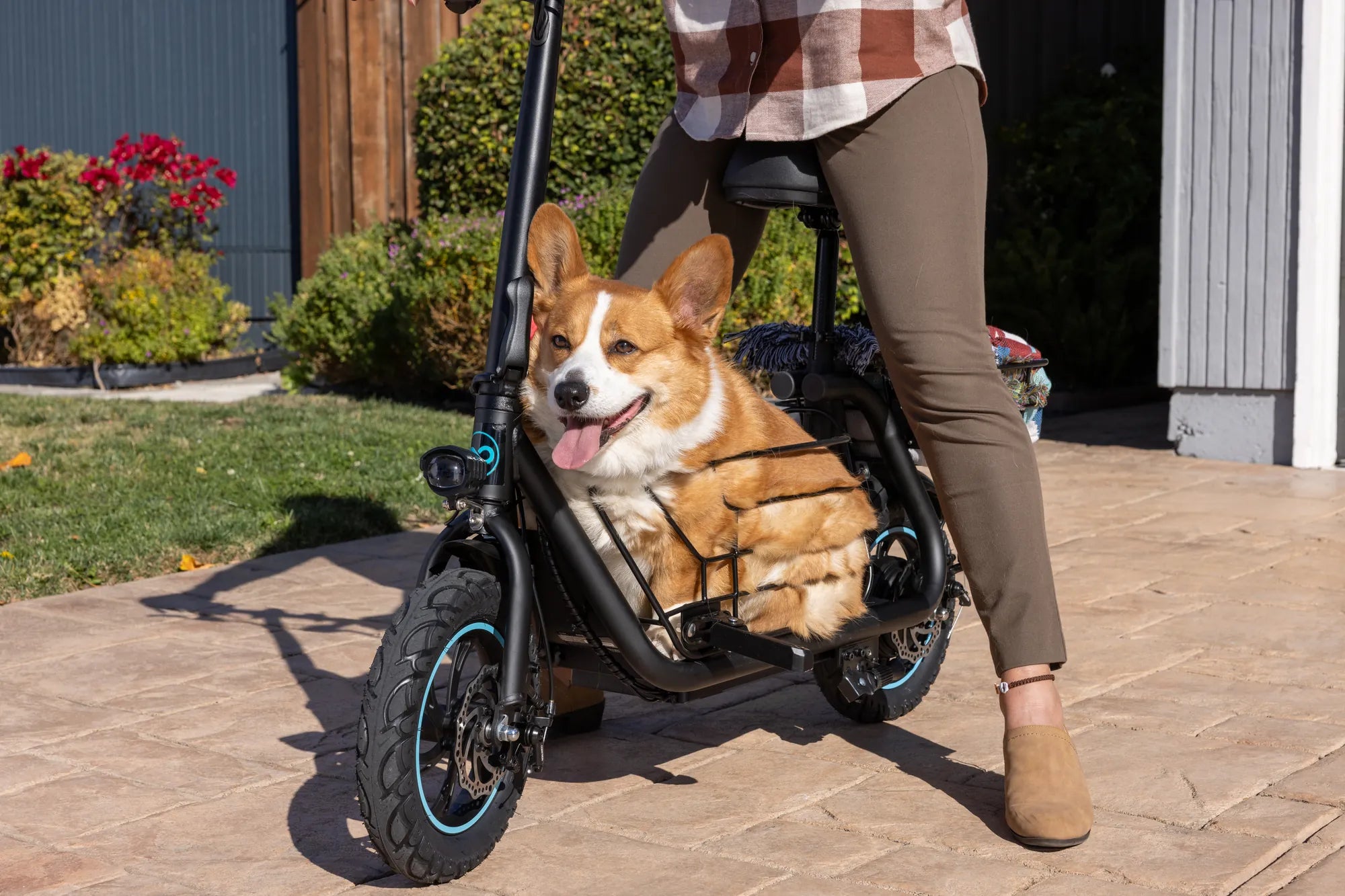
Ever wondered how full-size electric scooters zip through city streets with such ease? These modern marvels combine cutting-edge technology with sleek design to offer an efficient, eco-friendly alternative to traditional transportation. Let’s dive into the inner workings of these electric-powered machines and uncover what makes them tick.
The Core Components of Full-Size Electric Scooters
Full-size electric scooters rely on several key components to function seamlessly. Here’s a breakdown of the most critical parts:
- Electric Motor: The heart of the scooter, converting electrical energy into motion.
- Battery Pack: Stores the energy needed to power the motor and other systems.
- Controller: Acts as the brain, regulating power flow from the battery to the motor.
- Throttle: Allows the rider to control speed, similar to a gas pedal in a car.
- Braking System: Ensures safe stopping, often incorporating regenerative braking to recharge the battery.
- Frame and Wheels: Provide stability and durability for a smooth ride.
How the Electric Motor Powers the Scooter
The electric motor is the powerhouse of the scooter, typically located in the rear wheel hub or mounted centrally. When the rider engages the throttle, the controller sends a signal to the motor, which then converts electrical energy from the battery into mechanical energy. This process generates torque, propelling the scooter forward. Most full-size models use brushless DC motors for their efficiency and longevity.
The Role of the Battery and Charging System
Lithium-ion batteries are the standard for full-size electric scooters due to their high energy density and lightweight properties. These batteries store electricity and deliver it to the motor as needed. Charging is simple—plug the scooter into a standard outlet, and the onboard charger converts AC power to DC, replenishing the battery. Advanced models may feature swappable batteries for extended range.
Speed and Performance Control
The controller plays a pivotal role in managing speed and performance. It adjusts the power delivered to the motor based on throttle input, ensuring smooth acceleration and deceleration. Many scooters also offer multiple riding modes, such as eco or sport, which alter power output to optimize battery life or performance.
Braking Systems and Safety Features
Safety is paramount, and full-size electric scooters often include disc brakes, drum brakes, or regenerative braking systems. Regenerative braking not only slows the scooter but also recaptures energy to recharge the battery slightly. Additional safety features like LED lights, turn signals, and anti-lock braking systems (ABS) enhance rider security.
Maintenance and Longevity
Unlike gas-powered vehicles, electric scooters require minimal maintenance. Regular checks of tire pressure, brake function, and battery health are usually sufficient. Keeping the battery charged between 20-80% can extend its lifespan, while avoiding extreme temperatures ensures optimal performance.
Ready to experience the future of urban mobility? Full-size electric scooters offer a thrilling, sustainable way to navigate your daily commute—powered by innovation and designed for the modern rider.
Top 10 Electric Mobility Scooters for Enhanced Independence and Convenience
Electric Trike Top Speed: How Fast Can They Really Go?