


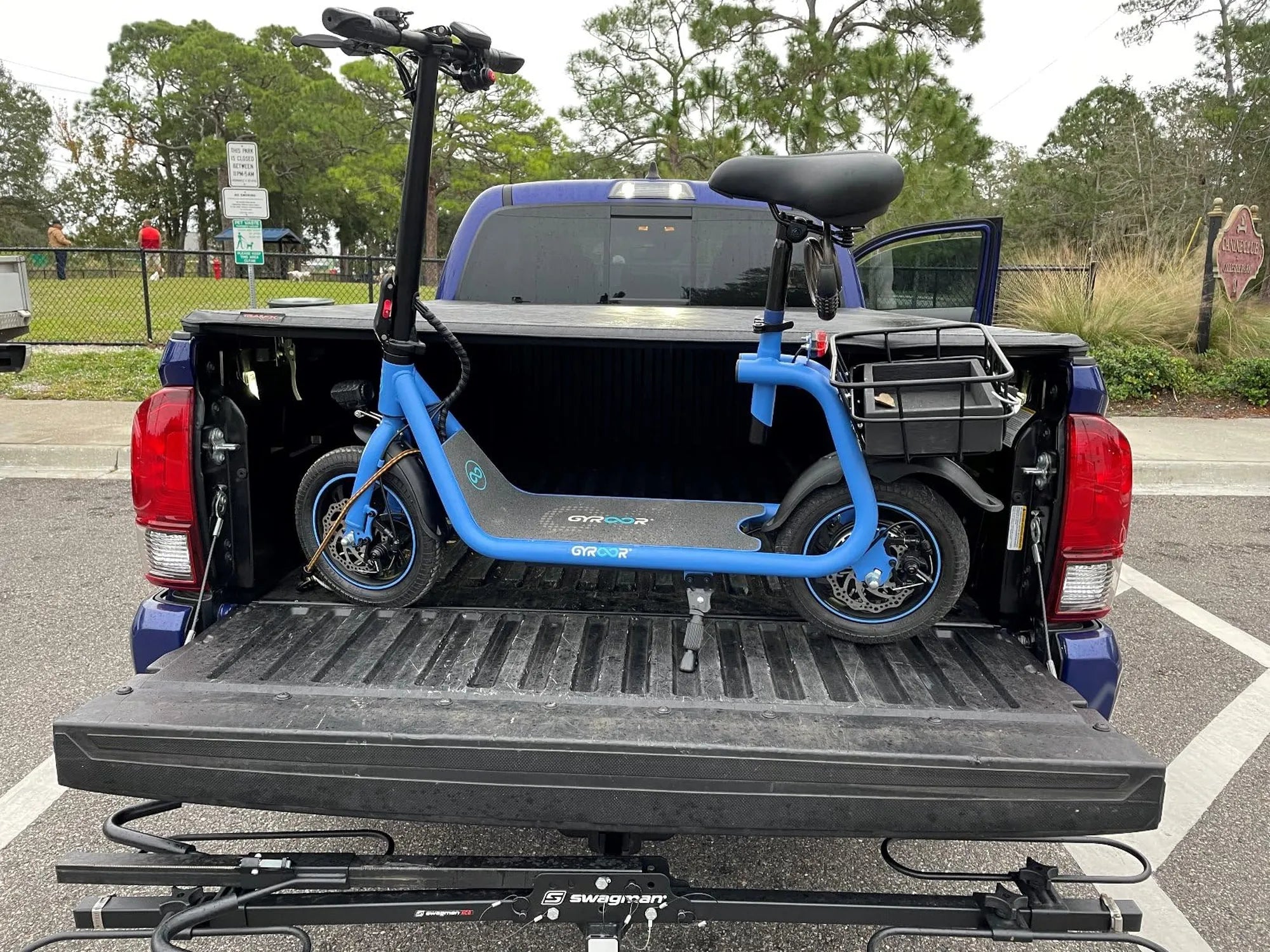
If your electric scooter's brakes are failing, you're not just risking a bumpy ride—you're putting yourself in danger. Whether it's squeaking, grinding, or not stopping at all, fixing your brakes is easier than you think. Follow this step-by-step guide to get back on the road safely.
Understanding Your Electric Scooter's Braking System
Electric scooters typically use one of two braking systems: mechanical (disc or drum) or electronic (regenerative). Mechanical brakes rely on physical friction, while regenerative brakes use the motor to slow down the scooter and recharge the battery slightly. Knowing which type your scooter has is the first step in troubleshooting.
Tools You'll Need
- Allen wrenches or hex keys
- Screwdrivers (Phillips and flathead)
- Adjustable wrench
- Brake cleaner or isopropyl alcohol
- Lubricant (silicone-based for brakes)
- Rag or paper towels
Step 1: Diagnose the Problem
Before diving into repairs, identify the issue. Common brake problems include:
- Squeaking or grinding: Often caused by dirt, misalignment, or worn brake pads.
- Weak braking: Could be due to loose cables, air in hydraulic lines, or worn components.
- Brakes not engaging: May indicate a broken cable, faulty sensor (for regenerative brakes), or severe pad wear.
Step 2: Inspect the Brake Pads
For mechanical brakes, check the pads for wear. If they're thinner than 1/4 inch, replace them. Remove the wheel if necessary to access the pads, then unscrew or unclip the old ones and install new ones. Ensure they're aligned properly with the rotor or drum.
Step 3: Adjust the Brake Cables
If your brakes feel loose, tighten the cable by adjusting the barrel adjuster near the brake lever. For hydraulic brakes, check for leaks and bleed the system if needed.
Step 4: Clean the Brake Rotors or Drums
Dirt and oil reduce braking efficiency. Use brake cleaner or isopropyl alcohol to wipe down the rotors or drums. Avoid touching them with bare hands afterward to prevent oil transfer.
Step 5: Test the Brakes
After adjustments, spin the wheel to ensure it moves freely without dragging. Squeeze the brake lever to confirm firm, responsive stopping power.
Preventive Maintenance Tips
- Check brake pads monthly for wear.
- Keep rotors and drums clean.
- Avoid riding through deep water to prevent rust.
- Lubricate moving parts (except the braking surface) periodically.
Don't let faulty brakes turn your daily commute into a hazard. With these simple steps, you can restore your electric scooter's stopping power and ride with confidence. Remember, regular maintenance is the key to avoiding costly repairs down the road.
Class 2 Electric Scooter: The Ultimate Guide to Safe and Efficient Commuting
Dual Motor Electric Scooter Specs: Everything You Need to Know Before Buying