



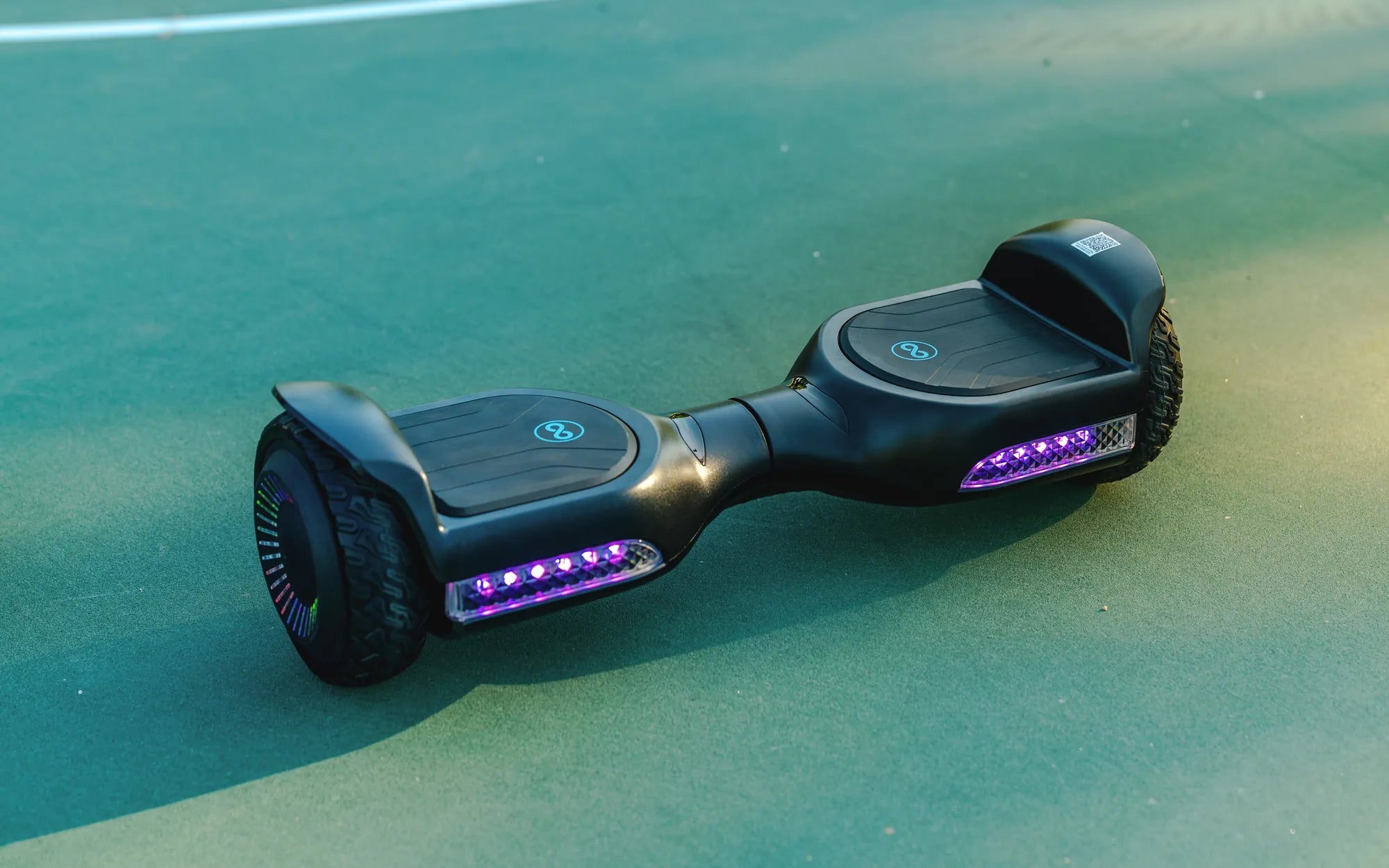
Mastering the Art of Hoverboarding
Hoverboards have taken the world by storm, offering a thrilling and efficient way to get around. But before you can glide effortlessly down the street, you need to learn the basics—starting with how to get on a hoverboard safely. Whether you're a complete beginner or just need a refresher, this step-by-step guide will help you build confidence and avoid common mistakes.
Step 1: Choose the Right Surface
Before attempting to mount your hoverboard, make sure you're on a flat, stable surface. Avoid uneven terrain, gravel, or slippery areas, as these can make balancing much harder. A smooth pavement or indoor floor is ideal for beginners.
Step 2: Power On the Hoverboard
Ensure your hoverboard is fully charged and turned on. Most models will emit a beep or light up to indicate they're ready. Place the hoverboard on the ground in front of you, making sure it's stationary before stepping onto it.
Step 3: Position Yourself Correctly
Stand behind the hoverboard with your dominant foot slightly forward. Keep your knees slightly bent and your arms out for balance. This stance will help you maintain stability as you step onto the board.
Step 4: Mounting the Hoverboard
Place your dominant foot on the hoverboard first, positioning it near the center of the footpad. Avoid placing your foot too far forward or backward, as this can cause the board to tilt unexpectedly. Once your first foot is securely in place, quickly but smoothly bring your other foot onto the board.
Step 5: Finding Your Balance
Once both feet are on the hoverboard, focus on keeping your weight centered. Distribute your weight evenly between both feet and avoid leaning too far in any direction. Engage your core muscles to help maintain stability.
Step 6: Practicing Small Movements
Start by making slight shifts in your weight to get a feel for how the hoverboard responds. Gently lean forward to move ahead and backward to slow down or reverse. Keep your movements small and controlled until you feel comfortable.
Step 7: Dismounting Safely
When you're ready to get off, slow the hoverboard to a complete stop. Step off with your dominant foot first, followed by your other foot. Always step backward or to the side, never forward, to avoid accidentally triggering the board's movement.
Common Mistakes to Avoid
Many beginners struggle with hoverboarding because of simple mistakes. Here are a few to watch out for:
- Looking Down: Keep your eyes forward, not at your feet, to maintain balance.
- Stiff Posture: Relax your body and bend your knees slightly to absorb any bumps.
- Overcorrecting: Small, subtle movements are better than large, jerky ones.
Building Confidence Over Time
Like any new skill, hoverboarding takes practice. Start in a safe, open area and gradually increase your speed and complexity of movements as you gain confidence. With patience and persistence, you'll soon be gliding like a pro.
Ready to take your hoverboarding skills to the next level? With these tips, you'll be riding with ease and style in no time—just remember to stay safe and have fun!
Hoverboard Wheel Problem: Causes, Fixes, and Prevention Tips
Do Hoverboards Explode? The Shocking Truth Behind the Safety Concerns