


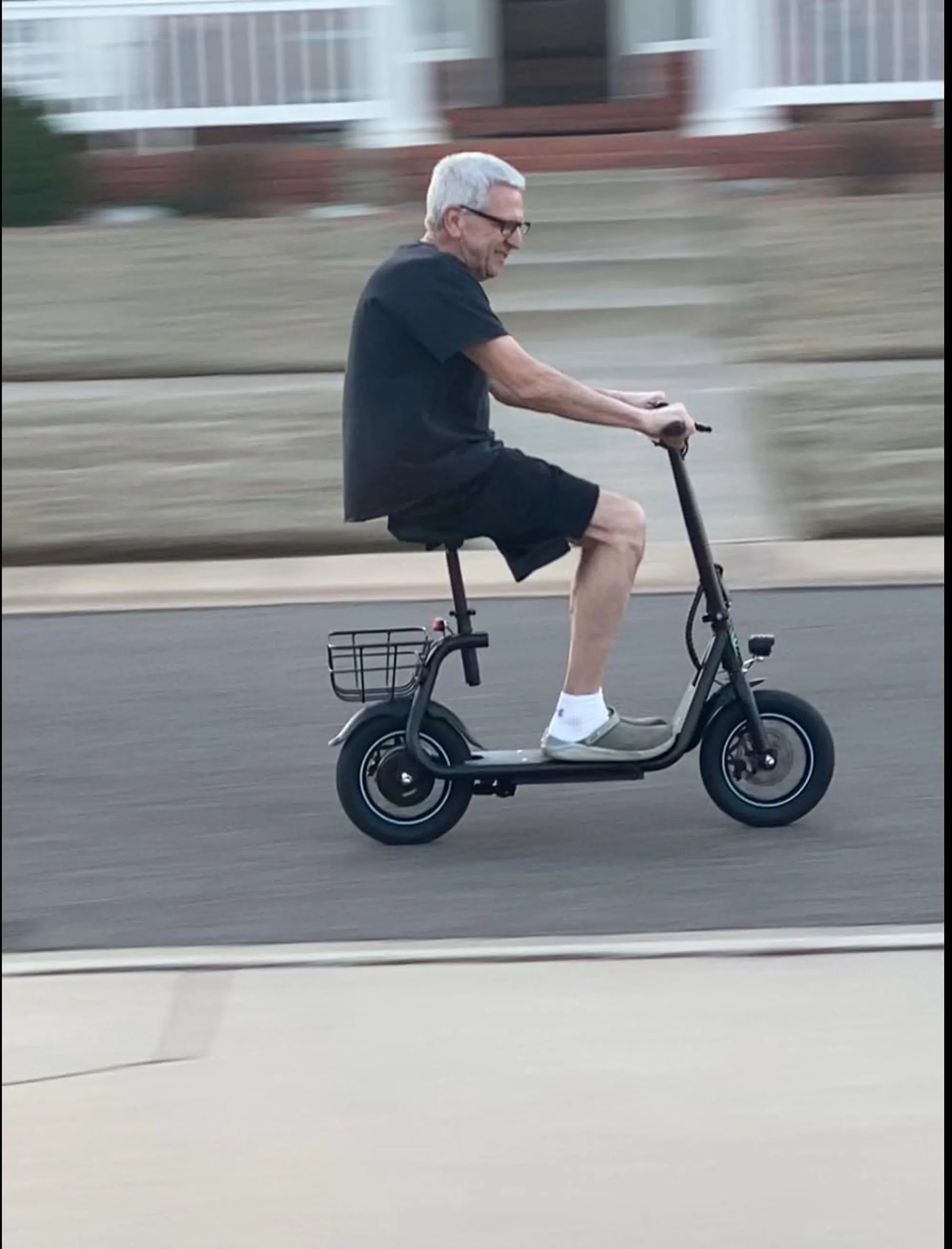
Ever wondered what makes an electric bike glide effortlessly up hills or cruise smoothly on long rides? The secret lies in its motor—a compact yet powerful component that turns electrical energy into motion. Let’s dive into the fascinating mechanics behind how an electric bike motor works and why it’s revolutionizing modern cycling.
The Basics of Electric Bike Motors
Electric bike motors are designed to assist your pedaling, making rides easier and faster. They come in various types, but all share the same core principle: converting battery-stored electricity into mechanical power. The motor’s performance depends on factors like wattage, torque, and efficiency, which determine how smoothly it propels the bike.
Types of Electric Bike Motors
There are three primary types of motors used in electric bikes:
- Hub Motors: Integrated into the front or rear wheel, these motors are simple and low-maintenance.
- Mid-Drive Motors: Positioned near the bike’s cranks, they offer better balance and efficiency by leveraging the bike’s gears.
- Friction Drive Motors: Less common, these motors press against the tire to provide propulsion.
How the Motor Generates Power
The motor’s operation begins with the battery supplying direct current (DC) electricity. This current passes through a controller, which regulates power output based on rider input. The controller then sends the electricity to the motor, where electromagnets interact with permanent magnets or coils to create rotational force. This force is transferred to the bike’s drivetrain or wheels, propelling it forward.
The Role of Sensors
Most electric bike motors rely on sensors to deliver a seamless riding experience:
- Pedal Assist Sensors (PAS): Detect pedaling motion and adjust motor assistance accordingly.
- Torque Sensors: Measure how hard you’re pedaling to provide proportional power.
- Speed Sensors: Ensure the motor complies with local speed regulations.
Efficiency and Energy Use
Electric bike motors are highly efficient, converting over 80% of electrical energy into motion. Factors like motor type, terrain, and rider weight influence efficiency. Regenerative braking, though rare in e-bikes, can further enhance energy conservation by recapturing some power during deceleration.
Maintenance and Longevity
With minimal moving parts, electric bike motors require little maintenance. Keeping the motor clean and dry, avoiding extreme temperatures, and ensuring proper battery care can extend its lifespan. Most motors last for thousands of miles with regular use.
Ready to experience the magic of an electric bike motor? Whether you’re commuting or exploring, this technology offers a smoother, smarter way to ride—blending human effort with electric power for the ultimate cycling adventure.
Best Electric Mountain Bike Under $2500: Top Picks for Off-Road Adventures
Best Electric Mountain Bike Under $2500: Top Picks for Off-Road Adventures