



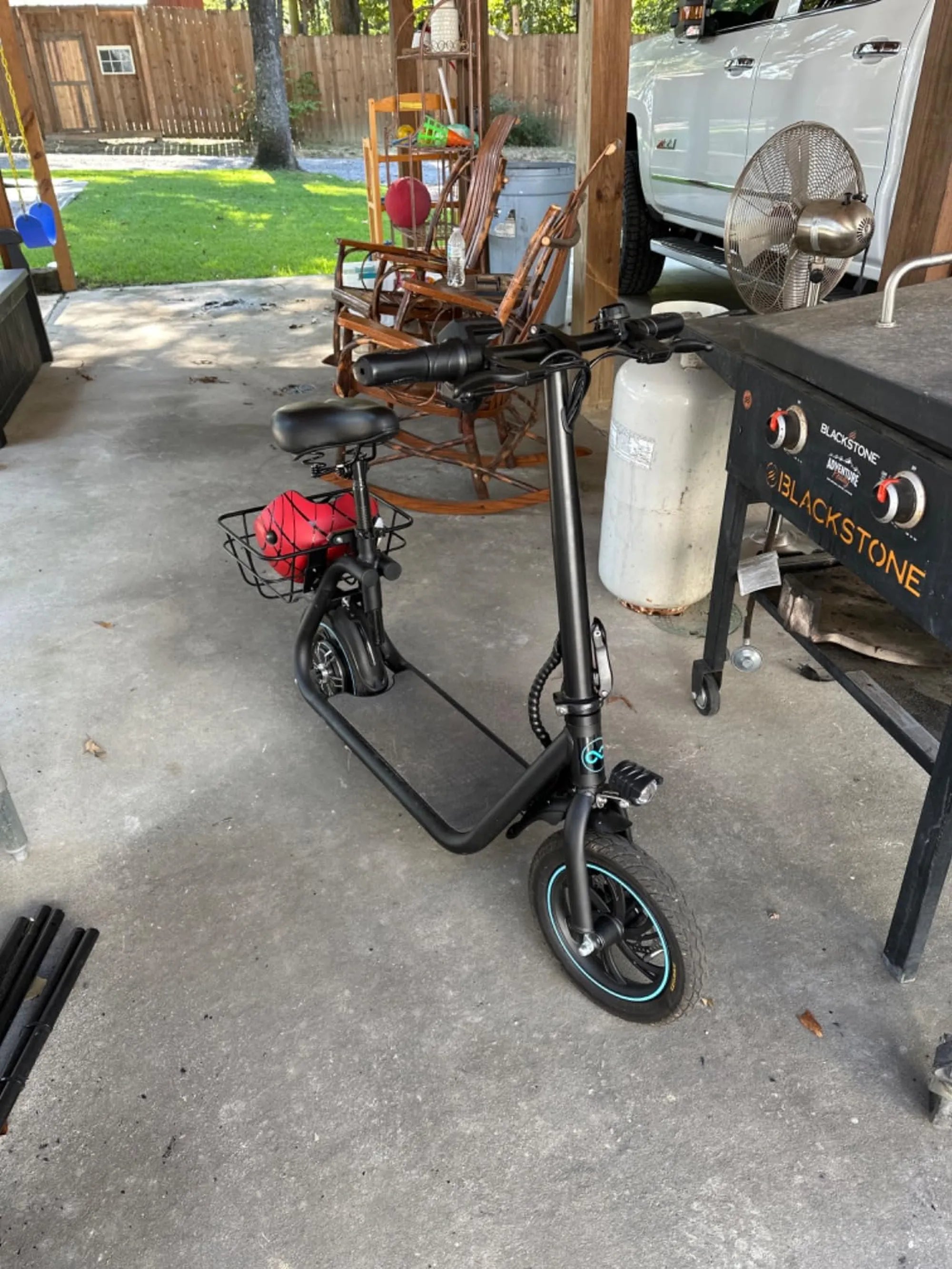
Electric scooters are taking the world by storm, offering a convenient and eco-friendly way to get around. But before you invest in one, you might be wondering: how durable are electric scooters? The answer isn't as simple as you might think. Durability depends on a variety of factors, from build quality to how well you maintain your scooter. Let's dive into the details to help you understand what to expect.
Factors That Affect Electric Scooter Durability
Several key factors determine how long an electric scooter will last. Understanding these can help you make an informed purchase and extend the life of your scooter.
Build Quality and Materials
The durability of an electric scooter starts with its construction. High-quality materials like aircraft-grade aluminum or reinforced steel frames tend to last longer than cheaper alternatives. The quality of components such as the battery, motor, and tires also plays a significant role.
Battery Life and Performance
The battery is one of the most critical components of an electric scooter. Most scooters use lithium-ion batteries, which typically last between 300 to 500 charge cycles before their capacity starts to degrade. Proper charging habits can significantly extend battery life.
Tire Type and Condition
Electric scooters come with either pneumatic (air-filled) or solid tires. Pneumatic tires offer a smoother ride but are more prone to punctures, while solid tires are more durable but provide less cushioning. Regularly checking tire pressure and condition can prevent premature wear.
Usage and Riding Conditions
How and where you ride your scooter also affects its durability. Rough terrain, frequent stops and starts, and carrying heavy loads can all put extra strain on the scooter's components. Riding in wet or muddy conditions can also lead to corrosion or electrical issues.
Maintenance Tips to Extend Your Scooter's Lifespan
Proper maintenance is essential to keep your electric scooter running smoothly for years. Here are some tips to help you get the most out of your investment.
Regular Cleaning and Inspection
Dirt and debris can accumulate in the scooter's moving parts, leading to wear and tear. Regularly clean your scooter and inspect it for loose bolts, frayed wires, or other signs of damage.
Proper Charging Practices
Avoid overcharging or completely draining the battery, as both can reduce its lifespan. Store your scooter in a cool, dry place when not in use, and try to keep the battery charged between 20% and 80% for optimal performance.
Tire Care
Check tire pressure regularly if your scooter has pneumatic tires. Underinflated tires can lead to poor performance and increased wear. For solid tires, inspect them for cracks or excessive wear.
Storage Considerations
Store your scooter in a dry, temperature-controlled environment to prevent damage from moisture or extreme temperatures. If you won't be using it for an extended period, partially charge the battery and check it periodically.
Common Durability Issues and How to Address Them
Even with the best care, electric scooters can encounter issues over time. Here are some common problems and how to fix or prevent them.
Battery Degradation
Over time, all batteries lose capacity. If your scooter's range has significantly decreased, it might be time to replace the battery. Always use a compatible replacement to avoid damaging other components.
Motor Wear
The motor is another component that can wear out, especially if you frequently ride on steep hills or carry heavy loads. If you notice reduced power or strange noises, have the motor inspected by a professional.
Brake Problems
Brakes are essential for safety and can wear out over time. Regularly check brake pads for wear and replace them as needed. For disc brakes, ensure they are properly aligned and lubricated.
Frame and Structural Damage
Inspect the frame for cracks or bends, especially after a crash or rough ride. Minor damage can often be repaired, but significant structural issues may require professional help or even a replacement.
How Long Can You Expect an Electric Scooter to Last?
The lifespan of an electric scooter varies widely depending on the factors mentioned above. On average, a well-maintained scooter can last between 3 to 5 years. High-end models with premium components may last even longer, while budget options might need replacement sooner.
Mileage Considerations
Most electric scooters are rated for a certain number of miles before major components need replacement. For example, a mid-range scooter might be rated for 1,000 to 2,000 miles, while high-performance models can exceed 5,000 miles with proper care.
Signs It's Time for a Replacement
If your scooter requires frequent repairs, has a significantly reduced range, or no longer performs as it should, it might be time to consider a new one. Weigh the cost of repairs against the price of a replacement to make an informed decision.
Final Thoughts on Electric Scooter Durability
Electric scooters are a fantastic way to navigate urban environments, but their durability depends on how well you care for them. By choosing a high-quality model, following maintenance best practices, and addressing issues promptly, you can enjoy years of reliable service. Whether you're a daily commuter or a weekend rider, understanding these factors will help you get the most out of your scooter.
Electric Scooter for $29: Is It Too Good to Be True?
Small Indoor Electric Mobility Scooters: The Ultimate Guide to Compact Freedom