



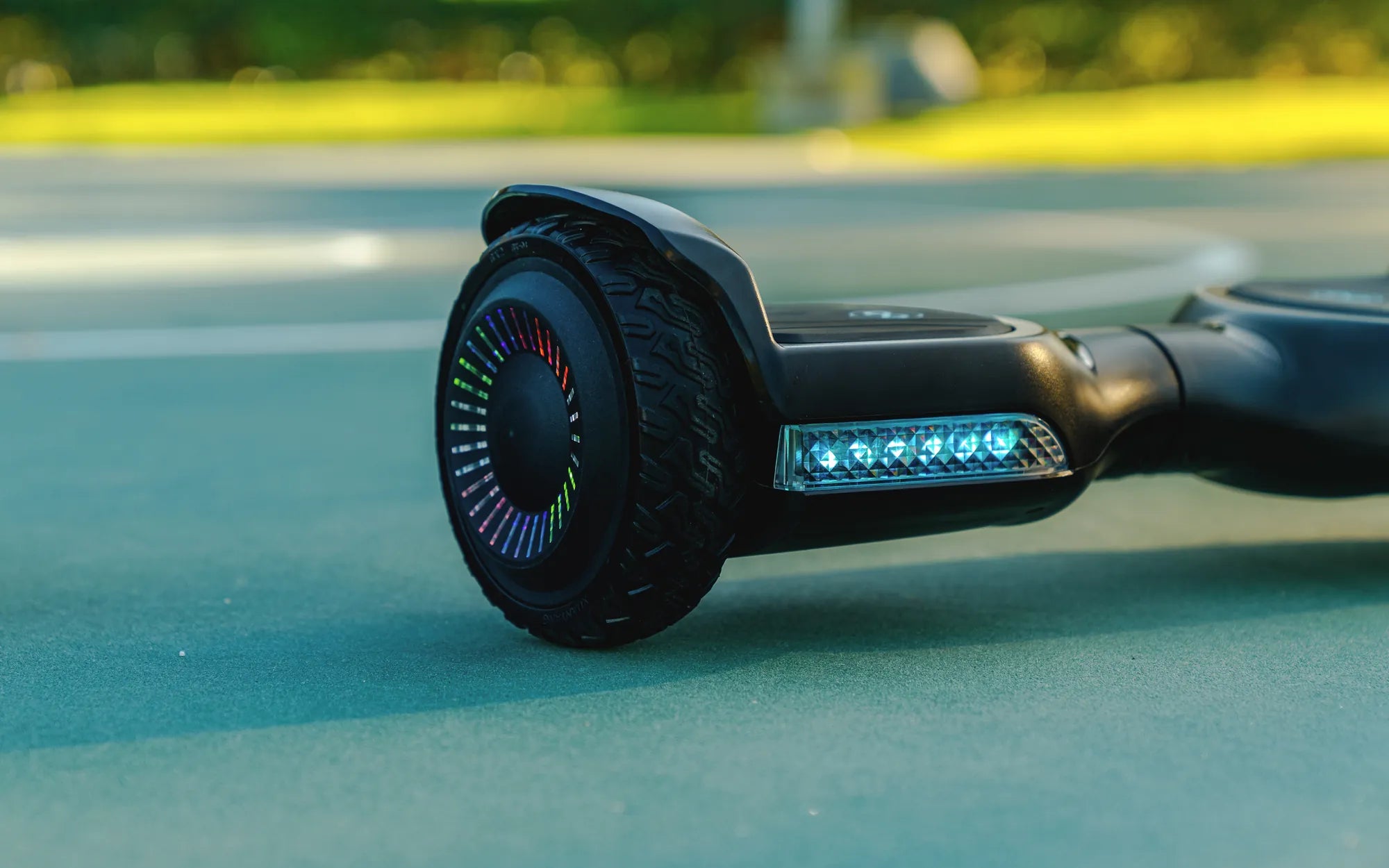
Ever wondered how fast a hoverboard can go? Whether you're a thrill-seeker or a cautious rider, understanding the speed capabilities of hoverboards is crucial for both fun and safety. These self-balancing scooters have taken the world by storm, but their speed varies based on several factors. Let's dive into the details and uncover what makes a hoverboard zoom—or crawl.
How Fast Can a Hoverboard Travel?
The average hoverboard can reach speeds between 6 to 12 miles per hour (mph). However, some high-performance models can push up to 15 mph or more. The speed depends on factors like motor power, battery life, terrain, and rider weight. For context, 12 mph is about the speed of a brisk bicycle ride, making hoverboards a quick and efficient way to get around.
Factors That Influence Hoverboard Speed
Motor Power
The motor is the heart of a hoverboard. Most hoverboards come with dual motors, typically ranging from 250W to 800W. Higher wattage means more power, allowing the hoverboard to reach faster speeds and handle inclines better. A 350W motor is standard for casual riders, while 500W or above is ideal for those seeking speed.
Battery Capacity
A hoverboard's battery determines not only how far it can go but also how fast. Lithium-ion batteries are the most common, with voltages ranging from 36V to 42V. Higher voltage often translates to better speed and performance. However, battery life degrades over time, which can gradually reduce top speed.
Terrain and Surface
Smooth, flat surfaces like pavement or indoor floors allow hoverboards to reach their maximum speed. Rough terrain, grass, or gravel can slow them down significantly. Some hoverboards are designed for off-road use with larger wheels and stronger motors, but even these have speed limitations on uneven ground.
Rider Weight
Hoverboards have weight limits, usually between 220 to 265 pounds. Exceeding this limit can strain the motors and reduce speed. Lighter riders may notice slightly faster speeds, while heavier riders might experience slower acceleration and top speed.
Safety Considerations at High Speeds
Speed is exciting, but safety should always come first. Here are some tips to ensure a smooth and secure ride:
- Wear Protective Gear: Helmets, knee pads, and elbow pads are essential, especially for beginners or high-speed riders.
- Start Slow: Get comfortable with balancing and maneuvering before attempting top speeds.
- Check Terrain: Avoid wet or uneven surfaces that could cause accidents.
- Monitor Battery Life: A low battery can lead to sudden stops or reduced speed control.
Comparing Hoverboard Speeds to Other Personal Transport Devices
Hoverboards are faster than walking (3-4 mph) but slower than electric scooters (15-20 mph) or electric skateboards (20-30 mph). They strike a balance between speed and portability, making them a popular choice for short commutes or recreational use.
How to Maximize Your Hoverboard's Speed
If you're looking to get the most out of your hoverboard, consider these tips:
- Upgrade Your Hoverboard: High-performance models with stronger motors and batteries will naturally go faster.
- Maintain Your Device: Regularly check tire pressure, battery health, and motor functionality.
- Ride on Optimal Surfaces: Stick to smooth, flat terrain for the best speed performance.
Ready to feel the wind in your hair? Whether you're cruising at 6 mph or pushing the limits at 15 mph, hoverboards offer a unique blend of speed and fun. Just remember to ride smart, stay safe, and enjoy the ride!
News About Hoverboards: The Latest Trends, Safety Concerns, and Future Innovations
Best Buy on Hoverboards: Top Picks for Every Rider