

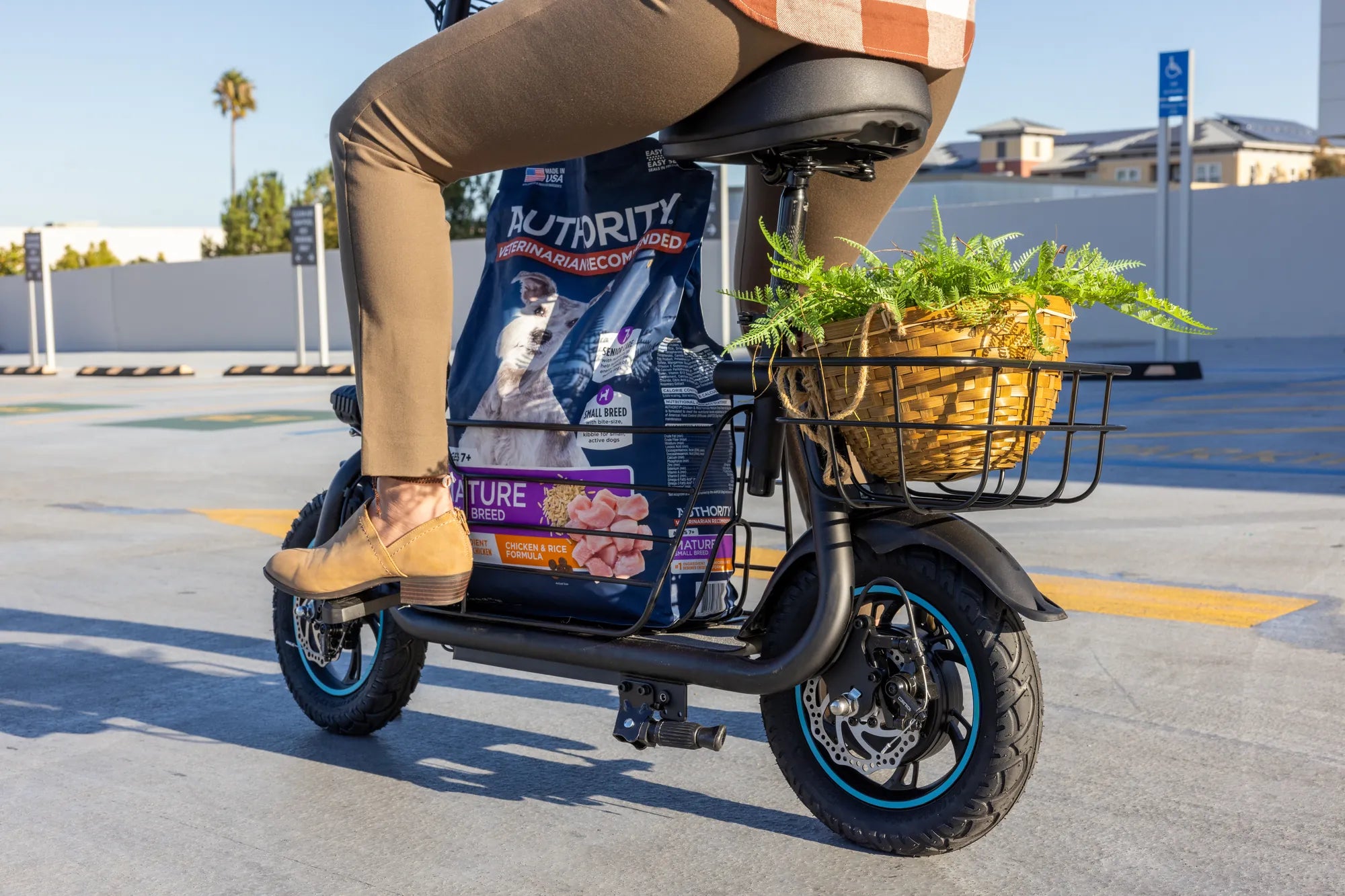
Ever wondered just how fast a scooter can go? Whether you're a daily commuter or an adrenaline junkie, scooters offer a blend of convenience and speed that makes them a popular choice for urban travel. But their top speeds vary widely depending on several factors. Let's dive into what influences a scooter's speed and what you can expect from different models.
Factors That Affect Scooter Speed
Several key elements determine how fast a scooter can go. Understanding these factors will help you choose the right model for your needs.
Engine Power and Type
The engine is the heart of any scooter, and its power directly impacts speed. Most scooters fall into two categories: gas-powered and electric. Gas-powered scooters typically have higher top speeds, ranging from 30 to 60 mph, while electric scooters usually max out between 15 and 30 mph. High-performance models, however, can push these limits even further.
Weight and Load Capacity
A scooter's speed is also influenced by its weight and the load it carries. Heavier riders or additional cargo can reduce acceleration and top speed. Manufacturers often list a maximum load capacity, and exceeding it can significantly slow down your ride.
Terrain and Road Conditions
Riding on flat, smooth surfaces allows a scooter to reach its maximum speed more easily. Hills, rough terrain, or uneven roads can slow it down. Electric scooters, in particular, may struggle on steep inclines due to their limited torque.
Types of Scooters and Their Speed Ranges
Not all scooters are built the same. Here's a breakdown of common types and their typical speed ranges.
Kick Scooters
These manual scooters rely on human power, so their speed depends entirely on the rider's effort. Most people can reach speeds of 10 to 15 mph with consistent kicking.
Electric Kick Scooters
Designed for urban commuting, these scooters offer speeds between 15 and 30 mph. Some high-end models can go even faster, but local regulations often cap their speed for safety.
Gas-Powered Scooters
With more powerful engines, gas scooters can reach speeds of 30 to 60 mph, making them suitable for longer commutes or even highway travel in some cases.
Performance Scooters
Built for speed enthusiasts, performance scooters can exceed 60 mph. These models often feature advanced engines and aerodynamic designs, but they come with a higher price tag.
Legal Speed Limits for Scooters
Before pushing your scooter to its limits, it's important to know the legal restrictions in your area. Many cities and countries impose speed limits on scooters, especially electric ones. For example, some regions cap electric scooters at 15 mph on bike lanes and 25 mph on roads. Always check local laws to avoid fines or penalties.
Safety Considerations at High Speeds
Riding a scooter at high speeds can be thrilling, but it also increases the risk of accidents. Here are some safety tips to keep in mind:
- Wear a helmet and protective gear, even for short rides.
- Ensure your scooter's brakes are in good condition.
- Avoid wet or slippery surfaces, as they reduce traction.
- Stay visible by using lights and reflective clothing, especially at night.
How to Increase Your Scooter's Speed
If you're looking to get more speed out of your scooter, consider these upgrades:
- Upgrade the battery or engine for better performance.
- Reduce weight by removing unnecessary accessories.
- Opt for smoother, high-quality tires to improve efficiency.
- Regularly maintain your scooter to ensure optimal performance.
Ready to hit the road with your scooter? Whether you're zipping through city streets or cruising on open roads, understanding your scooter's speed potential ensures a safer and more enjoyable ride. Choose the right model, follow local laws, and always prioritize safety to make the most of your two-wheeled adventure.
Gifts for Dirt Bike Riders: The Ultimate Guide to Thrilling Presents
Dirt Bike Suit: The Ultimate Guide to Choosing the Best Gear for Off-Road Riding