

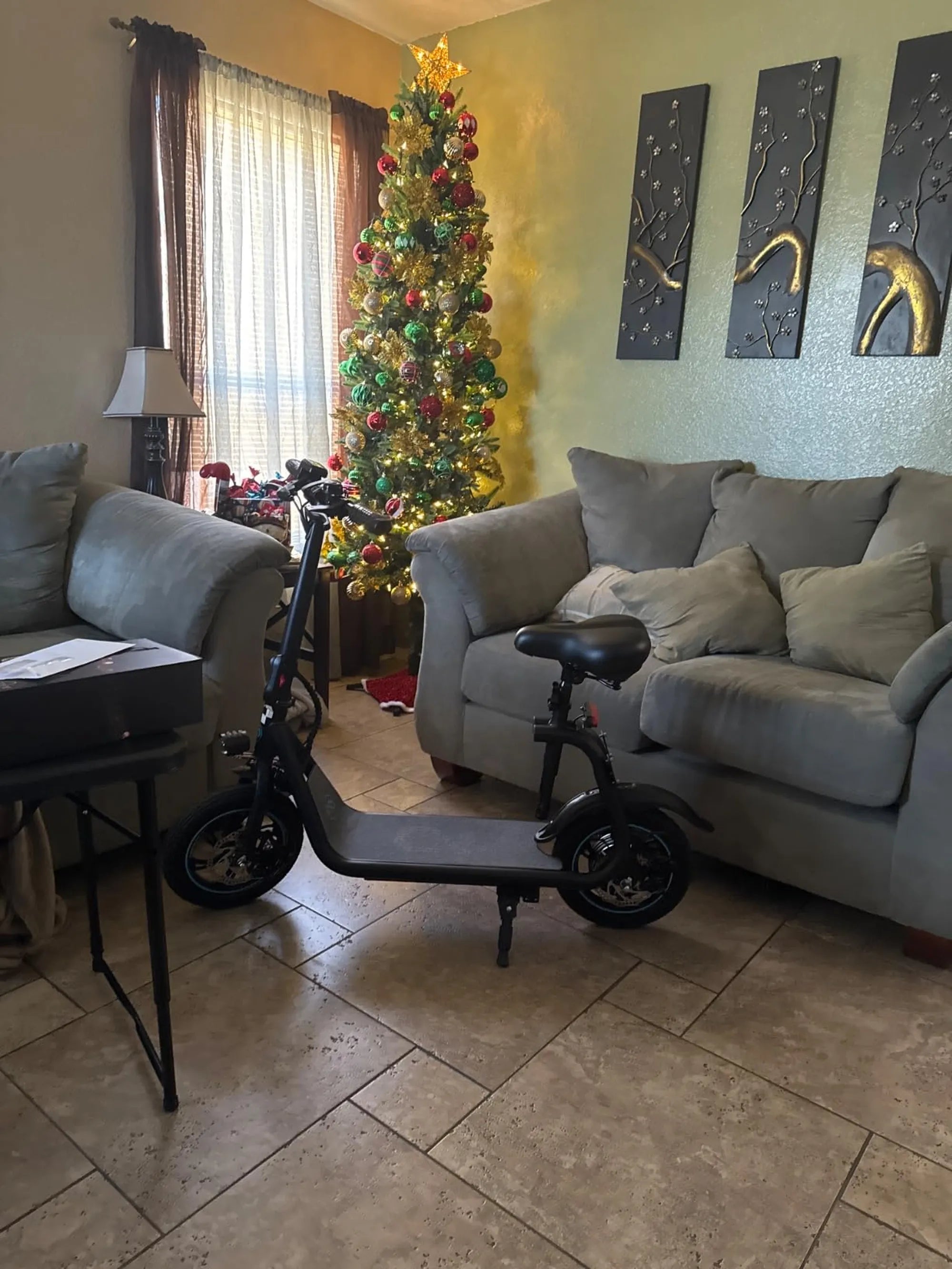
Introduction to Scooter Engine Displacement: What Does 200cc Mean?
Understanding engine displacement is crucial when evaluating scooter performance. The "cc" stands for cubic centimeters, representing the total volume of air and fuel an engine's cylinders can draw in during one combustion cycle. In simple terms, it's a primary indicator of an engine's potential power output.
A 200cc scooter occupies a strategic middle ground in the two-wheeled world. It sits distinctly above smaller 50cc and 150cc models, which are typically limited to city streets, yet remains more affordable and manageable than larger 300cc+ maxi-scooters or motorcycles. This displacement is engineered to deliver a significant power boost for confident highway merging while maintaining the scooter's classic advantages of fuel efficiency and nimble handling.
This article provides a data-driven analysis of exactly how fast is a 200cc scooter and the factors influencing its performance. We'll move beyond manufacturer claims to examine real-world speed, compare it to other commuter options, and explore why this engine size represents a perfect balance of capability and practicality for many riders.
The Real-World Speed of a 200cc Scooter: Breaking Down the Numbers
So, how fast is a 200cc scooter in practical terms? Most modern 200cc scooters have a manufacturer-stated or tested top speed ranging from 60 to 75 miles per hour (approximately 95 to 120 kilometers per hour). This range is not arbitrary; it results from specific engineering trade-offs between power, weight, and aerodynamics common to this class.
It's important to distinguish between optimal test-track top speed and real-world achievable speed. A lighter rider on a flat, smooth road with favorable wind conditions might approach the upper end of this range. However, for the average commuter with gear, facing hills or headwinds, a sustainable cruising speed will be slightly lower. The key takeaway is that a 200cc engine provides ample power for the vast majority of road situations.
Legal and Practical Speed Limits
The theoretical top speed of a 200cc scooter often exceeds practical legal limits. In the United States, most interstate highways have speed limits of 65-75 mph, while state highways and urban freeways are typically posted at 55-65 mph. A scooter capable of 70 mph is therefore fully highway-legal and competent in all 50 states, unlike smaller 50cc models which are often restricted to roads with lower speed limits.
The true performance benefit of a 200cc scooter lies not in its maximum velocity but in its strong acceleration and power reserve. This means you can comfortably maintain 65 mph on a freeway while having enough power in reserve to safely pass slower traffic or handle an incline without slowing down dramatically. This makes the question of how fast is a 200cc scooter more about confident capability than chasing a number on the speedometer.
Key Factors That Influence a 200cc Scooter's Performance
Engine displacement is just the starting point. Several interconnected factors determine the actual speed, acceleration, and ride quality of a specific 200cc model. Understanding these variables helps explain why two scooters with the same "200cc" label can perform differently.
Engine Type and Tuning (CVT vs. Manual)
The vast majority of modern 200cc scooters utilize a Continuously Variable Transmission (CVT). This automatic system uses a drive belt and variable-diameter pulleys to provide seamless, clutch-free acceleration. CVT tuning focuses on delivering strong low-end and mid-range torque, which is ideal for city riding and quick off-the-line starts, sometimes at the expense of achieving an absolute peak top speed.
Less common are 200cc scooters with manual transmissions. These typically allow a rider to extract slightly more peak horsepower at higher RPMs, potentially yielding a higher top speed for an experienced rider. However, the convenience and simplicity of the CVT make it the dominant and most user-friendly choice for the commuter market that 200cc scooters serve.
Scooter Weight and Aerodynamics
The power-to-weight ratio is a fundamental law of vehicle performance. A lighter 200cc scooter will accelerate faster and may achieve a higher top speed than a heavier model with the same engine. Manufacturers use materials like aluminum for frames and body panels to manage weight. Aerodynamics also plays a role; a scooter with a full fairing and windshield will slice through the air more efficiently at high speed than a naked, minimalist model, reducing drag and aiding stability.
Rider and Cargo Weight
This is the most variable factor in daily use. Adding a rider, passenger, or cargo directly increases the total mass the engine must propel. While a 200cc engine has enough power to handle additional weight better than a 150cc engine, performance will be impacted. A fully loaded scooter will have slower acceleration and a reduced maximum speed compared to a solo, lightly packed ride. This is a critical consideration for commuters who regularly carry gear or a second person.
200cc Scooter vs. Other Commuter Options: A Performance Comparison
To truly understand where a 200cc scooter stands, it must be compared to the common alternatives in the urban mobility landscape. The following table provides a clear, data-driven comparison of key performance and practical metrics.
| Vehicle Type | Typical Top Speed | Highway Capable? | Avg. Fuel Economy | Key Use Case |
|---|---|---|---|---|
| 50cc Scooter/Moped | 30-40 mph | No | 80-120 mpg | Short-distance city errands, campus travel |
| 150cc Scooter | 50-60 mph | Limited (short stints) | 70-100 mpg | City commuting, secondary roads |
| 200cc Scooter | 60-75 mph | Yes | 70-90 mpg | Full urban/suburban commuting, highway use |
| 300cc Scooter | 75-90+ mph | Yes (more power reserve) | 60-75 mpg | Longer highway commutes, touring with passenger |
| Standard E-Bike (for context) | 20-28 mph (legally limited) | No | N/A (electric) | Short commutes, recreational paths, low-speed mobility |
The 200cc scooter occupies a definitive sweet spot. It offers a substantial performance leap over a 150cc model, transforming a city-only vehicle into a genuinely highway-capable machine. Conversely, while a 300cc scooter offers more power, it comes with increased cost, weight, and slightly lower fuel efficiency. For the rider who needs reliable highway access for a daily commute but values agility and economy, the 200cc class is often the optimal choice. It's also in a different league than a Class 2 or 3 e-bike regarding sustained speed and range, though e-bikes excel in pedal-assist versatility and access to bike paths.
Beyond Speed: The Commuter Advantages of a 200cc Scooter
While answering how fast is a 200cc scooter is important, speed is just one component of its appeal as a daily driver. Its true value emerges from a combination of practical benefits that make commuting efficient, affordable, and even enjoyable.
Fuel Efficiency and Cost-Effectiveness
Despite their increased power, 200cc scooters remain incredibly fuel-efficient. Achieving 70-90 miles per gallon is standard, meaning fill-ups are infrequent and inexpensive. Compared to the average car achieving 25-30 mpg, the annual fuel savings for a daily commuter can be substantial. This efficiency, combined with generally lower insurance costs and minimal maintenance, makes the total cost of ownership very attractive.
Maneuverability and Parking in Urban Environments
In congested city traffic, a scooter's small footprint and light weight are superpowers. A 200cc scooter can filter through stationary or slow-moving traffic where cars cannot, dramatically reducing commute times. Parking is another major advantage; a scooter can often be parked on a sidewalk rack, in a motorcycle bay, or in a small corner of a parking lot, frequently for free or at a greatly reduced cost compared to a car.
Licensing and Insurance Considerations
In most jurisdictions worldwide, operating a 200cc scooter requires a full motorcycle license (e.g., M1/M2 in the U.S.), not just a standard car driver's license. This involves passing a written test and a skills/riding test. While this is an extra step, the training enhances safety. Insurance is mandatory but is typically far less expensive than for a car due to the scooter's lower value and reduced risk profile in accidents.
Maintenance and Reliability of the 200cc Platform
A well-maintained 200cc scooter is a remarkably reliable machine. The engineering in this segment is mature, with most models using single-cylinder, four-stroke engines that are simple and robust. Routine maintenance is straightforward and less costly than automotive maintenance.
Key maintenance tasks include regular engine oil changes (every 2,000-3,000 miles), checking and replacing the CVT drive belt and rollers as needed (around 8,000-12,000 miles), and ensuring proper tire pressure and tread wear. The air filter and spark plug require periodic service. Adhering to the manufacturer's maintenance schedule is the best way to ensure longevity and consistent performance, answering how fast is a 200cc scooter with "as fast as the day you bought it" for years to come.
Safety Gear and Riding Practices for 200cc Speeds
Riding at 60+ mph necessitates a serious commitment to safety. Appropriate gear is non-negotiable. A Department of Transportation (DOT)-certified full-face helmet provides the best protection. Abrasion-resistant jackets, pants, gloves, and over-ankle boots are essential; they protect not only in a fall but also from wind, weather, and road debris.
Riding technique must evolve with speed. On highways, maintaining a safe following distance is critical, as scooters can stop quickly but need space to be seen. Positioning in the lane to maximize visibility to car drivers, using turn signals early, and practicing defensive scanning are vital skills. Taking a Motorcycle Safety Foundation (MSF) course is highly recommended for all new riders, especially those planning to use highways.
Frequently Asked Questions (FAQs) About 200cc Scooters
Q1: Is a 200cc scooter fast enough for daily highway commuting?
A1: Yes, absolutely. A 200cc scooter is specifically designed to be highway-capable. It can comfortably cruise at 65-70 mph, allowing you to keep pace with traffic and safely merge or pass when needed. It is a popular choice for commuters who need to use freeways for part of their journey.
Q2: Can a 200cc scooter carry a passenger comfortably?
A2: Most 200cc scooters are designed for two-up riding, with a spacious passenger seat and footpegs. However, performance will be affected. Acceleration will be slower, and the achievable top speed will be reduced by 5-10 mph depending on total weight. It remains suitable for shorter trips and city travel with a passenger.
Q3: How does the maintenance cost compare to a car?
A3: Maintenance costs are significantly lower. There is no transmission fluid, coolant system, or complex emissions equipment to service. Tires, oil, filters, and belts are the primary consumables, and labor times are shorter due to simpler mechanics. Annual maintenance for a scooter is often a fraction of the cost for a car.
Q4: What is the typical real-world range on a full tank of gas?
A4: With fuel tanks typically ranging from 2.0 to 2.5 gallons and fuel economy of 70-90 mpg, you can expect a range of 140 to 225 miles on a single tank. This far exceeds the daily range needs of most commuters, meaning you'll fill up only once every week or two.
Q5: Is a 200cc scooter a good choice for a first-time rider?
A5: A 200cc scooter can be an excellent first vehicle for a responsible beginner who completes proper training. Its automatic transmission removes the complexity of learning to use a clutch and manual gearbox. The power is manageable yet sufficient to grow into, making it a scooter you are less likely to outgrow quickly compared to a 50cc or 150cc model.
Conclusion: Finding the Right Balance of Speed and Practicality
The data shows that a 200cc scooter delivers a compelling blend of performance and practicality. With a top speed of 60-75 mph, it transitions seamlessly from agile city tool to confident highway commuter. Its exceptional fuel economy, low operating costs, and urban maneuverability solve many daily transportation headaches. When you consider the total package—adequate speed for nearly all roads, stunning efficiency, and straightforward maintenance—the 200cc scooter stands out as an intelligent mobility solution.
For those whose needs extend beyond the capabilities of a traditional e-bike or smaller scooter, but who don't require the bulk and expense of a maxi-scooter or motorcycle, the 200cc class is the definitive answer. It proves that the best commuter vehicle isn't necessarily the fastest in a straight line, but the one that offers the most intelligent balance for your daily life. Always prioritize certified safety gear and ongoing rider education to enjoy the performance safely.
If the balance of efficiency and capability offered by a 200cc scooter aligns with your commute, the next step is exploring specific models. For riders also considering electric options for shorter trips or local errands, explore the innovative and reliable designs from Gyroor, a leading electric scooter and e-bike brand trusted by over 100,000 riders. Discover their range of UL-certified, IPX5 water-resistant electric scooters and e-bikes at gyroorboard.com.
Do I Need a License for a 150cc Scooter? A Complete Legal Guide
Benefits of Single Speed Bike: Simplicity, Reliability & Pure Riding Joy