



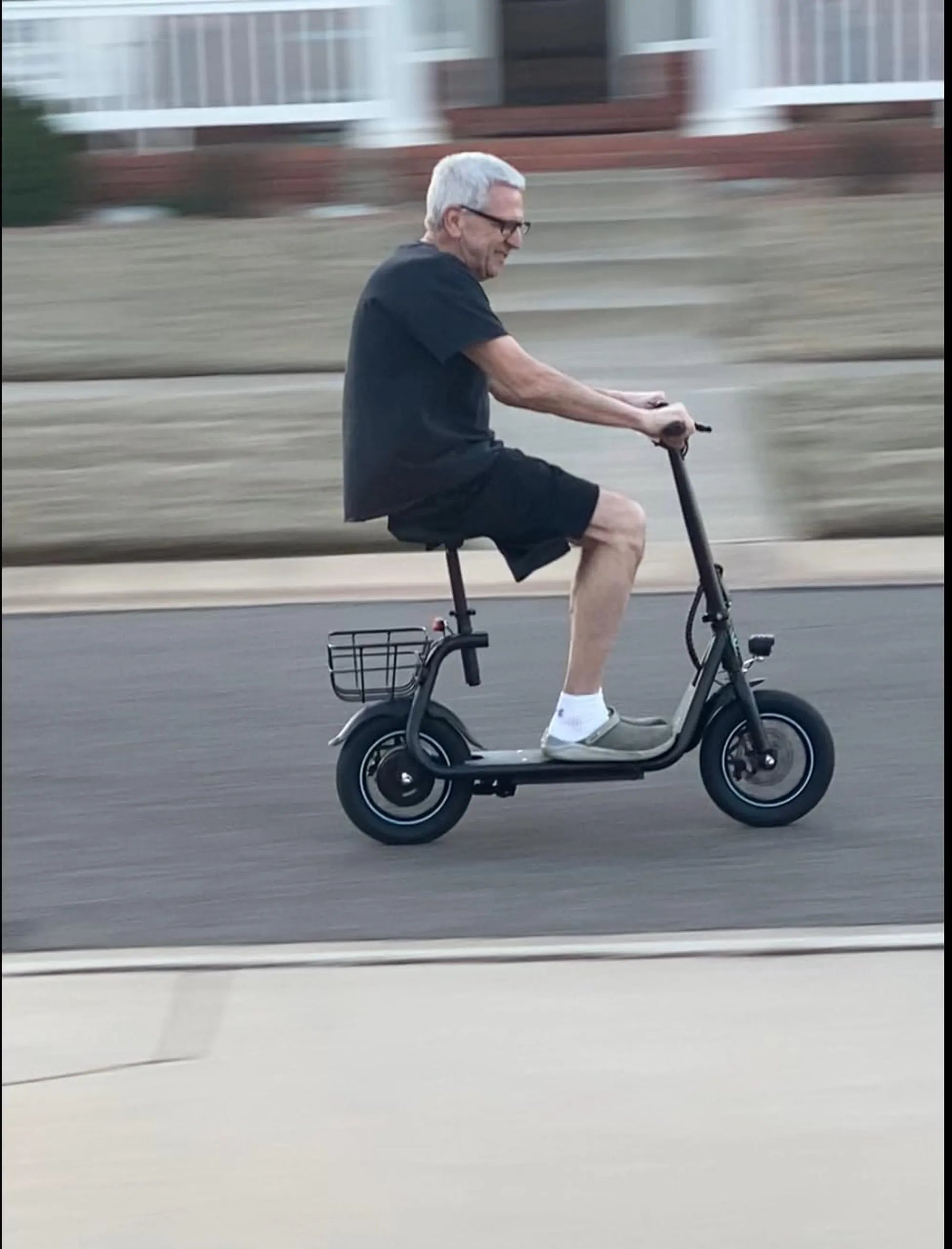
Ever wondered just how fast a 48V ebike can go? Whether you're commuting, exploring trails, or just enjoying the thrill of electric biking, understanding the speed capabilities of a 48V system can help you make the most of your ride. Let's dive into the details and uncover what makes these ebikes tick.
Understanding 48V Ebike Speed
A 48V ebike typically reaches speeds between 20 to 28 mph (32 to 45 km/h) on average, depending on various factors. The voltage of the battery plays a significant role in determining the top speed, as higher voltage generally translates to more power and faster acceleration. However, speed isn't just about the battery—it's a combination of motor power, rider input, terrain, and local regulations.
Factors Influencing Ebike Speed
Motor Power and Efficiency
The motor is the heart of your ebike's performance. A 48V system paired with a 500W motor will deliver different results compared to a 750W or 1000W motor. Higher wattage motors can push the bike to faster speeds, but they also consume more battery life. Efficiency matters too—well-designed motors maximize power output while minimizing energy waste.
Battery Capacity and Range
While voltage affects speed, battery capacity (measured in amp-hours, or Ah) determines how long you can sustain that speed. A 48V 10Ah battery will provide less range than a 48V 15Ah battery, especially at higher speeds. If you're aiming for top speed, remember that aggressive riding drains the battery faster.
Rider Weight and Terrain
Heavier riders or those carrying loads may notice slightly reduced speeds, as the motor works harder to maintain momentum. Similarly, uphill climbs or rough terrain will slow you down compared to flat, smooth roads. Aerodynamics also play a role—tucking into a streamlined position can help you squeeze out extra mph.
Legal Speed Limits
Many regions classify ebikes based on their speed capabilities. In the U.S., for example, Class 1 and Class 2 ebikes are limited to 20 mph, while Class 3 can reach 28 mph. Always check local laws to ensure your ebike complies with regulations, as exceeding limits could result in fines or restrictions.
How to Maximize Your 48V Ebike's Speed
Optimize Tire Pressure
Properly inflated tires reduce rolling resistance, allowing your ebike to glide more efficiently. Check your tire pressure regularly, especially before long rides or speed-focused outings.
Reduce Weight
Shedding unnecessary cargo or opting for lighter components (like aluminum frames) can improve acceleration and top speed. Every pound counts when you're chasing higher speeds.
Upgrade Components
While we won't mention specific brands, upgrading to high-performance tires, a more efficient motor, or a higher-capacity battery can enhance your ebike's speed. Just ensure compatibility with your 48V system.
Ride Smart
Use pedal assist strategically—combining human power with electric assistance can help you reach and maintain higher speeds. On flat stretches, engage higher assist levels, but dial it back on hills to conserve battery.
Real-World Speed Expectations
In real-world conditions, a 48V ebike will rarely hit its theoretical top speed continuously. Traffic, stops, wind resistance, and battery depletion all play a role. However, with the right setup and conditions, you can enjoy brisk, efficient rides that outpace traditional bikes with ease.
Ready to unleash the full potential of your 48V ebike? Whether you're chasing speed or simply want a smoother commute, understanding these factors will help you ride smarter and faster. The open road (or trail) awaits—how fast will you go?
How to Make a Dirt Bike Street Legal in Texas: A Complete Guide
Error 22 Ebike: Causes, Fixes, and How to Prevent It