

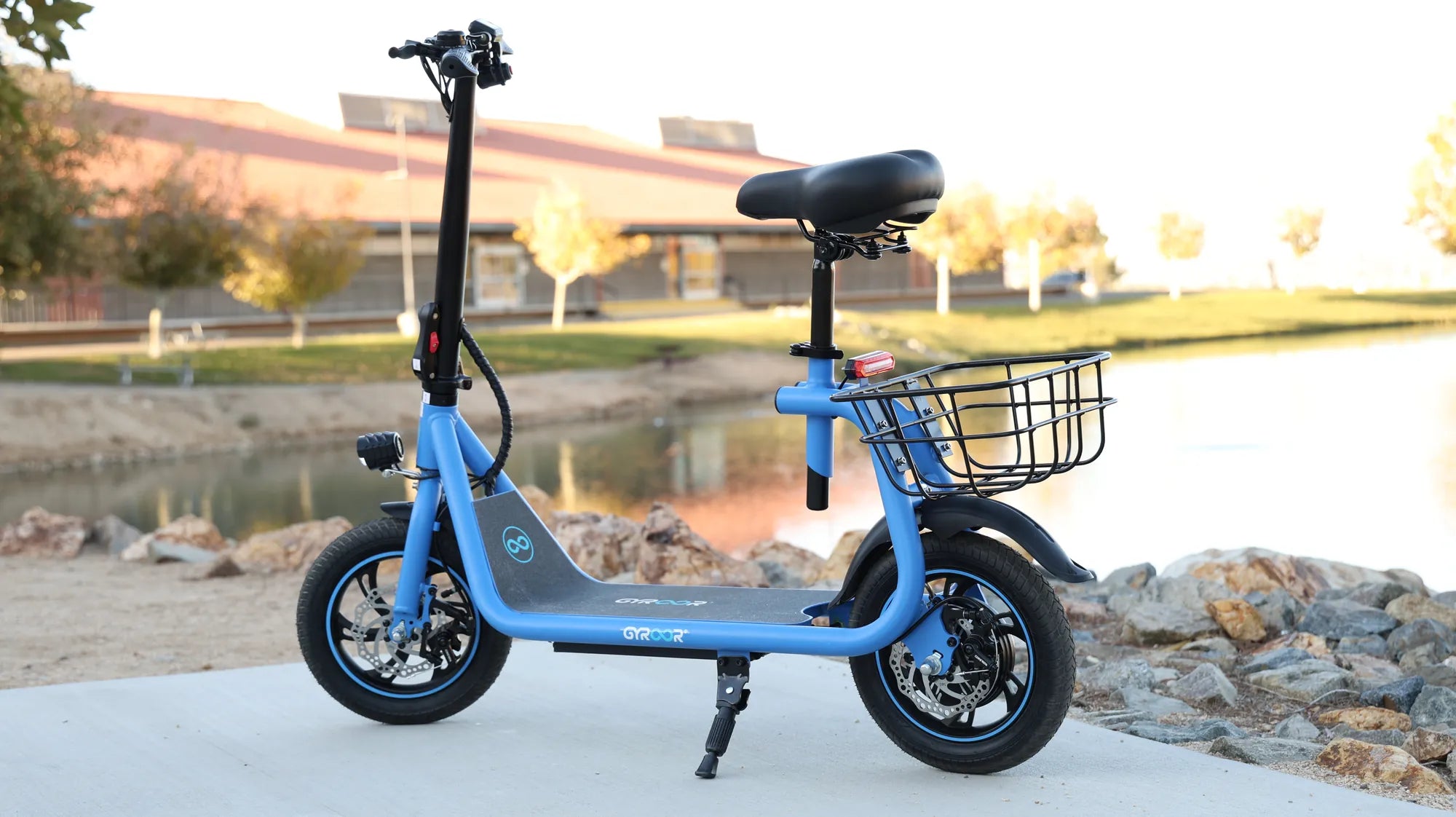
Electric scooters have revolutionized urban mobility, offering a convenient and eco-friendly way to navigate crowded streets. But one question lingers in the minds of riders and potential buyers alike: how fast should an electric scooter go? The answer isn’t as straightforward as you might think. Speed impacts safety, battery life, and even legal compliance. Let’s dive into the factors that determine the optimal speed for your electric scooter.
The Importance of Speed in Electric Scooters
Speed is a critical factor when choosing an electric scooter. Too slow, and you might find yourself frustrated during commutes. Too fast, and you risk accidents or legal trouble. Most electric scooters on the market today offer speeds ranging from 15 to 30 mph, but the ideal speed depends on several variables.
Legal Speed Limits for Electric Scooters
Before pushing your scooter to its limits, it’s essential to understand local regulations. Many cities impose speed limits on electric scooters, often capping them at 15-20 mph on public roads and bike lanes. Exceeding these limits could result in fines or confiscation. Always check your local laws to avoid legal hassles.
Safety Considerations
Higher speeds increase the risk of accidents, especially in urban environments with pedestrians and vehicles. A scooter traveling at 25 mph requires significantly more stopping distance than one going 15 mph. Riders should also consider their experience level—beginners may struggle to control faster scooters.
Battery Life and Speed
Speed directly impacts battery consumption. Riding at top speed drains the battery faster, reducing your scooter’s range. If you prioritize distance over speed, consider a scooter with a moderate top speed and efficient power management.
Terrain and Riding Conditions
Your riding environment plays a role in determining the right speed. Flat, smooth surfaces allow for higher speeds, while hilly or uneven terrain may require slower, more controlled riding. Weather conditions like rain or wind also affect stability at higher speeds.
Commuting vs. Recreational Use
For daily commuters, a speed of 15-20 mph is often sufficient to navigate city streets efficiently. Recreational riders, however, might prefer faster models for thrill-seeking adventures. Match your scooter’s speed to your primary use case.
Weight and Load Capacity
Heavier riders or those carrying loads may find that their scooter’s top speed decreases. Manufacturers often list weight limits and performance specs—ensure your scooter can handle your needs without compromising safety.
Upgrading for Speed
Some riders modify their scooters for higher speeds, but this can void warranties and increase risks. Unauthorized modifications may also make the scooter illegal for public use. Always weigh the pros and cons before making changes.
Finding the Sweet Spot
The perfect speed balances performance, safety, and practicality. For most riders, a scooter that reaches 20 mph offers the best of both worlds—enough speed for efficiency without sacrificing control or battery life.
Ready to hit the streets? Whether you’re a daily commuter or a weekend adventurer, choosing the right speed for your electric scooter ensures a smoother, safer ride. Don’t let speed compromise your experience—find the balance that works for you and enjoy the ride!
Electric Skateboards and E Scooters: The Future of Urban Mobility
Balance Board Scooter China: The Future of Urban Mobility and Fun