



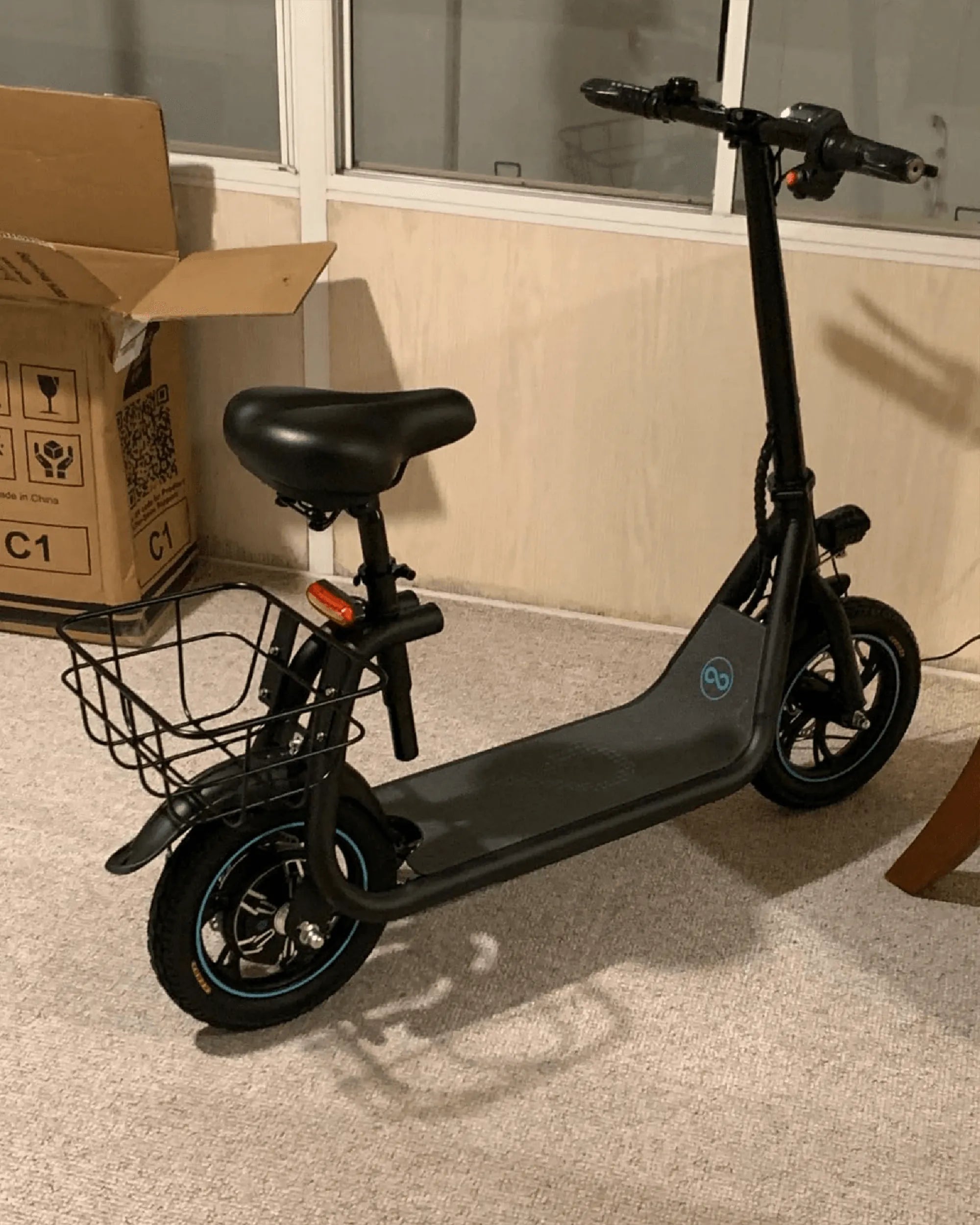
Ever wondered just how fast an electric bike can go? Whether you're a commuter looking to shave minutes off your ride or an adventure seeker craving speed, understanding the limits of your e-bike is crucial. Let's dive into the mechanics, regulations, and real-world performance that define electric bike speed.
Understanding Electric Bike Speed
Electric bikes are designed to assist your pedaling, not replace it entirely. Their speed depends on several factors, including motor power, battery capacity, rider input, and terrain. Most e-bikes fall into one of three categories, each with different speed capabilities.
Class 1, 2, and 3 E-Bikes: Speed Differences
Class 1 e-bikes provide pedal assistance up to 20 mph (32 km/h), while Class 2 models add a throttle with the same speed limit. Class 3 e-bikes offer pedal assistance up to 28 mph (45 km/h), making them the fastest street-legal option in many areas. These classifications help riders understand what to expect from their e-bike's performance.
Factors That Affect Electric Bike Speed
Several elements influence how fast your e-bike can travel:
- Motor Power: Measured in watts, higher power generally means greater speed potential
- Battery Voltage: Higher voltage systems can deliver more power to the motor
- Rider Weight: Heavier loads require more power to maintain speed
- Terrain: Hills and rough surfaces significantly impact speed
- Wind Resistance: Aerodynamics play a major role at higher speeds
- Tire Pressure: Properly inflated tires reduce rolling resistance
Legal Speed Limits for Electric Bikes
Most countries regulate e-bike speeds to ensure rider and pedestrian safety. In the United States, federal law defines electric bicycles as having a maximum assisted speed of 20 mph for Class 1 and 2, and 28 mph for Class 3. European regulations typically limit e-bikes to 25 km/h (15.5 mph) for pedal-assist models. Always check local laws as they can vary by jurisdiction.
Can You Make an Electric Bike Go Faster?
While some riders attempt to modify their e-bikes for higher speeds, this often voids warranties and may make the bike illegal for road use. Performance upgrades should be approached cautiously, considering both safety and legal implications. Professional tuning can sometimes safely increase speed within reasonable limits.
Real-World Speed Expectations
In practical terms, most riders average 15-20 mph on flat terrain with pedal assistance. Experienced riders on high-performance e-bikes might maintain 25-28 mph on straightaways. Downhill speeds can exceed these limits, but remember that braking and control become more challenging at higher velocities.
Safety Considerations at Higher Speeds
As speed increases, so do safety concerns:
- Helmets become even more critical at higher speeds
- Braking distances increase significantly
- Road hazards become more dangerous
- Other road users may not anticipate your speed
Always ride within your skill level and wear appropriate safety gear, especially when pushing speed limits.
The Future of Electric Bike Speeds
As technology advances, we may see changes in both e-bike capabilities and regulations. Improved battery technology, more efficient motors, and better aerodynamics could push performance boundaries while maintaining safety standards. Some manufacturers are already experimenting with high-speed e-bikes that blur the line between bicycles and electric motorcycles.
Whether you're looking for a leisurely cruise or an adrenaline-pumping commute, understanding your e-bike's speed potential helps you ride smarter and safer. With the right knowledge and respect for your machine's limits, you can enjoy every mile at the perfect pace for your needs.
Go Go Electric Scooter Parts: The Ultimate Guide to Maintenance and Upgrades
Electric Scooter 450W Price Egypt: Affordable and Efficient Commuting Solutions