



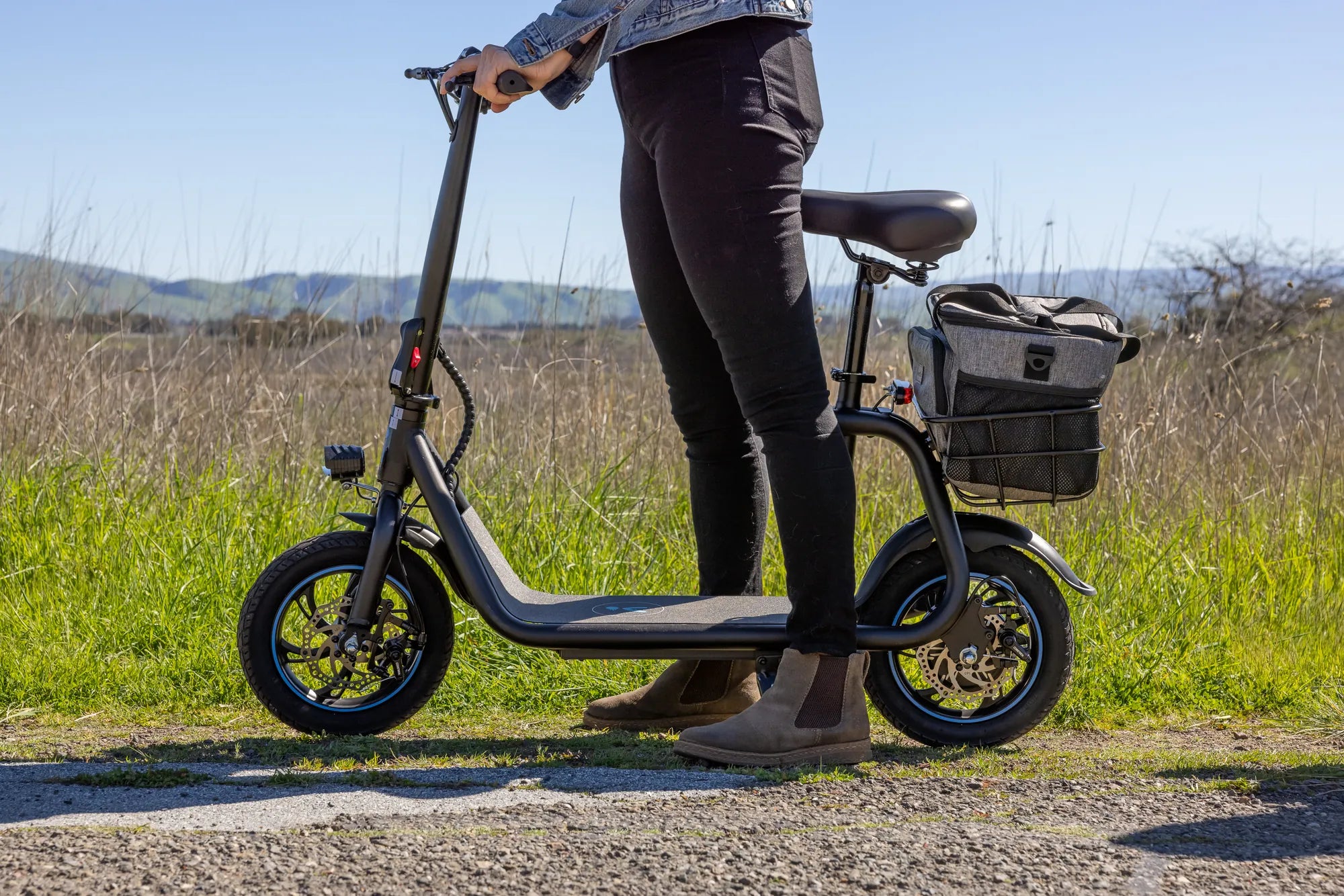
Your scooter's tires are its only point of contact with the road, directly influencing safety, performance, and comfort. The critical question for every rider is: how long do scooter tires last? The answer is not a simple mileage figure. Lifespan is a product of tire construction, riding conditions, maintenance, and rider behavior. This definitive guide will break down every factor, provide realistic lifespan ranges, and offer actionable advice to extend your tire's life and keep you riding safely.
Key Factors That Determine Electric Scooter Tire Lifespan
Understanding what wears down your tires is the first step to maximizing their life. Lifespan is dictated by a combination of material science, environmental stress, and user habits. Ignoring these variables can lead to premature wear, reduced performance, and safety hazards.
Manufacturers provide estimates, but real-world conditions are the ultimate test. A tire's durability is a balance between grip, comfort, and resistance to wear. Aggressive, sticky rubber may wear faster, while harder compounds last longer but can compromise traction.
Riding on perfectly smooth pavement is a rarity. Most urban environments present a gauntlet of challenges for your tires. Each factor interplays, meaning a heavy rider on under-inflated tires riding over rough terrain will see drastically accelerated wear.
Proactive maintenance can counteract some of these stressors. Regular checks and simple adjustments are the most effective ways to ensure you get the maximum possible life from your scooter tires before replacement is necessary.
Tire Type: Solid vs. Pneumatic (Air-Filled)
The fundamental choice between solid and pneumatic tires sets the baseline for durability and maintenance. Solid (airless) tires are typically made of a dense foam or rubber compound. Their primary advantage is puncture-proofing; they virtually never go flat.
However, solid tires often provide a harsher ride as they lack air cushioning. They can wear down evenly over a very long period, often lasting for several thousand miles, but their grip, especially in wet conditions, may be inferior to pneumatic options.
Pneumatic (air-filled) tires offer superior shock absorption, traction, and a smoother ride. This comes with the need for maintenance: they require regular pressure checks and are susceptible to punctures from glass, nails, and other road debris.
The lifespan of pneumatic tires is more variable. With proper care, they can last a long time, but a single severe puncture or chronic under-inflation can end their service life prematurely. Many premium scooters, including several Gyroor models, use pneumatic tires for their performance benefits.
Riding Terrain & Conditions: Urban Jungle vs. Smooth Pavement
Terrain is a major accelerant of tire wear. Smooth, clean asphalt is the ideal surface, causing minimal abrasion. In contrast, rough concrete, brick roads, and gravel paths act like sandpaper, gradually grinding down the tread.
Off-road or mixed-terrain riding dramatically increases wear rates. Dirt, rocks, and roots are abrasive and can cause cuts or sidewall damage. Even routine urban commuting over cracked pavement, potholes, and curbs takes a cumulative toll.
Weather conditions also play a role. Wet roads can wash away lubricating dust and increase friction slightly. Extreme heat can soften rubber, making it more prone to wear, while prolonged cold can make it brittle and susceptible to cracking.
Road debris like broken glass, metal shards, and sharp stones are the enemies of pneumatic tires. Vigilance and avoiding debris-filled bike lanes or road shoulders can prevent punctures that shorten a tire's life instantly.
Rider Weight and Riding Style
The load on the tire directly affects wear. Riding consistently at or near the scooter's maximum weight capacity puts more force on the contact patch, accelerating tread wear. Distributing weight evenly and avoiding carrying excessive cargo can help.
Riding style is perhaps the most controllable factor. Aggressive acceleration and hard braking increase scrubbing forces that wear down tread quickly. Smooth, gradual inputs preserve tire rubber.
Taking corners at high speed increases lateral force and sidewall stress, leading to uneven shoulder wear. Similarly, riding with under-inflated tires causes excessive sidewall flex and heat buildup, which degrades the rubber internally.
A conservative, smooth riding style not only extends tire life but also improves overall safety and battery efficiency. It’s a holistic approach to responsible scooter ownership.
Maintenance Habits: The Proactive Approach
For pneumatic tires, maintaining correct air pressure is the single most important maintenance task. Under-inflation causes increased rolling resistance, overheating, and uneven wear on the shoulders. Over-inflation reduces the contact patch and leads to center tread wear.
Check tire pressure at least every two weeks, and before any long ride. Use a reliable gauge, not just a visual inspection. Refer to your scooter's manual or the sidewall of the tire for the recommended PSI range.
Regular visual inspections are crucial. Look for embedded objects like small stones or glass shards in the tread. Check for cuts, cracks (dry rot), or bulges in the sidewall. Catching a small problem early can prevent a catastrophic failure.
Ensure proper wheel alignment and that axles are tightened to specification. Misaligned wheels cause tires to scrub against the pavement at an angle, leading to rapid and uneven wear. A quick check by a professional can save a tire.
What to Expect: Average Lifespans and Wear Indicators
With the influencing factors established, we can provide practical estimates. Remember, these ranges assume a mix of average conditions and reasonable maintenance. Your actual experience will vary based on the previous section's variables.
Lifespan is typically measured in miles, but time is also a factor. Rubber compounds degrade with age due to exposure to ozone, UV light, and temperature cycles, a process known as dry rot. A lightly used but old tire may still need replacement.
High-quality original equipment tires, like those used on Gyroor scooters, are designed for durability and performance. Using reputable, brand-name replacement tires is recommended to maintain the scooter's designed safety and handling characteristics.
Monitoring your tires and recognizing the signs of wear is a critical safety skill. Riding on worn-out tires drastically increases the risk of skidding, punctures, and loss of control, especially in emergency braking situations.
Realistic Mileage Ranges for Common Scooter Tires
Providing a single number for how long do scooter tires last is misleading. However, general brackets can guide expectations. For standard pneumatic tires on a commuter scooter, a typical lifespan ranges from 500 to 2,000 miles.
The lower end of this range (500-800 miles) might apply to aggressive riding on rough terrain with minimal maintenance. The higher end (1,500-2,000+ miles) is achievable with smooth riding on good pavement, proper inflation, and regular care.
Solid rubber tires generally last longer in terms of pure mileage resistance to wear, often exceeding 2,000 miles and sometimes reaching 3,000+ miles before needing replacement due to tread loss or hardening.
Performance-oriented scooters with wider, softer compound tires for better grip may see reduced lifespan in exchange for that enhanced performance. It's a trade-off between longevity and riding experience.
Visual Cues: When It's Time for a Replacement
Do not wait for a complete blowout. Proactively replace tires when these signs appear. The most common indicator is tread wear. Most scooter tires have wear bars (small raised bridges in the tread grooves). When the tread is flush with these bars, replacement is urgent.
If no wear bars are present, use the coin test. Insert a coin into the tread groove. If you can see too much of the coin's edge, the tread is too low. As a rule, tread depth below 1/16th of an inch (1.6mm) is considered unsafe.
Look for cracks in the rubber, especially on the sidewall. These fine lines, known as dry rot, indicate the rubber is breaking down from age and exposure. Cracks compromise the tire's integrity and can lead to sudden failure.
Other clear danger signs include: visible bulges or blisters (indicating internal damage), deep cuts that expose the cord or fabric beneath the rubber, and repeated loss of air pressure that cannot be traced to a repairable puncture.
The Gyroor Advantage: Engineering for Durability and Safety
Gyroor designs its electric scooters with real-world durability in mind. The brand's engineering philosophy extends beyond the motor and battery to encompass every component that affects reliability and rider safety, including the tires and their supporting systems.
By selecting quality tires and building scooters that protect them, Gyroor aims to deliver a predictable and extended tire lifespan as part of the overall ownership experience. This focus on durable design helps riders get the most value from their investment.
Durability is not just about hard parts; it's about system integration. How the wheel, suspension, frame, and tire work together affects wear patterns. Gyroor's designs are tested to ensure balanced performance and longevity.
This holistic approach is why Gyroor is trusted by over 100,000 riders across North America and Europe. The commitment to quality components is a key part of maintaining a 4.5/5 average customer rating.
Built to Withstand the Commute: IPX5 and Robust Construction
Gyroor scooters feature IPX5 water-resistant ratings. This isn't just about surviving a rain shower; it's about systemic protection. The IPX5 rating helps shield wheel hubs, bearings, and axle connections from water and dust ingress.
When these critical components are protected, they operate smoothly and without corrosion. This prevents premature wear on bearings that could lead to wheel wobble or misalignment, which in turn causes abnormal and accelerated tire wear.
Robust construction around the wheel wells and fenders also helps. Well-designed fenders prevent excessive debris from being thrown directly into the tire's path, reducing the chance of cuts and the accumulation of abrasive materials.
This protective design means that whether you encounter a wet road, a dusty path, or urban spray, the components that directly impact your tire's alignment and rotation are better safeguarded against the elements.
Commitment to Safety: The UL-Certified Battery Connection
While the UL-certification directly applies to the battery pack, it signifies a broader corporate commitment to verified safety standards. This philosophy influences the entire product, including the selection of tires.
Gyroor sources tires that meet performance and durability specifications suitable for the scooter's intended speed and load capacity. Using substandard tires would undermine the overall safety and reliability the brand promises.
The UL-certified battery itself contributes to consistent performance. A battery that delivers stable power helps prevent the erratic, high-torque motor surges that can cause excessive wheel spin and tire wear during acceleration.
This end-to-end safety mindset ensures that from the power source to the point of contact with the road, Gyroor products are built with rider security as a priority.
Riding with Confidence: The 1-Year Comprehensive Warranty
Gyroor backs its scooters with a 1-year warranty covering defects in materials and workmanship. This warranty provides a safety net for the entire vehicle system, offering peace of mind during the critical first year of ownership.
While tires are considered wear items (similar to brake pads) and are subject to the conditions of use, the warranty covers defects. An example would be a tire that fails due to a manufacturing flaw, such as a separated tread or faulty bead.
If you experience abnormal or excessively rapid tire wear that doesn't align with your riding habits, it's advisable to contact Gyroor support. It could indicate an issue with alignment or another covered component that is causing the premature wear.
Riders are encouraged to register their product online. This makes warranty service smoother and provides access to official support channels for any questions about maintenance, including tire care, to help maximize the lifespan of all components.
Maximizing Your Tire's Life: A Practical Maintenance Checklist
Extending the life of your scooter tires is straightforward with consistent habits. This actionable checklist distills the key factors into simple tasks. Implementing these steps will save you money on replacements and enhance your safety on every ride.
Think of tire maintenance as part of your pre-ride safety ritual, similar to checking your brakes. A few minutes of attention can prevent roadside issues and ensure optimal performance. Consistency is more important than complexity.
These tips apply universally but are especially critical for pneumatic tires. For solid tire owners, focus on the inspection and riding style recommendations, as pressure checks are not applicable.
Adopting these habits will give you a clearer, more personalized answer to how long do scooter tires last for your specific situation, likely pushing you toward the higher end of the lifespan estimates.
- Check and Maintain Tire Pressure Weekly: Use a digital gauge for accuracy. Inflate to the manufacturer's recommended PSI (found in the manual or on the tire sidewall).
- Conduct a Visual Inspection Before Each Ride: Quickly scan for obvious damage, embedded debris, or significant loss of pressure. Look for cuts, cracks, or bulges.
- Clean Debris from Treads Regularly: Use a stick or tire lever to remove small stones, glass, or metal shards that could work their way deeper into the tire.
- Adapt Your Riding to Conditions: Slow down on rough terrain, avoid potholes and curbs when safe to do so, and brake smoothly rather than abruptly.
- Be Mindful of Load: Try not to consistently ride at the maximum weight limit. Distribute any carried cargo evenly.
- Store Your Scooter Properly: Keep it in a cool, dry place away from direct sunlight and extreme temperatures to slow rubber degradation (dry rot).
Frequently Asked Questions (FAQ)
Riders often have specific questions after understanding the basics of tire lifespan. This section addresses common concerns with clear, direct answers to help you make informed decisions about tire care and replacement.
These questions reflect real-world scenarios faced by commuters and casual riders. The answers are designed to be practical, reinforcing the article's core themes of proactive maintenance and safety-first decision-making.
If your question isn't covered here, consulting your scooter's official manual or reaching out to the manufacturer's customer support (like Gyroor's team) is always the best course of action for model-specific advice.
Can I replace my scooter tires myself?
It depends on your mechanical skill and the scooter model. Some scooters have split rims or simple bolt-on wheels, making tire changes relatively straightforward with the right tools (tire levers, wrenches).
Many modern scooters, however, have motors integrated into the rear wheel hub (hub motors). Changing a tire on a hub motor can be complex, involving delicate wiring and precise reassembly. Incorrect handling can damage the motor.
For most riders, having tires replaced by a professional bike or scooter mechanic is the safest and most reliable option. They have the expertise and tools to ensure the job is done correctly, preserving your warranty and safety.
If you attempt a DIY replacement, ensure you purchase the exact tire size and type specified for your model. Consult detailed tutorials for your specific scooter, and consider the value of your time versus the cost of professional service.
Are expensive "premium" tires worth it?
Generally, yes. Tires from reputable brands are worth the investment. They typically use higher-quality rubber compounds that offer a better balance of grip, wear resistance, and puncture protection.
Premium tires often have more sophisticated tread patterns for better water dispersion (reducing hydroplaning risk) and may include built-in puncture-resistant layers or sealants. This enhanced safety and durability can be cost-effective over the tire's lifespan.
Gyroor equips its scooters with quality tires appropriate for each model's performance profile. When it's time for a replacement, opting for a tire of similar or better quality from a known brand is recommended to maintain the scooter's designed handling and safety.
Avoid unknown, ultra-cheap tires, as they may use inferior materials that wear quickly, offer poor grip, or are more prone to failure, compromising your safety for minimal upfront savings.
How does tire wear affect my scooter's battery life?
Significantly. Worn or under-inflated tires increase rolling resistance—the force opposing the scooter's motion. The motor must work harder to overcome this resistance, drawing more current from the battery.
This increased energy demand directly reduces your per-charge range. You might find your scooter's battery depleting faster than usual even for your regular commute if the tires are in poor condition.
Maintaining correct tire pressure is one of the easiest ways to maximize battery efficiency. Properly inflated, healthy tires ensure the motor and battery operate at their optimal efficiency, delivering the maximum possible range advertised by the manufacturer.
Think of it as a cycle: good tire maintenance extends tire life, preserves battery range, and reduces overall operating costs.
What is the difference between tubeless and tubed tires for scooters?
Most adult electric scooters use tubeless tires, similar to cars and many bicycles. The tire forms an airtight seal directly against the wheel rim. Tubeless setups can often seal small punctures automatically with sealant and are less prone to sudden "pinch flats" caused by hitting curbs.
Tubed tires have a separate inner tube that holds the air inside the tire. They are more common on smaller, lighter scooters. Tubes are more vulnerable to pinch flats and punctures but are generally easier and cheaper to repair by simply replacing the inner tube.
Tubeless tires are generally considered superior for performance and puncture resistance on electric scooters. If your scooter is tubeless, use tubeless-compatible replacement tires and consider adding a tubeless sealant for added protection.
Always verify which type your scooter uses before purchasing replacements. Using the wrong type can be dangerous and will not fit correctly.
Can I use tire sealant to prevent flats?
Yes, for pneumatic tires, tire sealant (like Slime or similar brands) is an excellent proactive measure. It is a liquid that is injected into the tire through the valve stem. It coats the inner surface and can automatically seal small punctures (typically from nails, thorns, or glass shards) as they happen.
Sealant can significantly reduce the incidence of flats from common road hazards, extending the functional life of your tire. It is particularly useful for commuters who frequently ride in areas with debris.
It's important to use a sealant compatible with your tire type (tubed or tubeless) and to check the manufacturer's recommendations. Some sealants need to be refreshed every 6 months to 2 years as they dry out.
Note that sealant cannot repair large gashes or sidewall damage. It is a preventative aid for small punctures, not a substitute for proper tire maintenance and timely replacement when wear dictates.
Comparison of Scooter Tire Types
Choosing the right tire type involves trade-offs. This table summarizes the key characteristics of solid, pneumatic (tubed), and tubeless pneumatic tires to help you understand their impact on the question of how long do scooter tires last.
| Tire Type | Durability (Puncture) | Ride Comfort | Maintenance Required | Typical Lifespan (Miles) | Best For |
|---|---|---|---|---|---|
| Solid (Airless) | Excellent - No flats | Fair - Harsher ride | Very Low - No pressure checks | 2,000 - 3,000+ | Riders prioritizing zero maintenance and puncture-proofing over comfort. |
| Pneumatic (With Tube) | Good - Susceptible to punctures/pinch flats | Very Good - Cushioned ride | Moderate - Regular pressure checks, tube repairs | 500 - 1,500 | Budget-friendly models; easier DIY tube replacement. |
| Tubeless Pneumatic | Very Good - Better puncture resistance, can use sealant | Excellent - Best cushioning and grip | Moderate - Regular pressure checks, sealant refresh | 1,000 - 2,000+ | Most commuter and performance scooters (like many Gyroor models); balance of comfort and reliability. |
Ride Farther, Ride Safer
The lifespan of your scooter tires is a direct reflection of your riding environment and care habits. By understanding the factors at play—from tire type and terrain to pressure maintenance and riding style—you gain control over this critical component's longevity. Regular visual inspections and simple weekly checks are your best tools for safety and cost savings. Investing in quality tires and maintaining them properly ensures optimal performance, maximizes your scooter's range, and keeps you secure on every journey. For riders seeking a scooter built with this durability-first philosophy from the ground up, explore engineering designed to endure.
Browse the full Gyroor collection of durable, UL-certified electric scooters and e-bikes at gyroorboard.com.
125 2 Stroke Dirt Bike Top Speed: The Ultimate Guide to Performance
Scooter Canada: The Complete Guide to Laws, Features & Best Models