


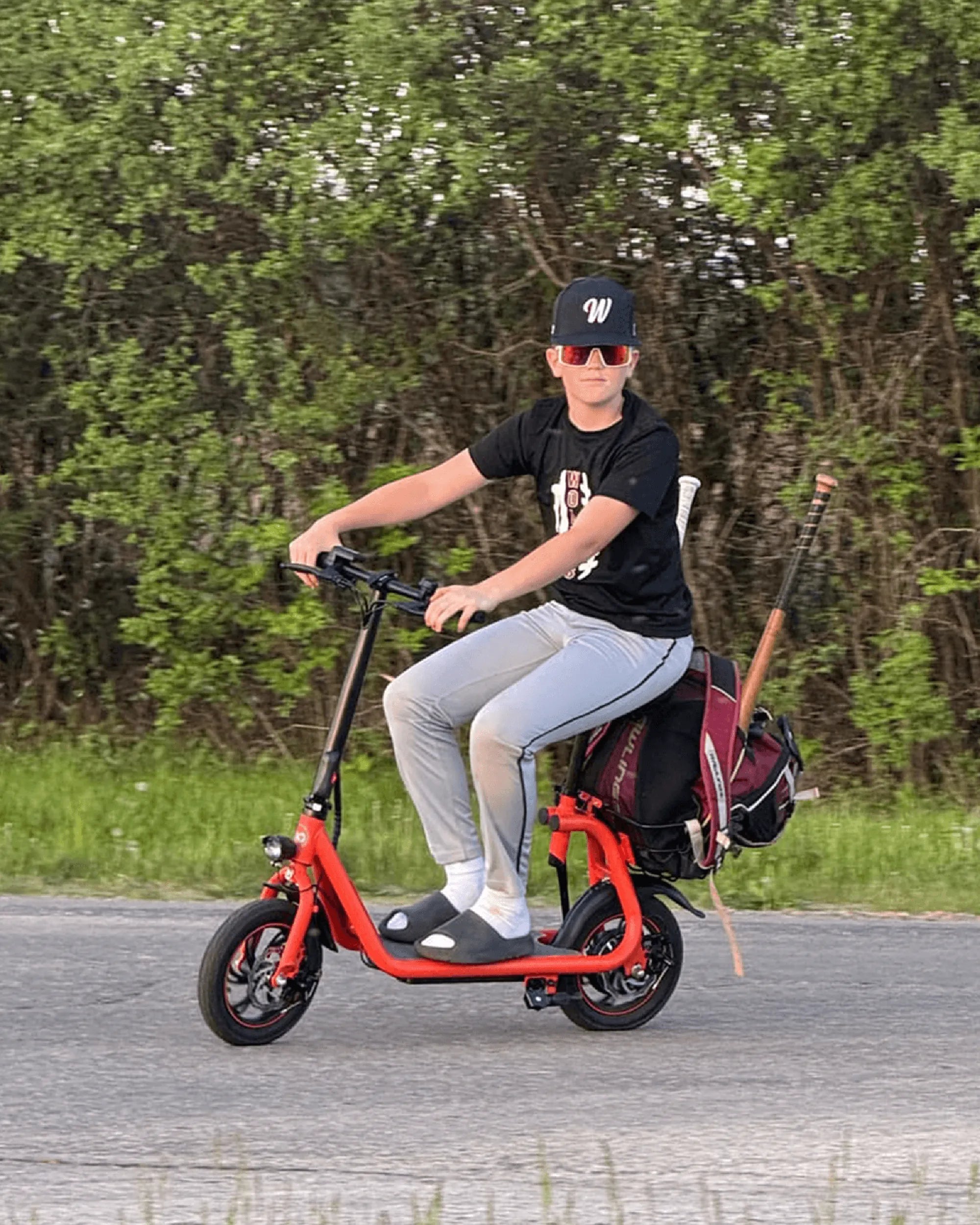
Electric scooters have become a popular mode of transportation, offering convenience, eco-friendliness, and cost savings. But one of the most common questions riders ask is: how many km can an electric scooter last? The answer depends on several factors, including battery capacity, riding conditions, and maintenance habits. In this guide, we’ll break down everything you need to know to get the most out of your electric scooter’s range and longevity.
Battery Capacity and Range
The primary factor determining how many kilometers an electric scooter can last is its battery capacity, typically measured in watt-hours (Wh). A higher-capacity battery stores more energy, allowing the scooter to travel farther on a single charge. For example, a scooter with a 250Wh battery might last 20-30 km, while a 500Wh battery could extend the range to 40-60 km.
Riding Conditions and Terrain
Your riding environment plays a significant role in your scooter’s range. Flat, smooth surfaces allow for optimal efficiency, while hilly or rough terrain forces the motor to work harder, draining the battery faster. Similarly, frequent stops and starts in urban areas can reduce overall range compared to steady cruising on open roads.
Rider Weight and Payload
The heavier the rider and any additional cargo, the more energy the scooter needs to move. Most electric scooters are designed for riders weighing up to 100 kg, but exceeding this limit can significantly reduce the scooter’s range. Always check the manufacturer’s recommended weight limit to ensure optimal performance.
Speed and Riding Style
Higher speeds consume more battery power due to increased wind resistance and motor strain. Riding at a moderate, consistent speed can help maximize range. Aggressive acceleration and braking also waste energy, so adopting a smoother riding style can extend your scooter’s kilometers per charge.
Tire Pressure and Maintenance
Proper maintenance is crucial for maximizing your scooter’s range. Underinflated tires create more rolling resistance, forcing the motor to use extra energy. Regularly check tire pressure and keep your scooter clean and well-lubricated to ensure efficient operation.
Battery Health and Charging Habits
Over time, all batteries degrade, reducing their capacity and range. To prolong your scooter’s battery life, avoid overcharging or letting the battery drain completely. Store your scooter in a cool, dry place, and follow the manufacturer’s charging recommendations.
Weather and Temperature Effects
Cold weather can temporarily reduce battery performance, shortening your scooter’s range. If you live in a colder climate, try to store your scooter indoors and allow the battery to warm up before riding. Extreme heat can also damage the battery over time, so avoid leaving your scooter in direct sunlight for extended periods.
Calculating Real-World Range
Manufacturers often advertise the maximum range under ideal conditions, but real-world usage typically yields lower numbers. To estimate your scooter’s actual range, consider factors like your weight, riding style, and terrain. Some riders track their trips to get a more accurate sense of their scooter’s performance.
Tips to Extend Your Scooter’s Range
- Charge the battery before it drops below 20%.
- Use eco or power-saving modes when possible.
- Avoid carrying unnecessary weight.
- Plan routes with fewer hills and stops.
- Keep your scooter well-maintained.
By understanding the factors that influence your electric scooter’s range, you can make informed decisions to get the most out of every charge. Whether you’re commuting daily or enjoying weekend rides, optimizing your scooter’s performance ensures a smoother, longer-lasting experience. Ready to hit the road with confidence? Your next ride could be farther than you think!
Where to Go to Get Electric Scooter Fixed: A Complete Guide
Best Electric Scooter for 250 lbs: Top Picks for Heavy Riders