



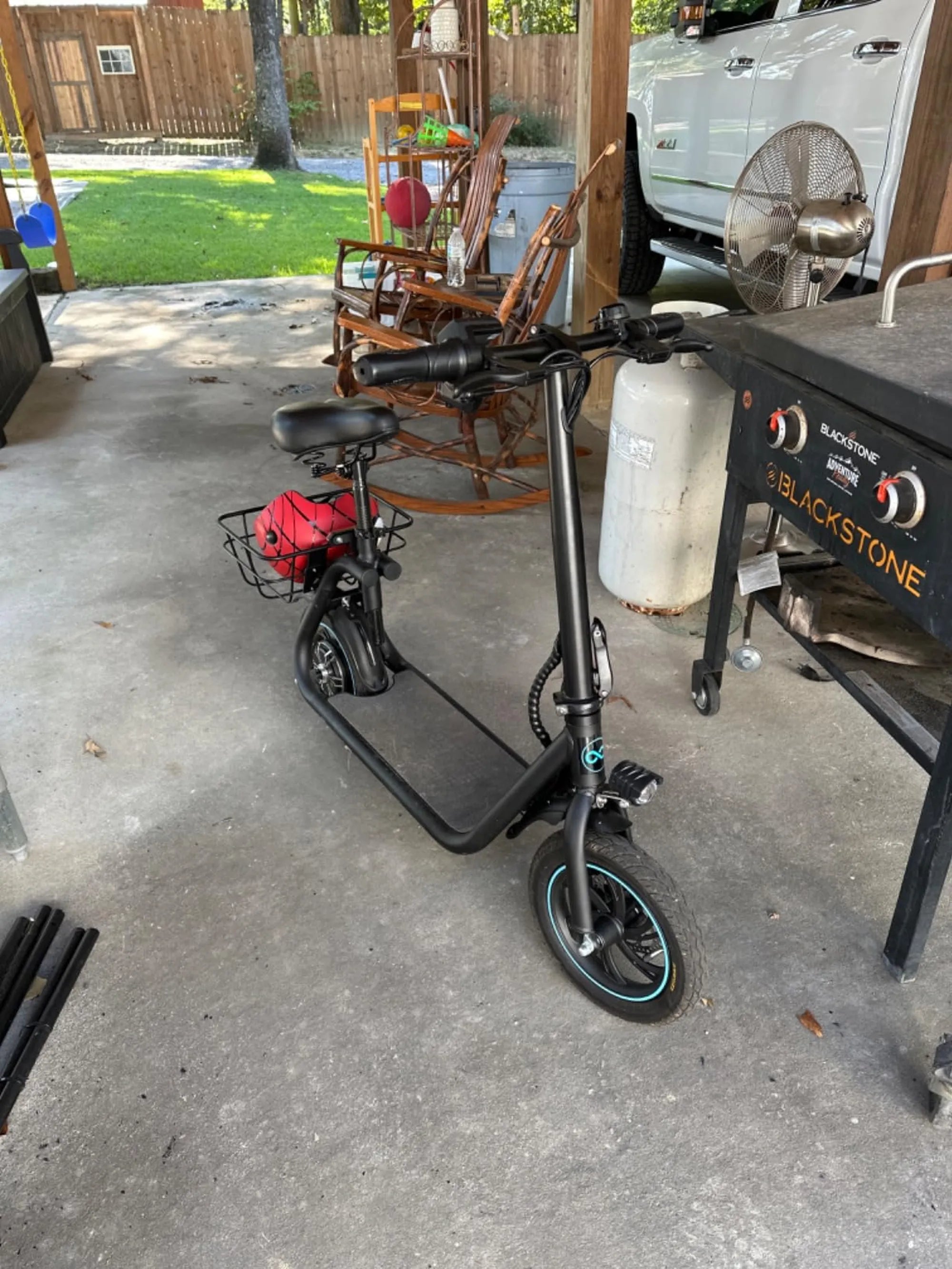
Electric scooters have become a popular mode of transportation, offering convenience, eco-friendliness, and fun. But one of the most critical factors in choosing the right scooter is understanding how many watts it should have. Whether you're a daily commuter or a casual rider, wattage plays a significant role in speed, range, and overall performance. Let's dive into the details to help you make an informed decision.
Understanding Electric Scooter Wattage
Wattage refers to the power output of an electric scooter's motor. It determines how much energy the motor can convert into motion, directly impacting speed, acceleration, and hill-climbing ability. Higher wattage generally means better performance, but it also affects battery life and cost. Here's a breakdown of common wattage ranges and their implications:
- 250W to 350W: Ideal for flat terrains and short commutes. These scooters are lightweight and energy-efficient but may struggle on hills.
- 500W to 800W: A balanced choice for urban riders. They offer decent speed and can handle moderate inclines.
- 1000W and above: Built for power and speed. These scooters excel on steep hills and rough terrains but consume more battery.
Factors to Consider When Choosing Wattage
Your ideal wattage depends on several factors, including your riding style, terrain, and weight. Here's what to keep in mind:
1. Terrain and Elevation
If you live in a hilly area, a higher-wattage scooter (500W or more) is essential. Lower-wattage models may overheat or slow down significantly on inclines.
2. Rider Weight
Heavier riders need more power to maintain speed and acceleration. A 250W scooter might suffice for a lightweight rider, but someone over 200 lbs should consider at least 500W.
3. Speed Requirements
Higher wattage translates to faster speeds. If you prioritize speed, opt for a 750W or 1000W motor. However, always check local regulations, as some areas impose speed limits on electric scooters.
4. Battery Life
More power means higher energy consumption. If you need a long-range scooter, balance wattage with battery capacity to avoid frequent recharging.
Common Misconceptions About Wattage
Many riders assume that higher wattage always means a better scooter, but that's not necessarily true. Here are a few myths debunked:
- Myth 1: Higher wattage guarantees longer range. (Reality: Range depends on battery capacity, not just motor power.)
- Myth 2: All 500W scooters perform the same. (Reality: Efficiency, build quality, and motor type also matter.)
- Myth 3: Lower wattage scooters are unsafe. (Reality: They're perfectly safe for casual riding on flat surfaces.)
How to Test a Scooter's Wattage Performance
Before purchasing, test the scooter's performance in real-world conditions. Pay attention to:
- Acceleration from a standstill
- Speed on flat ground vs. inclines
- Battery drain during continuous use
If possible, read reviews or ask for a demo ride to gauge how the wattage meets your needs.
Final Thoughts on Choosing the Right Wattage
Selecting the perfect wattage for your electric scooter isn't just about picking the highest number. It's about matching power to your lifestyle, terrain, and budget. A 350W scooter might be perfect for a student zipping across campus, while a 1000W beast could be the best fit for an adventurous rider tackling steep hills. Whatever your choice, prioritize safety, efficiency, and comfort to ensure a smooth ride every time.
Ready to find your ideal electric scooter? Start by assessing your needs and testing different models to see how wattage impacts your ride. The right scooter is out there—just make sure it has the power to keep up with you!
Kansas Mountain Biking: Exploring the Best Trails and Hidden Gems
Mountain Biking Trumbull County: Trails, Tips, and Thrills