



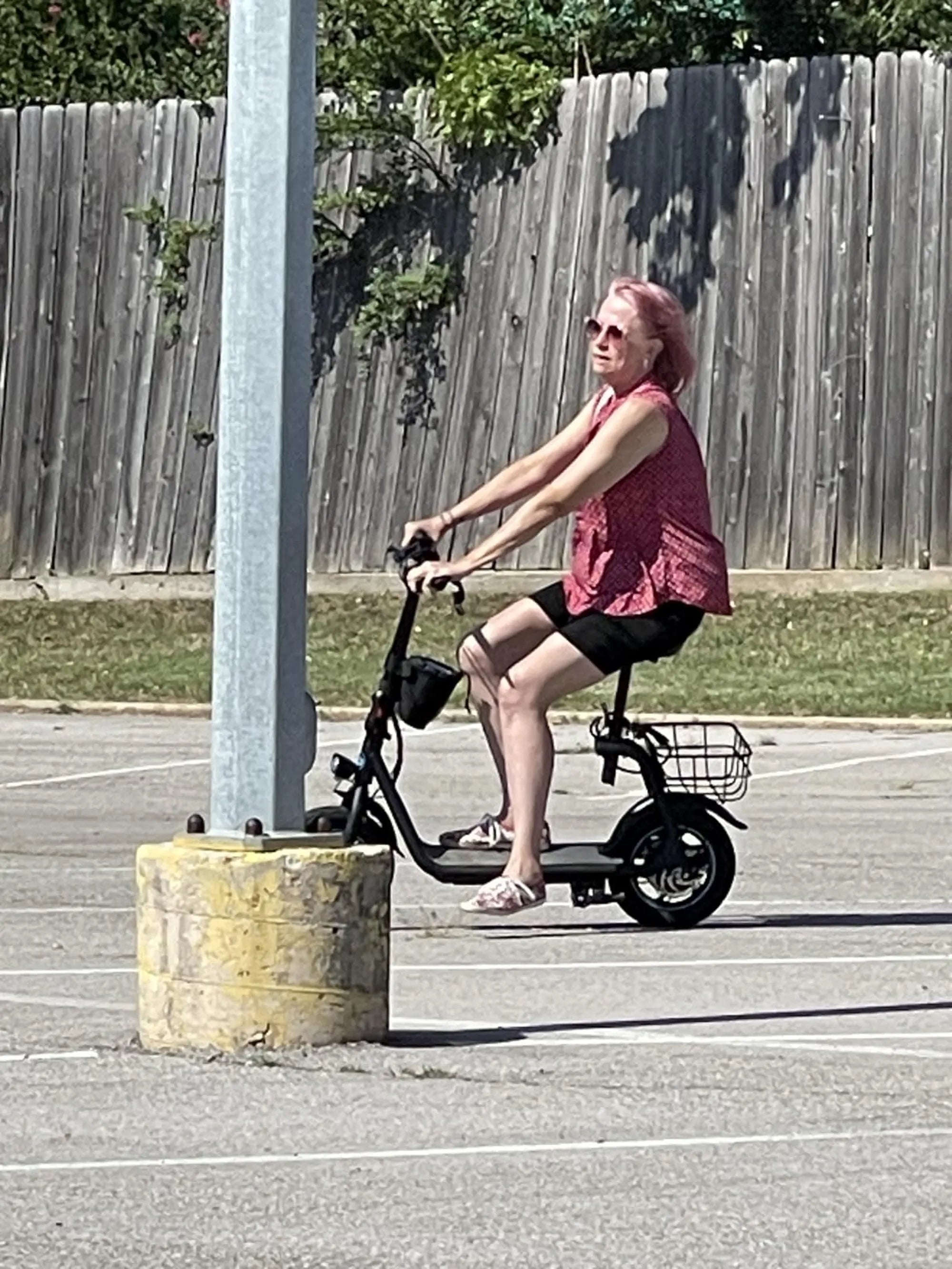
Electric scooters for adults span a dizzying price range from a few hundred to several thousand dollars, creating confusion for first-time buyers and seasoned riders alike. This guide cuts through the noise, providing a detailed breakdown of what you're actually paying for when you purchase an adult electric scooter. We'll explore the core components that determine cost, analyze current market tiers, and reveal the true long-term cost of ownership. By the end, you'll know exactly how much to budget and how to identify the best value, whether you're commuting five miles or seeking weekend adventure. Understanding how much are electric scooters for adults requires looking beyond the sticker price to performance, safety, and durability.
Navigating the Electric Scooter Price Landscape
The question of how much are electric scooters for adults lacks a single answer because the market caters to vastly different needs. A scooter built for a smooth, two-mile campus commute differs fundamentally from one designed to tackle steep hills on a ten-mile daily round trip. Price directly reflects these capabilities, along with the quality of materials and the safety standards engineered into the vehicle.
Consumers often face a choice between surprisingly low-priced options and premium models that cost as much as a used car. This disparity exists for good reason. The cheapest models typically make significant compromises on battery life, motor power, and structural integrity, which can affect both performance and safety. Our goal is to empower you to make an informed decision that balances your budget with your requirements for reliability, range, and ride quality.
Throughout this guide, we'll reference industry standards and specific features to provide context. For instance, brands like Gyroor, a leading electric scooter and e-bike brand trusted by over 100,000 riders across North America and Europe, compete primarily in the mid-range market. They emphasize value through UL-certified batteries, IPX5 water-resistant designs, and reliable 1-year warranties—features that directly impact both upfront cost and long-term ownership satisfaction.
Ultimately, determining how much are electric scooters for adults should cost for you is a personal calculation. It hinges on your daily distance, typical terrain, desired speed, and how much you value peace of mind regarding safety and warranty support. Let's begin by dissecting the engineering and components that create these price differences.
The Core Factors That Determine Electric Scooter Price
The cost of an electric scooter isn't arbitrary. It's a direct function of the components used, the technology implemented, and the quality of construction. When you understand what each part contributes, you can decode a spec sheet and understand exactly where your money is going.
Motor Power & Performance: 250W vs. 500W vs. 1000W+
Motor wattage is one of the most significant cost drivers. A 250W motor is common in budget and lightweight commuter scooters, suitable for flat terrain and riders under average weight. It provides adequate acceleration for last-mile trips but may struggle on inclines. Stepping up to a 500W-800W motor, common in the mid-range, offers noticeably better acceleration, higher top speeds (often 19-25 mph), and the torque needed for moderate hills.
High-performance and dual-motor scooters feature motors from 1000W to over 2000W total. These systems deliver exhilarating acceleration, top speeds exceeding 30 mph, and exceptional hill-climbing ability. The engineering, cooling systems, and electronic controllers required for this power level contribute substantially to a higher price tag. For the average urban commuter, a single 500W-800W motor represents the best balance of performance and value.
Battery Capacity & Range: The Heart of the Investment
The battery is the most expensive single component in an electric scooter. Capacity, measured in watt-hours (Wh), dictates how far you can travel on a single charge. A larger, higher-quality battery with more watt-hours means a longer range and a higher price. Many budget scooters advertise a "15-mile range," but this is often under ideal laboratory conditions; real-world range can be half that, especially for heavier riders or in cold weather.
Battery quality is paramount. Cheap, uncertified lithium-ion cells are a primary cause of performance degradation and safety hazards. Investing in a scooter with a UL-certified battery pack, like those used by Gyroor, ensures the cells have undergone rigorous testing for stability, charge cycles (typically 500+), and safety. This certification adds cost but is a non-negotiable for safety-conscious buyers and a key reason for price variations between models with similar advertised ranges.
Build Quality, Materials, and Durability Features
The frame's material dramatically affects weight, durability, and cost. Heavy steel frames are cheap but impractical for portability. Aerospace-grade aluminum alloys are the standard for mid-tier and premium scooters, offering an excellent strength-to-weight ratio. Some ultra-premium models use carbon fiber to shed every possible ounce, commanding a luxury price.
Suspension and braking systems are other critical differentiators. Basic scooters have no suspension or only simple spring shocks, leading to a jarring ride on imperfect pavement. Mid-range models often feature combination spring or hydraulic suspension for comfort. Premium scooters employ advanced hydraulic or rubber cartridge systems. Similarly, brakes evolve from basic foot or electronic brakes to responsive disc brakes (mechanical or hydraulic) as you move up in price, directly impacting stopping power and safety.
Additional Features That Add to the Cost
Convenience and technology features also influence the final price. A simple LED display showing speed and battery level is standard. Advanced full-color digital displays with Bluetooth connectivity, customizable ride modes, and detailed trip data are premium upgrades. Integrated lighting systems—bright headlights, brake lights, and deck accent lights—enhance safety and aesthetics but add to component costs.
Portability engineering, such as a robust, one-click folding mechanism, adds complexity and cost. Other value-adds include wider, air-filled tires for stability, built-in charging ports for phones, and accessory mounts. When evaluating how much are electric scooters for adults, consider which of these features are "nice-to-have" versus essential for your daily use.
Electric Scooter Price Tiers: What to Expect in 2024
The adult electric scooter market stratifies into four clear tiers. Each tier serves a specific type of rider and use case, with corresponding specifications and build quality.
Budget / Entry-Level ($300 - $600)
This tier is defined by compromise. Scooters here are suitable for very short, infrequent trips on perfectly flat, smooth terrain. Expect a motor between 250W and 350W, a top speed of 15-18 mph, and a real-world range of 8-12 miles. Frames are often heavier steel or lower-grade aluminum. Brakes are typically basic electronic or foot-actuated, and suspension is minimal or absent.
Batteries in this range are smaller (around 180-250Wh) and rarely feature major safety certifications. Warranties are often short (90 days to 6 months) and may have limited coverage. While the upfront cost is low, the longevity and reliability of these models are uncertain. They can be a cost-effective introduction for a casual rider with minimal needs, but they are not built for demanding daily commuting.
Mid-Range / Commuter Focus ($600 - $1,200)
This is the value sweet spot and the most competitive segment, where brands like Gyroor excel. For most urban adults, this tier answers the question of how much are electric scooters for adults that are reliable and capable. Expect motors from 500W to 800W, enabling speeds of 19-25 mph and confident climbing of moderate hills. Real-world range improves significantly to 15-25 miles per charge from larger, higher-quality batteries (300-500Wh).
Build quality shifts to aluminum alloy frames. Features like front and/or rear suspension (spring or hydraulic), disc brakes, and IPX4 or IPX5 water resistance become standard. Comprehensive warranties of 1 year or more are common. This tier balances performance, durability, and safety, offering the best long-term value for daily riders who need dependable transportation.
Performance / Premium ($1,200 - $2,500)
Scooters in this tier are built for enthusiasts, long-distance commuters, and those who face challenging terrain. Motors are often dual-hub setups with a combined 1000W to 2000W of power, delivering top speeds of 30+ mph and exceptional acceleration. Range extends to 30-50 miles via high-capacity batteries (500-1000Wh), often with fast-charging capabilities.
Build quality is robust, featuring reinforced stems, advanced hydraulic or dual-spring suspension systems for off-road capability, and premium hydraulic disc brakes. Displays are full-color and connected, with extensive app integration. These scooters are heavier and less portable but represent a serious investment in a high-performance vehicle for daily use or recreation.
Luxury & Specialized ($2,500+)
This tier includes ultra-portable, hyper-performance, or niche engineering marvels. Some focus on minimizing weight through extensive use of carbon fiber and custom components, targeting the multi-modal commuter. Others are extreme performance machines with motorcycle-grade components, dual motors exceeding 3000W, and off-road capabilities rivaling electric dirt bikes.
You also find specialized designs like three-wheeled scooters for stability or futuristic models with unique suspension geometries. The price reflects cutting-edge R&D, exotic materials, and low production volumes. For the vast majority of riders, the law of diminishing returns applies strongly beyond the premium tier.
| Price Tier | Typical Motor | Real-World Range | Key Features | Ideal Rider |
|---|---|---|---|---|
| Budget ($300-$600) | 250W-350W | 8-12 miles | Basic brakes, minimal suspension, short warranty | Casual, short-distance rider on flat paths |
| Mid-Range ($600-$1,200) | 500W-800W | 15-25 miles | Disc brakes, suspension, IPX5 water resistance, 1-year warranty | The daily urban commuter seeking reliability |
| Performance ($1,200-$2,500) | 1000W-2000W (often dual) | 30-50 miles | Hydraulic brakes, advanced suspension, app connectivity, fast charging | Long-distance commuter or performance enthusiast |
| Luxury ($2,500+) | 2000W+ | 40-70+ miles | Carbon fiber construction, extreme performance, specialized designs | The rider for whom budget is no object, seeking the absolute best |
Beyond the Sticker Price: The True Cost of Ownership
The purchase price is only the first part of the financial equation. To accurately assess value, you must consider the long-term costs of owning and operating an electric scooter over several years.
Warranty and Customer Support: Your Financial Safety Net
A strong warranty is not just a marketing point; it's a financial risk mitigator. A comprehensive 1-year warranty that covers the battery, motor, and frame (like Gyroor's) can save you hundreds of dollars in potential repair costs. The quality and accessibility of customer support are equally important. Brands with responsive, US-based support teams can resolve issues quickly, minimizing downtime. A cheaper scooter with a 90-day warranty and outsourced support becomes very expensive if a major component fails just outside the coverage period.
Maintenance, Repairs, and Part Replacement Costs
All scooters require ongoing maintenance. Common wear items include pneumatic tires (which can puncture), brake pads, and eventually, the battery. A quality scooter with solid tires or puncture-resistant liners may reduce flat tire frequency. The cost and availability of replacement parts vary widely; reputable brands ensure parts are accessible for years.
The largest long-term cost is battery replacement. Even a high-quality UL-certified battery will degrade, typically holding 70-80% of its original capacity after 500 full charge cycles. Budgeting for a battery replacement every 2-4 years (at a cost of $200-$600) is a prudent part of ownership. A poorly built scooter may incur additional costs for stem repairs, controller replacements, or failing electronics.
Safety as a Non-Negotiable Investment
This is the most critical aspect of true cost. Saving $200 on a scooter that uses an uncertified battery with poor thermal management is a dangerous false economy. Similarly, inadequate braking power or a fragile folding mechanism can lead to accidents. Investing in verified safety standards—UL 2271 certification for the battery system, reliable dual braking, and a robust frame—is an investment in your personal well-being. The potential medical and liability costs from a safety-related failure far outweigh the savings from a cut-rate product.
How to Get the Best Value for Your Budget
Armed with knowledge of price drivers and tiers, you can strategically shop to maximize the value of every dollar you spend.
Prioritizing Your Needs: A Practical Checklist
Before looking at models, define your non-negotiable requirements. Ask yourself:
- Daily Range: What is your longest round-trip distance? Add a 30% buffer for battery degradation, headwinds, and hills.
- Terrain: Is your route flat, or are there significant hills? Hill climbing demands more motor power.
- Portability: Will you need to carry it up stairs or onto public transit? This dictates a weight limit (under 35 lbs is ideal for carrying).
- Must-Have Features: Is water resistance (IPX5 or higher) essential for your climate? Are bright lights necessary for evening rides?
Identifying Value Leaders: Where Gyroor Fits In
Value isn't about finding the absolute cheapest option; it's about getting the most performance, safety, and durability for your specific budget. Look for brands that transparently list key specifications: motor wattage (continuous, not peak), battery capacity in watt-hours (Wh), IP rating for water resistance, and warranty length and coverage.
Brands that compete in the mid-range, like Gyroor, often represent a strong value proposition. They bundle important features—such as a 500W+ motor, a 10Ah+ UL-certified battery, IPX5 water resistance, and a 1-year warranty—at a price point that undercuts luxury brands while far exceeding the capabilities of budget models. This is the hallmark of a value leader: delivering core performance and safety without superfluous luxury add-ons.
When to Buy: Seasonal Sales and Shopping Tips
Electric scooter prices fluctuate. The best deals are often found during major holiday sales (Black Friday, Cyber Monday, Memorial Day), end-of-season clearance (late fall), and during brand anniversaries or promotional events. Always purchase from authorized retailers or the brand's official website. This guarantees you receive a genuine product with a valid warranty and access to customer support. Be wary of third-party marketplace sellers offering prices that seem too good to be true, as they may be selling outdated, refurbished, or non-warranty stock.
Conclusion: Investing Smartly in Your Ride
Determining how much are electric scooters for adults is a personal calculation that balances immediate budget with long-term value. Price is a reliable indicator of capability, safety, and durability. For the vast majority of adult riders, the mid-range market ($600-$1,200) offers the optimal intersection of reliable daily performance, essential safety features, and manageable long-term ownership costs. Investing in a scooter from a reputable brand that prioritizes UL-certified batteries, robust construction, and strong customer support is an investment in years of efficient, enjoyable, and safe transportation. It transforms the scooter from a disposable gadget into a dependable mobility tool.
Ready to find your perfect ride? Explore a range of models built with this value-first philosophy. Browse the full Gyroor collection at gyroorboard.com to see scooters designed for real commuters, featuring the safety and reliability standards discussed in this guide.
Frequently Asked Questions (FAQ)
Q: Is a cheap electric scooter under $300 worth it?
A: Generally, no. Scooters in this ultra-budget category make severe compromises on battery quality (often lacking safety certifications), motor power, range, and structural integrity. They are prone to rapid performance degradation and may pose safety risks. The lack of a meaningful warranty means you bear the full cost of any failure. For anything beyond occasional, very short rides on perfect pavement, investing slightly more in the $400-$600 range yields a significantly better and safer product.
Q: How much should I spend on an electric scooter for a 5-mile daily commute?
A: A 5-mile daily commute (10 miles round trip) is the core use case for mid-range commuter scooters. You should budget in the $600-$1,000 range. This ensures you get a scooter with a reliable 500W+ motor for consistent speeds and hill handling, a battery that delivers a real-world 15-20 mile range (providing a comfortable buffer), and essential features like disc brakes and suspension for comfort and safety. This investment guarantees a dependable, all-weather commuting tool.
Q: Does a higher price always mean better quality?
A: While there is a strong correlation, it's not an absolute rule. It's possible to overpay for branding or unnecessary luxury features. Conversely, some brands excel at delivering high-value engineering at competitive prices. The key is to verify the quality indicators regardless of price: check for a named battery cell brand or UL certification, look for the IP water resistance rating, scrutinize the warranty terms, and read independent reviews about real-world durability. Price should be evaluated alongside these concrete specifications.
Q: Are financing options commonly available for electric scooters?
A: Yes, financing is widely available and can be a smart way to access a higher-quality scooter without a large upfront payment. Most major direct-to-consumer brands and retailers offer installment plans through partners like Affirm, Klarna, or PayPal Credit. These often feature 0% APR promotions during sales events. Using financing to step up from a budget tier to a reliable mid-range model can improve your safety and satisfaction for a manageable monthly payment.
Q: What is the single most important feature to not compromise on for cost?
A: Battery Safety Certification. Do not compromise on a UL 2271 (or equivalent) certified battery system. This is the most critical safety feature, mitigating the risk of battery fires. The second is a reliable braking system—preferably a dual braking setup (e.g., electronic + disc). Cutting corners on the battery or brakes to save money introduces significant personal risk and potential for much higher costs down the line.
Best Locks for Electric Scooters: Secure Your Ride with Top Picks
How Do Electric Scooters Work: A Complete Guide to Their Mechanics